

If you want to build strength, improve your posture, and tone your muscles, the dumbbell deadlift is a move you need to master. It’s simple, effective, and can be done almost anywhere.
But doing it the right way is key to getting results and avoiding injury. You’ll learn exactly how to perform the dumbbell deadlift step by step. By the time you finish reading, you’ll feel confident adding this powerful exercise to your routine—and see the difference it can make in your body.
Ready to transform your workout? Let’s dive in.

Credit: www.ryseapp.io
Benefits Of Dumbbell Deadlifts
Dumbbell deadlifts are a great exercise for building strength. They are easy to do at home or in the gym. Let’s explore their benefits.
Strength Gains
Dumbbell deadlifts target multiple muscles. They help in building overall body strength. This exercise improves your grip and core stability.
- Builds muscle in legs and back
- Enhances grip strength
- Supports core stability
Improved Posture
Regular deadlifts with dumbbells can improve your posture. They engage the back and shoulder muscles. This helps in keeping your spine aligned.
- Strengthens back muscles
- Aligns your spine
- Reduces slouching
Versatility And Accessibility
Dumbbell deadlifts are versatile and accessible. You can do them anywhere. They require minimal equipment and space.
- Can be done at home or gym
- Requires only dumbbells
- Fits small spaces
Choosing The Right Dumbbells
Choosing the right dumbbells is important for a safe and effective deadlift. The right weight and grip help you keep good form and avoid injury.
Different dumbbells offer different grips and handle types. Picking the right style can make your workout more comfortable and productive.
Weight Selection
Start with a weight that feels challenging but lets you keep proper form. Too heavy dumbbells can cause injury or bad posture.
Increase weight gradually as you get stronger. Make sure you can lift the dumbbells with control through the whole movement.
- Begin with light weights to learn the form
- Choose weights that allow 8 to 12 clean reps
- Increase weight slowly to avoid strain
Grip And Handle Types
Dumbbells come with different grips and handles. Some are thicker, some have textured surfaces. Pick one that fits your hand well.
A good grip helps you hold the dumbbells firmly. It also reduces hand fatigue and improves control during the deadlift.
- Standard handles are smooth and round
- Knurled handles provide extra grip
- Hex dumbbells prevent rolling on the floor
- Adjustable dumbbells allow changing weights
Setting Up Your Space
Setting up your space is important for a safe dumbbell deadlift. A clear area helps you move freely and avoid accidents.
Make sure your workout spot has enough room and good lighting. This helps you focus and keep proper form.
Safe Environment
Choose a place with no clutter or loose objects on the floor. This lowers the risk of tripping or slipping.
Use a flat, stable surface for your workout. Avoid slippery floors or uneven ground that can cause falls.
- Clear all obstacles from your space
- Use a non-slip mat or carpet
- Keep dumbbells close but not crowded
- Ensure good ventilation and lighting
Proper Footwear
Wear shoes with good grip and support. This helps keep your balance during the deadlift.
Avoid soft or thick-soled shoes. They can make you unstable and affect your form.
- Shoes with flat, firm soles work best
- Choose shoes that fit well and feel comfortable
- Replace worn-out shoes regularly
- Do not lift barefoot unless experienced

Credit: powerliftingtechnique.com
Step-by-step Deadlift Form
The dumbbell deadlift is a simple exercise that works many muscles. It helps build strength in your legs, back, and core.
Doing the move with good form keeps you safe and gets the best results. Follow these steps carefully.
Starting Position
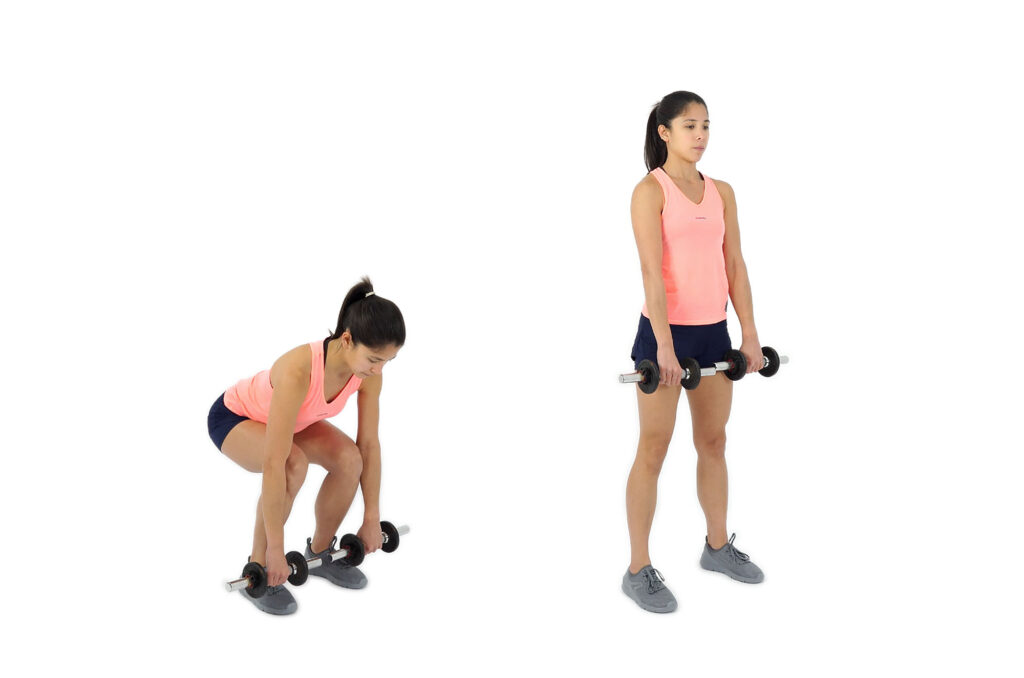
Stand with your feet hip-width apart and hold a dumbbell in each hand. Let your arms hang straight down in front of you.
Keep your back flat and your chest lifted. Look straight ahead to keep your neck neutral.
- Feet hip-width apart
- Dumbbells held at your sides
- Back flat and chest up
- Neck neutral, eyes forward
Lifting Technique
Push your hips back and bend your knees slightly. Keep the dumbbells close to your legs as you lift.
Stand tall by straightening your hips and knees. Do not round your back or lean forward.
- Push hips back
- Bend knees slightly
- Keep dumbbells near legs
- Straighten hips and knees to stand
- Keep back flat and chest up
Lowering The Dumbbells
Slowly push your hips back again. Bend your knees as the dumbbells move down your legs.
Lower the weights until they reach just below your knees or mid-shin. Keep your back flat the whole time.
- Push hips back slowly
- Bend knees slightly
- Lower dumbbells close to legs
- Stop just below knees or mid-shin
- Maintain flat back and chest up
Common Form Mistakes
The dumbbell deadlift is a great exercise for strength. Doing it wrong can cause injury.
Watch out for common mistakes to keep safe and get better results.
Rounded Back
A rounded back puts stress on your spine. It happens when you do not keep your back straight.
Keep your chest up and shoulders back. This keeps your spine safe during the lift.
- Do not bend your upper or lower back
- Engage your core muscles
- Keep your back flat and neutral
Locked Knees
Locking your knees makes the lift harder on your joints. It reduces your power and balance.
Bend your knees slightly to keep tension in your muscles. This helps with control and safety.
- Keep a soft bend in your knees
- Do not straighten knees fully when lowering
- Use your legs to help lift the weights
Improper Head Position
Looking too far up or down strains your neck. Your head should follow your spine’s natural line.
Look straight ahead or slightly down. This keeps your neck safe and helps maintain good posture.
- Avoid tilting your head up
- Do not let your chin drop toward your chest
- Keep your neck relaxed and aligned
Breathing And Core Engagement
Proper breathing and core engagement are key for doing dumbbell deadlifts safely. They help protect your back and improve your strength.
Learning how to breathe right and activate your core muscles will make your deadlift better and reduce injury risk.
Breathing Patterns
Breath control supports your body during the deadlift. Breathe deeply before you lift to prepare your muscles.
Hold your breath as you lift the dumbbells to create tightness in your torso. Exhale slowly when you finish the lift.
- Take a deep breath before starting the lift
- Hold your breath while lifting the dumbbells
- Exhale slowly after reaching the top position
Activating Core Muscles
Your core muscles keep your spine stable during the deadlift. Tighten your abs and lower back before lifting.
Engage your core by pulling your belly button in toward your spine. This helps protect your lower back from strain.
- Tighten your abdominal muscles before lifting
- Keep your core engaged throughout the movement
- Do not let your stomach relax while lifting
Progression And Variations
The dumbbell deadlift is a great exercise for strength and balance. You can change the weight and style to suit your level.
Using variations helps work different muscles and keeps your workouts interesting.
Increasing Weight
Start with light dumbbells to learn the form. Add weight slowly as you get stronger.
Increase weight by small steps to avoid injury. Keep your back straight and core tight.
- Begin with light dumbbells
- Add 2-5 pounds each week
- Focus on good form, not heavy weight
- Stop if you feel pain
Single-leg Deadlifts
Single-leg deadlifts help improve balance and target your hamstrings and glutes. Use one dumbbell or two.
Stand on one leg, keep a slight bend in the knee, and lower the dumbbells while extending your free leg back.
- Stand tall on one leg
- Keep your back flat
- Lower dumbbells slowly
- Return to start position
- Switch legs and repeat
Romanian Deadlifts
Romanian deadlifts focus more on your hamstrings and lower back. They use a smaller knee bend and more hip movement.
Hold dumbbells in front of your legs. Push your hips back and lower the weights while keeping your spine neutral.
- Keep knees slightly bent
- Push hips back, not down
- Lower dumbbells past knees
- Keep back straight
- Squeeze glutes to stand up
Credit: hitmymacros.com
Injury Prevention Tips
Doing dumbbell deadlifts with good form helps prevent injuries. Warm muscles and proper stretching reduce strain.
Learn safe ways to prepare your body before lifting. This lowers the chance of hurting your back or legs.
Warm-up Exercises
Warming up increases blood flow to muscles. It also makes your joints more flexible and ready to move.
Start with light activities that mimic the deadlift motion. This prepares your body for the workout ahead.
- Do 5 minutes of brisk walking or light jogging.
- Perform bodyweight squats to activate leg muscles.
- Practice hip hinges without weights to warm lower back.
- Use arm circles to loosen shoulder joints.
- Do 10-15 reps with very light dumbbells.
Stretching Routines
Stretching after warming up keeps muscles flexible. It reduces tightness that causes injuries.
Focus on hamstrings, lower back, and hips. These areas work hard during dumbbell deadlifts.
- Hamstring stretch: Sit and reach for your toes for 20 seconds.
- Hip flexor stretch: Kneel on one knee and push hips forward.
- Lower back stretch: Lie on back and pull knees to chest.
- Calf stretch: Stand with one foot forward and press heel down.
- Glute stretch: Cross one leg over the other and pull knee to chest.
Frequently Asked Questions
How Do You Perform A Dumbbell Deadlift Correctly?
Stand with feet hip-width apart, holding dumbbells in front. Keep back straight, bend at hips and knees, lower dumbbells close to legs, then return to standing. Focus on controlled movements and engage your core throughout the exercise for maximum safety and effectiveness.
What Muscles Does The Dumbbell Deadlift Target?
The dumbbell deadlift mainly targets the hamstrings, glutes, lower back, and core. It also engages the forearms and traps for grip and stability. This compound movement builds strength and improves posture by activating multiple muscle groups simultaneously.
How Much Weight Should I Use For Dumbbell Deadlifts?
Choose a weight that challenges you but allows proper form. Start light to master technique, then gradually increase weight. Avoid using too heavy dumbbells to prevent injury. Aim for 8-12 reps per set for muscle growth and strength.
Can Dumbbell Deadlifts Help With Lower Back Pain?
Yes, dumbbell deadlifts strengthen the lower back and core muscles, which can reduce pain. Proper form is essential to avoid strain. Consult a healthcare professional before starting if you have existing back issues.
Conclusion
Dumbbell deadlifts build strength and improve your form. Keep your back straight and lift with control. Start with light weights and increase slowly. Focus on steady breathing and smooth movements. Regular practice helps prevent injury and boosts muscle growth. This exercise fits well in any workout plan.
Try to stay consistent and patient. Results come with time and effort. Give your body a chance to get stronger. Keep learning and enjoy the process.


