
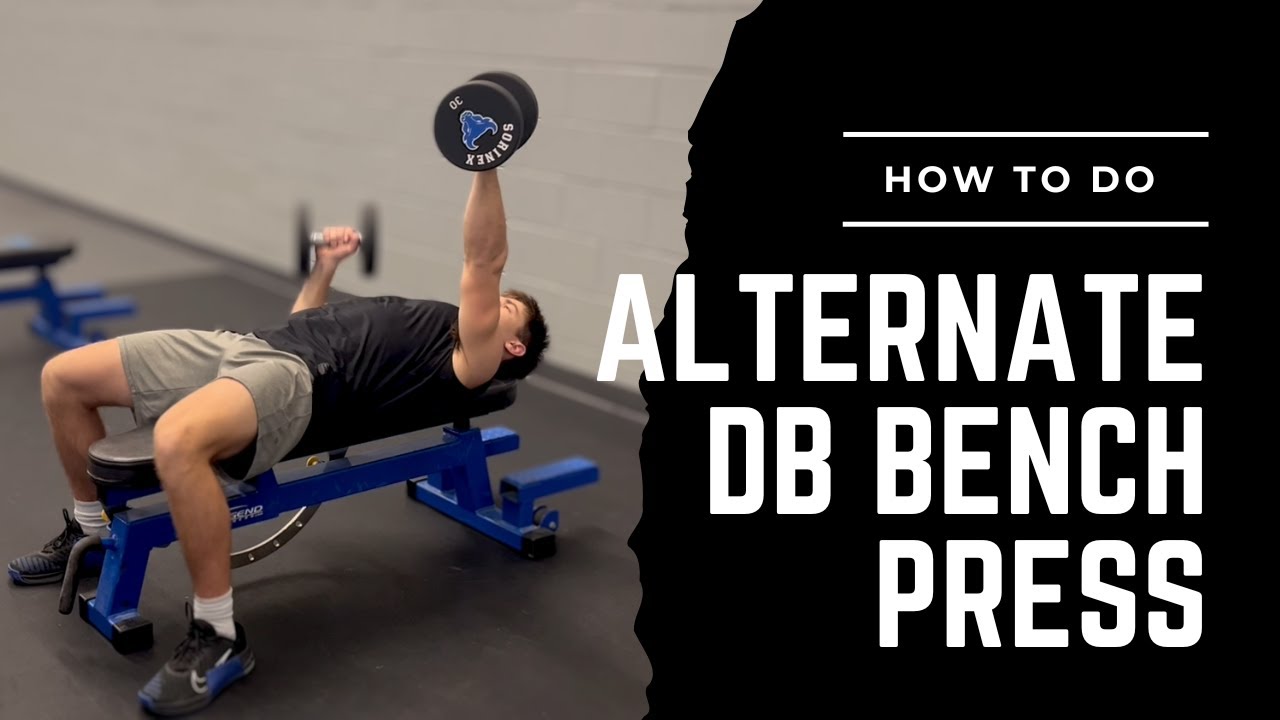
If you want to build a stronger chest, boost your upper body strength, and improve your workout routine, learning how to do the dumbbell bench press is a must. This simple yet powerful exercise can help you achieve better muscle balance and stability compared to a regular barbell bench press.
You’ll discover step-by-step instructions, common mistakes to avoid, and tips to maximize your results. Ready to take your workouts to the next level? Keep reading and master the dumbbell bench press today.
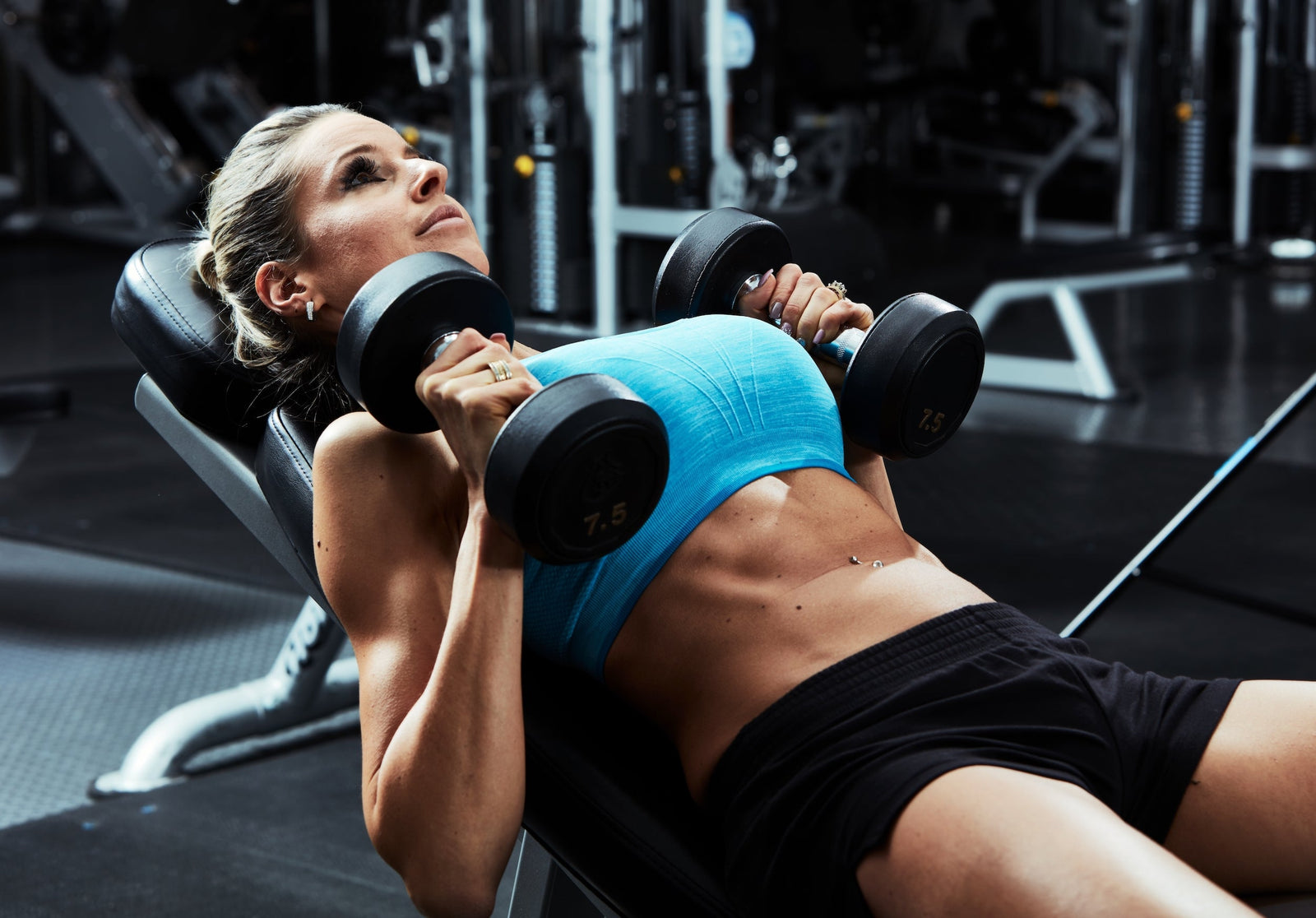
Credit: swolverine.com
Benefits Of Dumbbell Bench Press
The dumbbell bench press is a popular exercise for strength training. It offers many benefits for people who want to build muscle and improve fitness.
This exercise targets multiple muscle groups and helps enhance movement and balance. Let’s explore these benefits in detail.
Muscle Activation And Growth
The dumbbell bench press activates various muscles. It mainly targets the chest, shoulders, and triceps. This leads to muscle growth and strength over time.
Using dumbbells allows for a wider range of motion. This engages stabilizer muscles, promoting balanced muscle development.
Improved Range Of Motion
Dumbbells provide greater freedom of movement compared to a barbell. This improves the range of motion in your shoulders and arms.
With better range, you can lift weights more effectively. It helps in achieving a full stretch and contraction of muscles.
Enhanced Stability And Balance
The dumbbell bench press requires balance and coordination. Each arm works independently, which enhances stability.
Improved stability leads to better control during other exercises. This benefit is crucial for overall athletic performance.
- Engages core muscles for balance
- Reduces muscle imbalances
- Improves joint health and function
Choosing The Right Dumbbells
Choosing the right dumbbells is important for a good dumbbell bench press workout. The right weight helps you build strength safely.
Picking dumbbells that fit your skill and fitness level makes your exercise more effective and enjoyable.
Weight Selection Tips
Start with a weight you can lift for 8 to 12 reps without losing form. This helps build muscle safely.
If the weight feels too easy, increase it slowly. If it feels too hard, choose a lighter weight to avoid injury.
- Choose a weight that challenges you but feels safe
- Test weights before your workout
- Increase weight as you get stronger
Adjustable Vs Fixed Dumbbells
Fixed dumbbells have a set weight and are easy to use. They are good for quick workouts and simple routines.
Adjustable dumbbells let you change the weight. They save space and money but take time to adjust during workouts.
- Fixed dumbbells are simple and ready to use
- Adjustable dumbbells allow many weight options
- Choose based on your space and workout needs
Safety Considerations
Always check dumbbells for damage before use. Loose plates or cracks can cause injury during your bench press.
Use a spotter or bench with safety features if you lift heavy. Keep your movements controlled to avoid strain.
- Inspect dumbbells before each workout
- Lift weights you can control safely
- Use a spotter for heavy lifts
- Maintain good form throughout the exercise
Proper Setup And Positioning
Doing the dumbbell bench press with the right setup keeps you safe. It also helps you lift more effectively.
Pay attention to your bench, feet, back, grip, and wrist placement. These details improve your form and results.
Bench Height And Angle
Use a flat or slightly inclined bench for this exercise. The bench should support your back fully and keep you stable.
The bench height should allow your feet to rest flat on the floor. This helps keep your balance during the press.
Feet And Back Placement
Keep your feet flat on the floor. This provides a strong base and helps with balance.
Your back should have a natural arch. Keep your shoulder blades pulled together and pressed into the bench.
- Feet flat and stable on the ground
- Lower back slightly arched
- Shoulder blades squeezed and touching the bench
Grip And Wrist Alignment
Hold the dumbbells with a firm but not tight grip. Your wrists should stay straight and aligned with your forearms.
Avoid bending your wrists backward or forward. Proper alignment protects your joints and helps lift efficiently.
- Grip dumbbells firmly but comfortably
- Keep wrists straight and in line with forearms
- Adjust grip width for comfort and control
Step-by-step Dumbbell Bench Press
The dumbbell bench press is a great exercise for building chest strength. It also works your shoulders and triceps.
Follow these steps to perform the dumbbell bench press safely and effectively.
Starting Position
Lie flat on a bench with a dumbbell in each hand. Keep your feet flat on the floor. Hold the dumbbells above your chest with your arms straight.
Make sure your wrists are straight and your palms face forward. Keep your shoulder blades pinched together for stability.
Lowering The Dumbbells
Slowly bend your elbows and lower the dumbbells toward your chest. Keep your elbows at about a 45-degree angle from your body.
Lower the dumbbells until they are just above your chest. Do not let them touch your chest to keep tension on the muscles.
Pressing Upward
Push the dumbbells upward by straightening your arms. Press until your arms are fully extended but not locked at the elbows.
Keep control of the dumbbells as you press. Do not let them move too fast or lose balance.
Breathing Techniques
Inhale deeply as you lower the dumbbells toward your chest. This helps keep your core tight and stable.
Exhale strongly as you press the dumbbells upward. This provides power and supports your spine.
Common Mistakes To Avoid
The dumbbell bench press is a great exercise for chest strength. Many people make mistakes that reduce its effectiveness. Avoiding these errors helps you stay safe and get better results.
Focus on correct form to protect your muscles and joints. Small changes can make a big difference in your workout quality.
Elbow Flare And Shoulder Strain
Letting your elbows flare out too much puts stress on your shoulders. This can cause pain or injury over time. Keep your elbows at a 45-degree angle from your body.
Proper elbow position helps target your chest muscles better. It also keeps your shoulders safer during the press.
- Keep elbows closer to your sides, not straight out.
- Control your movement to avoid sudden jerks.
- Stop if you feel shoulder discomfort.
Arching The Back Excessively
A slight arch in your lower back is normal when bench pressing. Too much arch can cause lower back pain or injury. Press your feet firmly on the floor and keep your back stable.
Focus on tightening your core muscles to support your spine. Avoid lifting your hips off the bench during the press.
- Maintain a natural curve in your lower back.
- Keep your shoulder blades squeezed together.
- Do not lift your hips off the bench.
Uneven Dumbbell Control
Using uneven weight or control can cause muscle imbalances. Both dumbbells should move together smoothly. Avoid letting one arm do more work than the other.
Focus on equal strength and coordination in both arms. Lower the dumbbells carefully and raise them with steady control.
- Use the same weight for both dumbbells.
- Move both arms at the same speed.
- Keep your grip firm and balanced.

Credit: uk.style.yahoo.com
Progression And Variations
The dumbbell bench press is a great exercise for chest strength. You can improve by adding weight or changing the way you do it.
Trying different versions of the press helps target your muscles in new ways. This keeps your workouts fresh and effective.
Increasing Weight Safely
Add weight to your dumbbells little by little. This helps your muscles grow without causing injury.
Make sure you can do all your reps with good form before adding more weight. Use a spotter if needed.
- Start with a weight you can lift comfortably 8-12 times
- Increase weight by about 5% once you can do 12 reps easily
- Rest well between sets to keep your muscles ready
- Focus on controlled movement to avoid strain
Incline And Decline Press
The incline dumbbell press targets the upper chest. Set your bench at about 30 to 45 degrees.
The decline press works the lower chest. Tilt your bench down at a similar angle.
- Incline press helps build the upper part of your chest
- Decline press focuses on the lower chest muscles
- Both variations improve overall chest strength and shape
- Use lighter weights at first to adjust to the angle
Single-arm Dumbbell Press
Using one arm at a time improves balance and core strength. It also helps fix muscle imbalances.
Lie on a flat bench and press one dumbbell up while keeping the other arm relaxed. Switch arms after your set.
- Focus on slow, controlled movements
- Keep your core tight to stay stable
- Start with lighter weights to keep balance
- Increase weight gradually as you get stronger
Integrating Dumbbell Bench Press In Workouts
The dumbbell bench press is a great exercise for building chest strength. It helps improve muscle balance and range of motion. Adding it to your workout routine can boost your chest development.
Using dumbbells allows each arm to work independently. This reduces muscle imbalances and activates more stabilizer muscles. Let’s explore how to include this exercise in your workouts.
Pairing With Other Chest Exercises
Pair the dumbbell bench press with exercises that target the chest from different angles. This approach gives your chest a complete workout.
Combine it with push-ups, cable flyes, or barbell bench presses. These exercises work different parts of the chest and help build strength evenly.
- Dumbbell Bench Press for overall chest activation
- Push-ups to engage the chest and core
- Cable Flyes for isolating chest muscles
- Barbell Bench Press for heavy lifting and strength
Frequency And Recovery
Train your chest with the dumbbell bench press two to three times per week. This frequency helps build muscle without causing too much fatigue.
Allow at least 48 hours of rest between chest workouts. Rest helps muscles repair and grow stronger. Listen to your body and adjust rest days if needed.
- Perform 2-3 chest workouts weekly
- Rest 48 hours between sessions
- Increase rest if you feel soreness or fatigue
- Use lighter weights on recovery days
Tracking Progress
Keep track of your dumbbell bench press performance. Record the weight used, sets, and reps each session. Tracking helps you see progress and stay motivated.
Increase weight or reps gradually. Avoid adding too much weight too fast to prevent injury. Use a workout journal or app to log your workouts.
- Write down weight, sets, and reps every workout
- Increase weight or reps slowly over time
- Note how your chest feels after each session
- Set small goals to stay motivated

Credit: www.youtube.com
Frequently Asked Questions
What Muscles Does Dumbbell Bench Press Target?
The dumbbell bench press primarily targets the chest muscles. It also works the shoulders and triceps. This exercise improves upper body strength and muscle balance effectively.
How To Maintain Proper Form During Dumbbell Bench Press?
Keep your feet flat on the floor and back pressed against the bench. Lower dumbbells slowly to chest level. Push weights up without locking elbows. Maintain controlled breathing throughout the movement.
Can Dumbbell Bench Press Improve Muscle Symmetry?
Yes, dumbbell bench press promotes muscle symmetry. Each arm works independently, reducing strength imbalances. This helps develop balanced muscle growth on both sides of the chest.
How Many Sets And Reps For Dumbbell Bench Press?
Perform 3 to 4 sets of 8 to 12 reps. This range effectively builds strength and muscle size. Adjust weight according to your fitness level and goals.
Conclusion
Dumbbell bench press builds chest and arm strength. It helps improve muscle balance and control. Start with light weights to avoid injury. Focus on steady, smooth movements during each lift. Keep your back flat and feet planted firmly. Practice regularly to see steady progress.
Remember, good form beats heavy weights every time. This exercise fits well in any workout plan. Stay patient and consistent to reach your goals. Small steps lead to big improvements in strength. Keep pushing yourself safely and enjoy the gains.


