
Are you ready to take your workout to the next level? Learning how to do a dumbbell snatch can boost your strength, power, and coordination all at once.
This move might look tricky, but with the right steps, you can master it safely and effectively. Stick with me, and I’ll guide you through everything you need to know to add this powerful exercise to your routine. By the end, you’ll feel confident and ready to lift like a pro.
Let’s get started!
Credit: swolverine.com
Benefits Of The Dumbbell Snatch
The dumbbell snatch is a powerful exercise. It works many muscles at once. It helps improve fitness levels quickly.
Learn about the key benefits. See how this exercise can enhance your workout routine.
Full-body Workout
The dumbbell snatch targets multiple muscle groups. It engages your shoulders, back, legs, and core. This makes it an effective full-body workout.
By incorporating this move, you can strengthen and tone various muscles. It saves time and delivers comprehensive results.
Improved Power And Speed
Performing the dumbbell snatch enhances explosive power. Athletes use it to increase their speed and quickness.
This exercise mimics real-life movements. It helps in sports and daily activities by boosting your power and speed.
Enhanced Coordination And Balance
The dumbbell snatch requires precise movements. It challenges your coordination and balance. These skills are important for everyone.
Practicing this exercise can improve your body control. It helps in preventing falls and enhances overall stability.
- Improves joint stability
- Enhances motor skills
- Boosts spatial awareness
Credit: www.mensfitness.com
Essential Equipment And Setup
The dumbbell snatch is a powerful exercise that needs the right equipment. Setting up properly helps you stay safe and effective.
This guide covers what dumbbell to choose, how to prepare your space, and what to wear for your workout.
Choosing The Right Dumbbell
Pick a dumbbell that fits your strength level. It should be heavy enough to challenge you but not too heavy to lose control.
Start with a lighter weight to learn the movement. Increase the weight slowly as you get stronger.
- Use dumbbells with a secure grip
- Choose weights with flat ends to avoid rolling
- Consider adjustable dumbbells for different weights
Setting Up Your Workout Space
Clear a safe area with enough room to move freely. This helps prevent accidents while doing the snatch.
Use a flat, stable floor to keep your balance. Avoid slippery surfaces or cluttered spaces.
- Keep the workout space free of obstacles
- Use a non-slip mat if the floor is smooth
- Have good lighting to see your movements clearly
Proper Footwear And Attire
Wear shoes that provide good support and grip. Stable shoes help you keep balance during the lift.
Choose comfortable clothes that allow full movement. Avoid loose clothing that can catch on the dumbbell.
- Use flat-soled shoes for better stability
- Wear breathable fabric to stay cool
- Avoid jewelry that may get in the way
Key Muscles Engaged
The dumbbell snatch is a powerful full-body exercise. It uses many muscles to lift the weight from the ground to overhead in one motion.
Understanding which muscles work helps improve your form and strength. Here are the main muscle groups involved.
Legs And Glutes
Your legs and glutes provide the main power to lift the dumbbell. They push your body upward during the movement.
The squat and hip drive come from strong quads, hamstrings, and glute muscles.
- Quadriceps help extend your knees
- Hamstrings assist in hip movement
- Glutes generate the hip thrust power
Core Activation
Your core muscles keep your body stable during the lift. They stop you from leaning or twisting too much.
Strong abs and lower back muscles protect your spine and help transfer power from your legs to your arms.
- Abdominals control your torso
- Obliques prevent side bending
- Lower back supports your posture
Upper Body Involvement
Your upper body guides and controls the dumbbell as it moves up. The shoulders and arms finish the lift overhead.
The trap and deltoid muscles raise the arm. The biceps and forearms hold and stabilize the dumbbell.
- Trapezius lifts the shoulder blade
- Deltoids raise the arm overhead
- Biceps bend the elbow
- Forearms grip the dumbbell tightly

Credit: www.youtube.com
Step-by-step Technique
The dumbbell snatch is a powerful exercise. It builds strength and improves coordination. This guide will teach you the proper technique.
Follow each step carefully to perform the move safely and effectively.
Starting Position
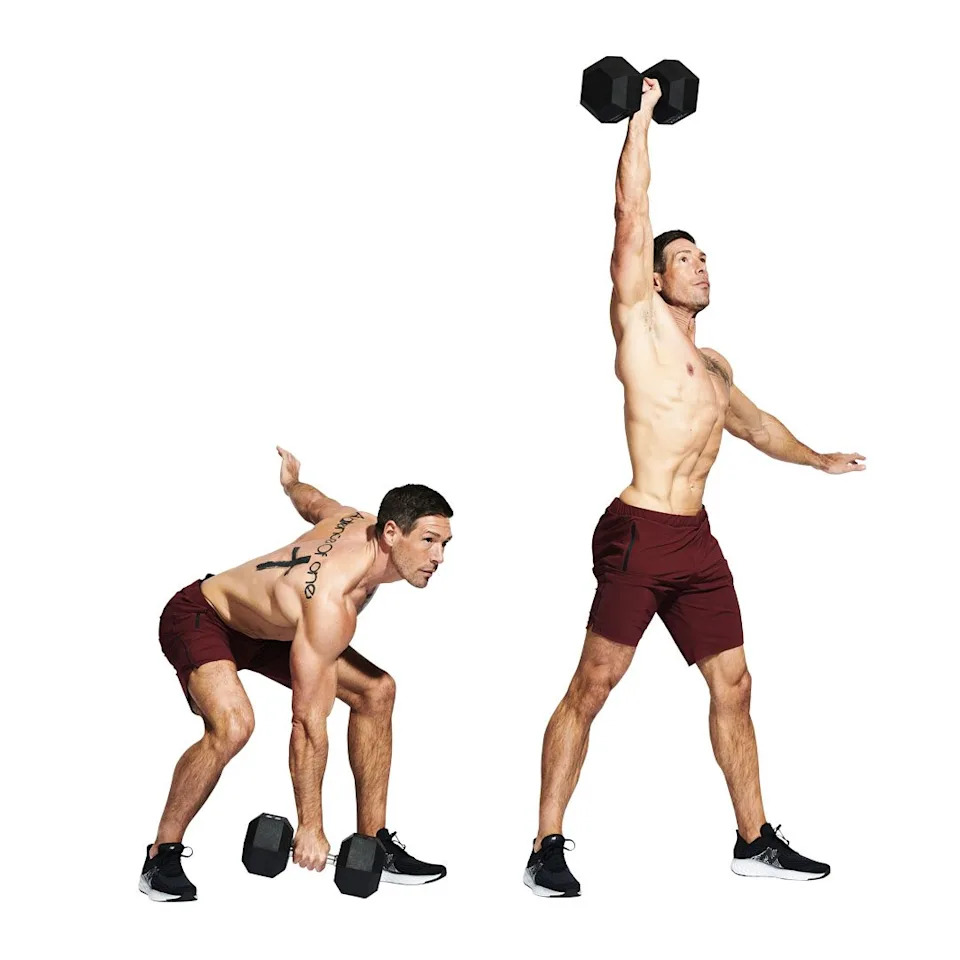
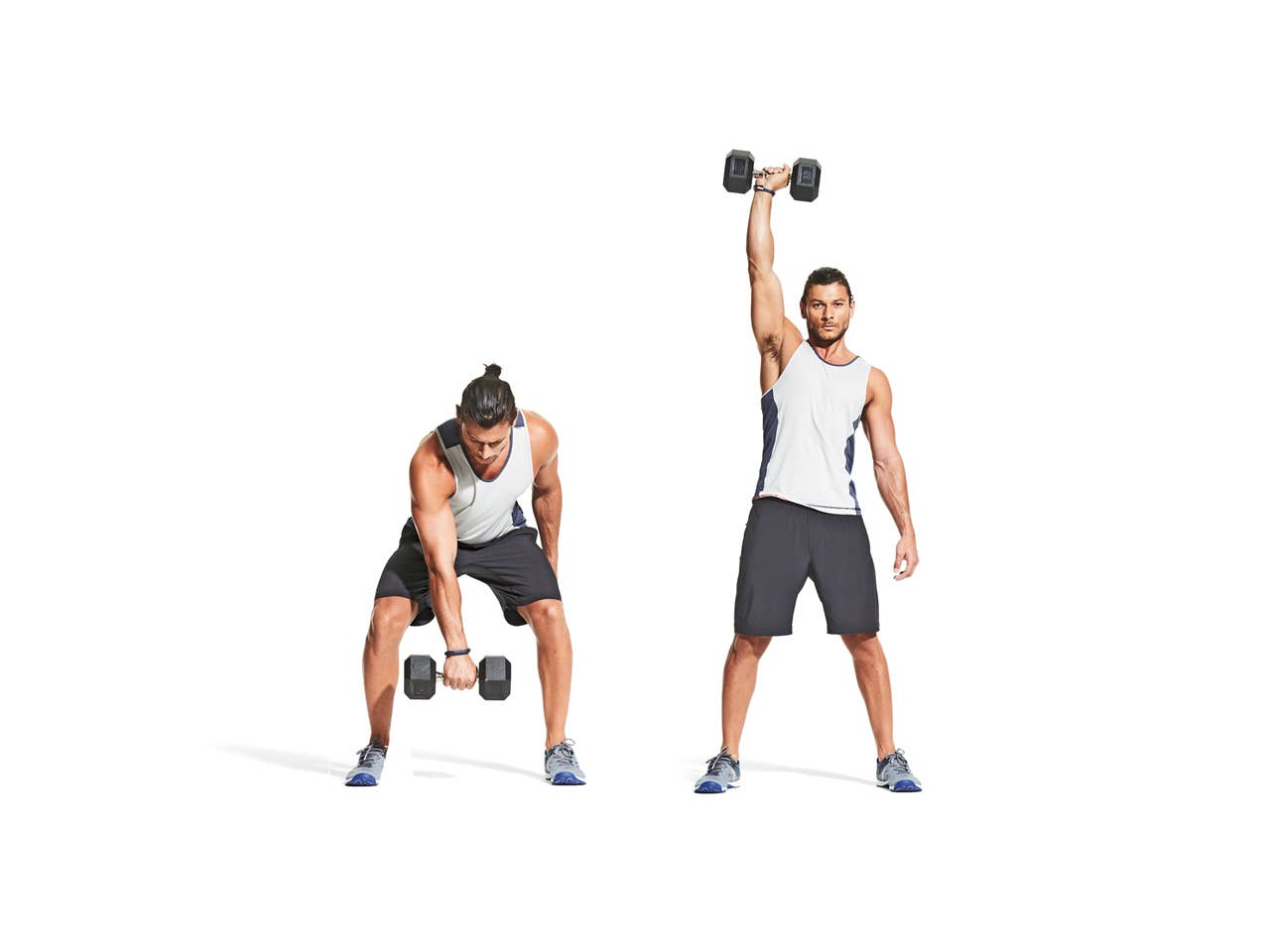
Stand with your feet shoulder-width apart. Place a dumbbell on the floor between your feet. Keep your back flat and chest up. Bend at your hips and knees to grip the dumbbell with one hand.
Make sure your arm is straight and your shoulder is over the dumbbell. Your other arm can rest at your side for balance.
Executing The Pull
Drive through your legs to lift the dumbbell off the ground. Keep the dumbbell close to your body as you pull it upward. Extend your hips and knees quickly.
Use your elbow to lead the dumbbell higher. Keep your wrist straight and strong during the pull.
- Push through your heels
- Keep the dumbbell close to your body
- Lead with your elbow
- Extend hips and knees fast
The Catch And Finish
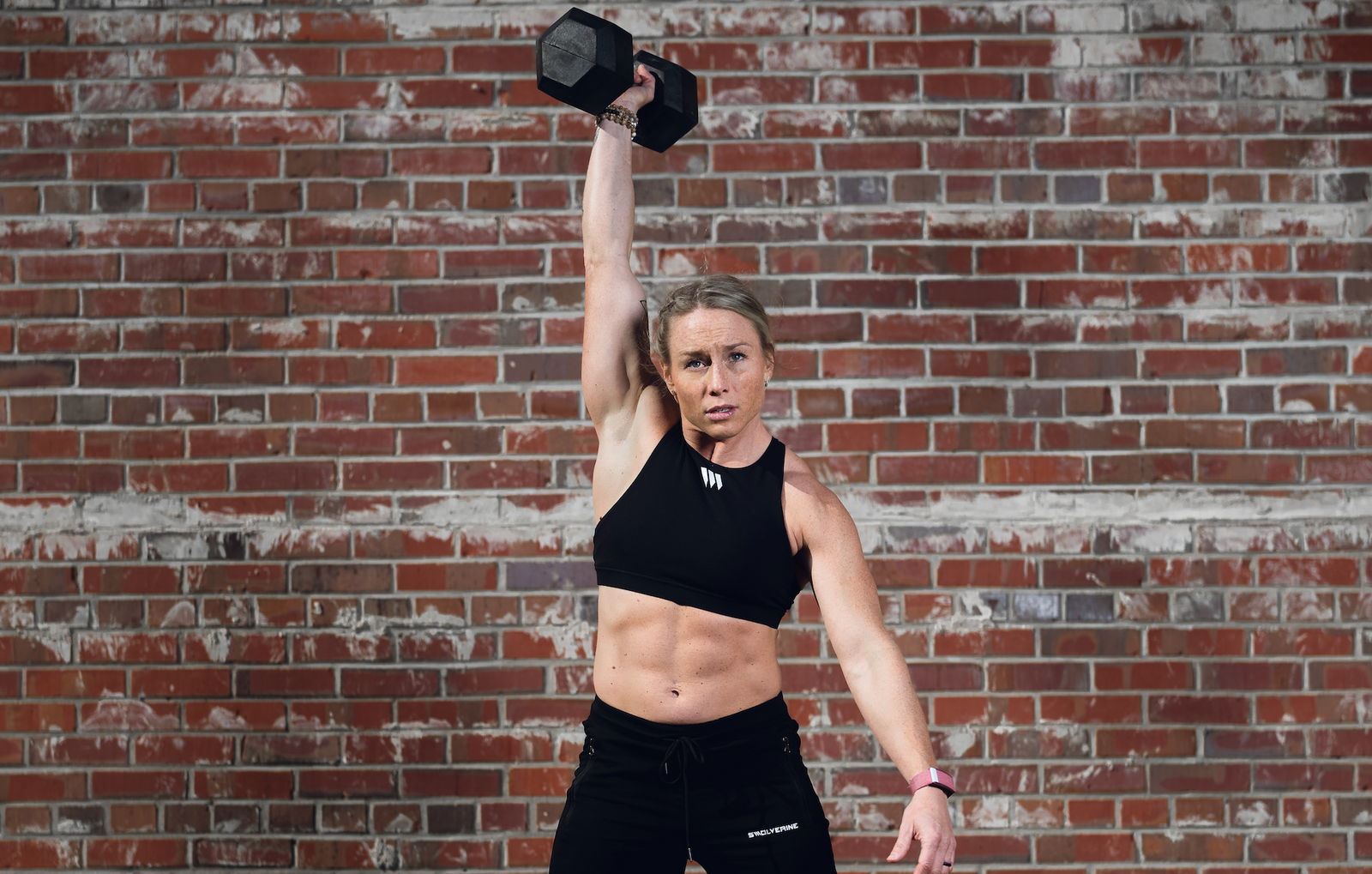
Pull the dumbbell overhead and catch it by rotating your wrist. Lock your arm straight above your head. Stand tall and fully extend your hips and knees.
Hold the position briefly. Then lower the dumbbell carefully back to the start position. Keep control during the descent to avoid injury.
- Rotate wrist to catch dumbbell overhead
- Lock arm fully straight
- Stand tall with hips and knees extended
- Lower dumbbell with control
Common Mistakes To Avoid
The dumbbell snatch is a powerful exercise that builds strength and coordination. Doing it wrong can cause injury or reduce its benefits.
Watch out for these common mistakes to keep your form safe and effective.
Poor Back Alignment
Keeping your back straight is very important during the dumbbell snatch. A rounded back puts stress on your spine and can cause injury.
Focus on engaging your core and keeping your chest up to maintain a neutral spine throughout the movement.
- Do not let your lower back round when lifting the dumbbell.
- Keep your shoulders back and down.
- Engage your abs to support your spine.
Incorrect Grip
Holding the dumbbell too loosely or too tightly can hurt your control and balance. A poor grip may lead to dropping the weight or wrist pain.
Use a firm, but not overly tight grip. Your wrist should stay straight, not bent or twisted.
- Hold the dumbbell handle in the middle for balance.
- Keep your wrist aligned with your forearm.
- Do not squeeze the dumbbell so hard that your wrist bends.
Timing Errors
The dumbbell snatch requires good timing between your hips, legs, and arms. Poor timing reduces power and increases injury risk.
Make sure your hips drive the movement first, followed by your arm pulling the dumbbell up smoothly.
- Do not pull the dumbbell with your arm alone.
- Use your hips to generate force.
- Practice a smooth, continuous motion without pauses.
Progressions And Variations
The dumbbell snatch is a great full-body exercise. It helps build strength and power.
You can change how you do the snatch. This keeps your workouts fresh and challenging.
Single-arm Vs. Double-arm Snatch
The single-arm snatch uses one dumbbell at a time. It helps improve balance and coordination.
The double-arm snatch uses two dumbbells. It works both sides of your body equally.
- Single-arm snatch focuses on one side.
- Double-arm snatch targets both arms together.
- Single-arm builds stability and core strength.
- Double-arm develops power and symmetry.
Using Different Weights
You can use light or heavy dumbbells for snatches. Choose the weight that fits your skill level.
Start with lighter weights to learn good form. Increase weight slowly to build strength safely.
- Light weights help with speed and technique.
- Heavy weights build muscle and power.
- Mix weights to challenge your body in new ways.
Incorporating Into Circuits
Add dumbbell snatches to your workout circuits. This boosts your heart rate and strength at once.
Combine snatches with other exercises for a full workout. It keeps your training fun and effective.
- Pair snatches with squats and push-ups.
- Use timed intervals for high intensity.
- Rest briefly between exercises for endurance.
Safety Tips And Warm-up Drills
Doing a dumbbell snatch can build strength and power. It needs care to avoid injuries.
Warm-up drills prepare your muscles. Safety tips help keep your body safe.
Dynamic Warm-up Moves
Start with moves that raise your heart rate. They loosen your joints and muscles.
- Arm circles to warm shoulder joints
- Leg swings to loosen hips
- Bodyweight squats to activate legs
- Jumping jacks for full-body warm-up
- Hip hinges to prepare lower back
Do each move for 30 seconds. This helps your body get ready.
Maintaining Proper Form
Good form keeps you safe and effective. Keep your back straight and core tight.
Lift the dumbbell close to your body. Use your hips and legs to power the move.
- Stand with feet shoulder-width apart
- Hold the dumbbell between your feet
- Bend hips and knees, keeping back flat
- Explode upward, pulling dumbbell overhead
- Lock your arm at the top
- Lower dumbbell carefully
Listening To Your Body
Pay attention to how your body feels. Stop if you feel sharp pain or discomfort.
Rest between sets and do not rush. Proper recovery helps avoid injury.
- Stop if you feel sharp or sudden pain
- Take breaks to avoid fatigue
- Use lighter weights if needed
- Ask for help if unsure about form
Frequently Asked Questions
What Muscles Does The Dumbbell Snatch Target?
The dumbbell snatch primarily targets the shoulders, back, hips, and legs. It also engages the core for stability and power during the lift. This exercise improves strength, power, and coordination.
How Do I Start A Dumbbell Snatch Safely?
Begin with a light dumbbell and proper warm-up. Focus on form by keeping your back straight and driving through your hips. Use controlled movements to avoid injury and gradually increase weight.
How Many Reps And Sets Are Ideal For Beginners?
Start with 3 sets of 8-10 reps per arm. Rest for 60 seconds between sets. This volume helps build strength and familiarizes you with the movement.
Can Dumbbell Snatch Improve Athletic Performance?
Yes, it enhances explosive power, speed, and coordination. This makes it beneficial for sports requiring quick, powerful movements. It also boosts overall functional strength.
Conclusion
The dumbbell snatch builds strength and power in your whole body. Practice the move slowly to learn the correct form. Keep your core tight and use your hips to lift. Start with light weights to avoid injury and gain confidence.
Regular practice will improve your balance and coordination. This exercise adds variety to your workouts and challenges your muscles. Stay consistent and patient. Enjoy the progress you make with each session.


