
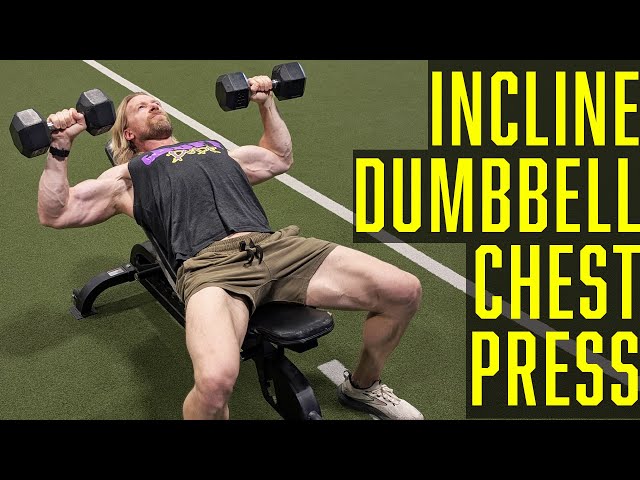
If you want to build a stronger, more defined chest, mastering the chest press with dumbbells is a must. This simple exercise can transform your upper body strength and improve your posture.
But doing it the right way is key—wrong form can lead to injury or slow your progress. You’ll learn exactly how to perform a chest press with dumbbells safely and effectively. By the end, you’ll feel confident and ready to add this powerful move to your workout routine.
Keep reading to discover step-by-step tips that make every rep count.
Benefits Of Dumbbell Chest Press
The dumbbell chest press is a popular exercise. It helps build strength in the chest muscles.
This exercise offers many benefits. It improves muscle balance and coordination.
Improves Muscle Strength
The dumbbell chest press strengthens the pectoral muscles. Stronger muscles can help in daily activities.
It also strengthens the shoulders and triceps. This helps in lifting and pushing tasks.
Enhances Muscle Balance
Using dumbbells requires both arms to work equally. This improves balance between the sides of your body.
Balanced muscles prevent injuries. They also improve overall performance in sports.
Increases Range Of Motion
Dumbbells allow a greater range of motion. This means you can stretch muscles more effectively.
Better range of motion leads to more flexible muscles. It also helps in achieving better muscle growth.
Improves Joint Stability
The dumbbell chest press engages stabilizer muscles. These muscles support the joints during movement.
Joint stability reduces the risk of injuries. It also allows for smoother and safer workouts.
Boosts Upper Body Definition
The exercise targets upper body muscles. This leads to better muscle definition and appearance.
Defined muscles enhance physical looks. They also improve confidence in personal and social settings.
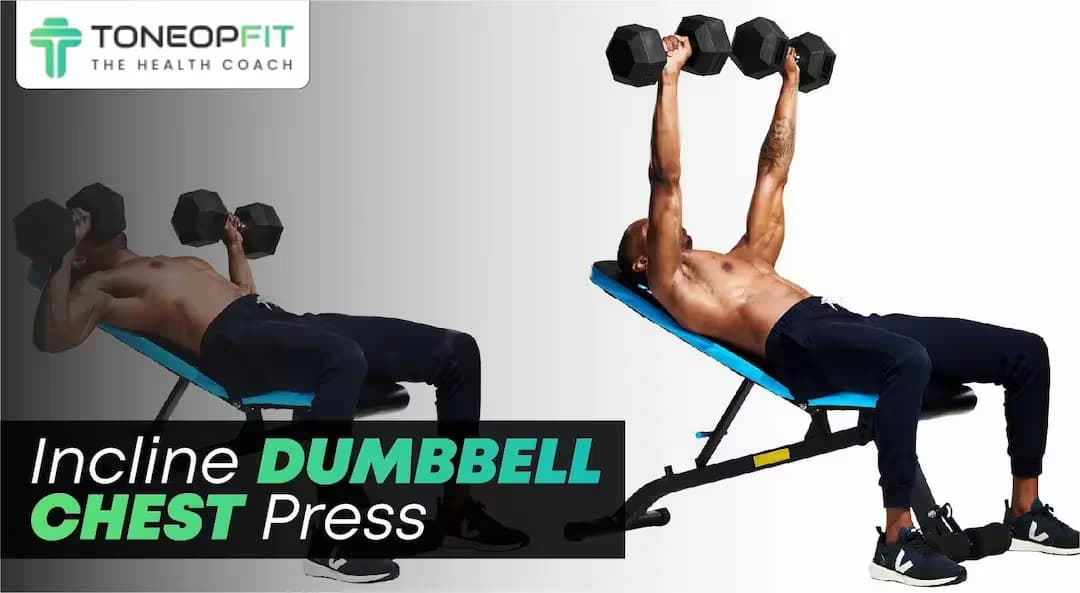
Credit: toneopfit.com
Choosing The Right Dumbbells
Picking the right dumbbells is key for a good chest press workout. The right weight helps you build strength safely.
Start with dumbbells that match your fitness level and goals. This guide will help you choose well.
Consider Your Strength Level
Choose dumbbells that suit your current strength. Too heavy weights can cause injury. Too light weights may not help you grow.
- Beginners should pick light weights to learn form
- Intermediate users can choose medium weights
- Advanced lifters may use heavy dumbbells for challenge
Select Adjustable Or Fixed Dumbbells
Adjustable dumbbells let you change weights easily. Fixed dumbbells have one set weight each. Choose what fits your space and budget.
- Adjustable dumbbells save space
- Fixed dumbbells are simple and durable
- Choose based on your workout variety and room size
Check Dumbbell Grip And Comfort
Pick dumbbells with comfortable grips to avoid hand pain. Textured handles help you hold dumbbells securely during the press.
- Look for non-slip grips
- Choose sizes that fit your hand well
- Avoid sharp edges on handles
Think About Material And Durability
Dumbbells come in metal, rubber, or plastic. Metal is strong but may damage floors. Rubber-coated ones protect floors and last long.
- Metal dumbbells are durable but noisy
- Rubber-coated dumbbells reduce noise and floor damage
- Plastic dumbbells are light and cheap but less durable
Start With A Weight You Can Control
Choose dumbbells you can lift for 8 to 12 reps without losing form. This weight helps build muscle safely and effectively.
- Pick a weight that tires you by the last rep
- Lower the weight if your form breaks down
- Increase weight gradually as you get stronger
Setting Up Your Bench And Body
Doing a chest press with dumbbells needs good setup. Setting your bench and body right helps avoid injury.
This guide shows how to position your bench and align your body for the best chest press.
Bench Positioning
Place your bench on a flat, stable surface. Make sure it does not wobble or move during the exercise.
Adjust the bench so it is flat or slightly inclined. This helps target different parts of your chest.
- Set the bench height to keep feet flat on the floor
- Keep the bench back support firm and stable
- Check that the bench does not slide or rock
- Use a bench wide enough to support your back fully
Body Alignment
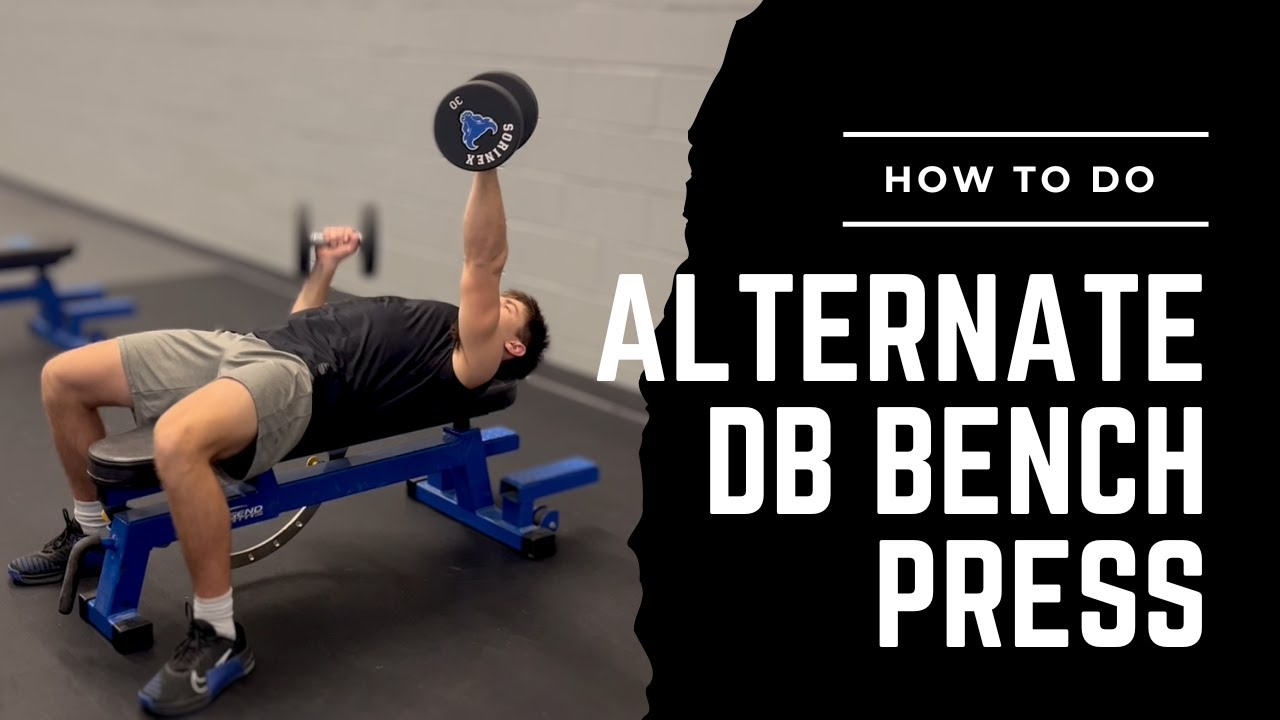
Lie back with your head, shoulders, and hips touching the bench. Keep your feet flat on the floor.
Keep your spine neutral and avoid arching your lower back too much. This protects your back during the press.
- Hold dumbbells near your chest with elbows bent
- Keep your wrists straight and aligned with your forearms
- Engage your core to support your spine
- Press your feet firmly on the floor for stability
Credit: www.youtube.com
Starting Position For Chest Press
Starting the chest press with dumbbells correctly helps you avoid injury. It also makes your workout more effective.
Focus on your body alignment before lifting the weights. This sets a strong base for the exercise.
Hand And Arm Placement
Hold the dumbbells with a firm grip. Your palms should face forward, away from your body.
Keep your elbows bent at about 90 degrees. Your arms should be in line with your chest.
- Hold dumbbells at chest level
- Palms face forward
- Elbows bent and slightly below shoulders
- Wrists straight and firm
Foot Positioning
Place your feet flat on the floor. They should be about shoulder-width apart for balance.
Keep your feet steady. This helps stabilize your body during the press.
- Feet flat on the ground
- Shoulder-width apart
- Keep feet steady and firm
- Do not lift feet during the press
Step-by-step Chest Press Movement
The chest press with dumbbells is a great exercise for building chest strength. It targets your chest, shoulders, and triceps. Follow the steps below to perform it safely and effectively.
Make sure you have a flat bench and a pair of dumbbells. Start with a weight that feels comfortable for you.
Lowering The Dumbbells
Hold the dumbbells above your chest with your arms straight. Slowly lower the dumbbells down to your chest. Keep your elbows at about a 45-degree angle from your body.
Lower the weights in a controlled way. Do not let them drop quickly or bounce off your chest. Keep your wrists straight and stable.
- Start with arms fully extended above chest
- Slowly bend elbows to lower dumbbells
- Keep elbows about 45 degrees from torso
- Lower until dumbbells are near chest level
- Maintain steady wrist position
Pressing Upwards
Push the dumbbells back up by straightening your arms. Use your chest muscles to lift the weight. Do not lock your elbows at the top.
Keep the movement smooth and steady. Breathe out as you press the weights upward. Keep your feet flat on the ground for stability.
- Press dumbbells up by extending elbows
- Focus on using chest muscles
- Do not lock elbows at the top
- Breathe out during the press
- Keep feet flat for balance

Credit: uk.style.yahoo.com
Common Mistakes To Avoid
Doing a chest press with dumbbells can build strong muscles. It is important to do it right. Avoiding common mistakes helps prevent injury.
Keep your form clean and steady. Focus on the way your body moves during the exercise.
Overarching The Back
Arching your back too much puts strain on your spine. It can cause pain or injury over time. Your back should stay flat against the bench.
Keep your feet on the floor and your core tight. This helps support your lower back and keeps it in a safe position.
- Do not lift your chest too high
- Keep your shoulder blades pressed into the bench
- Engage your core muscles throughout the lift
Uneven Dumbbell Movement
Moving one dumbbell faster than the other can cause muscle imbalance. It lowers the exercise’s effectiveness. Try to lift both dumbbells evenly.
Focus on controlling the weights with both arms. Use a mirror or ask someone to watch your form.
- Start with lighter weights to improve control
- Lower both dumbbells at the same speed
- Keep your movements smooth and steady
Locking Elbows
Locking your elbows at the top of the press puts stress on the joints. It can lead to pain or injury. Keep a slight bend in your elbows at all times.
Maintain control of the dumbbells throughout the whole movement. This protects your elbows and helps build muscle more safely.
- Do not fully straighten your arms at the top
- Keep a soft bend in your elbows
- Focus on muscle tension, not joint locking
Breathing Techniques For Chest Press
Proper breathing helps you lift weights safely. It also improves your strength and focus.
In a chest press with dumbbells, breathing is important for muscle control and power.
Inhale Before Lowering The Dumbbells
Take a deep breath in before you lower the dumbbells. This fills your lungs with air.
Inhaling helps stabilize your chest and core muscles during the lowering phase.
Exhale When Pushing The Dumbbells Up
As you push the dumbbells up, breathe out steadily. This gives you more power.
Exhaling helps you avoid holding your breath, which can raise blood pressure.
Keep Breathing Smooth And Controlled
Do not hold your breath during any part of the chest press. Keep your breathing steady.
Smooth breathing helps maintain energy and prevents dizziness or fatigue.
- Inhale deeply before lowering the weights
- Exhale steadily while pushing the weights up
- Keep breathing smooth and avoid breath holding
Variations To Challenge Your Chest
Doing chest presses with dumbbells helps build strong chest muscles. Changing the angle or style can work different parts of your chest. This keeps your workouts fresh and effective.
Try these variations to target your chest in new ways and improve your strength.
Incline Dumbbell Press
The incline dumbbell press targets the upper chest muscles. Set your bench at a 30 to 45-degree angle. This angle focuses more on the upper part of your chest.
Lie back on the bench and press the dumbbells up above your chest. Lower them slowly and repeat. This variation helps shape your upper chest for a fuller look.
Decline Dumbbell Press
The decline dumbbell press works the lower chest muscles. Set the bench to a decline angle, about 15 to 30 degrees downward. This targets the lower chest area.
Lie back with your head lower than your hips. Press the dumbbells up and lower them with control. This move builds strength in the lower chest and adds muscle balance.
Single-arm Chest Press
The single-arm chest press helps improve muscle balance and stability. Use one dumbbell at a time while lying on a flat bench or floor. This challenges your chest and core muscles.
Press the dumbbell up with one arm while keeping your body steady. Lower it slowly and repeat with the other arm. This variation also helps fix strength differences between sides.
Incorporating Chest Press Into Your Workout
The chest press with dumbbells is a great way to build upper body strength. It targets your chest, shoulders, and triceps.
You can add this exercise to your routine to improve muscle tone and increase endurance. It fits well in many workout plans.
Sets And Reps Recommendations
Start with 3 sets of 8 to 12 reps for muscle growth. Use a weight that feels challenging but lets you keep good form.
For strength, do 4 to 5 sets of 4 to 6 reps with heavier weights. Rest for 1 to 2 minutes between sets.
- 3 sets of 8-12 reps for muscle tone
- 4-5 sets of 4-6 reps for strength
- Rest 1-2 minutes between sets
Combining With Other Exercises
Combine chest presses with back exercises to keep muscle balance. For example, add rows or pull-ups after chest presses.
Include leg and core moves like squats and planks to work your whole body. This helps improve overall strength and posture.
- Pair with rows or pull-ups for balanced upper body
- Add squats or lunges for lower body strength
- Include planks or crunches for core stability
Frequently Asked Questions
How Do You Properly Position Dumbbells For Chest Press?
Hold dumbbells at chest level with palms facing forward. Keep elbows at a 45-degree angle. This protects your shoulders and ensures effective muscle engagement.
What Muscles Does A Dumbbell Chest Press Target?
The dumbbell chest press mainly targets the pectoral muscles. It also engages the triceps and anterior deltoids for a full upper-body workout.
How Many Sets And Reps Are Ideal For Chest Press?
Aim for 3 to 4 sets of 8 to 12 reps. This range builds strength and muscle size effectively for most fitness levels.
Can Beginners Safely Do Dumbbell Chest Presses?
Yes, beginners can start with light weights. Focus on form and controlled movements to avoid injury and build confidence gradually.
Conclusion
Chest presses with dumbbells build strong chest muscles. They also help improve shoulder and arm strength. Start with light weights to avoid injury. Focus on slow, controlled movements for best results. Remember to keep your back flat and feet planted.
Practice regularly for steady progress. Stay patient and consistent. Your strength will grow over time. Keep your form correct to stay safe. Enjoy the benefits of a stronger upper body. Simple steps lead to good results. Keep going, and you will see improvement soon.


