

If you want to build muscle but don’t have access to a gym, dumbbells are your best friend. They are simple, versatile, and incredibly effective for growing stronger and shaping your body.
Imagine transforming your arms, chest, and legs with just a pair of weights you can use anywhere. You’ll discover easy-to-follow tips and exercises that make the most out of dumbbells. Get ready to unlock your muscle-building potential and see real results faster than you thought possible.
Keep reading, because your stronger, fitter self is just a few moves away.
Benefits Of Dumbbell Training
Dumbbell training is a great way to build muscle. It offers many benefits that can help you grow stronger and healthier.
Using dumbbells can improve your overall fitness. Let’s explore some key advantages of this training method.
Versatility And Range Of Motion
Dumbbells provide a wide range of exercises. This means you can target different muscle groups easily.
Their design allows for a natural movement. This can help you achieve a full range of motion during workouts.
- Offers exercises for arms, legs, and core
- Allows for creative workout routines
- Improves flexibility and joint health
Improved Muscle Balance
Dumbbells help in balancing muscle development. Each hand works independently, promoting equal strength.
This balance reduces the risk of injury. It also ensures both sides of your body develop evenly.
- Reduces muscle imbalances
- Prevents dominance of one side
- Enhances coordination and control
Convenience For Home Workouts
Dumbbells are easy to use at home. They are compact and do not require much space.
This convenience makes them ideal for home fitness routines. You can work out without needing a gym membership.
- Compact and easy to store
- Suitable for any room in your home
- No need for bulky gym equipment
Choosing The Right Dumbbells
Dumbbells are a simple tool to help build muscle at home or in the gym. Picking the right dumbbells can improve your workout and help you reach your goals.
Knowing the differences between dumbbell types and how to select the right weight and quality will make your training safer and more effective.
Fixed Vs Adjustable Dumbbells
Fixed dumbbells come in a set weight and are ready to use. They are simple and quick for workouts that need fast changes.
Adjustable dumbbells let you change the weight by adding or removing plates. They save space and cost less but take time to adjust.
- Fixed dumbbells are durable and easy to grab
- Adjustable dumbbells are flexible and space-saving
- Choose fixed if you want quick weight changes
- Choose adjustable if you have limited space
Weight Selection Tips
Choose a weight that challenges your muscles but lets you keep good form. Start light and increase as you get stronger.
If you can do more than 12 reps easily, increase the weight. If you can’t do at least 6 reps, lower the weight.
- Pick a weight for 6 to 12 reps per set
- Increase weight gradually to build muscle
- Use lighter weights for warm-ups and cool-downs
Quality And Grip Considerations
Good quality dumbbells last longer and feel safer to use. Check for solid construction and smooth finishes to avoid injuries.
Grip is important for control during exercises. Look for textured or rubber-coated handles to prevent slipping.
- Choose dumbbells with secure weight plates
- Look for non-slip grips or knurled handles
- Pick materials that resist rust, like coated metal
Key Muscle Groups To Target
Building muscle with dumbbells works best when you focus on main muscle groups. Targeting these groups helps create a balanced and strong body.
Using dumbbells allows you to work on muscles from different angles. This improves muscle growth and strength evenly.
Chest And Shoulders
The chest and shoulders are important for upper body strength. Dumbbell exercises can help develop these muscles well.
Chest exercises like dumbbell presses and flyes target your pectoral muscles. Shoulder exercises like dumbbell presses and lateral raises build deltoids.
- Dumbbell Chest Press
- Dumbbell Flyes
- Seated Dumbbell Shoulder Press
- Dumbbell Lateral Raises
Back And Arms
The back and arms help with pulling and lifting movements. Dumbbells strengthen these muscles for better daily function.
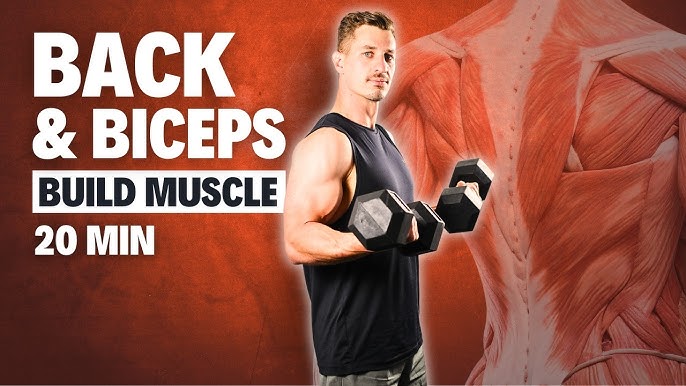
Rows and curls work on your back and arm muscles. These exercises target biceps, triceps, and upper back muscles like the lats.
- Dumbbell Rows
- Hammer Curls
- Dumbbell Bicep Curls
- Dumbbell Tricep Kickbacks
Legs And Core
Strong legs and core are key for balance and power. Dumbbells add resistance to leg and core workouts.
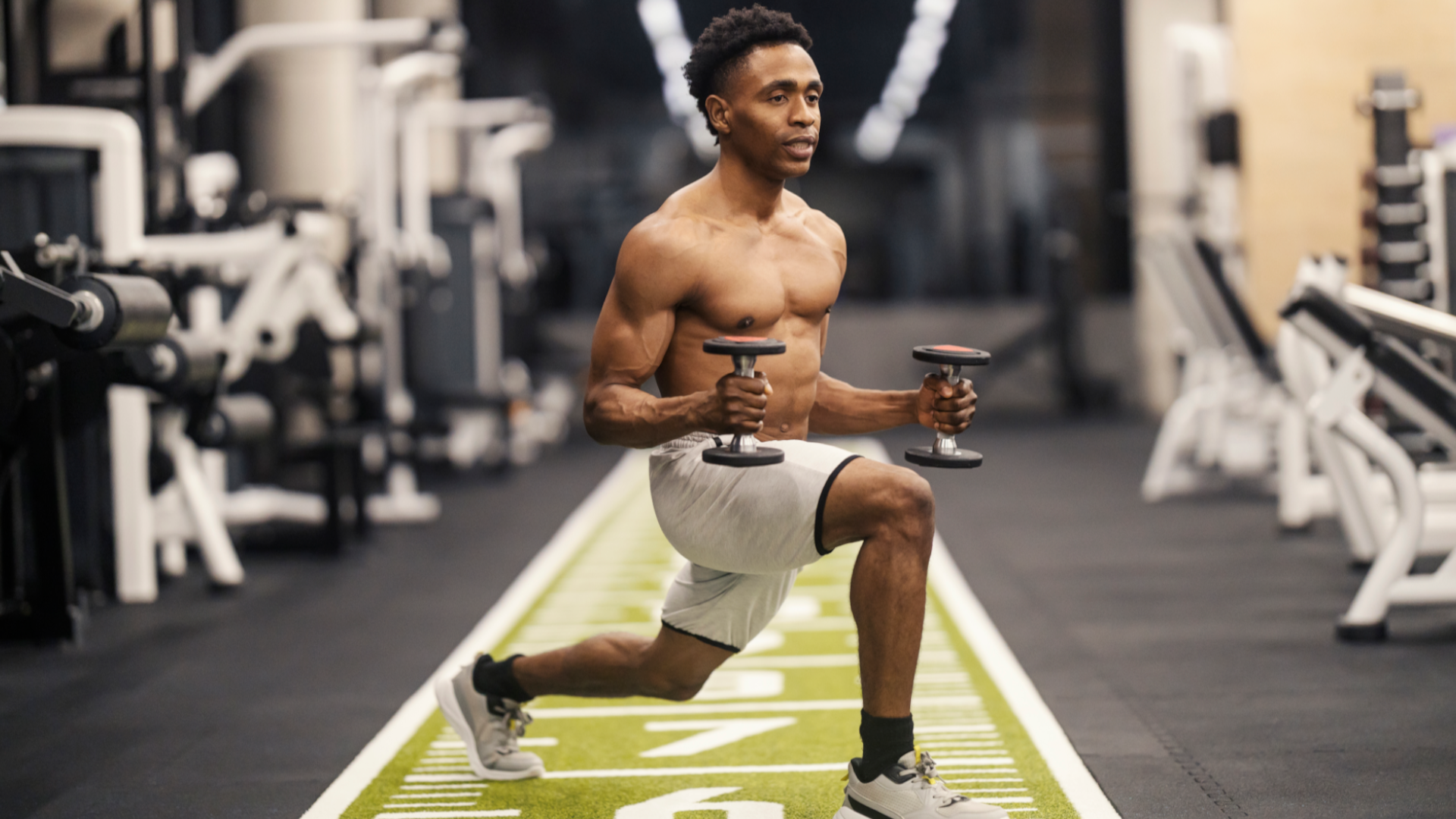
Squats and lunges build leg muscles. Core exercises with dumbbells help improve stability and strength.
- Dumbbell Squats
- Dumbbell Lunges
- Weighted Russian Twists
- Dumbbell Side Bends
Effective Dumbbell Exercises
Dumbbells are great tools for building muscle at home or in the gym. They let you work many muscles safely and effectively.
Using dumbbells, you can target different muscle groups with simple exercises. This helps you grow strength and size over time.
Chest Press And Fly Variations
Chest presses and flies help build your chest muscles. Use a bench or floor to perform these exercises with dumbbells.
Chest presses push the dumbbells up, while flies open your arms wide. Both work the chest differently for better muscle growth.
- Flat dumbbell chest press
- Incline dumbbell chest press
- Dumbbell fly on flat bench
- Incline dumbbell fly
Rows And Pullovers
Dumbbell rows and pullovers target your back muscles. They help improve posture and build a strong upper body.
Rows pull the dumbbell toward your body. Pullovers move the weight over your head and back down to your chest.
- Bent-over dumbbell row
- Single-arm dumbbell row
- Dumbbell pullover
Bicep Curls And Tricep Extensions
Bicep curls build the front arm muscles. Tricep extensions work the muscles on the back of your arms.
Using dumbbells lets you do these exercises with control. This helps prevent injury and improves muscle growth.
- Standing dumbbell bicep curl
- Hammer curl
- Overhead dumbbell tricep extension
- Tricep kickbacks
Squats And Lunges
Squats and lunges work your legs and glutes. Dumbbells add resistance to make these exercises stronger.
Hold dumbbells at your sides or shoulders. Keep your back straight and knees aligned for safety.
- Dumbbell goblet squat
- Standing dumbbell squat
- Forward dumbbell lunge
- Reverse dumbbell lunge
Core Twists And Holds
Core twists and holds strengthen your abs and obliques. Dumbbells increase the challenge for your muscles.
Twists rotate your torso with weight. Holds require you to keep your body stable while holding dumbbells.
- Seated Russian twist with dumbbell
- Standing dumbbell side bend
- Dumbbell plank row
- Weighted hollow hold
Designing A Dumbbell Workout Plan
Building muscle with dumbbells is effective for strength and size. A good plan helps you stay focused and see results.
This guide covers how to set goals, choose reps and sets, and increase difficulty over time.
Setting Goals And Frequency
Clear goals help you create a workout that fits your needs. Decide if you want to build strength, size, or endurance.
Train each muscle group 2 to 3 times a week. This frequency balances effort and recovery well.
- Set specific goals like “increase arm size” or “lift heavier weights”
- Plan workouts for each muscle group multiple times per week
- Allow rest days to help muscles recover and grow
Reps, Sets, And Rest Periods
Reps and sets control how your muscles respond. Choose numbers based on your goal.
Rest periods let your muscles recover before the next set. Short rests build endurance; longer rests build strength.
- For muscle size, do 8-12 reps per set
- Perform 3-4 sets for each exercise
- Rest 30-60 seconds between sets for muscle growth
- Use 1-2 minutes rest for strength-focused workouts
Progressive Overload Strategies
Progressive overload means making exercises harder over time. This helps muscles get stronger and bigger.
Add weight, increase reps, or do more sets to challenge your muscles. Keep track of your progress.
- Add small weight increments to dumbbells when possible
- Increase reps gradually while keeping good form
- Add an extra set if you feel ready
- Try slower movement to increase muscle tension

Credit: www.youtube.com
Nutrition For Muscle Growth
Building muscle needs more than just exercise. Nutrition plays a big role. Eating the right foods helps muscles grow stronger and recover faster.
Good nutrition gives your body the fuel and building blocks it needs. This guide explains key nutrition tips for muscle growth using dumbbells.
Protein Intake Essentials
Protein is the main nutrient for building muscle. It repairs muscle fibers after workouts. Eating enough protein helps your muscles grow bigger and stronger.
Try to eat protein with every meal. Good sources include chicken, fish, eggs, beans, and dairy. Aim for about 1.6 to 2.2 grams of protein per kilogram of body weight daily.
Balancing Macronutrients
Your body needs three main nutrients: protein, carbohydrates, and fats. Each plays a role in muscle growth and energy. Balancing these helps improve your results.
Carbohydrates give energy for workouts. Fats support hormone health. Too little of one nutrient can slow muscle growth. Find a balance that works for you.
- Protein: Builds and repairs muscle
- Carbohydrates: Provide workout energy
- Fats: Support hormones and recovery
Hydration And Recovery
Water helps your muscles work well. It moves nutrients and removes waste. Staying hydrated improves muscle recovery and performance.
Drink water before, during, and after exercise. Also, get enough sleep and rest days. Recovery time lets your muscles grow stronger.
- Drink 8-10 glasses of water daily
- Rest muscles with 1-2 days off weekly
- Sleep 7-9 hours each night
Avoiding Common Mistakes
Building muscle with dumbbells is effective if done right. Avoiding common mistakes helps you stay safe and see better results.
Focus on form, rest, and preparation. These areas often cause problems for beginners and experienced lifters.
Poor Form And Injury Risks
Using wrong form can cause injuries and slow your progress. It puts stress on joints and muscles in the wrong way.
Always control the dumbbells and avoid swinging them. Keep your back straight and move slowly.
- Start with light weights to learn proper form
- Use a mirror or record yourself to check posture
- Stop if you feel sharp pain or discomfort
- Ask a trainer for help if unsure
Overtraining And Under-recovery
Training too much without rest can cause muscle loss and fatigue. Your body needs time to repair and grow stronger.
Rest days are as important as workout days. Overtraining can lead to injuries and burnout.
- Schedule rest days between workouts
- Get 7-9 hours of sleep each night
- Eat enough protein and calories for recovery
- Listen to your body and reduce intensity if tired
Neglecting Warm-ups And Cool-downs
Skipping warm-ups can increase injury risk. Cold muscles are more likely to strain or tear.
Cool-downs help reduce muscle soreness and improve flexibility after your workout.
- Start with 5-10 minutes of light cardio
- Do dynamic stretches before lifting dumbbells
- End with static stretches for muscles worked
- Use deep breathing to relax during cool-down
Credit: www.youtube.com
Tracking Progress And Staying Motivated
Building muscle with dumbbells takes time and effort. Tracking your progress helps you see results clearly.
Staying motivated is easier when you know how far you have come. Use simple ways to keep yourself on track.
Recording Workouts And Gains
Write down each workout. Note the exercises, weight, and reps you do. This shows your progress over time.
Track your muscle gains by measuring key areas like arms and chest. Take photos to compare changes.
- Record dumbbell weight and sets
- Note the number of reps per exercise
- Measure muscle size every few weeks
- Take regular progress photos
Setting Milestones
Set small goals for your muscle building journey. Goals give you clear targets to reach.
Celebrate when you hit milestones. This keeps your motivation high and helps you stick with your plan.
- Increase dumbbell weight every two weeks
- Complete a certain number of workout sessions per month
- Improve your reps or sets gradually
- Reach a new muscle measurement goal
Incorporating Variety
Change your dumbbell exercises often. Variety stops boredom and helps muscles grow evenly.
Try different angles, grips, and movements. This keeps workouts fresh and your body challenged.
- Use different dumbbell exercises weekly
- Vary the number of reps and sets
- Change rest times between sets
- Include both slow and fast movements
Credit: www.t3.com
Frequently Asked Questions
What Are The Best Dumbbell Exercises For Muscle Growth?
Effective exercises include dumbbell curls, presses, rows, and squats. These target multiple muscle groups for balanced growth and strength.
How Often Should I Train With Dumbbells To Build Muscle?
Train 3-4 times weekly with rest days. Consistent workouts with proper recovery help maximize muscle growth effectively.
Can Dumbbells Alone Build Significant Muscle Mass?
Yes, dumbbells can build muscle if you progressively increase weight and maintain proper form and nutrition.
What Is The Ideal Dumbbell Weight For Beginners?
Start with light weights that allow 12-15 reps per set. Gradually increase weight as strength improves.
Conclusion
Building muscle with dumbbells takes patience and effort. Stick to a regular workout plan. Use proper form to avoid injuries. Increase weight gradually to challenge your muscles. Rest and eat well to help muscles grow. Small steps lead to big results over time.
Keep your routine simple and consistent. You can build strength and shape your body. Enjoy the process and stay motivated each day.


