

Are you struggling to get into or stay in ketosis? You’re not alone.
Boosting ketosis can feel tricky, but it doesn’t have to be. Imagine having more energy, sharper focus, and faster fat loss simply by tuning your body to burn fat more efficiently. You’ll discover simple, practical ways to kickstart and maximize your ketosis.
Keep reading—because the right tips can change the way your body works and help you reach your health goals faster than you thought possible.
Basics Of Ketosis
Ketosis is a natural process where your body burns fat for energy. It happens when you eat very few carbs.
This state helps some people lose weight and improve their health. Understanding ketosis can help you use it well.
What Happens In Ketosis
Your body usually uses sugar from carbs for energy. When carbs are low, it needs another fuel source.
In ketosis, your liver breaks down fat into ketones. These ketones become your new energy source.
- Blood sugar levels drop
- Fat stores break down into ketones
- Ketones travel in the blood to fuel the body
- Energy comes mainly from fat instead of carbs
Signs You’re In Ketosis
You can notice several signs if your body is in ketosis. These signs show your metabolism has changed.
Knowing these signs helps you track your progress without special tests.
- Increased thirst and dry mouth
- Frequent urination
- Bad breath with a fruity smell
- Reduced hunger and cravings
- More energy and mental focus

Credit: www.threads.com
Optimize Your Diet
Boosting ketosis starts with the right diet choices. Your body needs fuel that supports ketone production.
Focus on eating foods that help your body stay in a fat-burning state. This helps you get better results.
Choose High-quality Fats
Eating good fats is key to stay in ketosis. Choose fats that are healthy and natural.
Good fats give you energy and help keep you full longer. Avoid processed fats and trans fats.
- Avocados and olive oil
- Coconut oil and MCT oil
- Nuts and seeds
- Fatty fish like salmon
Limit Carbohydrate Intake
Carbohydrates turn into sugar and stop ketosis. Keep your carb intake very low.
Focus on carbs from non-starchy vegetables. Avoid bread, pasta, rice, and sweets.
- Leafy greens like spinach and kale
- Broccoli and cauliflower
- Zucchini and bell peppers
- Limit fruits to berries only
Moderate Protein Consumption
Protein is important but too much can reduce ketone levels. Eat moderate amounts.
Choose protein from clean sources. Avoid processed meats and high-carb protein foods.
- Eggs and lean poultry
- Grass-fed beef and pork
- Fish and seafood
- Plant-based proteins in small amounts
Incorporate Intermittent Fasting
Intermittent fasting is a way to eat that cycles between eating and fasting times. It helps your body burn fat for energy.
This method can increase ketone levels and support ketosis. It is simple and fits many lifestyles.
Popular Fasting Protocols
Many people use different fasting schedules. Choose one that fits your routine and feels right for you.
- 16/8 fasting:Fast for 16 hours, eat during an 8-hour window.
- 5:2 fasting:Eat normally 5 days, eat very little 2 days.
- Eat-Stop-Eat:Fast for 24 hours once or twice a week.
- Alternate-day fasting:Fast every other day with normal eating days.
These patterns help reduce calorie intake and promote fat burning. Pick a plan that feels sustainable.
Benefits For Ketosis
Intermittent fasting helps your body enter ketosis faster. It lowers insulin and blood sugar levels.
Fasting increases fat breakdown and ketone production. This gives your brain and body a steady energy source.
- Speeds up fat burning
- Reduces hunger and cravings
- Improves mental clarity
- Supports weight loss
- Enhances energy levels
Increase Physical Activity
Physical activity helps your body burn fat and produce ketones. Moving more can make ketosis stronger.
Exercise speeds up fat loss by using stored fat for energy. It also improves your overall health.
Best Exercises For Fat Burning
Some exercises burn fat faster than others. Choose workouts that keep your heart rate up for longer.
- High-intensity interval training (HIIT) alternates hard work with rest.
- Running or jogging increases calorie burn and fat use.
- Cycling is good for endurance and fat loss.
- Swimming works your whole body and burns calories.
- Strength training builds muscle, which helps burn fat even at rest.
Mix these exercises to keep your body challenged and improve fat burning.
Timing Workouts For Ketosis
Working out at certain times can help boost ketosis. Try exercising when your body is low on carbs.
Morning workouts before eating may increase ketone production. Your body uses fat stores for energy.
- Exercise after fasting or before breakfast
- Avoid heavy meals before workouts
- Try shorter, intense sessions for best results
- Listen to your body and rest if needed
Adjust your workout times to fit your schedule and energy levels while on keto.
Use Supplements Wisely
Supplements can help your body enter and stay in ketosis. Use them carefully to get the best results.
Not all supplements work the same way. Choose those that support your keto goals without side effects.
Exogenous Ketones
Exogenous ketones are ketones you take as a supplement. They can raise your ketone levels quickly.
These supplements help reduce keto flu symptoms and increase energy. Use them as a boost, not a main source.
Mct Oil Benefits
MCT oil is a fat that your body turns into ketones fast. It helps provide quick energy on keto.
Adding MCT oil to your diet can support fat burning and keep you feeling full longer.
- Supports ketone production
- Boosts mental clarity
- Improves endurance and energy
- Easy to add to drinks or food
Electrolyte Balance
Electrolytes like sodium, potassium, and magnesium are vital on keto. They keep your body working well.
Low electrolytes cause headaches, cramps, and tiredness. Use supplements to keep your levels steady.
- Salt your food to add sodium
- Eat leafy greens for potassium
- Use magnesium supplements if needed
- Drink enough water to stay hydrated

Credit: www.amazon.com
Manage Stress And Sleep
Stress and poor sleep can slow down your progress in ketosis. Managing stress and getting good sleep help your body burn fat for energy.
Simple changes in your daily routine can improve both stress levels and sleep quality. This supports a healthy ketogenic state.
Impact Of Stress On Ketosis
Stress causes your body to release hormones like cortisol. High cortisol can raise blood sugar and stop ketosis.
When stressed, your body may use sugar for energy instead of fat. This slows ketone production and fat loss.
- Stress increases blood sugar and insulin levels.
- High cortisol blocks fat burning.
- Stress may cause cravings for carbs and sugars.
- Reducing stress helps maintain ketosis.
Improving Sleep Quality
Good sleep helps your body recover and balance hormones. This supports fat burning and ketone production.
Poor sleep raises cortisol and hunger hormones. This can cause you to eat more carbs and reduce ketosis.
- Stick to a regular sleep schedule.
- Keep your bedroom dark and quiet.
- Avoid screens before bedtime.
- Try relaxing activities like reading or meditation.
- Limit caffeine late in the day.
Track Your Progress
Tracking your progress helps you see how well your body is in ketosis. It shows if your efforts work or need change.
Keeping track also keeps you motivated and focused on your goals. You can adjust your plan based on real results.
Measuring Ketone Levels
Measuring ketone levels tells you if your body is in ketosis. You can use different tools to check these levels.
Common ways to measure ketones include breath, urine, and blood tests. Each method shows ketone amounts in your body.
- Breath meters are easy and reusable but less accurate.
- Urine strips are cheap and simple but can be less reliable over time.
- Blood meters give the most accurate ketone readings.
Adjusting Strategies Based On Results
Use ketone test results to change your diet and habits. If levels are low, try eating fewer carbs or more healthy fats.
Keep a journal of your food, exercise, and ketone levels. This helps you find what works best for your body.
- Increase fat intake if ketones are low.
- Reduce snacks or carbs if you are not in ketosis.
- Try intermittent fasting to boost ketone production.
- Stay hydrated and get enough sleep for better results.
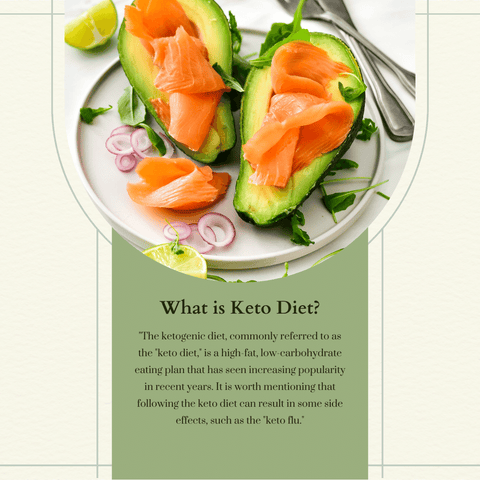
Credit: www.clinikally.com
Frequently Asked Questions
What Is Ketosis And How Does It Work?
Ketosis is a metabolic state where the body burns fat for energy. It occurs when carbohydrate intake is low. This process produces ketones, which the body uses as an alternative fuel. Achieving ketosis can help with weight loss and improved energy levels.
How Can I Quickly Enter Ketosis?
To quickly enter ketosis, reduce your carb intake significantly. Aim for less than 50 grams per day. Increase your healthy fat consumption and moderate your protein intake. Regular exercise and intermittent fasting can also help speed up the process. Always consult with a healthcare professional before making significant dietary changes.
What Foods Boost Ketosis Effectively?
Foods that boost ketosis include avocados, nuts, seeds, and fatty fish. Olive oil, coconut oil, and butter are also great choices. Leafy greens and non-starchy vegetables are low in carbs and high in nutrients. Incorporating these foods can help maintain and enhance ketosis.
How Does Exercise Impact Ketosis?
Exercise can enhance ketosis by depleting glycogen stores. This encourages the body to produce more ketones for energy. Both high-intensity and low-intensity workouts can be beneficial. Regular physical activity helps improve metabolic flexibility and accelerates fat burning.
Conclusion
Boosting ketosis takes focus and smart choices every day. Eat low-carb foods and healthy fats to stay in ketosis. Drink plenty of water to help your body work well. Exercise helps burn fat and supports ketosis naturally. Rest and manage stress to keep your energy balanced.
Small changes add up to big results over time. Stay patient and consistent with your habits. Your body will adapt and use fat for fuel. Keep these tips in mind to support your ketosis journey.


