

If you want to build stronger chest muscles and improve your upper body strength, learning how to bench dumbbells is a game-changer. Using dumbbells instead of a barbell gives you more control, helps fix muscle imbalances, and lets you work your muscles through a fuller range of motion.
But if you’re not sure how to do it right, you could miss out on gains or risk injury. You’ll discover simple, step-by-step tips to master the dumbbell bench press safely and effectively. Keep reading, and you’ll soon be lifting with confidence and seeing real results.
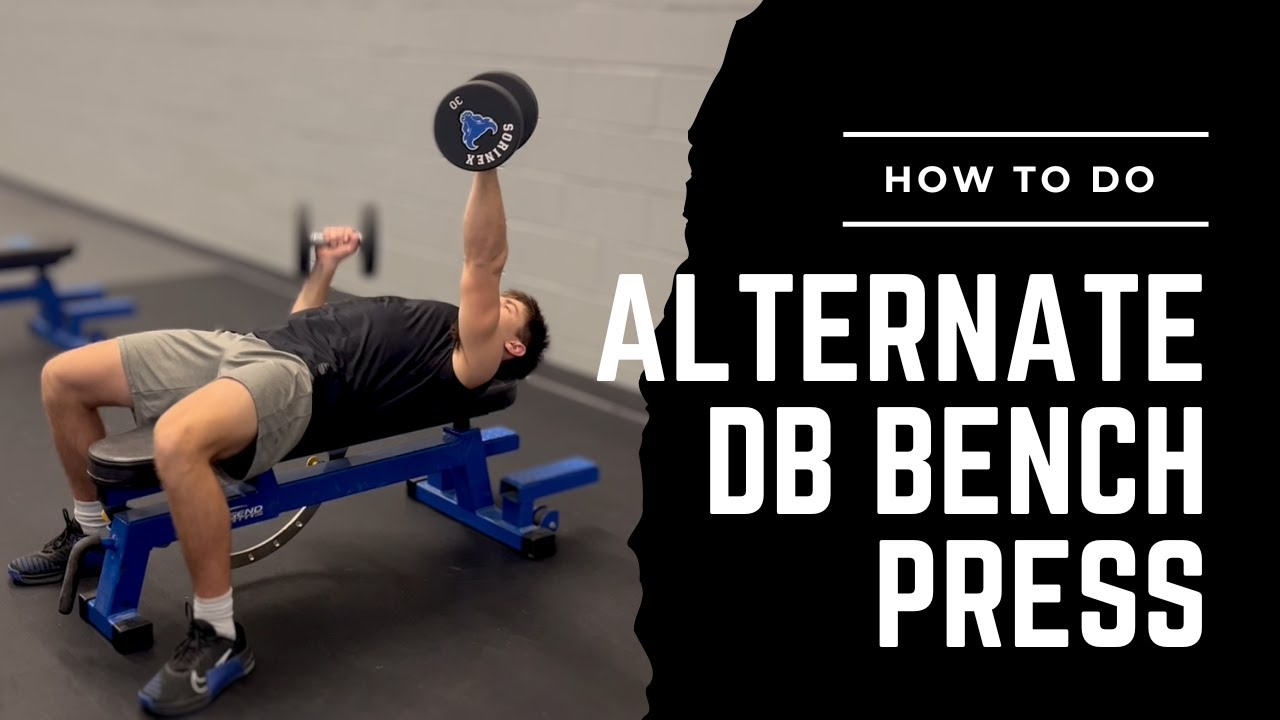
Credit: www.youtube.com
Benefits Of Dumbbell Bench Press
The dumbbell bench press is a popular exercise for building upper body strength. It targets the chest, shoulders, and triceps muscles.
This exercise helps improve muscle control and balance. Using dumbbells allows more natural movement than a barbell.
Muscle Activation And Growth
Dumbbell bench press activates more muscle fibers than using a barbell. Each arm works independently, increasing effort.
This leads to better muscle growth and strength gains. It challenges stabilizer muscles around the shoulders and chest.
- Greater muscle fiber engagement
- Improved strength development
- Better activation of stabilizer muscles
Improved Range Of Motion
Dumbbells allow your arms to move freely. This creates a larger range of motion compared to a fixed barbell.
A wider range of motion helps stretch and contract muscles more. This can improve muscle flexibility and strength.
- More natural arm movement
- Increased muscle stretch
- Better muscle contraction
Balanced Muscle Development
Using dumbbells forces both sides of your body to work equally. This helps fix muscle imbalances and weaknesses.
Balanced muscle development reduces injury risk and improves overall strength. It also enhances muscle symmetry.
- Equal work for both arms
- Fixes muscle imbalances
- Improves muscle symmetry

Credit: dumbbellsdirect.com
Choosing The Right Dumbbells
Selecting the perfect dumbbells can enhance your workout experience. It’s important to understand your needs and preferences.
Consider factors like weight, type, and adjustability to make the best choice for your fitness routine.
Weight Selection Tips
Choosing the right weight is crucial for effective workouts. Start with lighter weights if you’re a beginner.
Gradually increase weight as your strength improves. This helps in preventing injuries.
- Test different weights at the store
- Opt for weights you can lift with good form
- Increase weight by small increments
Types Of Dumbbells
Dumbbells come in various types to suit different needs. Knowing their differences can help you decide.
Common types include hex, round, and studio dumbbells. Each type offers unique benefits.
- Hex dumbbells are stable and don’t roll
- Round dumbbells are good for rolling exercises
- Studio dumbbells are coated for comfort
Adjustable Vs Fixed
Adjustable dumbbells let you change the weight easily. They save space and are cost-effective.
Fixed dumbbells are durable and require no adjustments. They are great for quick workouts.
| Adjustable | Space-saving, versatile |
| Fixed | Sturdy, no setup needed |
Setting Up Your Bench And Body
Proper setup helps you lift safely and effectively with dumbbells. Setting your bench and body correctly improves your form and reduces injury risk.
Focus on three key areas: bench positioning, body alignment, and foot placement. Each part supports your strength and balance during the exercise.
Bench Positioning
Place the bench on a flat, stable surface. Make sure it does not wobble or move during your lift.
Adjust the bench to a flat or slightly inclined angle. This helps target different chest muscles and fits your workout goals.
- Keep the bench steady and secure
- Use a flat or 15-30 degree incline
- Check the bench height fits your arm length
Body Alignment
Lie back so your eyes are under the dumbbells. This position lets you lift straight up without strain.
Keep your back flat against the bench. Maintain a natural arch in your lower back to protect your spine.
- Head, shoulders, and hips aligned on the bench
- Chest lifted slightly up
- Do not let your back flatten completely
Foot Placement
Place your feet flat on the floor. Your legs should create a stable base to push from.
Keep feet about shoulder-width apart. This stance helps balance and supports your lower body during lifts.
- Feet flat and firm on the ground
- Feet shoulder-width apart
- Keep knees bent at about 90 degrees

Credit: uk.style.yahoo.com
Step-by-step Dumbbell Bench Press
The dumbbell bench press is a great exercise to build chest strength. It also works your shoulders and triceps. Using dumbbells allows a natural range of motion.
Follow these steps to perform the dumbbell bench press safely and effectively.
Starting Position
Lie back on a flat bench with a dumbbell in each hand. Keep your feet flat on the floor for balance. Hold the dumbbells above your chest with your arms fully extended.
Make sure your palms face forward and your wrists stay straight. Keep your shoulder blades pressed against the bench.
Lowering The Dumbbells
Slowly bend your elbows to lower the dumbbells down to your chest. Keep your elbows at about a 45-degree angle from your body. Lower the weights until your elbows are just below the bench level.
Control the movement to avoid dropping the dumbbells too fast. This helps prevent injury and works your muscles better.
Pressing Upwards
Push the dumbbells up by straightening your arms. Use your chest muscles to drive the motion. Press until your arms are fully extended but not locked.
Keep your wrists steady and avoid letting the dumbbells touch at the top. This keeps tension on the muscles.
Breathing Technique
Inhale deeply as you lower the dumbbells to your chest. This fills your lungs and stabilizes your body. Exhale forcefully as you press the dumbbells upwards.
Keep your breathing steady and controlled to maintain strength and focus during the exercise.
Common Mistakes To Avoid
Bench pressing dumbbells is a great exercise for strength. Doing it wrong can cause injury or stop progress.
Knowing common mistakes helps you keep safe and get better results from your workouts.
Overarching The Back
Arching your back too much puts strain on your spine. It also takes tension away from your chest muscles.
Keep your back flat on the bench with a natural curve in your lower back. Press your feet into the floor for support.
- Do not lift your lower back off the bench
- Keep your shoulders and hips stable
- Use your legs for balance, not to arch your back
Flared Elbows
Letting your elbows flare out wide can hurt your shoulder joints. It also reduces the power of your press.
Keep your elbows at about a 45-degree angle to your body. This position protects your shoulders and works your chest better.
- Do not let elbows point directly sideways
- Keep elbows close but not pressed against your body
- Control the dumbbells smoothly during the lift
Uneven Pressing
Pushing one dumbbell harder than the other causes uneven muscle development. It can also lead to injury.
Focus on lifting both dumbbells equally. Use a weight you can control easily on both sides.
- Start with lighter weights to balance the lift
- Watch your form in a mirror to spot uneven movement
- Pause briefly at the top to ensure both arms are steady
Variations For Advanced Gains
Using different dumbbell bench press variations helps build strength. These exercises target muscles in unique ways.
Try these variations to challenge your chest and improve muscle growth.
Incline Dumbbell Bench Press
The incline dumbbell bench press focuses on the upper chest muscles. Set the bench at a 30 to 45-degree angle.
Press the dumbbells up while keeping your elbows slightly bent. This helps build a fuller chest shape.
- Adjust bench to a 30–45 degree incline
- Keep feet flat on the floor
- Lower dumbbells slowly to chest level
- Press dumbbells up with control
Decline Dumbbell Bench Press
The decline dumbbell bench press targets the lower chest muscles. Set the bench to a decline position of about 15 to 30 degrees.
This variation helps add thickness to the lower part of your chest. Keep your back and hips tight during the movement.
- Set bench to 15–30 degrees decline
- Maintain tight core and back contact
- Lower dumbbells to lower chest carefully
- Press dumbbells up evenly
Single-arm Dumbbell Press
The single-arm dumbbell press works each side of your chest separately. It improves muscle balance and core stability.
Press one dumbbell up while keeping your body steady. Switch arms after each set for equal strength development.
- Lie flat on the bench with one dumbbell
- Keep opposite arm resting or extended for balance
- Press dumbbell up slowly and lower with control
- Switch arms to train both sides equally
Incorporating Dumbbell Bench Press In Workout
The dumbbell bench press is a great exercise for chest strength and muscle growth. It helps improve balance and works muscles on each side equally.
You can add this exercise to your workout routine to build upper body power and size. It fits well with other chest and arm exercises.
Reps And Sets For Strength
For strength, use heavier dumbbells with fewer reps. Focus on good form and controlled movements.
Perform 3 to 5 sets with 3 to 6 reps each. Rest longer between sets to recover fully.
- 3 to 5 sets per workout
- 3 to 6 reps per set
- Rest 2 to 3 minutes between sets
Reps And Sets For Hypertrophy
To build muscle size, use moderate weights with more reps. Keep your muscles under tension longer.
Do 3 to 4 sets of 8 to 12 reps. Keep rest times shorter to increase workout intensity.
- 3 to 4 sets per workout
- 8 to 12 reps per set
- Rest 30 to 90 seconds between sets
Rest And Recovery
Rest is important to let your muscles heal and grow. Avoid working the same muscle group every day.
Take at least one day off between dumbbell bench press sessions. Sleep well and eat enough protein.
- Rest 48 hours before training chest again
- Get 7 to 9 hours of sleep each night
- Eat protein to support muscle repair
Safety Tips And Spotting
Using dumbbells for bench pressing can build strength effectively. Safety is very important to avoid injuries. Knowing how to spot and handle dumbbells helps keep you safe.
This guide covers key safety tips and how to spot properly. Follow these steps to have a safe and strong workout.
Warm-up Importance
Warming up prepares your muscles for exercise. It reduces the chance of injury and helps you lift better. Always spend 5 to 10 minutes warming up.
Simple warm-ups like arm circles and light dumbbell presses get your blood flowing. Warm muscles are less likely to get strained during your bench press.
Using A Spotter
A spotter watches you while you lift. They help if you lose control of the dumbbells. A spotter can prevent accidents and injuries.
Ask your spotter to stay close and ready to help. They should watch your form and be alert throughout the exercise.
- Communicate your plan with the spotter before starting
- Spotter should stand behind the bench for support
- Spotter assists with lifting dumbbells off and on the rack
- Spotter helps if you struggle to lift the weights safely
Handling Dumbbells Safely
Hold the dumbbells firmly and control your movement. Avoid jerky or fast motions that can cause injury. Keep your wrists straight and aligned with your forearms.
Lower dumbbells slowly to avoid sudden strain. Do not lift weights that are too heavy for you. Use a bench with a stable surface to prevent slipping.
- Check dumbbells for damage before use
- Use a weight you can control safely
- Keep your back flat on the bench during lifts
- Lift and lower the dumbbells with smooth, steady motions
Frequently Asked Questions
How Do I Properly Grip Dumbbells For Bench Pressing?
Grip the dumbbells firmly with a neutral wrist position. Keep your thumbs wrapped around the handles for safety. This ensures control and reduces strain on your wrists during the bench press.
What Is The Correct Bench Dumbbell Press Form?
Lie flat on a bench with feet planted. Lower dumbbells slowly to chest level. Press upward until arms are fully extended. Maintain control and avoid locking elbows to prevent injury.
How Many Sets And Reps Should I Do?
Start with 3 sets of 8-12 reps for muscle growth. Adjust weights to challenge yourself without compromising form. Rest 60-90 seconds between sets for optimal recovery.
Can Bench Dumbbells Improve Muscle Symmetry?
Yes, dumbbells require each arm to work independently. This corrects strength imbalances and promotes balanced muscle development. It also engages stabilizer muscles for better coordination.
Conclusion
Bench dumbbells safely to protect your muscles and joints. Start with light weights and focus on proper form. Slowly increase weight as you get stronger. Keep your movements steady and controlled. Rest well between sets to help recovery. Consistency matters more than heavy lifting.
Use this guide to build strength and confidence. Enjoy the process and stay patient with progress. Your muscles will thank you for the care. Keep practicing, and results will come.


