

Are you wondering how much whey protein you should take to get the best results? Whether you want to build muscle, lose weight, or simply stay healthy, getting the right amount is key.
Taking too little might not give you the benefits you want, while too much could waste your money or even cause problems. You’ll discover the simple, practical guide to finding the perfect whey protein dose for your body and goals.
Keep reading, and you’ll never have to guess again!
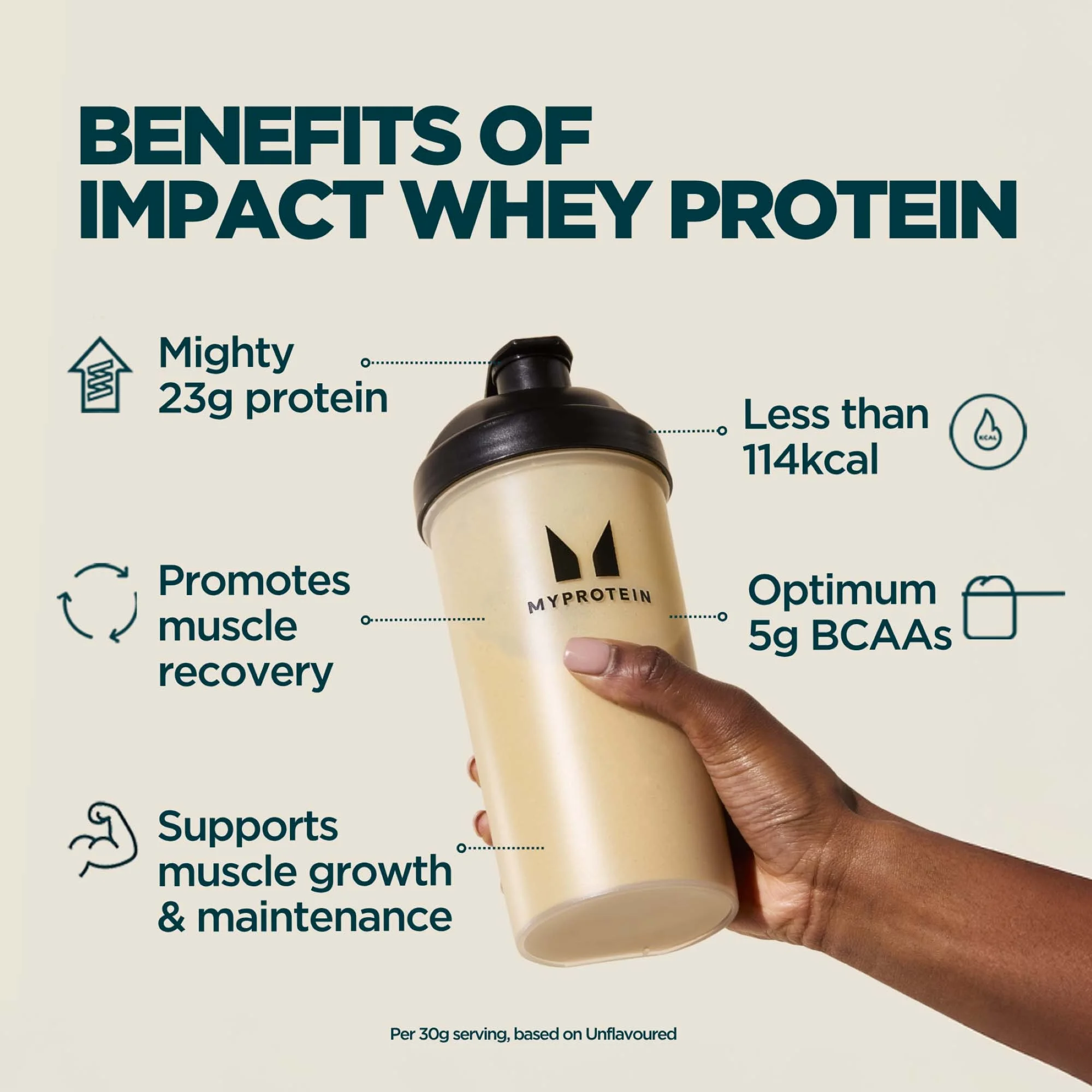
Credit: www.myprotein.com
Benefits Of Whey Protein
Whey protein is a popular supplement for fitness enthusiasts. It offers several health benefits.
Understanding how much whey protein to take can enhance its effects. Let’s explore its benefits.
Muscle Growth And Recovery
Whey protein helps build muscles. It is rich in essential amino acids.
These amino acids repair muscles after exercise. This leads to faster recovery.
- Supports muscle repair
- Boosts muscle growth
- Speeds up recovery time
Weight Management
Whey protein can help control weight. It makes you feel full longer.
This can reduce the urge to snack. It supports healthy eating habits.
- Increases satiety
- Reduces hunger
- Supports calorie control
Immune Support
Whey protein boosts the immune system. It contains antioxidants like glutathione.
These antioxidants protect cells from damage. They strengthen your body’s defenses.
- Enhances immune function
- Protects against oxidative stress
- Supports overall health
Factors Influencing Whey Protein Intake
Whey protein is popular for building muscle and recovery. The amount you need depends on several factors.
Knowing these factors helps you take the right amount for your body and goals.
Body Weight And Composition
Your body weight affects how much whey protein you should take. Heavier people may need more protein.
Muscle mass also matters. People with more muscle need more protein to maintain and grow it.
- Protein needs are often measured per kilogram of body weight
- More muscle means higher protein requirements
- Body fat percentage can influence protein needs slightly
Activity Level
Active people need more protein than those who are less active. Exercise breaks down muscle, which protein helps repair.
Strength training and endurance sports increase protein needs to support recovery and growth.
- Low activity: less protein needed
- Regular exercise: moderate protein intake
- Intense training: higher protein intake
Age And Gender
Age influences protein needs because muscle mass changes over time. Older adults may need more protein to prevent muscle loss.
Men often need more protein than women due to larger muscle mass and different hormone levels.
- Older adults: increased protein for muscle health
- Men: generally higher protein needs
- Women: protein needs vary with body size and activity
Dietary Needs
Your overall diet affects how much whey protein you should take. If you eat enough protein from food, you need less whey.
Vegetarians and vegans might use whey protein to meet protein goals, but total intake depends on all food sources.
- High protein diets may need less whey supplement
- Low protein diets may benefit from more whey
- Diet balance affects protein absorption and use
Recommended Whey Protein Dosage
Whey protein is popular for supporting muscle growth and recovery. Knowing the right amount to take helps you reach your goals safely.
Dosage depends on your activity level and fitness aims. This guide covers general advice and specific needs.
General Guidelines
Most adults can safely consume 20 to 30 grams of whey protein per serving. Taking it once or twice daily is common.
Spread your intake across the day to help muscle repair and avoid waste. Drink plenty of water with protein.
- 20-30 grams per serving
- 1-2 servings daily
- Use after workouts or as a snack
Dosage For Muscle Gain
To build muscle, consume 1.2 to 2.0 grams of protein per kilogram of body weight daily. Whey protein helps reach this target.
Take whey protein after exercise to support muscle repair. Combine it with a balanced diet for best results.
- 1.2-2.0 g protein per kg body weight each day
- 20-40 grams whey protein post-workout
- Split intake into 3-4 meals daily
Dosage For Weight Loss
Protein helps you feel full and preserves muscle during weight loss. Aim for 1.2 to 1.5 grams per kilogram of body weight daily.
Use whey protein as a meal replacement or snack. Avoid taking too much to prevent extra calories.
- 1.2-1.5 g protein per kg body weight daily
- 20-30 grams whey protein per serving
- Replace one meal or snack with whey protein
Dosage For Endurance Training
Endurance athletes need protein for muscle repair and energy. Consume 1.0 to 1.6 grams of protein per kilogram daily.
Whey protein is best after long or intense workouts. It helps replenish muscles quickly.
- 1.0-1.6 g protein per kg body weight daily
- 20-30 grams whey protein after exercise
- Combine with carbohydrates for recovery

Credit: minimonutrition.com
Timing For Whey Protein Consumption
Whey protein helps build muscle and recover faster. Knowing when to take it can improve your results.
The timing of whey protein depends on your workout and daily routine. This guide covers the best times to take it.
Pre-workout
Taking whey protein before exercise provides your muscles with amino acids. This can reduce muscle breakdown during workouts.
Try to consume whey protein about 30 to 60 minutes before your workout. This gives your body time to digest and use it.
- Mix whey protein with water or milk
- Eat a small snack if you feel hungry
- Avoid heavy meals right before training
Post-workout
After exercise, your muscles need protein to recover and grow. Whey protein is fast to digest and helps repair muscle fibers.
Consume whey protein within 30 minutes after your workout. This timing supports muscle recovery and strength gains.
- Drink a whey protein shake after training
- Combine protein with carbs for better recovery
- Stay hydrated to help nutrient absorption
Throughout The Day
Whey protein can also be used between meals. This helps maintain muscle protein levels during the day.
Use whey protein as a snack or meal supplement to meet your daily protein needs. Spread intake evenly to support muscle growth.
- Have whey protein mid-morning or mid-afternoon
- Use whey to boost protein in light meals
- Avoid taking too much protein at once
Potential Side Effects And Risks
Whey protein is popular for building muscle and recovery. Taking too much or using it wrong can cause problems.
It is important to know the possible side effects before adding whey protein to your diet. This helps you stay safe and healthy.
Digestive Issues
Some people may feel stomach pain, bloating, or gas after taking whey protein. This happens if their body struggles to digest it.
These issues often occur when someone takes too much whey protein or has lactose intolerance.
- Stomach cramps
- Bloating
- Gas and flatulence
- Diarrhea
Allergies And Intolerances
Whey protein comes from milk and can cause allergies in some people. Symptoms may include itching, swelling, or rashes.
People with milk allergies should avoid whey protein or choose other protein sources. Lactose intolerance can also cause discomfort.
- Skin rash or itching
- Swelling of lips or throat
- Wheezing or breathing trouble
- Stomach upset from lactose
Excess Protein Concerns
Taking more whey protein than the body needs can stress the kidneys and liver. It may also cause dehydration and nutrient imbalance.
Adults usually need about 0.8 to 1 gram of protein per kilogram of body weight. Consuming too much protein over time can lead to health issues.
- Kidney strain
- Liver stress
- Dehydration
- Possible nutrient gaps

Credit: www.animalpak.com
Choosing The Right Whey Protein Product
Whey protein is a popular supplement for muscle growth and recovery. Picking the right product helps you get the best results.
Different whey types and ingredients affect how your body uses the protein. Learn about key factors before buying.
Whey Concentrate Vs Isolate Vs Hydrolysate
Whey concentrate has more fats and carbs but costs less. It is good for general use.
Whey isolate has more protein and less fat. It suits people who want low carbs.
Whey hydrolysate breaks down protein for faster absorption. It may help with digestion.
- Concentrate: 70-80% protein, some fats and carbs
- Isolate: 90%+ protein, very low fats and carbs
- Hydrolysate: Pre-digested protein for quick use
Flavor And Additives
Flavors make protein shakes taste better. Choose natural or mild flavors if you want fewer chemicals.
Additives can include sweeteners, thickeners, and preservatives. Check labels for unwanted ingredients.
- Natural flavors usually have fewer chemicals
- Artificial sweeteners may cause digestive issues
- Look for no added sugar if you want fewer carbs
Third-party Testing
Third-party testing checks product quality and safety. It confirms the protein amount and purity.
Choose whey with a certification seal from a trusted lab. It helps avoid contamination and false claims.
- Look for certifications like NSF or Informed-Choice
- Tests check for heavy metals and banned substances
- Certified products have accurate nutrition labels
Combining Whey Protein With Other Nutrients
Whey protein is a popular supplement for building muscle and recovering after workouts. Taking it with other nutrients can improve its effects. Understanding which nutrients to combine helps you get better results.
This guide explains how carbohydrates, fats, and other supplements work with whey protein. You will learn how to mix them for better recovery and absorption.
Carbohydrates For Recovery
Carbohydrates help refill energy stores after exercise. Eating carbs with whey protein speeds up muscle recovery. Carbs cause insulin to rise, which helps protein enter muscle cells.
Good carb options include fruits, rice, and oats. Try to eat carbs and whey protein within 30 minutes after your workout.
- Fruits like bananas and berries
- Whole grains like rice and oats
- Vegetables like sweet potatoes
Fats And Protein Absorption
Fats slow down digestion and absorption of protein. This can help keep amino acids in your blood longer. A small amount of healthy fat with whey protein is good for steady muscle repair.
Use sources like nuts, seeds, or avocado. Avoid large amounts of fat right after workouts to not delay recovery.
- Almonds and walnuts
- Chia seeds and flaxseeds
- Avocado slices
Supplements To Enhance Results
Some supplements work well with whey protein to boost muscle growth. Creatine helps increase strength and power. BCAAs (branched-chain amino acids) support muscle repair.
Taking vitamin D and omega-3s also supports muscle health and reduces inflammation.
- Creatine for strength
- BCAAs for muscle repair
- Vitamin D for bone and muscle health
- Omega-3 fatty acids to reduce inflammation
Common Myths About Whey Protein
Whey protein is a popular supplement for many people. It helps with muscle growth and recovery. Many myths about whey protein confuse people. These myths can stop people from using it the right way.
Let’s clear up some common myths about whey protein. Knowing the facts helps you use whey protein safely and effectively.
Whey Protein Causes Weight Gain
Some people think whey protein makes you gain fat. Whey protein itself does not cause fat gain. Weight gain happens if you eat more calories than you burn. Whey protein adds extra calories if you take too much.
Using whey protein properly helps build muscle and recover faster. It does not automatically lead to fat gain.
Whey Protein Is Only For Bodybuilders
Many think whey protein is just for bodybuilders. This is not true. Whey protein helps anyone who needs more protein. It supports muscle repair, weight loss, and overall health.
People of all ages and fitness levels can benefit from whey protein. It is a convenient way to meet daily protein needs.
More Protein Means Better Results
Taking a lot of protein does not give better results. Your body can use only a certain amount at a time. Extra protein may be stored as fat or wasted.
It is best to take the right amount of protein for your body and goals. Balance protein with other nutrients for good health.
Frequently Asked Questions
How Much Whey Protein Should I Take Daily?
The daily whey protein intake varies by body weight and goals. Generally, 20-30 grams per serving, 1-3 times a day, is effective. Adjust based on your protein needs, activity level, and diet.
When Is The Best Time To Take Whey Protein?
The best times are post-workout and between meals. Post-workout intake helps muscle recovery. Between meals, it prevents muscle breakdown and supports muscle growth.
Can I Take Too Much Whey Protein?
Yes, excessive whey protein may strain kidneys and cause digestive issues. Stick to recommended amounts to avoid side effects and maintain balanced nutrition.
Is Whey Protein Suitable For Weight Loss?
Yes, whey protein aids weight loss by promoting fullness and preserving muscle. It supports metabolism and helps reduce calorie intake when used properly.
Conclusion
Whey protein helps build muscle and recover faster. Most adults benefit from 20 to 30 grams per serving. Timing matters—consume it after workouts for best results. Avoid taking too much; your body can only use so much protein. Listen to your body and adjust based on how you feel.
Pair whey with a balanced diet and regular exercise. Stay consistent and patient to see good progress. Simple steps make a big difference in reaching your fitness goals.


