

Have you ever wondered how much of the multivitamin you take actually gets absorbed by your body? You pop that pill daily, hoping it fills the nutritional gaps, but is your body really soaking up all those vitamins and minerals?
Understanding how much your body absorbs can change the way you approach supplements and boost your health in ways you might not expect. Keep reading to discover the surprising facts about multivitamin absorption and how you can make every dose count for your well-being.
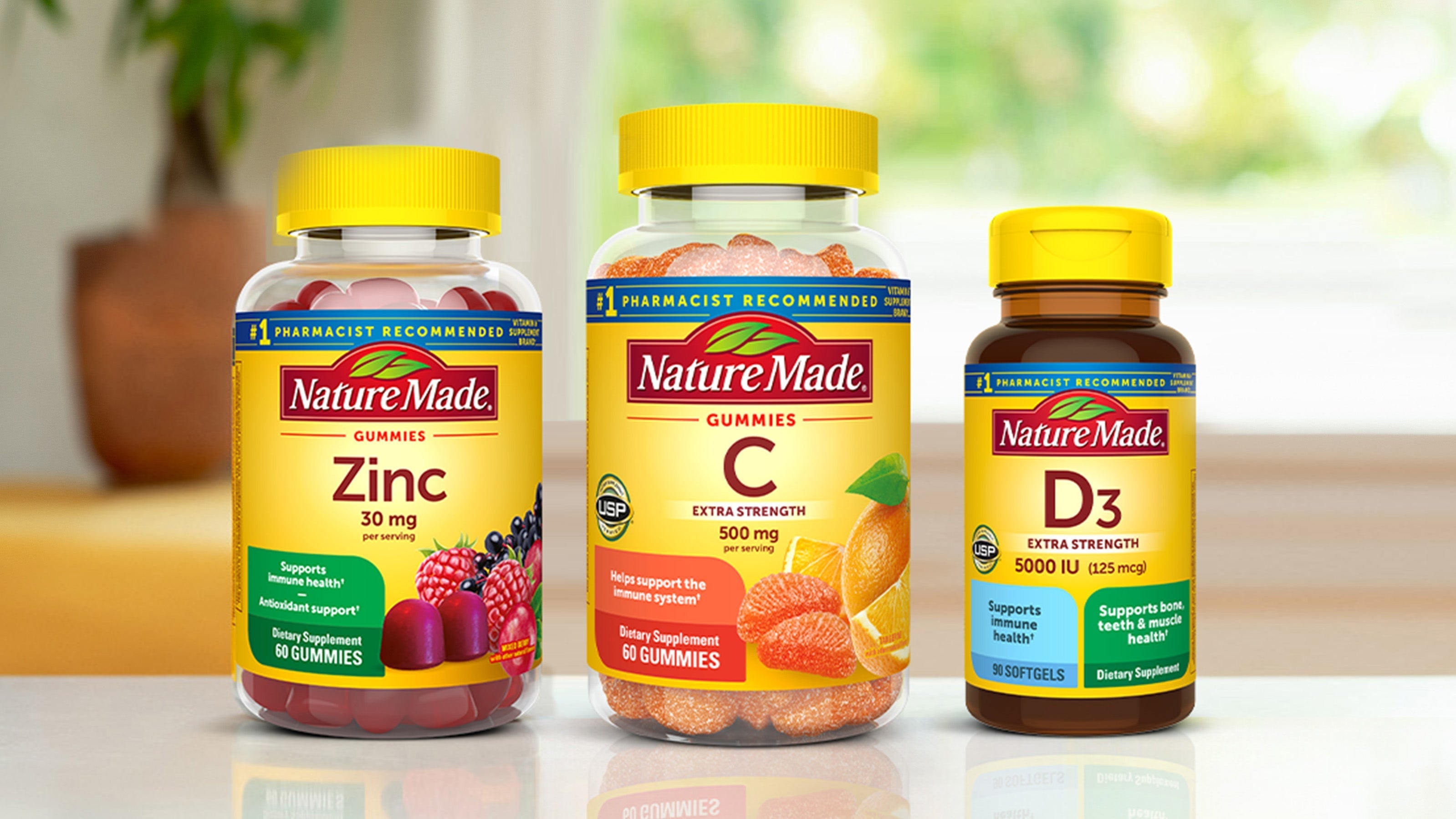
Credit: www.naturemade.com
Multivitamin Absorption Basics
Taking a multivitamin does not mean your body absorbs all the nutrients. Absorption depends on many things.
Your digestive system breaks down the vitamins so your body can use them. Some vitamins absorb better than others.
Factors Affecting Absorption
Your body’s ability to absorb vitamins changes based on several factors. These can help or limit absorption.
- Age affects how well nutrients are absorbed.
- Stomach acid helps break down vitamins for absorption.
- Some medicines can reduce vitamin absorption.
- Eating fat helps absorb fat-soluble vitamins like A, D, E, and K.
- Digestive problems can lower absorption rates.
- Vitamin form affects how easily the body absorbs it.
Types Of Multivitamins
Multivitamins come in many forms. Each type has different absorption rates.
- Tablets are common but may absorb slower.
- Capsules dissolve faster and may absorb better.
- Liquid vitamins can absorb quickly in the stomach.
- Gummies taste good but may have less vitamin content.
- Powders mix with water and can absorb well if taken properly.
Role Of The Digestive System
The digestive system breaks down food and supplements into smaller parts. This process helps the body absorb vitamins and minerals.
Multivitamins must pass through the digestive system to reach the bloodstream. The amount absorbed depends on how well the digestive organs work.
Stomach’s Impact
The stomach uses acid to break down multivitamin tablets or capsules. This helps release the nutrients inside.
Stomach acid also activates some vitamins, like B12. Without enough acid, absorption can be lower.
- Acid breaks down supplement coating
- Helps release vitamins and minerals
- Activates certain vitamins for absorption
- Too little acid reduces vitamin release
Small Intestine Absorption
The small intestine is the main place for vitamin absorption. Its walls have tiny finger-like structures called villi.
Villi increase surface area. This helps vitamins pass from the intestine into the blood.
- Villi absorb vitamins and minerals
- Different vitamins absorb in different parts
- Fat-soluble vitamins need bile for absorption
- Health of the intestine affects absorption levels
Vitamin-specific Absorption Rates
Not all vitamins are absorbed by the body at the same rate. Different vitamins have unique ways of entering the bloodstream. Knowing these rates helps understand how much benefit the body gets from supplements.
Absorption depends on factors like vitamin type, food intake, and the body’s needs. This guide breaks down absorption for water-soluble and fat-soluble vitamins.
Water-soluble Vitamins
Water-soluble vitamins include vitamin C and all B vitamins. The body absorbs these vitamins quickly but does not store them well. Excess amounts usually leave the body through urine.
The absorption rate for water-soluble vitamins ranges from 50% to 90%. For example, vitamin C absorption is about 70% to 90% at low doses. At higher doses, absorption decreases.
- Vitamin B12 absorption is complex and needs a protein called intrinsic factor.
- Folate absorption is around 50% to 60% from food and supplements.
- Vitamin C absorption drops if taken in very large amounts.
Fat-soluble Vitamins
Fat-soluble vitamins include vitamins A, D, E, and K. These need dietary fat to be absorbed properly. The body stores these vitamins in fat tissues and the liver.
Absorption rates for fat-soluble vitamins vary but are usually between 40% and 90%. This depends on the amount of fat eaten with the vitamin and individual digestion.
| Vitamin | Typical Absorption Rate | Notes |
|---|---|---|
| Vitamin A | 70% – 90% | Needs fat in diet for best absorption |
| Vitamin D | 50% – 80% | Fat intake helps absorption |
| Vitamin E | 20% – 70% | Lower absorption without fat |
| Vitamin K | 40% – 90% | Depends on fat and gut health |
Influence Of Diet And Timing
Our body does not absorb all the vitamins from a multivitamin pill. The amount absorbed depends on what we eat and when we take the pill.
Understanding these factors helps improve vitamin absorption and benefits health.
Effect Of Food Intake
Taking multivitamins with food helps the body absorb fat-soluble vitamins like A, D, E, and K. These vitamins need fat to dissolve properly.
Some vitamins, like vitamin C and B-complex, absorb well without food. But some minerals may cause stomach upset if taken on an empty stomach.
- Fat in food boosts absorption of fat-soluble vitamins
- Water-soluble vitamins absorb well with or without food
- Taking multivitamins with food reduces stomach discomfort
Best Time To Take Multivitamins
The body absorbs multivitamins best when taken with a meal. Morning or noon with food is ideal for most people.
Taking multivitamins at night on an empty stomach may reduce absorption. Some vitamins can also cause mild sleep disturbances.
- Take multivitamins with breakfast or lunch
- Avoid taking vitamins on an empty stomach
- Consistent timing helps maintain steady vitamin levels
Common Absorption Challenges
Taking a multivitamin does not mean all nutrients enter your body. Absorption varies for each person and vitamin. Several factors make it hard for your body to absorb vitamins fully.
Understanding these challenges helps you know why some vitamins do not work as expected. It can guide better choices for your health.
Interactions With Medications
Some medicines change how your body absorbs vitamins. They can lower the amount of vitamins your body takes in or block their effects.
Common medicines that affect vitamin absorption include:
- Antacids reduce stomach acid, lowering vitamin B12 absorption
- Blood thinners like warfarin interact with vitamin K
- Diuretics increase loss of water-soluble vitamins like B and C
- Cholesterol-lowering drugs lower absorption of fat-soluble vitamins A, D, E, and K
Health Conditions Affecting Absorption
Some health problems reduce how well your body absorbs vitamins from food or supplements. These conditions affect the gut or digestion process.
Common health issues include:
- Celiac disease damages the small intestine, lowering nutrient absorption
- Crohn’s disease causes inflammation that blocks vitamin uptake
- Liver or kidney disease changes how vitamins are processed
- Low stomach acid reduces absorption of some vitamins

Credit: www.pcosnutrition.com
Improving Multivitamin Absorption
Taking a multivitamin does not guarantee your body will use all the nutrients. Absorption depends on many factors. Learning how to improve uptake helps your body get the most from supplements.
Some vitamins need special conditions to absorb well. Others may compete with each other. Knowing these details can improve how much your body benefits.
Choosing The Right Formulation
Not all multivitamins are made the same. Some forms of vitamins absorb better than others. For example, methylated B vitamins absorb better than regular ones.
Look for multivitamins that use forms your body can easily absorb. Also, check if the supplement includes cofactors like minerals that help vitamin uptake.
- Choose methylated B vitamins for better absorption
- Pick chelated minerals like magnesium glycinate
- Avoid unnecessary fillers that may reduce uptake
- Check for added enzymes or cofactors
Lifestyle Tips For Better Uptake
Your habits affect how your body absorbs vitamins. Taking multivitamins with food helps many nutrients absorb better. Fat-soluble vitamins need some fat in your meal.
Stay hydrated and avoid drinking too much caffeine or alcohol. These can reduce vitamin absorption. Regular exercise and good digestion also improve nutrient uptake.
- Take vitamins with meals containing healthy fats
- Drink plenty of water daily
- Limit caffeine and alcohol intake
- Exercise regularly to support digestion
- Eat fiber-rich foods to help vitamin absorption
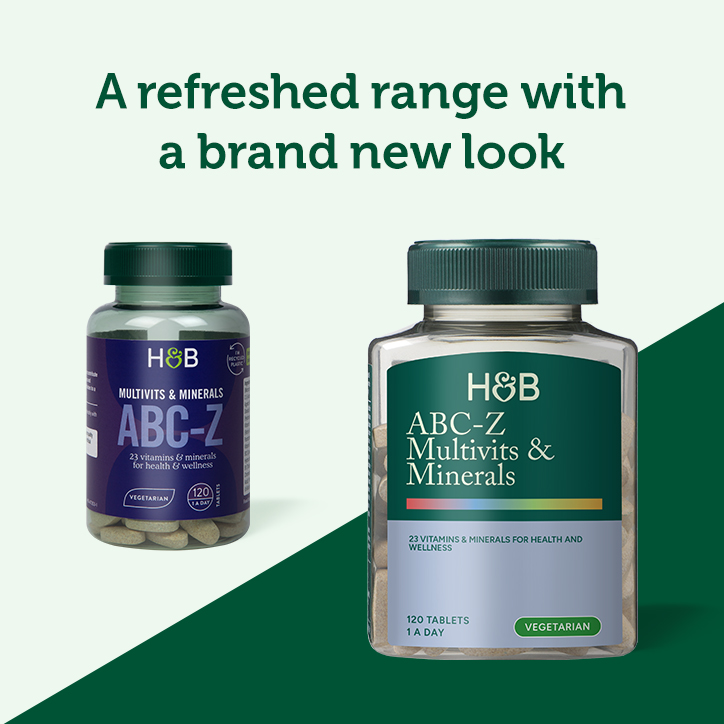
Credit: www.hollandandbarrett.com
Frequently Asked Questions
How Much Multivitamin Is Absorbed By The Body?
The body absorbs around 10-90% of a multivitamin, depending on various factors. Factors include the form of the vitamin, individual health, and the presence of food. Liquid forms often have higher absorption rates compared to pills. Always consult a healthcare provider for personalized advice.
Do All Multivitamins Get Fully Absorbed?
No, not all multivitamins are fully absorbed by the body. Absorption rates vary based on factors like bioavailability, diet, and individual health. Some nutrients in multivitamins may interact, affecting absorption. It’s important to choose high-quality supplements for better absorption and consult healthcare professionals for guidance.
What Factors Affect Multivitamin Absorption?
Factors affecting multivitamin absorption include the form of the vitamin, individual health, and dietary habits. Liquid forms and those taken with food tend to absorb better. Certain health conditions or medications can also impact absorption rates. Consulting with a healthcare provider can provide insights tailored to your needs.
Is Liquid Multivitamin Absorption Better Than Pills?
Yes, liquid multivitamins generally have better absorption rates than pills. This is because liquids can be more easily broken down and absorbed by the body. However, individual health and dietary habits also play a role. Always consult a healthcare professional to determine the best form for your needs.
Conclusion
Absorbing multivitamins depends on many factors in your body. Your diet, health, and the type of vitamin affect absorption rates. Taking too many vitamins does not mean your body uses more. Balance and moderation matter most for better results. Drink enough water and eat healthy foods to help vitamins work well.
Remember, supplements support but do not replace good nutrition. Pay attention to how your body feels and adjust as needed. Stay consistent, and your body will benefit over time.


