
If you’re serious about building muscle or improving your workout recovery, knowing how much leucine is in your whey protein can make a big difference. Leucine is a key amino acid that helps kickstart muscle growth and repair.
But not all whey proteins are created equal, and the amount of leucine they contain can vary. Understanding this simple fact can help you choose the best protein supplement for your goals. Keep reading to discover why leucine matters, how much you really need, and how to spot the best whey protein for your gains.
Leucine’s Role In Muscle Growth
Leucine is an important amino acid found in whey protein. It helps muscles grow and repair after exercise.
Understanding how much leucine is in whey protein can aid muscle development. It plays a key role in protein synthesis.
Leucine And Protein Synthesis
Protein synthesis is the process that builds muscle. Leucine signals the body to start this process.
Whey protein is high in leucine. This makes it a popular choice for athletes and bodybuilders.
- Leucine starts muscle protein synthesis
- Whey protein has about 10% leucine content
- Regular intake helps maintain muscle mass
Impact On Muscle Recovery
After exercise, muscles need to recover. Leucine speeds up this recovery process by repairing tissues.
Whey protein with leucine helps reduce muscle soreness. It aids in quicker recovery, making it easier to train regularly.
- Leucine reduces muscle damage
- Faster recovery means better performance
- Whey protein helps minimize exercise fatigue
Leucine Content In Whey Protein
Leucine is an important amino acid found in protein. It helps build and repair muscles after exercise.
Whey protein is a popular supplement that contains a high amount of leucine. Understanding how much leucine it has is useful for muscle growth.
Typical Leucine Amount Per Serving
A common serving of whey protein powder is about 30 grams. This serving usually contains around 2.5 to 3 grams of leucine.
Leucine content can vary slightly depending on the brand and type of whey protein, like concentrate or isolate.
- Standard 30g whey protein serving: 2.5 to 3 grams leucine
- Whey protein isolate may have slightly more leucine
- Whey protein concentrate has a bit less but still high
Comparison With Other Protein Sources
Whey protein has more leucine per serving than many other protein foods. This helps make it a good choice for muscle repair.
Here is a simple comparison of leucine content in 30 grams of different protein sources.
| Protein Source | Leucine Content (grams) |
|---|---|
| Whey Protein | 2.5 – 3.0 |
| Chicken Breast | 1.7 |
| Eggs | 1.1 |
| Beef | 1.8 |
| Plant Protein (Pea) | 1.2 |
Factors Influencing Leucine Levels
Leucine is an important amino acid found in whey protein. Its amount can change based on several factors. Knowing these factors helps you choose the right whey protein.
Two key factors that affect leucine levels are the processing methods and the types of whey protein. Each factor changes how much leucine stays in the final product.
Processing Methods
Whey protein goes through different processes before it reaches the shelf. These processes can affect leucine content. Some methods keep more leucine than others.
Common processing methods include filtration, heat treatment, and drying. Filtration can remove fats and lactose while keeping proteins. Heat may reduce some amino acids, including leucine.
- Cold filtration keeps more leucine intact
- High heat can lower leucine levels
- Spray drying preserves protein quality well
Whey Protein Types
Whey protein comes in different types. Each type has a different amount of leucine. The main types are concentrate, isolate, and hydrolysate.
Whey concentrate has more fats and carbs but less leucine per gram. Isolate has higher protein and leucine because it removes most fats and carbs. Hydrolysate breaks proteins into smaller parts for faster absorption.
- Concentrate: lower leucine, less processed
- Isolate: higher leucine, more pure protein
- Hydrolysate: fast absorption, leucine level varies
Credit: www.gosupps.com
Optimal Leucine Intake For Muscle Gain
Leucine is an essential amino acid that helps build muscle. It signals your body to make new muscle proteins.
Whey protein is rich in leucine. Knowing how much leucine you need helps you reach muscle growth goals.
Recommended Daily Amounts
The daily leucine need depends on your weight and activity level. For muscle gain, you need enough leucine to trigger muscle protein synthesis.
Experts suggest about 2 to 3 grams of leucine per meal. This amount helps start muscle repair and growth.
- Average adult needs about 42 mg per kg of body weight daily
- For muscle growth, aim for 2-3 grams of leucine per meal
- Whey protein usually contains 10-12% leucine by weight
Timing And Dosage Tips
Spread your leucine intake evenly across meals. This helps keep muscle building active throughout the day.
Taking whey protein after workouts is very effective. The body uses leucine best during this time.
- Consume 20-30 grams of whey protein per meal
- Include whey protein within 30 minutes after exercise
- Eat protein every 3-4 hours to maintain muscle growth
Choosing The Right Whey Protein
Whey protein is popular for building muscles and recovery. Leucine is a key amino acid in whey that helps with muscle growth.
Knowing how much leucine is in your whey protein can guide your choice. Not all whey powders have the same leucine amount.
Reading Nutrition Labels
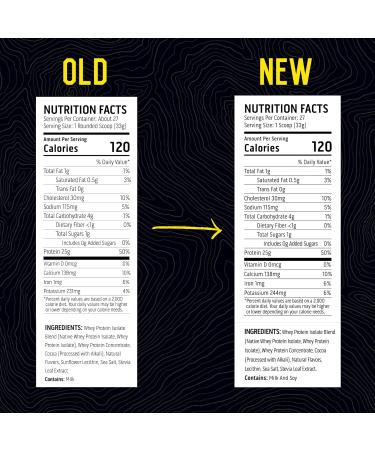
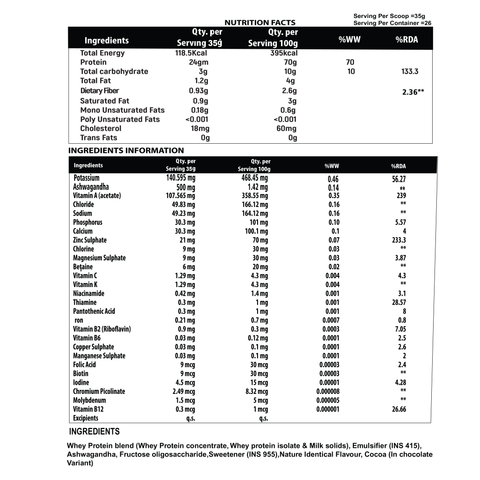
Nutrition labels tell you about the protein and leucine content. Look for the total protein per serving first.
Check if the label lists specific amino acids like leucine. Some brands include this detail on the label or package.
- Find “Leucine” or “BCAA” amounts in grams
- Note the serving size to compare correctly
- Compare leucine content across different products
Quality Indicators To Look For
Choose whey protein with high purity and fewer fillers. Pure whey isolate usually has more leucine per serving than concentrate.
Look for these signs of quality in whey protein products.
- Whey protein isolate or hydrolysate type
- Minimal added sugars and fillers
- Transparent ingredient list
- Third-party testing for purity and content
- Good reputation from verified sources

Credit: www.amazon.com
Leucine Supplementation Risks
Leucine is a key amino acid in whey protein. It helps build muscle and supports recovery. Many people take leucine supplements to boost these effects.
Too much leucine can cause problems. It is important to know the risks of leucine supplementation before using it.
Potential Side Effects
High doses of leucine may cause side effects. Some people feel tired or dizzy. Others may have stomach pain or nausea.
Leucine can also affect blood sugar levels. People with diabetes should be careful. It may change how their body handles insulin.
- Fatigue and dizziness
- Stomach pain and nausea
- Changes in blood sugar control
- Possible interactions with medications
Balancing With Other Nutrients
Leucine works best with other amino acids. Taking only leucine may cause imbalance in your body. It can affect how your body uses protein.
It is important to balance leucine with other nutrients. Proper intake of all essential amino acids helps your body function well.
- Include all essential amino acids in your diet
- Avoid very high doses of leucine alone
- Eat a balanced diet with proteins, fats, and carbs
- Consult a healthcare provider before supplementing
Credit: www.musclegears.in
Frequently Asked Questions
How Much Leucine Is In Whey Protein Per Serving?
Whey protein typically contains about 2 to 3 grams of leucine per 25-gram serving. This amount supports muscle growth and recovery effectively.
Why Is Leucine Important In Whey Protein?
Leucine stimulates muscle protein synthesis, aiding muscle repair and growth. It’s a key amino acid in whey protein for athletes and fitness enthusiasts.
Does Whey Protein Have More Leucine Than Other Proteins?
Yes, whey protein generally has higher leucine content than casein or soy. This makes it ideal for faster muscle recovery and growth.
Can Leucine Content Vary Between Whey Protein Brands?
Yes, leucine amounts can differ by brand and product type. Always check nutrition labels for exact leucine content per serving.
Conclusion
Whey protein contains a good amount of leucine, an important amino acid. Leucine helps build and repair muscles after exercise. Most whey powders provide about 2 to 3 grams of leucine per serving. This makes whey a popular choice for people who want to grow muscle.
Choosing whey protein can support your fitness goals well. Remember to check the label for exact leucine content. Simple and consistent use works best for muscle recovery and growth. Keep your diet balanced and include whey protein as needed.


