
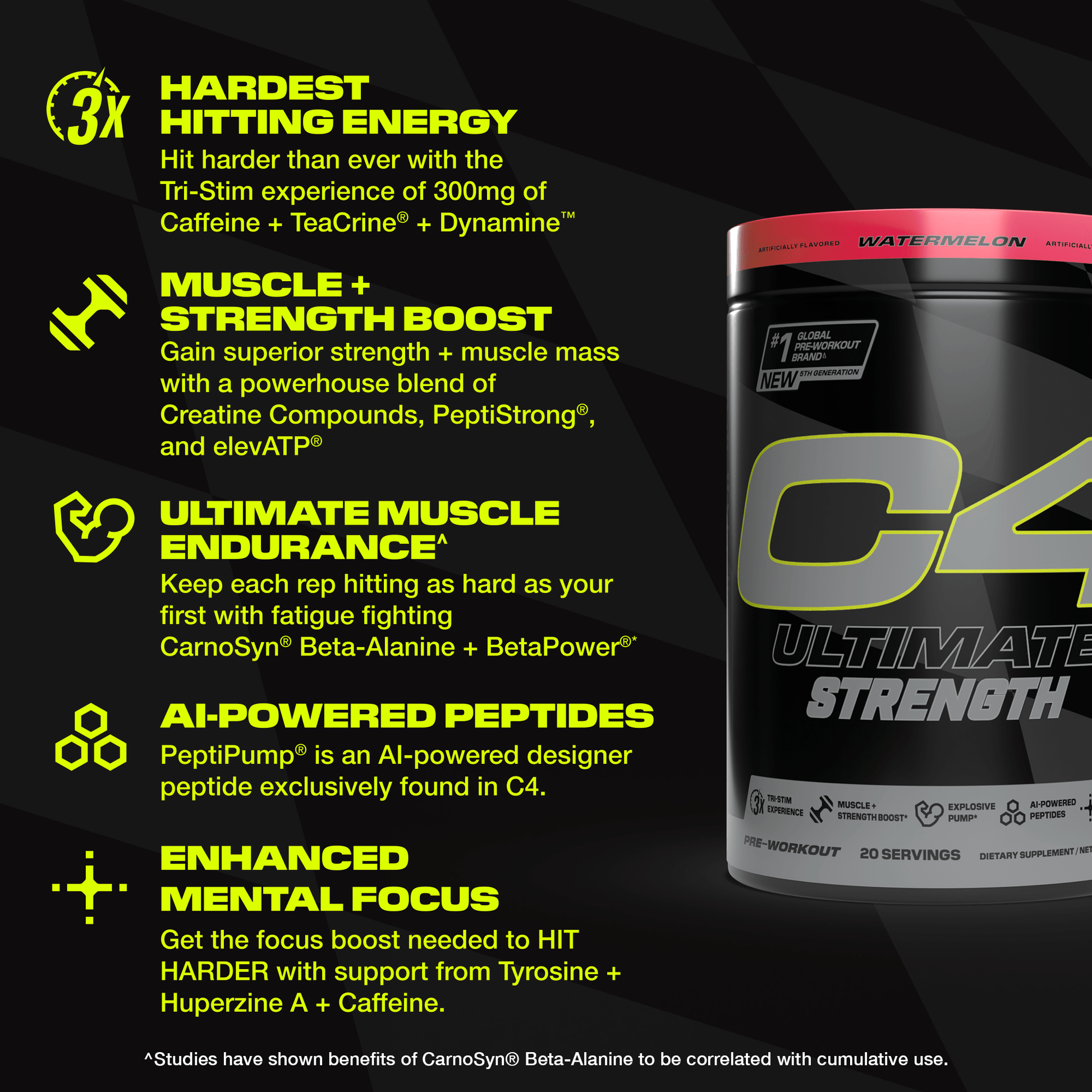
Have you ever wondered how much caffeine is packed into just one scoop of your pre workout? Knowing this can make a big difference in how you feel during your workout and how your body reacts afterward.
Too much caffeine might leave you jittery or anxious, while too little might not give you the boost you need. You’ll discover the exact caffeine content in a typical scoop of pre workout and learn how to use it safely to maximize your energy and focus.
Keep reading to find out what’s really inside that scoop and how it can impact your performance.
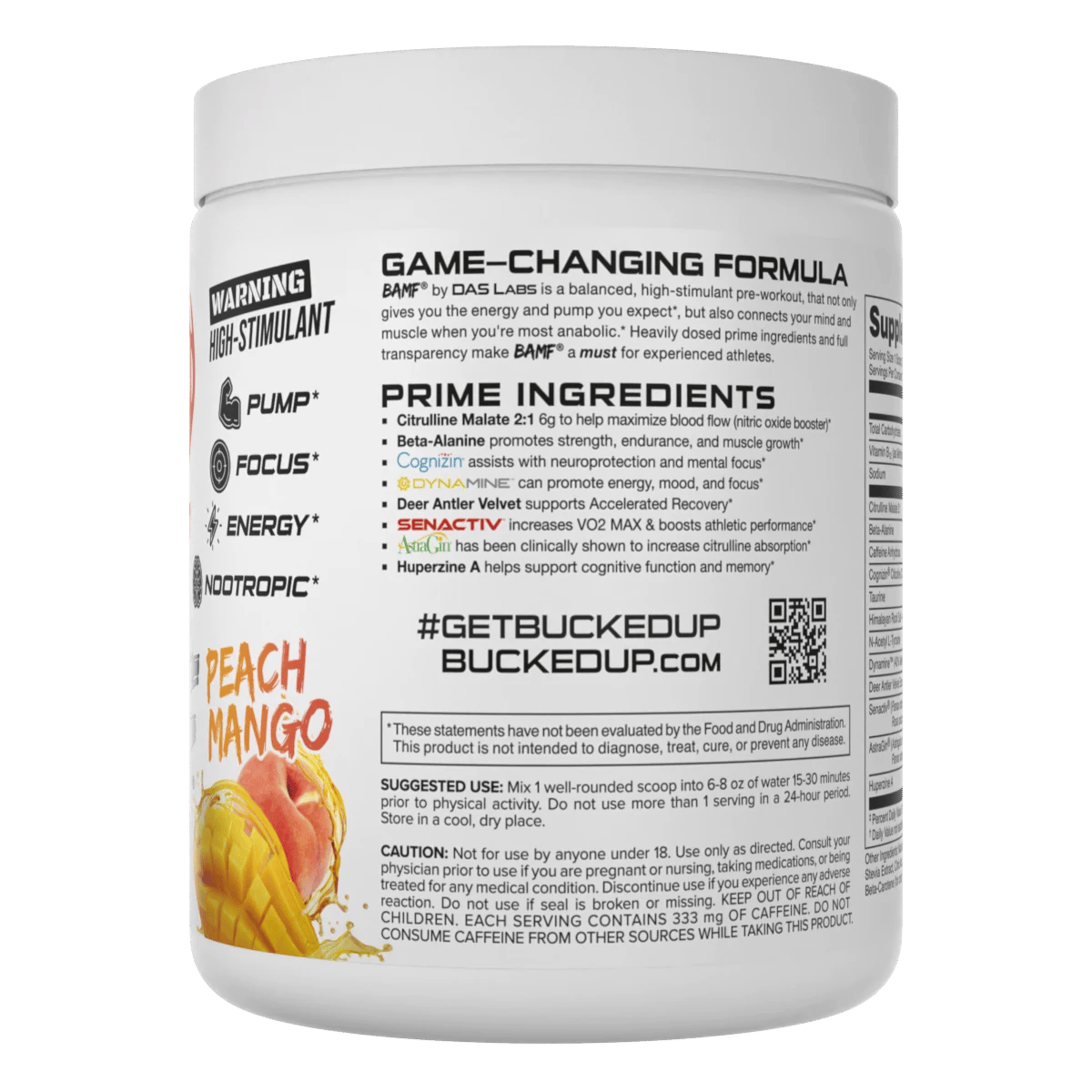
Credit: www.buckedup.com
Caffeine Content In Pre Workout Scoops
Pre workout supplements often contain caffeine to boost energy. The amount of caffeine in each scoop can vary widely. Knowing the caffeine content helps you use the right dose safely.
Too much caffeine can cause jitters or trouble sleeping. Too little may not give the desired boost. Let’s explore how much caffeine is in a typical scoop.
Average Caffeine Per Scoop
Most pre workout scoops contain between 150 mg and 300 mg of caffeine. This range suits many people for energy and focus. Some scoops may have less or more depending on the formula.
On average, a scoop has about 200 mg of caffeine. This is similar to two cups of coffee. It is enough to feel alert but not overload your system.
Variations Among Brands
Caffeine amounts differ a lot among brands. Some brands add extra caffeine for stronger effects. Others keep it low for sensitivity or beginners.
Here are typical caffeine levels by brand type:
- Standard brands: 150 mg to 250 mg per scoop
- High-caffeine brands: 300 mg to 400 mg per scoop
- Low-caffeine or caffeine-free: under 100 mg or none
Reading Supplement Labels
Always check the label to find caffeine content. It is listed in milligrams (mg) on the nutrition facts or ingredients. Some labels show caffeine from all sources.
Look for these label tips:
- “Caffeine Anhydrous” means pure caffeine powder
- Natural caffeine comes from green tea or coffee extracts
- Total caffeine amount should be clear per scoop
- Watch for other stimulants that add to caffeine effects
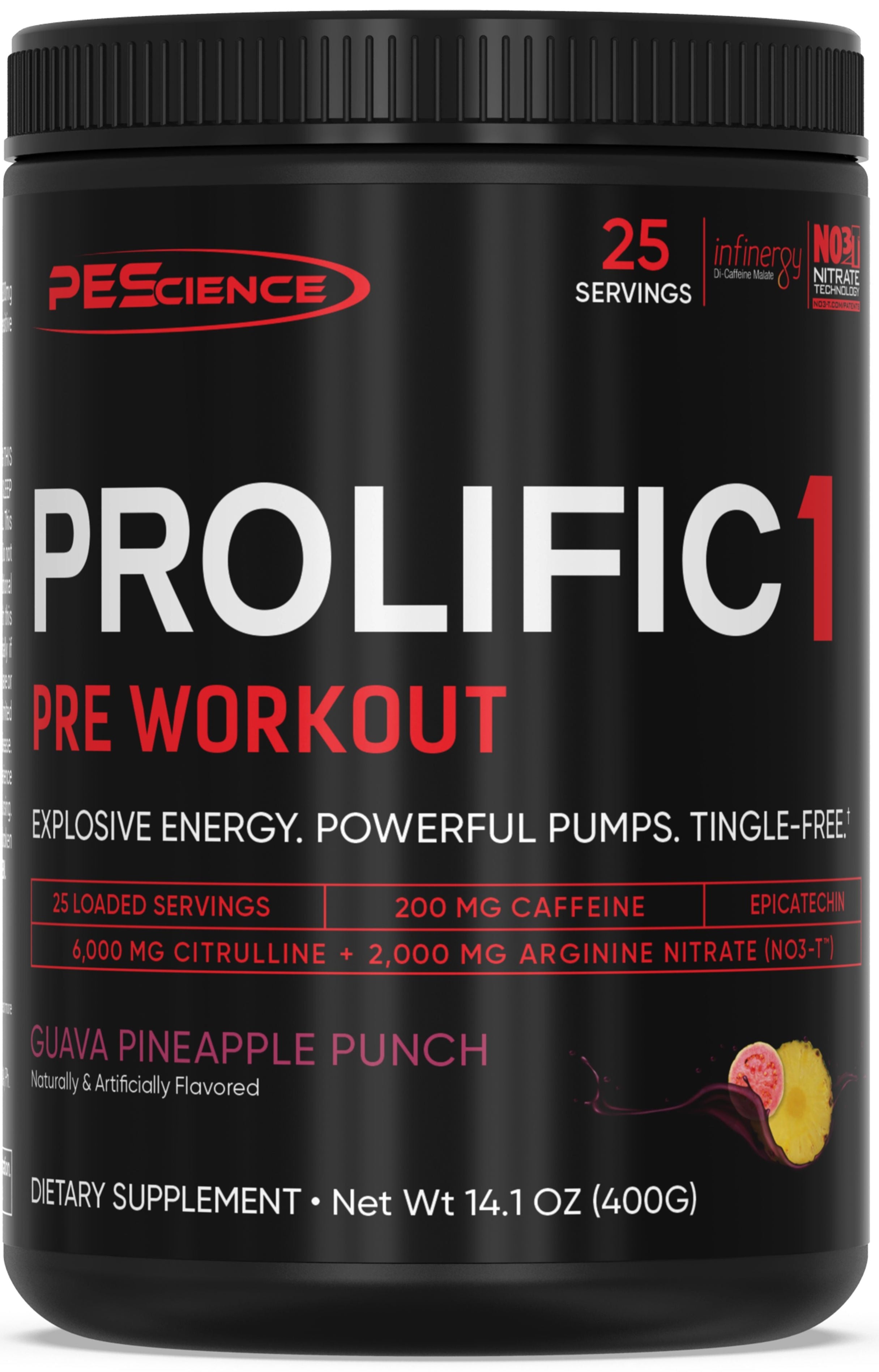
Credit: pescience.com
Effects Of Caffeine In Pre Workouts
Caffeine is a key ingredient in many pre workout supplements. It helps prepare your body and mind for exercise.
The amount of caffeine in a scoop varies, but it usually ranges from 150 to 300 mg per scoop.
Energy And Focus Boost
Caffeine stimulates your central nervous system. This gives you a quick energy boost before exercise.
You may feel more alert and able to concentrate. This helps you stay focused during your workout.
Performance Enhancement
Caffeine can improve physical performance by increasing endurance and strength. It helps delay fatigue.
This allows you to work out longer and harder. Many athletes use caffeine to improve their results.
- Boosts muscle power
- Increases stamina
- Speeds up reaction time
Potential Side Effects
Too much caffeine can cause side effects. These include jitters, anxiety, and rapid heartbeat.
It may also cause trouble sleeping if taken late in the day. People sensitive to caffeine should be cautious.
- Increased heart rate
- Nervousness or restlessness
- Upset stomach
- Insomnia
Safe Caffeine Limits For Exercise
Caffeine is common in pre workout supplements. It helps increase energy and focus during exercise. But too much caffeine can cause problems like jitters or a fast heartbeat.
Knowing how much caffeine is safe is important. This helps you get benefits without side effects. Let’s look at safe caffeine limits for exercise.
Recommended Daily Intake
The average safe caffeine amount is up to 400 mg per day for most adults. This is about four cups of coffee. For exercise, many pre workout scoops contain 150 to 300 mg.
Staying under the daily limit reduces risk of problems. If you take caffeine from other sources, count that too.
- Maximum daily caffeine: 400 mg for healthy adults
- Typical pre workout scoop: 150-300 mg caffeine
- Include caffeine from coffee, tea, and snacks
Caffeine Sensitivity Factors
People react to caffeine differently. Some feel alert with little caffeine. Others need more to feel effects. Sensitivity depends on age, weight, and health.
High sensitivity means you should take less caffeine. Low sensitivity may allow higher amounts. Knowing your body helps prevent side effects.
- Age: Older adults may need less caffeine
- Body weight: Lighter people may be more sensitive
- Health: Heart problems can increase risk
- Regular use: Habitual users often tolerate more
Timing Your Pre Workout Dose
Take caffeine about 30 to 60 minutes before exercise. This gives time for caffeine to enter your bloodstream. Effects usually last 3 to 5 hours.
Avoid caffeine late in the day. It can disturb your sleep. Good sleep helps recovery and performance.
- Take pre workout caffeine 30-60 minutes before exercise
- Effects peak within 1 hour and last up to 5 hours
- Do not take caffeine close to bedtime
- Adjust timing based on your own experience

Credit: staxnutrition.net
Alternatives To High-caffeine Pre Workouts
Many pre workout supplements contain high amounts of caffeine. Some people want energy without the jitters or crash. There are good options with less or no caffeine.
Choosing a low-caffeine or caffeine-free product can help you stay focused and energized. You can still get a boost in your workout without relying on strong stimulants.
Low-caffeine Formulas
Low-caffeine pre workouts usually have 50-100 mg per scoop. They give energy but with fewer side effects. These products suit people sensitive to caffeine.
Some formulas mix caffeine with other ingredients to smooth the effect. This helps avoid feeling too wired or anxious during exercise.
- Contains less than half the caffeine of regular pre workouts
- Often includes ingredients like beta-alanine and creatine
- Supports focus and endurance with mild stimulation
Non-caffeinated Energy Boosters
Some pre workouts skip caffeine entirely. They use other ways to raise energy and alertness. This is good for late workouts or caffeine avoiders.
These boosters help improve blood flow, reduce fatigue, and support muscle power without stimulants.
- Ingredients like nitric oxide boosters increase circulation
- Use amino acids such as citrulline and arginine
- Enhance endurance and recovery without caffeine
Natural Stimulants
Natural stimulants provide energy without caffeine’s strong effects. These come from plants and herbs. They offer a gentler, longer-lasting boost.
Examples include green tea extract and rhodiola rosea. They help improve focus and reduce tiredness in a balanced way.
- Green tea extract contains low caffeine and antioxidants
- Rhodiola rosea supports mental clarity and energy
- Ginseng helps reduce stress and boost stamina
Maximizing Benefits While Avoiding Overdose
A scoop of pre workout powder often contains caffeine. The amount varies by brand but is usually between 150 and 300 mg. Caffeine helps increase energy and focus during workouts.
Too much caffeine can cause jitters, fast heartbeat, and stomach upset. It is important to balance your intake to gain benefits and avoid overdose.
Combining With Hydration
Caffeine can make you lose water from your body. Drinking water helps prevent dehydration during exercise. Staying hydrated keeps your muscles working well.
- Drink a glass of water before taking pre workout
- Keep water nearby during your workout
- Aim for 8 to 10 cups of water daily
Balancing Caffeine With Nutrition
Food slows caffeine absorption and reduces side effects. Eating a small snack before your pre workout helps your body handle caffeine better.
- Try a banana or a handful of nuts
- Avoid taking pre workout on an empty stomach
- Do not mix with other caffeine sources like coffee
Listening To Your Body
Each person reacts differently to caffeine. Start with half a scoop to see how you feel. Stop using it if you feel uneasy or jittery.
- Note how caffeine affects your sleep and mood
- Lower your dose if you feel anxious or restless
- Consult a doctor if you have heart or health issues
Frequently Asked Questions
How Much Caffeine Is In A Pre-workout Scoop?
The caffeine content in a pre-workout scoop varies by brand. On average, it ranges from 150 to 300 mg. Always check the label for exact amounts. Some products may offer higher or lower doses. Adjust your intake based on personal tolerance and fitness goals.
Is Pre-workout Caffeine Safe For Everyone?
While generally safe, pre-workout caffeine isn’t for everyone. Individuals with caffeine sensitivity or heart conditions should consult a doctor first. Pregnant women and those sensitive to stimulants should also be cautious. Always start with a lower dose to assess tolerance.
Can Pre-workout Caffeine Enhance Workout Performance?
Yes, caffeine can boost workout performance by increasing alertness and endurance. It helps in reducing perceived exertion. Many athletes use it to push through tough workouts. However, its effectiveness can vary by individual and dosage. Balance is key to avoiding potential side effects.
How Long Does Pre-workout Caffeine Last?
Pre-workout caffeine effects typically last 3 to 5 hours. Peak stimulation occurs around 1 to 2 hours after consumption. Factors like metabolism and caffeine tolerance can influence duration. It’s best to time your intake accordingly to match your workout schedule.
Conclusion
A scoop of pre workout usually contains between 150 to 300 mg of caffeine. This amount can give you a strong energy boost for exercise. Always check the label to know the exact caffeine content. Remember, too much caffeine can cause jitters or trouble sleeping.
Start with a smaller dose to see how your body reacts. Stay safe and enjoy your workouts with the right caffeine amount.


