

Are you wondering how many whey protein scoops you should take each day to get the best results? Whether you’re trying to build muscle, lose weight, or just stay healthy, the right amount of whey protein can make a big difference.
But too much or too little can slow down your progress or even cause unwanted side effects. You’ll discover the simple answer to how many scoops you need daily, based on your goals and lifestyle. Keep reading to find the perfect balance for your body and maximize your gains without wasting your time or money.
Benefits Of Whey Protein
Whey protein is a popular supplement for fitness enthusiasts. It offers multiple health benefits for people of all ages.
It is derived from milk and is a rich source of high-quality protein. Whey protein can support various bodily functions and improve overall health.
Muscle Growth And Repair
Whey protein helps build and repair muscles. This makes it beneficial for athletes and those who exercise regularly.
It provides essential amino acids, which are necessary for muscle growth. Consuming whey protein after workouts can enhance muscle recovery.
Weight Management
Whey protein can aid in weight management. It helps you feel full, reducing hunger and calorie intake.
It supports fat loss while preserving lean muscle mass. This makes it a useful addition to a balanced diet for those looking to lose weight.
Immune Support
Whey protein contains immunoglobulins, which support the immune system. These proteins help fight infections and improve overall health.
Regular intake of whey protein can enhance your body’s defense mechanisms. This ensures better protection against illnesses.

Credit: www.self.com
Daily Protein Needs
Protein is important for building muscles and staying healthy. Many people use whey protein to meet their daily needs.
Knowing how many scoops to take depends on your daily protein requirement. This amount changes from person to person.
Factors Influencing Protein Intake
Your protein needs depend on many things. Age, activity level, and health all play a role.
People who exercise a lot need more protein. Older adults may also need more to keep muscles strong.
- Age: Older adults need more protein
- Activity level: Active people need more protein
- Body weight: Heavier people need more protein
- Health goals: Muscle gain or weight loss affects needs
Calculating Your Protein Requirements
To find your daily protein need, multiply your weight by a number. This number changes based on your activity.
For example, a normal adult uses 0.8 grams per kilogram of body weight. Athletes may need 1.2 to 2.0 grams.
| Activity Level | Protein (grams per kg) |
|---|---|
| Sedentary (little or no exercise) | 0.8 |
| Light activity or moderate exercise | 1.0 – 1.2 |
| Heavy training or muscle building | 1.5 – 2.0 |
Whey Protein Scoop Size
Whey protein is a popular supplement for muscle building and recovery. Understanding scoop size helps you take the right amount daily.
Different brands may have different scoop sizes. Knowing the size lets you measure your protein intake accurately.
Standard Scoop Measurements
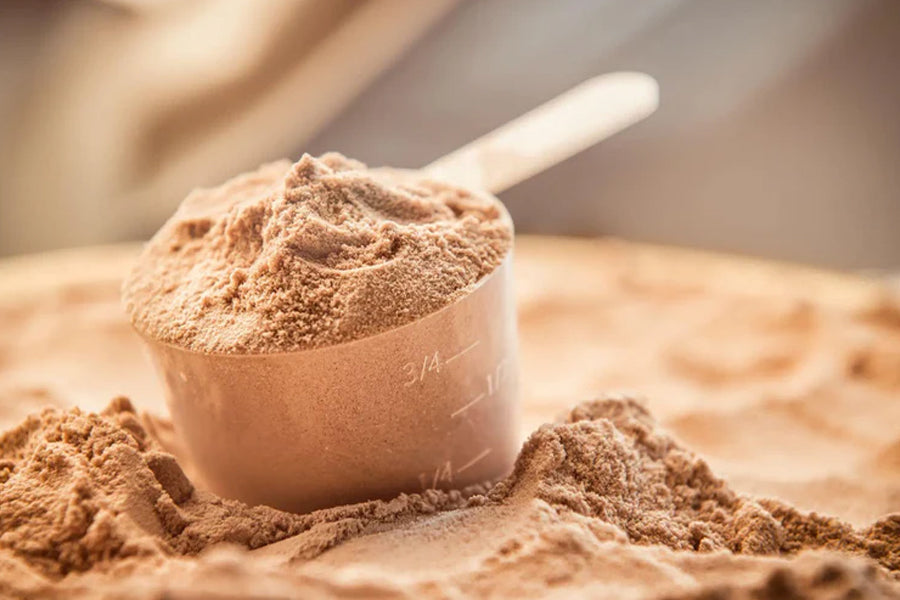
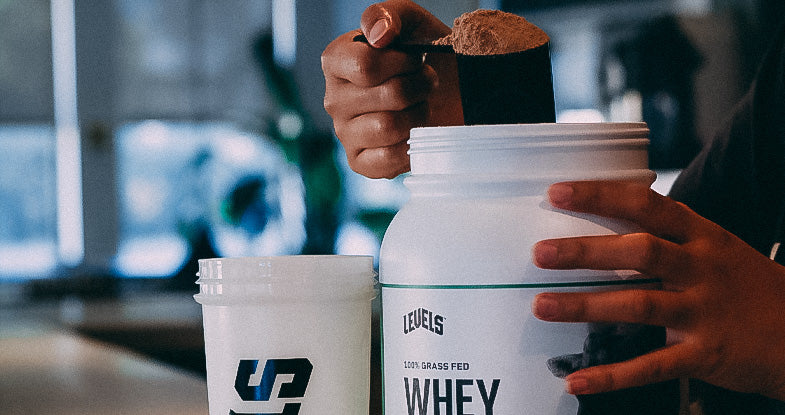
A typical whey protein scoop holds about 25 to 30 grams of powder. This size is common across many brands.
Some scoops may be smaller or larger. Always check the label to know your scoop size.
- Standard scoop weight: 25-30 grams
- Check label for exact scoop size
- Scoops vary by brand and product
Protein Content Per Scoop
Each scoop usually contains 20 to 25 grams of protein. This depends on the brand and whey concentration.
Some products have more protein per scoop. Others include extra ingredients that lower protein content.
| Protein Type | Protein per Scoop (grams) |
|---|---|
| Whey Concentrate | 20-24 |
| Whey Isolate | 23-27 |
| Whey Hydrolysate | 22-26 |
Optimal Number Of Scoops
Whey protein is a popular supplement for many people. It helps support muscle growth and recovery.
How many scoops you need depends on your activity level. This guide explains the best amount for different groups.
For Sedentary Individuals
Sedentary people have low daily activity. They do not need much extra protein from supplements.
One scoop of whey protein per day is usually enough. This supports basic protein needs without overdoing it.
- One scoop provides about 20-25 grams of protein
- Helps maintain muscle mass
- Best taken after meals or as a snack
For Active Adults
Active adults exercise regularly but are not athletes. They need more protein to repair muscles.
Two scoops per day is a good target. This amount supports muscle recovery and energy levels.
- Two scoops equal about 40-50 grams of protein
- Consume after workouts and between meals
- Helps improve strength and endurance
For Athletes And Bodybuilders
Athletes and bodybuilders train hard and need high protein intake. Protein helps build muscle and recover fast.
Three or more scoops per day may be required. This depends on body weight and training intensity.
- Three scoops provide around 60-75 grams of protein
- Divide intake before and after workouts
- Supports muscle growth and repair
- Consult a nutritionist for exact needs
Timing Your Whey Protein
Whey protein is a popular supplement to help build muscle and recover after exercise. Knowing when to take your whey protein can improve its effects.
Taking the right number of scoops at the right times helps your body use the protein better. This guide explains the best times to take whey protein.
Pre-workout
Taking whey protein before your workout gives your muscles fuel. It can reduce muscle damage and increase strength.
A small scoop 30 to 60 minutes before exercise is enough. This helps your body prepare for the workout ahead.
- Take 1 scoop 30-60 minutes before exercise
- Mix with water or milk for easy digestion
- Helps reduce muscle breakdown during training
Post-workout
After exercise, your muscles need protein to repair and grow. Whey protein is fast-absorbing and perfect after workouts.
Taking 1 to 2 scoops within 30 minutes of finishing exercise helps recovery and muscle growth.
- Take 1-2 scoops within 30 minutes after exercise
- Combine with carbs to boost muscle repair
- Supports faster recovery and muscle gain
Throughout The Day
Spreading your whey protein intake during the day keeps your muscles fed. This helps muscle growth and prevents breakdown.
You can take 1 scoop between meals or as a snack. This adds protein to your diet without extra calories.
- Take 1 scoop between meals or as snacks
- Helps meet daily protein needs
- Supports muscle maintenance and growth
Potential Risks Of Overconsumption
Whey protein is a popular supplement for muscle growth and recovery. Taking too many scoops daily can cause health problems. It is important to understand the risks of overconsuming whey protein.
Knowing these risks helps you use whey protein safely. Always balance your intake with your body’s needs.
Digestive Issues
Too much whey protein can upset your stomach. Some people may feel bloated or have gas. Diarrhea and cramps can also occur.
This happens because the body struggles to digest excess protein at once. If you have lactose intolerance, symptoms may worsen.
- Bloating and gas
- Stomach cramps
- Diarrhea
- Lactose intolerance symptoms
Kidney Concerns
High protein intake can put stress on your kidneys. This is a concern for people with kidney problems. Over time, it may worsen kidney function.
Healthy kidneys usually handle protein well. Still, very high amounts of whey protein are not recommended. Drink plenty of water to help your kidneys.
- Stress on kidney function
- Risk for those with kidney disease
- Importance of hydration
Balancing With Whole Foods
Relying only on whey protein can limit your nutrient intake. Whole foods provide vitamins, minerals, and fiber. These are important for overall health.
Use whey protein as a supplement, not a meal replacement. Eat fruits, vegetables, grains, and healthy fats every day.
- Whey protein supplements muscle repair
- Whole foods supply essential nutrients
- Fiber from whole foods aids digestion
- Balanced diet supports long-term health
Tips For Maximizing Whey Protein Results
Whey protein is a popular supplement for building muscle and recovering after workouts. Knowing how many scoops to take daily helps you get the best results.
Using whey protein correctly with other healthy habits can improve your strength and energy. Follow these tips to make the most of your whey protein intake.
Combining With Resistance Training
Resistance training helps your muscles grow and repair. Taking whey protein after workouts gives your body the protein it needs.
Try to do strength training exercises 3 to 5 times a week. Use whey protein within 30 minutes after your session for better recovery.
- Focus on exercises like weight lifting or bodyweight training
- Eat whey protein soon after your workout
- Keep your training consistent for best results
Pairing With Carbohydrates
Carbohydrates help your body absorb protein and refill energy stores. Eating carbs with whey protein boosts muscle recovery.
Good carbs include fruits, whole grains, and vegetables. Try combining whey protein with a banana or oatmeal for a balanced snack.
- Carbs improve protein use in muscles
- Pair whey protein with healthy carbs
- Choose natural foods for better nutrition
Staying Hydrated
Drinking enough water helps your body process protein and supports muscle function. Staying hydrated improves your workout performance.
Drink water throughout the day, especially before and after exercise. Aim for at least 8 cups daily, more if you sweat a lot.
- Water helps protein digestion
- Hydration prevents muscle cramps
- Drink water with your whey protein shake
Credit: www.dmoose.com
Credit: levelsprotein.com
Frequently Asked Questions
How Many Whey Protein Scoops Should I Take Daily?
Most people benefit from 1-2 scoops of whey protein per day. This amount supports muscle repair and growth effectively. Your needs may vary based on activity level and diet.
Can I Take More Than Two Whey Protein Scoops?
Taking more than two scoops is usually unnecessary and may strain your kidneys. It’s best to balance protein intake with whole foods for optimal health.
When Is The Best Time To Consume Whey Protein?
The ideal times are post-workout and between meals. Whey protein is quickly absorbed, aiding muscle recovery and reducing hunger effectively.
Does Whey Protein Replace Meals Or Supplements Diet?
Whey protein complements a balanced diet but should not replace whole meals. It is a supplement to help meet protein requirements efficiently.
Conclusion
Whey protein helps build muscles and supports recovery. One to two scoops daily suit most people well. Avoid taking too much to prevent health issues. Balance protein with a good diet and exercise. Listen to your body’s needs and adjust intake.
Consistency matters more than large doses at once. Choose quality whey protein for the best results. Stay hydrated and maintain a healthy lifestyle overall. Simple steps lead to better fitness and wellness.


