
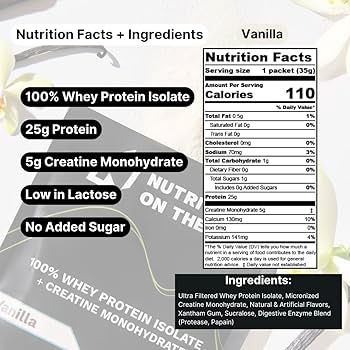
Are you curious about how many calories you’re really getting from your whey protein shake? Whether you’re trying to build muscle, lose weight, or just stay healthy, knowing the calorie content in your protein powder is key.
It’s not just about the number on the label—it’s about how those calories fit into your daily plan and help you reach your goals. Keep reading, and you’ll discover exactly what you need to know to make smart, informed choices with your whey protein.
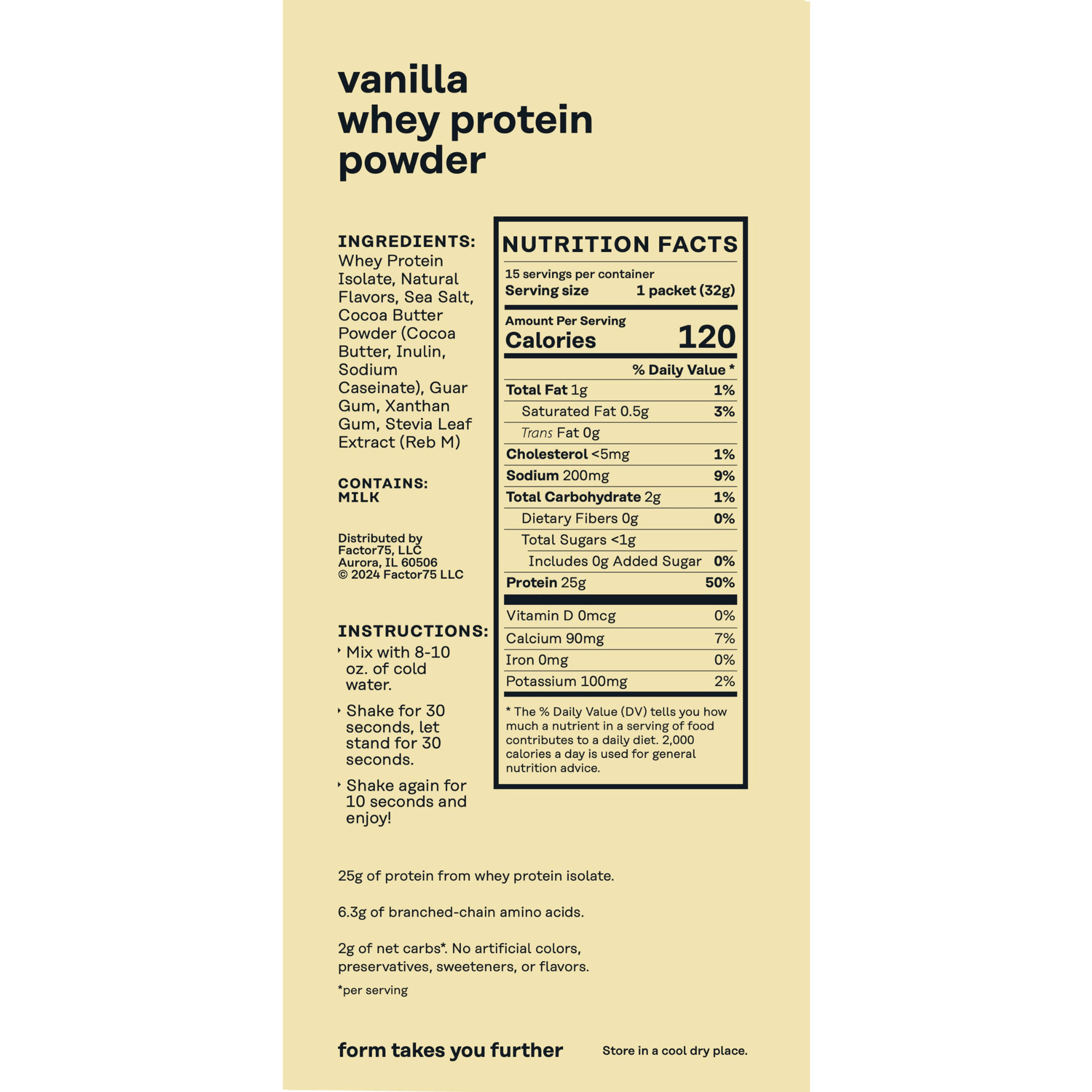
Credit: www.factor75.com
Calories In Whey Protein
Whey protein is a popular supplement for fitness enthusiasts. It’s essential to know the calorie content in whey protein.
Understanding how many calories it contains can help you manage your diet effectively.
Calorie Content Per Serving
Whey protein calories vary by brand and type. Most servings have around 100-150 calories.
This range depends on added ingredients and serving size. It’s crucial to check the label for accurate information.
| Serving Size (grams) | Calories |
| 30g | 120 |
| 25g | 100 |
Variations By Brand And Type
Different brands offer various calorie counts. Some brands add flavors or sweeteners, increasing calorie content.
Isolate whey protein usually has fewer calories than concentrate. Read labels to choose the right type for your needs.
- Isolate: Lower calories, higher protein
- Concentrate: Slightly higher calories, more lactose
- Flavored: Often higher in calories due to additives
Types Of Whey Protein
Whey protein is a popular supplement for muscle growth and recovery. It comes in different types, each with unique features and calorie amounts.
Understanding the types helps you choose the best protein for your needs and calorie goals.
Concentrate
Whey protein concentrate contains about 70-80% protein. It also has some fats and lactose, which adds calories.
On average, it has 100-130 calories per 25-gram serving. This type has more calories than isolate but offers a fuller nutrient profile.
- Protein: 70-80%
- Calories: 100-130 per serving
- Contains fats and lactose
Isolate
Whey protein isolate has 90% or more protein content. It has less fat and almost no lactose, lowering the calorie count.
Isolate usually has 90-110 calories per 25-gram serving. It is a good choice for low-calorie diets.
- Protein: 90% or higher
- Calories: 90-110 per serving
- Low fat and lactose
Hydrolysate
Whey protein hydrolysate is pre-digested for faster absorption. It has a protein level similar to isolate.
Calories range from 90 to 120 per 25-gram serving. Hydrolysate may taste bitter due to the processing.
- Protein: Around 90%
- Calories: 90-120 per serving
- Faster absorption
Factors Affecting Calorie Count
The calorie count in whey protein varies for different reasons. Knowing these factors helps you choose the right product.
Calories depend on what is added, how much you use, and the flavor type.
Added Ingredients
Whey protein powders often have extra ingredients. These can change the calorie amount.
Sugars, fats, and fiber add calories. Some powders include vitamins or sweeteners with little calories.
- Sugar increases calories quickly
- Added fats raise calorie count
- Fiber adds small calories but helps digestion
- Artificial sweeteners usually add no calories
Serving Size Differences
The size of a serving changes how many calories you get. Bigger servings have more calories.
Check the label for serving size. Some brands use a smaller scoop than others.
- Standard serving is about 30 grams
- Some servings are 20 to 40 grams
- More grams mean more protein and calories
Flavored Vs Unflavored
Flavored whey proteins usually have more calories than unflavored ones. Flavors add sugars or sweeteners.
Unflavored whey protein is simpler and has fewer calories. Flavored options taste better but add small calories.
- Flavored powders contain added sugars or sweeteners
- Unflavored powders have fewer or no added calories
- Flavored options may include extra ingredients like cocoa or fruit powders

Credit: allmaxnutrition.com
Whey Protein And Weight Management
Whey protein is a popular supplement for many people. It helps with weight management by providing good nutrition.
Knowing how many calories are in whey protein can help you plan your diet better. It supports your goals whether you want to lose fat or build muscle.
Calorie Control Benefits
Whey protein usually has about 100 to 130 calories per scoop. This amount fits well into most diets for weight control.
It keeps you full longer, so you eat less overall. This helps reduce calorie intake without feeling hungry.
- Low in calories compared to many snacks
- Helps reduce cravings
- Can replace high-calorie meals
- Supports balanced calorie intake
Muscle Building And Metabolism
Whey protein helps build muscle by providing essential amino acids. More muscle increases your metabolism, which burns more calories.
Eating whey protein after exercise supports muscle repair. This keeps your body strong and helps maintain weight loss.
- Boosts muscle growth
- Increases calorie burn
- Improves recovery after workouts
- Supports a healthy metabolism
Comparing Whey Protein To Other Proteins
Whey protein is popular for its quick digestion and high protein content. It is often used by athletes and fitness fans.
Other proteins like plant-based, casein, and egg proteins offer different benefits and calorie counts. Let’s compare them.
Plant-based Proteins
Plant-based proteins come from sources like peas, rice, and soy. They are good for people who avoid animal products.
These proteins usually have fewer calories than whey per serving but may have less protein per scoop.
- Calories per serving: 100-130
- Protein per serving: 15-25 grams
- Slower digestion than whey
- Good source of fiber and nutrients
Casein And Egg Proteins
Casein protein digests slowly and is good for muscle repair overnight. It has a similar calorie count to whey.
Egg protein is rich in amino acids and has moderate calories. It digests at a medium speed between whey and casein.
| Protein Type | Calories per Serving | Protein per Serving | Digestion Speed |
|---|---|---|---|
| Whey | 110-130 | 20-25 grams | Fast |
| Casein | 120-140 | 20-25 grams | Slow |
| Egg | 100-120 | 18-22 grams | Medium |
Tips For Choosing Low-calorie Whey Protein
Whey protein is a popular choice for building muscle and staying healthy. Picking a low-calorie option helps you meet your fitness goals.
Look carefully at the product before buying. This helps you avoid extra calories and unwanted ingredients.
Reading Nutrition Labels
Nutrition labels show how many calories are in each serving of whey protein. Check the serving size to compare products fairly.
Look at protein, fat, and carbohydrate amounts. Lower fat and carbs usually mean fewer calories.
- Check calories per serving
- Compare protein grams per serving
- Note fat and carb content
- Watch serving size differences
Avoiding Added Sugars
Added sugars increase calories without adding nutrients. They can make whey protein taste sweet but add unwanted energy.
Look for terms like sugar, sucrose, or maltodextrin on the label. Choose options with little or no added sugar for a low-calorie choice.
- Read ingredient lists carefully
- Avoid products with added sugar or syrup
- Choose unflavored or naturally sweetened powders
- Check total sugars on nutrition facts

Credit: prodoughshop.com
Frequently Asked Questions
How Many Calories Are In A Scoop Of Whey Protein?
A typical scoop of whey protein contains about 100 to 130 calories. This varies by brand and type. Check nutrition labels for exact calorie content.
Does Whey Protein Powder Have Fat Or Carbs?
Whey protein powder usually has low fat and carbohydrate content. Most brands contain 1-3 grams of carbs and less than 2 grams of fat per serving.
Can Whey Protein Affect Daily Calorie Intake?
Yes, whey protein adds calories to your diet. Including it can help meet protein needs but may increase total daily calorie intake if not accounted for.
How Do Calories In Whey Protein Compare To Other Proteins?
Whey protein generally has fewer calories than whole food protein sources. It’s a low-calorie, high-protein supplement ideal for muscle building and weight management.
Conclusion
Whey protein contains calories mostly from protein and some from fat and carbs. The exact amount depends on the brand and serving size you choose. Counting these calories helps manage your diet and reach fitness goals. Remember, whey protein can support muscle growth and recovery.
Keep an eye on labels to avoid extra calories. Use whey protein as a part of a balanced diet. Simple choices lead to better health.


