
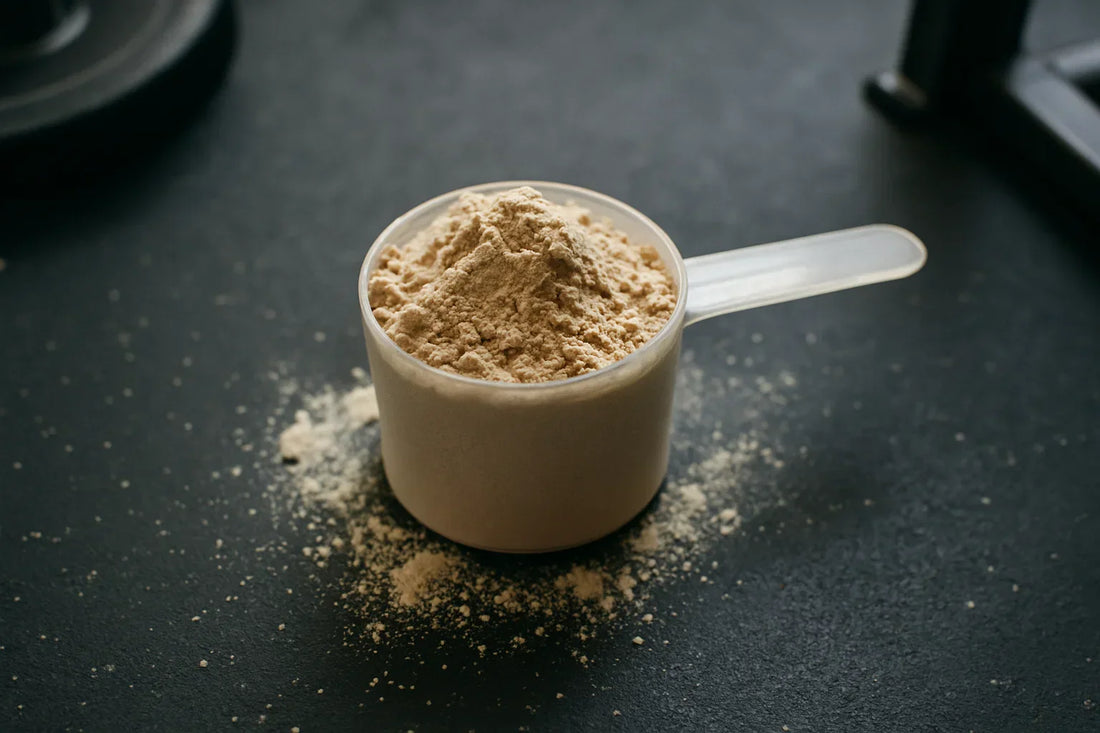
If you’re serious about your fitness or simply trying to eat healthier, you’ve probably wondered: how many calories are actually in a whey protein scoop? Knowing this can help you control your diet better and reach your goals faster.
Whether you want to build muscle, lose fat, or just stay energized throughout the day, understanding the calorie content in your protein powder is key. Keep reading, and you’ll discover the simple facts that can make a big difference in your nutrition plan.

Credit: imuscles.in
Calories In A Typical Whey Protein Scoop
Whey protein is a popular supplement for those looking to boost protein intake. It’s important to know how many calories are in each scoop.
Calories can vary depending on the brand and type of whey protein you choose. This guide will help you understand the calorie content.
Average Calorie Range
A typical whey protein scoop usually contains between 100 to 130 calories. The exact number depends on the formulation and flavor.
Some brands may have scoops with fewer or more calories. Always check the nutrition label for precise information.
- Plain whey protein: 100-110 calories per scoop
- Flavored whey protein: 120-130 calories per scoop
Factors Affecting Calorie Count
Several factors can affect the calorie count in a whey protein scoop. Ingredients and additives play a significant role.
Flavors, sweeteners, and additional nutrients may increase the calorie content. Consider these factors when choosing a product.
- Added sugars or sweeteners
- Flavorings like chocolate or vanilla
- Extra ingredients like vitamins or minerals
Types Of Whey Protein And Their Calories
Whey protein is a popular supplement for muscle building and recovery. It comes in different types with varying calories. Knowing the calories helps you choose the right one.
Each type has unique processing methods that affect its calorie content. This guide explains whey concentrate, isolate, and hydrolysate calories.
Whey Concentrate
Whey concentrate is the least processed form of whey protein. It contains around 70-80% protein by weight.
It has more fat and lactose than other types. A typical scoop of whey concentrate has about 120 calories.
- Protein: 20-25 grams
- Calories: 110-130 per scoop (30 grams)
- Contains some fat and carbs
Whey Isolate
Whey isolate goes through extra processing to remove fat and lactose. It usually has 90% or more protein.
This makes it lower in calories than concentrate. A scoop of whey isolate has about 100 calories.
- Protein: 25-27 grams
- Calories: 90-110 per scoop (30 grams)
- Very low fat and carbs
Whey Hydrolysate
Whey hydrolysate is pre-digested for faster absorption. It is similar in protein content to isolate.
Calories per scoop are usually close to whey isolate, about 100 calories. It has very little fat and carbs.
- Protein: 25-27 grams
- Calories: 90-110 per scoop (30 grams)
- Low fat and carbs
Ingredients Impacting Calorie Content
The calorie content in a whey protein scoop can vary a lot. Different ingredients change how many calories you get.
Knowing what is inside helps you understand the calorie count better. Some ingredients add more calories than others.
Added Sugars And Sweeteners
Many whey proteins have added sugars or sweeteners. These ingredients increase the calorie number in each scoop.
Sugars like cane sugar or honey add real calories. Artificial sweeteners add little to no calories but affect taste.
- Cane sugar adds about 4 calories per gram
- Honey contains about 3 calories per gram
- Sucralose and stevia have almost zero calories
Flavorings And Fillers
Flavorings make whey protein taste better but can add calories. Some fillers also increase calorie content.
Natural flavors, oils, or thickeners may add small calorie amounts. Fillers like maltodextrin add more calories.
- Maltodextrin has about 4 calories per gram
- Natural flavorings vary but usually add few calories
- Oils used for texture add calories depending on amount

Credit: www.amazon.com
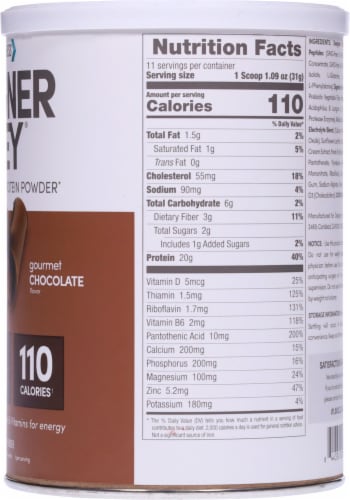
How To Read Nutrition Labels For Calories
Nutrition labels help you know how many calories are in a scoop of whey protein. Reading them can guide your diet and fitness goals.
Understanding the label helps you choose the right amount of protein and calories for your needs. It also shows important nutrient details.
Serving Size Importance
The serving size tells you how much powder is in one scoop. Calories and nutrients are based on this size.
If you eat more or less than one serving, you must adjust the calories and nutrients accordingly. Check the label for scoop weight.
- Look for “Serving Size” on the label
- Check the weight in grams or scoops
- Use this to calculate calories if you eat more or less
Understanding Macronutrient Breakdown
Nutrition labels show how many grams of protein, carbs, and fat are in one serving. These are called macronutrients.
Each macronutrient adds calories to the total. Protein and carbs have 4 calories per gram. Fat has 9 calories per gram.
| Macronutrient | Calories per Gram |
|---|---|
| Protein | 4 |
| Carbohydrates | 4 |
| Fat | 9 |
Use these numbers to check if the total calories on the label are correct. This helps you trust the nutrition facts.
Calorie Comparison With Other Protein Sources
Whey protein is a popular choice for many who want to increase their protein intake. It is important to see how many calories it has compared to other protein sources.
This helps you make better choices depending on your calorie needs and diet goals.
Plant-based Proteins
Plant-based protein powders come from sources like peas, rice, and soy. They usually have more calories per scoop than whey because they contain more carbs and fiber.
For example, one scoop of pea protein has about 120 calories. Soy protein is close, with around 110 calories per scoop.
- Pea protein: 120 calories per scoop
- Soy protein: 110 calories per scoop
- Brown rice protein: 100 calories per scoop
Animal-based Proteins
Animal-based protein powders include whey, casein, and egg white protein. Whey protein is lower in calories per scoop compared to some others.
One scoop of whey protein usually has about 100 to 120 calories. Egg white protein has fewer calories, around 80 per scoop.
- Whey protein: 100-120 calories per scoop
- Casein protein: 110-130 calories per scoop
- Egg white protein: 80 calories per scoop
Using Whey Protein Without Overeating Calories
Whey protein is a popular supplement for muscle growth and recovery. Each scoop usually has about 100 to 130 calories.
It is important to use whey protein in a way that fits your calorie needs. Eating too many calories can lead to weight gain.
Timing And Portion Control
Take whey protein at times when your body needs it most. This includes after workouts or between meals to avoid extra calories.
Use the right scoop size to match your diet plan. Avoid doubling scoops without adjusting your calorie intake elsewhere.
- Use one scoop (100-130 calories) per serving
- Take protein post-workout to help muscle repair
- Skip adding extra ingredients that add calories
Combining With Balanced Diet
Whey protein works best with a balanced diet. Include fruits, vegetables, and whole grains for good nutrition.
Count whey protein calories as part of your daily total. This helps prevent eating too many calories overall.
- Plan meals to include protein, carbs, and fats
- Use whey protein to fill gaps in your daily protein
- Drink water and eat fiber-rich foods for fullness
Common Myths About Whey Protein Calories
Many people wonder how many calories are in one scoop of whey protein. There are some wrong ideas about this. It is important to know the truth to use whey protein well.
This article clears up common myths about calories in whey protein scoops. It helps you understand what to expect.
Myth 1: All Whey Protein Scoops Have The Same Calories
Not all whey protein scoops have the same calories. The amount depends on the brand and type. Some have added ingredients that change calories.
For example, some whey powders have extra carbs or fats. These increase the calorie count. Always check the label for exact numbers.
Myth 2: Whey Protein Scoops Are High In Calories
Many think whey protein scoops have many calories. In truth, one scoop usually has between 100 and 130 calories. This is not very high.
These calories mainly come from protein. Protein helps your muscles and keeps you full. So, the calories are mostly good for your body.
Myth 3: Calories In Whey Protein Cause Weight Gain
Some believe calories in whey protein make you gain weight. Weight gain happens when you eat more calories than you burn. Whey protein alone does not cause weight gain.
Using whey protein can help build muscle. Muscle helps burn more calories. So, whey protein can support weight management when used correctly.
Myth 4: All Calories In Whey Protein Are Equal
People often think all calories are the same. Calories from protein, like in whey, are different from sugar or fat calories. Protein calories support muscle growth and repair.
Calories from sugar can add fat. Whey protein calories are better for your body if you want to stay healthy and fit.
Myth 5: You Should Avoid Whey Protein To Cut Calories
Some avoid whey protein to reduce calories. This is not always good. Whey protein helps keep you full and reduces hunger. This can stop overeating.
Instead of cutting whey protein, focus on overall calorie balance. Whey protein can be part of a low-calorie diet if used smartly.
Credit: www.foodsco.net
Frequently Asked Questions
How Many Calories Are In One Whey Protein Scoop?
One whey protein scoop typically contains between 100 to 130 calories. This varies by brand and serving size. Always check the nutrition label for exact calorie content.
Does Whey Protein Powder Affect Weight Loss?
Whey protein can support weight loss by promoting satiety and muscle retention. It’s low in calories but high in protein, aiding metabolism.
Are Calories From Whey Protein Powder Healthy?
Yes, whey protein calories are mainly from quality protein. They support muscle repair and growth, making them a healthy calorie source.
How Do Different Whey Protein Types Vary In Calories?
Concentrate usually has more calories than isolate due to higher fat and carb content. Isolate is purer and lower in calories.
Conclusion
A typical scoop of whey protein contains about 100 to 130 calories. This amount fits well into most diets and supports muscle growth. Calories can change based on brand and added ingredients. Always check the label for exact numbers. Knowing the calories helps control your daily intake.
Use whey protein wisely to meet your health goals. Simple and clear. That’s the key to smart nutrition.


