

Are you wondering how long you should take probiotics to really see the benefits? You’re not alone.
Many people start probiotics with big hopes but stop too soon or keep going without knowing if it’s right. Getting the timing right can make a huge difference in how your gut feels and how your body responds. You’ll discover the key factors that determine the perfect length for your probiotic use.
Keep reading to find out what works best for you and how to get the most from your probiotics.
Benefits Of Probiotics
Probiotics are good bacteria that help your body stay healthy. Taking them can improve many parts of your health.
People often ask how long to take probiotics. The answer depends on your health goals and needs.
Gut Health Improvements
Probiotics help balance the bacteria in your gut. This can ease digestion and reduce stomach problems.
They may help with diarrhea, bloating, and constipation. Taking probiotics regularly can keep your gut healthy.
- Improve digestion
- Reduce bloating and gas
- Help control diarrhea
- Support healthy bowel movements
Immune System Support
Probiotics can boost your immune system. They help your body fight infections and illnesses.
Some probiotics increase the production of antibodies. This helps your body respond faster to germs.
- Enhance white blood cell activity
- Reduce risk of common colds
- Support overall immune defense
Mental Health Effects
Probiotics can affect the brain through the gut-brain connection. They may help reduce stress and anxiety.
Some studies show probiotics improve mood and mental well-being. Regular use might support better mental health.
- Lower stress levels
- Reduce symptoms of anxiety
- Support better mood
Factors Influencing Duration
Taking probiotics can help balance your gut health. The length of time to take them depends on many factors.
Understanding these factors helps you decide how long to continue probiotic use safely and effectively.
Type Of Probiotic Strain
Different probiotic strains work in different ways. Some strains need longer use to show benefits.
Some strains act quickly, while others build up over time. The strain type affects how long you should take them.
- Short-term strains may help with digestion or diarrhea
- Long-term strains support immune health or chronic issues
- Some strains need daily use for several weeks or months
Health Condition Being Treated
The health issue affects how long probiotics are needed. Mild stomach upset may require fewer days.
Chronic conditions like IBS or allergies may need longer probiotic use. Treatment length varies by condition.
- Short-term use for antibiotic-related diarrhea
- Medium-term use for digestive balance
- Long-term use for immune support or chronic gut health
Individual Body Response
Each person’s body reacts differently to probiotics. Some feel benefits fast, others take longer.
Your body’s response can change how long you should take probiotics. Watch for improvement or side effects.
- Stop if side effects worsen
- Continue if symptoms improve gradually
- Consult a doctor if unsure about duration
Short-term Vs Long-term Use
Probiotics can help balance the bacteria in your gut. People often wonder how long they should take them.
Some use probiotics for a short time, while others take them longer. Both ways have benefits and risks.
When To Use Short-term
Short-term probiotic use helps during certain health issues. It is common after taking antibiotics.
Doctors may suggest short use to restore gut bacteria quickly. It can also help with stomach upset or diarrhea.
- After antibiotic treatment
- During brief digestive problems
- When traveling to prevent diarrhea
Advantages Of Long-term Use
Long-term probiotic use may improve digestion over time. It can support immune health and reduce inflammation.
Some people find long-term use helps keep their gut healthy. This may lead to better nutrient absorption and regularity.
- Supports ongoing gut health
- May strengthen the immune system
- Helps maintain regular digestion
Risks Of Prolonged Intake
Taking probiotics for a long time can cause side effects in some people. These may include bloating or gas.
Long-term use may affect the natural gut balance. People with weak immune systems should be careful and consult a doctor.
- Possible digestive discomfort
- May disrupt natural bacteria balance
- Risk for people with weak immunity

Credit: www.amazon.com
Recommended Dosage Periods
Probiotics are live bacteria that support gut health. Knowing how long to take them is important for best results.
The length of probiotic use can vary based on your goals and health needs. This guide explains common time frames.
General Guidelines
Most people take probiotics for a few weeks to months. This helps balance gut bacteria and improve digestion.
For general health, taking probiotics daily for 4 to 8 weeks is common. Some may continue longer.
- Start with a 4-week course
- Monitor how you feel during use
- Continue up to 8 weeks if needed
Specific Conditions
Certain health issues may require longer probiotic use. The duration depends on the condition and treatment plan.
For example, after antibiotic use, probiotics may be taken for 2 to 4 weeks to restore gut flora. For IBS or other digestive problems, use might last several months.
- Post-antibiotics: 2-4 weeks
- Digestive issues: 1-3 months or more
- Immune support: varies by individual
Consulting Healthcare Providers
Always talk with a healthcare provider before starting probiotics. They can suggest the right length for you.
Your doctor will consider your health, medications, and symptoms. This helps avoid side effects and ensures effectiveness.
- Discuss your health history
- Ask about probiotic strains and doses
- Follow their advice on duration
Signs To Stop Or Continue
Taking probiotics can help your digestive health and immune system. Knowing when to stop or keep taking them is important.
This guide explains clear signs that show you should either stop or continue your probiotic use.
Positive Health Changes
You may notice better digestion and less bloating after taking probiotics. Your bowel movements might become more regular.
Improved energy and fewer infections can also mean the probiotics are working well for you.
- Reduced stomach discomfort
- More regular bowel movements
- Fewer colds or infections
- Increased energy levels
Adverse Reactions
Some people may feel gas, bloating, or mild stomach pain at first. These symptoms often go away after a few days.
If symptoms get worse or you develop a rash, headache, or severe stomach pain, stop taking probiotics and see a doctor.
- Severe stomach cramps
- Persistent bloating or gas
- Skin rash or itching
- Headaches or dizziness
- Allergic reactions like swelling
Effectiveness Assessment
Check your symptoms after a few weeks of probiotic use. Keep taking them if you feel better and have no bad reactions.
If you see no improvement after 4 to 6 weeks, talk to a healthcare provider. They may suggest a different probiotic or treatment.
- Track your symptoms weekly
- Note any new or worsening issues
- Discuss progress with a healthcare professional
- Adjust or stop use based on results
.png)
Credit: www.costco.com
Enhancing Probiotic Effectiveness
Probiotics can help improve your gut health. To get the best results, it is important to use them correctly.
How long you take probiotics and how you take them can affect their benefits. Simple habits can make a big difference.
Dietary Considerations
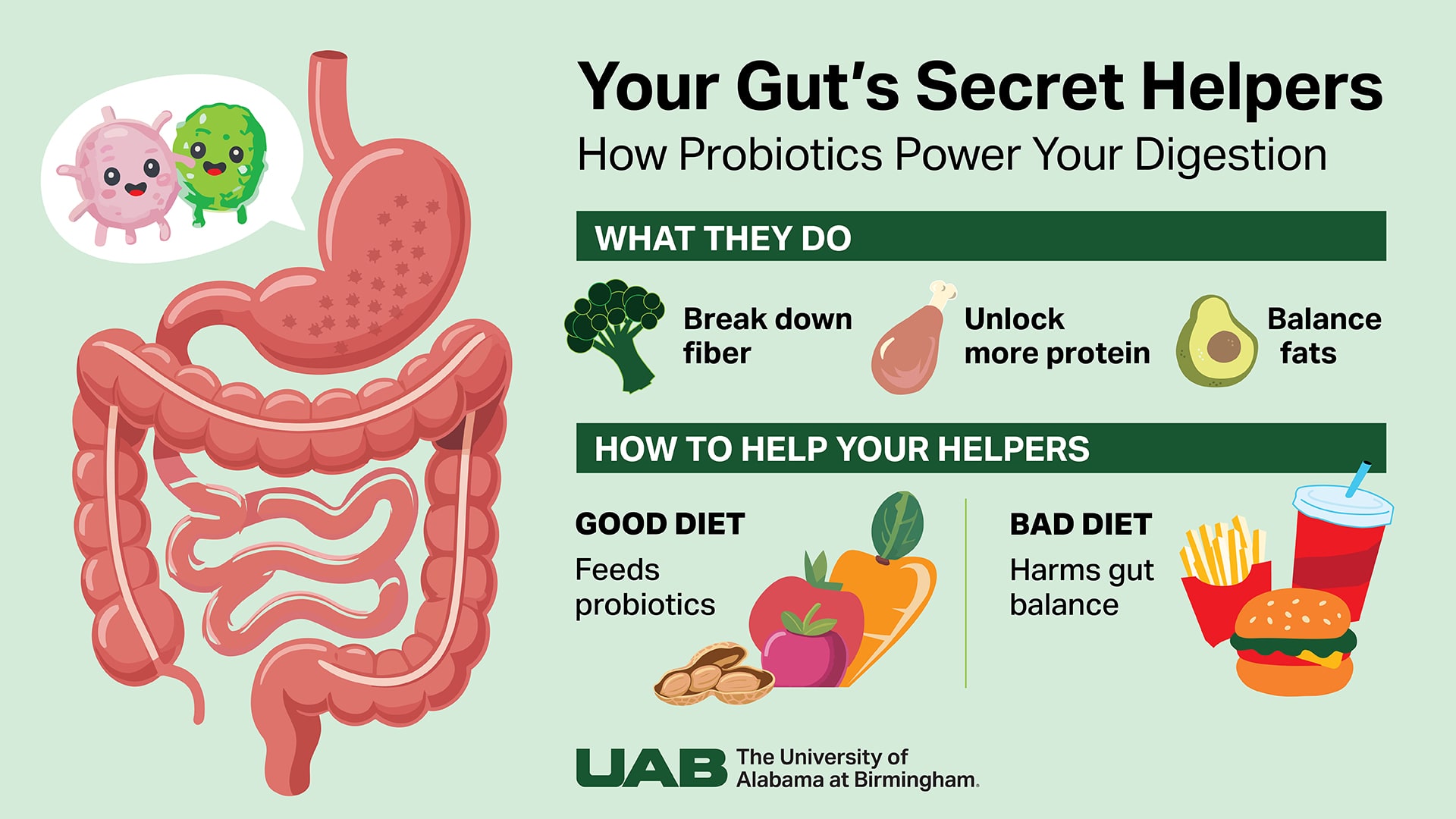
Your diet plays a key role in how well probiotics work. Eating certain foods can support the growth of good bacteria.
Include fiber-rich foods like fruits, vegetables, and whole grains. These help feed the probiotics in your gut.
- Eat plenty of vegetables and fruits daily
- Choose whole grains over processed ones
- Limit sugary and fatty foods that harm gut bacteria
Timing And Administration
Taking probiotics at the right time can improve their survival in your stomach. This helps them reach your gut alive.
Most experts suggest taking probiotics with or just before meals. This reduces stomach acid that can kill bacteria.
- Take probiotics with food, especially a meal containing fat
- Avoid taking probiotics on an empty stomach
- Stick to the same time daily for consistency
Combining With Prebiotics
Prebiotics are types of fiber that feed good bacteria in your gut. Combining them with probiotics can boost results.
Foods like garlic, onions, bananas, and asparagus are natural prebiotics. Taking prebiotic supplements is also an option.
- Eat foods rich in prebiotics daily
- Use prebiotic supplements if needed
- Combine probiotics and prebiotics for better gut health
Credit: www.uab.edu
Frequently Asked Questions
How Long Does It Take For Probiotics To Work?
Probiotics usually show benefits within 1 to 2 weeks. Effects vary by individual and probiotic strain. Consistent daily use improves gut health over time.
Should Probiotics Be Taken Continuously Or In Cycles?
For general health, continuous use is often recommended. Cycles may suit specific conditions or after antibiotic treatments. Consult a healthcare provider for personalized advice.
Can I Stop Taking Probiotics Suddenly?
Yes, stopping probiotics is generally safe. Benefits may reduce over time without regular intake. Resume if digestive issues return or as advised.
How Long Should I Take Probiotics After Antibiotics?
Taking probiotics during and up to 2 weeks after antibiotics helps restore gut flora. This reduces side effects like diarrhea and supports gut balance.
Conclusion
Taking probiotics depends on your health needs and goals. Some people benefit from a few weeks, while others need longer use. Always listen to your body and note any changes. Talk to a doctor for advice tailored to you. Consistency matters more than rushing results.
Keep track of how you feel during use. Probiotics support gut health but are not a quick fix. Patience and regular use often bring the best benefits. Stay informed and choose quality probiotics for better results.


