

Have you ever wondered how long it takes to repair your liver after damage? Your liver is one of the most important organs in your body, working nonstop to keep you healthy.
But when it gets hurt by things like alcohol, poor diet, or illness, you might worry about how quickly it can heal. Understanding the timeline for liver repair can give you hope and guide you toward the best steps for recovery.
Keep reading to discover what affects your liver’s healing process and how you can support it every step of the way.
Liver Regeneration Basics
The liver is a special organ that can heal itself. It repairs damage by growing new cells.
The time it takes to heal depends on many things. Understanding liver regeneration helps explain this.
Unique Healing Ability
The liver is one of the few organs that can regrow after injury. It can restore lost tissue quickly.
Even if up to 70% is removed, the liver can grow back to full size. This happens in weeks to months.
- Liver cells multiply to replace damaged parts
- New cells form from existing liver tissue
- Blood flow and liver function return as it heals
Factors Affecting Repair
Many things affect how fast the liver heals. Age, health, and the cause of damage are important.
Some factors slow healing. Others help the liver repair itself better and faster.
- Age:Younger people usually heal faster than older adults
- Nutrition:Good diet supports cell growth and repair
- Alcohol use:Drinking slows down liver healing
- Type of injury:Sudden cuts may heal faster than long-term damage
- Other diseases:Conditions like diabetes can reduce repair speed
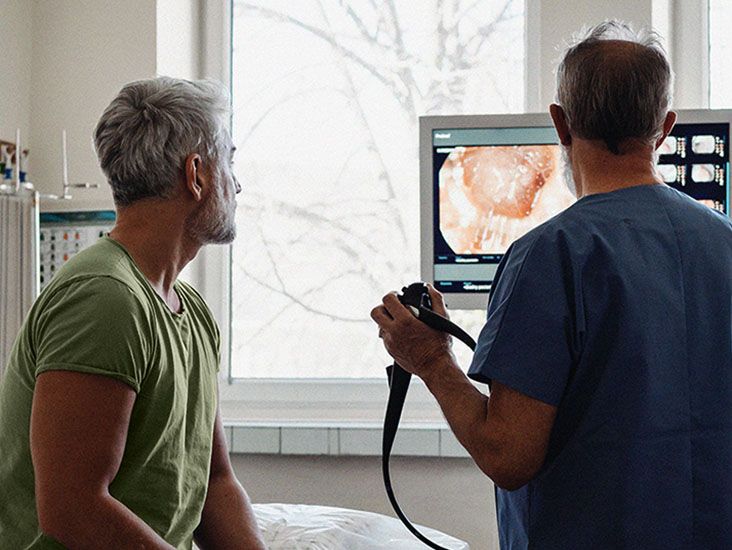
Credit: www.medicalnewstoday.com
Timeline For Mild Liver Damage
The liver is a strong organ that can heal itself. Mild liver damage usually heals with time and care.
Healing times can vary based on health and habits. Knowing the timeline helps manage expectations.
Initial Healing Phase
The first phase starts right after the liver gets mild damage. The liver works to stop harm and fix cells.
This phase can last from a few days to two weeks. Rest, healthy food, and no alcohol help the liver heal.
- Stops further damage
- Removes harmful substances
- Begins cell repair and regeneration
- Reduces inflammation
Recovery Milestones
After initial healing, the liver continues to repair tissue. This can take several weeks or months.
During recovery, liver function improves. Regular check-ups can track progress and ensure full healing.
- Improved liver enzyme levels in blood tests
- Reduced liver swelling and tenderness
- Return to normal liver function
- Ability to handle toxins and process nutrients well
Healing After Moderate Injury
The liver has a strong ability to heal itself after injury. Moderate damage can take weeks to months to repair. The healing speed depends on the injury type and care given.
During recovery, the liver rebuilds its tissues and restores function. Avoiding harmful substances helps the process. Proper rest supports healing.
Extended Recovery Period
Healing from a moderate liver injury can take one to three months. The liver repairs cells and removes scar tissue slowly. Full strength returns over time.
Doctors may monitor liver function during this period. Blood tests show if healing is on track. Patience is important because the liver works hard to recover.
Lifestyle Impact
Lifestyle changes help the liver heal well. Avoid alcohol and fatty foods to reduce stress on the liver. Eating healthy supports cell repair.
- Rest enough to let the body recover
- Eat balanced meals with fruits and vegetables
- Stay hydrated by drinking plenty of water
- Avoid medicines that harm the liver unless doctor-approved
Severe Liver Damage And Repair
The liver is a strong organ that can heal itself. But severe damage slows this process. Understanding repair time helps patients and doctors.
Severe liver damage happens from infections, toxins, or long-term illness. Repair takes weeks to months depending on damage extent.
Challenges In Healing
Healing severe liver damage is hard. The liver cells must grow back, but scarring can block repair. Scar tissue can cause lasting problems.
Other challenges include ongoing damage from alcohol or disease. Poor nutrition and infections slow healing too. The body needs time and care.
- Scar tissue formation limits liver function
- Continuous damage prevents repair
- Infections increase healing time
- Poor diet slows cell growth
Medical Interventions
Doctors use treatments to support liver repair. Medicines help reduce inflammation and control infections. They also protect liver cells.
In some cases, surgery or transplant may be needed. Lifestyle changes like stopping alcohol improve healing chances. Regular checkups track progress.
- Medications reduce liver inflammation
- Treat infections promptly
- Stop alcohol and toxins
- Consider surgery or transplant if needed
- Follow doctor advice and attend checkups
Role Of Diet And Nutrition
The liver is a strong organ that can heal itself. The time it takes to repair depends on the damage and care.
Good diet and nutrition help the liver heal faster. Eating the right foods supports liver cells and reduces stress.
Foods That Support Repair
Certain foods provide nutrients that help the liver fix damaged tissue. They also lower inflammation and clear toxins.
- Leafy greens like spinach and kale improve liver function
- Fruits such as berries and oranges supply antioxidants
- Whole grains give fiber that helps digestion
- Fatty fish contain omega-3 fats that reduce liver fat
- Nuts and seeds offer healthy fats and vitamins
- Garlic can activate enzymes that remove toxins
Supplements And Hydration
Some supplements support liver health by boosting repair and protection. Drink enough water to help flush out waste.
- Milk thistle helps protect liver cells and reduce damage
- Vitamin E acts as an antioxidant to lower inflammation
- B-complex vitamins support energy and cell repair
- Hydrating well improves blood flow and toxin removal
- Aim for at least 8 cups of water daily

Credit: refinerecovery.com
Effects Of Alcohol And Toxins
The liver helps clean harmful substances from the body. Alcohol and toxins can damage liver cells. This damage can slow down the liver’s ability to heal itself.
Repeated exposure to these harmful substances makes it harder for the liver to fix itself. Understanding their effects helps in protecting liver health.
Impact On Healing Speed
Alcohol and toxins cause inflammation and cell death in the liver. This slows down the natural repair process. The liver may take weeks to months to heal, depending on the damage.
When the liver is exposed to alcohol often, it struggles to replace damaged cells. This can lead to scarring, which is harder to heal.
- Alcohol increases liver inflammation
- Toxins damage liver cells directly
- Chronic damage slows cell regeneration
- Scarring reduces liver function and healing
Avoiding Further Damage
Stopping alcohol use is key to letting the liver heal. Avoiding exposure to other toxins helps protect liver cells. Healthy habits support faster liver repair.
Doctors often recommend a balanced diet and avoiding harmful substances. Resting the liver gives it the best chance to recover.
- Stop drinking alcohol completely
- Avoid contact with chemicals and toxins
- Eat nutritious foods to support liver health
- Stay hydrated to help liver function
- Follow medical advice for liver care
Exercise And Liver Recovery
The liver is a vital organ that can heal itself over time. Exercise can help speed up this recovery process. It supports liver health by reducing fat and improving blood flow.
Regular physical activity also lowers inflammation and helps maintain a healthy weight. These benefits are important for people recovering from liver damage or disease.
Benefits Of Physical Activity
Exercise improves liver function by reducing fat buildup. It also lowers the risk of liver diseases like fatty liver disease. Physical activity helps control blood sugar and cholesterol levels.
Being active boosts the immune system and lowers inflammation in the liver. This helps the liver repair cells faster. Exercise also supports weight loss, which eases stress on the liver.
- Reduces fat in the liver
- Improves blood sugar control
- Lowers inflammation
- Boosts immune health
- Supports weight management
Recommended Exercise Types
Choose low to moderate intensity exercises for liver recovery. Walking, cycling, and swimming are good options. These exercises improve circulation without causing too much strain.
Strength training with light weights also helps build muscle and improve metabolism. Avoid very high-intensity workouts until your liver is stronger. Consistency is key for lasting benefits.
- Walking for 30 minutes daily
- Cycling at a comfortable pace
- Swimming to improve endurance
- Light strength training exercises
- Yoga and stretching for flexibility
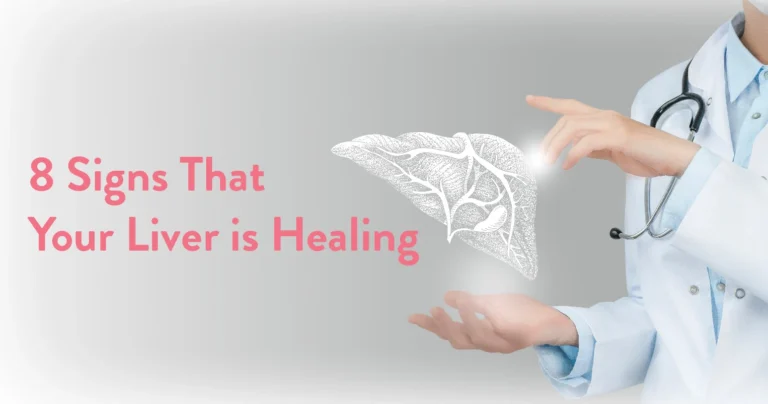
Credit: www.ckbhospital.com
Monitoring Progress
Repairing the liver takes time and careful tracking. Watching how the liver heals helps doctors decide on treatment.
Regular checkups and tests show if the liver is getting better or needs more care.
Key Tests And Indicators
Doctors use blood tests to check liver health. These tests show how well the liver works and if damage is healing.
- Liver enzyme levels (ALT and AST) indicate liver cell damage.
- Bilrubin levels show how well the liver clears waste.
- Albumin levels reflect the liver’s ability to make proteins.
- Ultrasound scans check liver size and structure.
- Fibrosis tests measure liver scarring.
These tests guide doctors on how long healing takes. Improvement in these numbers means progress.
When To Seek Help
Watch for signs that the liver is not healing well. Get medical help if symptoms worsen or new problems appear.
- Yellowing of skin or eyes (jaundice)
- Severe belly pain or swelling
- Unusual tiredness or weakness
- Confusion or memory problems
- Dark urine or pale stools
Early medical care can prevent serious liver damage. Do not wait if you see these signs.
Frequently Asked Questions
How Long Does Liver Recovery Take?
Liver recovery varies based on the damage extent and cause. Mild liver damage can heal in a few weeks with proper care and lifestyle changes. Severe conditions might take months or longer, requiring medical treatment and consistent healthy habits. Regular check-ups are crucial for monitoring progress.
Can The Liver Repair Itself Naturally?
Yes, the liver has a remarkable ability to regenerate. With a healthy diet and lifestyle, it can heal minor damage naturally. Avoid alcohol, eat nutritious foods, and stay hydrated to support recovery. However, severe liver damage may need medical intervention for effective healing.
What Impacts Liver Healing Time?
Several factors influence liver healing time, including the damage cause, overall health, and lifestyle choices. Alcohol consumption, diet, and exercise significantly impact recovery. Chronic diseases like hepatitis can prolong healing. Timely medical intervention and adherence to prescribed treatments are essential for faster recovery.
Is Liver Repair Possible After Alcohol Damage?
Yes, liver repair is possible after alcohol damage, especially if caught early. Ceasing alcohol consumption is crucial for healing. The liver can regenerate healthy cells if given the chance. Severe cases may require medical treatments and lifestyle changes for effective recovery and to prevent further damage.
Conclusion
Healing the liver takes time and care. Small changes in diet help a lot. Avoiding alcohol speeds up recovery. Rest and regular check-ups support liver health. Each person heals at a different pace. Patience matters most in liver repair. Stay consistent with healthy habits daily.
Your liver works hard to heal itself. Trust the process and keep up good care.


