

Have you ever wondered how long it takes for your body to digest whey protein? Whether you’re a gym enthusiast, an athlete, or just someone looking to boost your nutrition, understanding the digestion time of whey protein can help you maximize its benefits.
Knowing this can improve your workout results, prevent discomfort, and help you plan your meals better. Keep reading, and you’ll discover exactly what happens after you drink that protein shake—and why timing could be key to reaching your fitness goals.
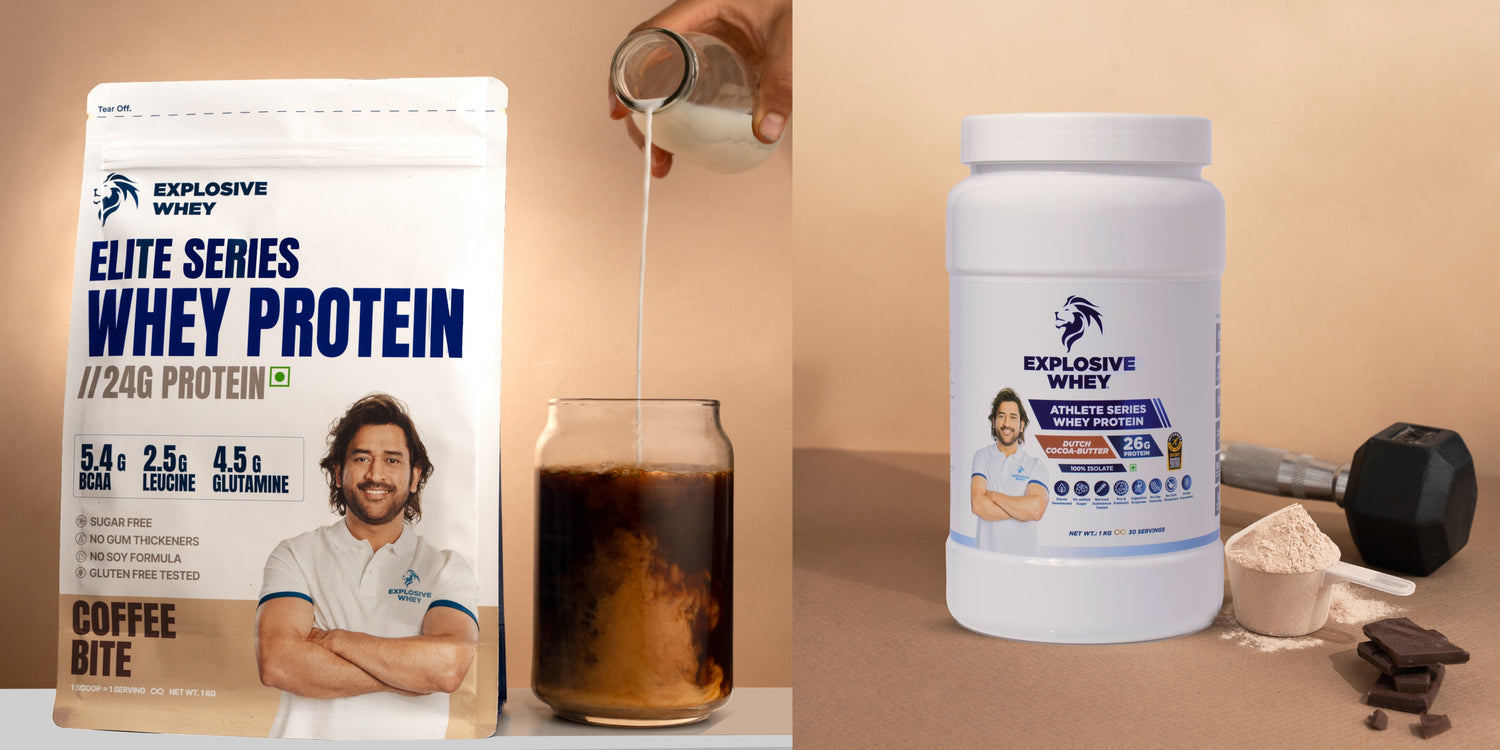
Credit: explosivewhey.com
Whey Protein Basics
Whey protein is a popular supplement for fitness enthusiasts. It helps build muscle and supports recovery after workouts.
Derived from milk, whey protein is easy to digest. It comes in different forms, each with its own benefits.
Types Of Whey Protein
There are three main types of whey protein. Each type has unique characteristics and uses.
- Whey Protein Concentrate: Contains some fat and lactose. It is the least processed form.
- Whey Protein Isolate: Has most of the fat and lactose removed. It is more refined.
- Whey Protein Hydrolysate: Pre-digested for faster absorption. Ideal for quick recovery.
Nutritional Profile
Whey protein is rich in essential amino acids. These acids are crucial for muscle growth and repair.
A typical serving of whey protein provides about 20-30 grams of protein. It also contains small amounts of fats and carbohydrates.
| Nutrient | Amount per Serving |
| Protein | 20-30 grams |
| Fat | 1-3 grams |
| Carbohydrates | 1-5 grams |
Digestion Process
Whey protein is a popular supplement for muscle growth and recovery. It is important to understand how long it takes to digest whey protein. Digestion speed affects how fast your body can use the protein.
The digestion process starts in the stomach and finishes in the small intestine. Different factors can change the time it takes to digest whey protein.
How Whey Protein Is Broken Down
Whey protein is made of small protein chains called peptides. When you eat whey protein, stomach acids and enzymes break it into smaller parts.
The stomach uses acid and enzymes like pepsin to start breaking down whey protein. Then, the small intestine uses other enzymes to split it into amino acids. These amino acids enter the bloodstream and reach muscles.
- Stomach acid softens protein structure
- Pepsin starts breaking protein into peptides
- Pancreatic enzymes further digest peptides
- Amino acids are absorbed in the small intestine
Factors Affecting Digestion Speed
Digestion speed changes based on many factors. These include the type of whey, food eaten with it, and your body’s condition.
Whey isolate digests faster than concentrate. Eating fat or fiber with whey slows digestion. Your age and metabolism also play a role.
- Type of whey protein (isolate vs. concentrate)
- Presence of fats and fibers in the meal
- Your metabolism and age
- Physical activity levels
- Hydration and digestive health
Average Digestion Time
Whey protein is a popular choice for many people who want to build muscle or recover after exercise. Knowing how long it takes to digest whey protein helps you plan your meals better.
Digestion time can affect when your body gets the nutrients it needs. This article explains the average time for whey protein digestion and compares it to other proteins.
Timeframe For Whey Protein Absorption
Whey protein digests quickly compared to many other proteins. After drinking a whey shake, your body starts absorbing the protein in about 20 to 30 minutes.
Most whey protein is absorbed within 1.5 to 2 hours. This fast absorption helps muscles get amino acids fast after exercise.
- Starts absorbing in 20-30 minutes
- Peaks around 60-90 minutes
- Mostly absorbed within 2 hours
Comparison With Other Protein Sources
Other proteins take longer to digest than whey. For example, casein protein digests slowly and can take up to 6-7 hours.
Animal proteins like chicken and beef digest slower than whey but faster than casein. Plant proteins usually digest at a moderate speed.
| Protein Type | Digestion Time |
|---|---|
| Whey Protein | 1.5 to 2 hours |
| Casein Protein | 6 to 7 hours |
| Chicken or Beef | 3 to 4 hours |
| Plant Proteins | 2 to 3 hours |
Impact Of Meal Composition
The time it takes to digest whey protein depends on what else you eat. Different foods change digestion speed. This affects how fast your body uses the protein.
Eating whey protein alone is faster to digest. Adding other foods like fats, carbs, or fiber slows digestion down. This changes how the protein is absorbed.
Role Of Fats And Carbohydrates
Fats slow down digestion because they take longer to break down. When you eat whey protein with fats, it takes more time to digest the protein.
Carbohydrates digest faster than fats but slower than whey protein alone. They provide energy and can affect how quickly protein is absorbed.
- Fats delay stomach emptying and slow digestion
- Carbohydrates provide quick energy and moderate digestion speed
- Combining whey with fats and carbs slows protein absorption
Effect Of Fiber On Digestion
Fiber is hard for the body to digest. It slows the movement of food through the stomach and intestines. This affects how fast whey protein is absorbed.
High fiber meals can slow digestion a lot. This means whey protein stays longer in the stomach before moving to the intestines.
- Fiber slows stomach emptying and digestion speed
- It can reduce how fast whey protein enters the bloodstream
- Eating fiber with whey protein may delay protein benefits
Exercise And Digestion
Exercise can change how your body digests food. Digestion speed may vary before or after workouts.
Whey protein is a popular choice to support muscles. Knowing when and how it digests helps you get the best results.
Protein Digestion Before And After Workouts
Your body digests whey protein faster than other proteins. It usually takes about 1 to 2 hours to digest whey.
Before exercise, digestion might slow down. Blood flow focuses more on muscles than the stomach. After exercise, digestion speeds up to help muscles recover.
- Before workouts: Eat whey protein 1-2 hours prior for steady energy
- After workouts: Whey digests quickly to help muscle repair
- Exercise affects digestion speed by changing blood flow
Optimal Timing For Whey Protein Intake
Timing whey protein intake is key for muscle gain and recovery. The body uses protein best when it is available around workout times.
Consume whey protein within 30 minutes after exercise. This helps muscles rebuild faster. You can also take it 1-2 hours before exercise to fuel your workout.
- 30 minutes after exercise is ideal for recovery
- 1-2 hours before exercise supports muscle energy
- Regular protein intake throughout the day helps overall muscle health
Common Myths
Many people have wrong ideas about how fast whey protein digests. These myths can confuse anyone trying to use protein well.
Knowing the facts helps you use whey protein better. It also stops you from worrying about timing too much.
Whey Protein And Rapid Digestion
Whey protein digests faster than many other proteins. It usually takes about one to two hours to digest.
People often think whey protein is digested instantly. But digestion still needs time to break down the protein.
- Whey is faster than casein, which can take 6-7 hours.
- Digestion speed depends on your stomach and what else you eat.
- Faster digestion means quicker amino acid delivery to muscles.
Misconceptions About Protein Timing
Many believe you must take whey protein immediately after a workout. This idea is called the “anabolic window.”
The truth is your body can use protein from meals eaten hours before or after exercise. Timing is less strict than people think.
- Your body recycles protein over many hours.
- Regular protein intake throughout the day matters more than exact timing.
- Stress and sleep also affect how well your body uses protein.
Tips To Enhance Digestion
Whey protein is a fast-digesting protein that helps build muscles. Understanding how to digest it better can improve your results.
Simple habits can make your body use whey protein more efficiently. These tips will help you digest whey faster and easier.
Hydration And Digestion
Water helps break down whey protein in your stomach. It also moves nutrients through your digestive system.
Drinking enough water before and after taking whey protein supports digestion and nutrient absorption.
- Drink a glass of water with your whey shake
- Keep hydrated throughout the day for smooth digestion
- Avoid very cold drinks, as they may slow digestion
Combining Whey With Other Nutrients
Eating whey protein with other nutrients can slow digestion but improve nutrient use. Fats and fibers slow stomach emptying.
Pair whey with carbs or healthy fats to keep energy steady and help your body absorb amino acids better.
- Add fruits like bananas or berries for natural carbs
- Mix whey with a small amount of nuts or seeds for healthy fats
- Avoid large meals with whey to prevent slow digestion

Credit: nutrax.shop
Credit: thehealthbucket.com
Frequently Asked Questions
How Long Does Whey Protein Take To Digest?
Whey protein digests quickly, usually within 1 to 2 hours. It is a fast-absorbing protein, ideal for post-workout recovery. This rapid digestion helps deliver amino acids to muscles swiftly, promoting faster muscle repair and growth.
Does Digestion Time Vary By Whey Protein Type?
Yes, isolate digests faster than concentrate due to lower fat and lactose. Hydrolyzed whey digests even quicker because it is pre-digested. Different types affect digestion speed and absorption rates accordingly.
How Does Digestion Speed Affect Muscle Recovery?
Faster digestion means quicker amino acid delivery to muscles. This speeds up muscle repair and growth after workouts. Whey protein’s rapid absorption is why athletes prefer it post-exercise.
Can Digestion Time Impact Whey Protein’s Effectiveness?
Yes, the faster whey protein digests, the quicker it supports muscle repair. Slow digestion may delay nutrient availability. Choosing the right whey type based on digestion time boosts effectiveness.
Conclusion
Whey protein digests quickly, usually within one to two hours. This helps your body absorb nutrients fast after workouts. Everyone’s digestion speed can vary a bit. Factors like age, activity, and meal size matter. Drinking water and eating balanced meals support digestion too.
Understanding this helps you plan meals better. Choose whey protein to meet your fitness goals efficiently. Keep your diet simple and consistent for best results. Digestive timing plays a key role in muscle recovery. Use this knowledge to improve your nutrition routine.


