
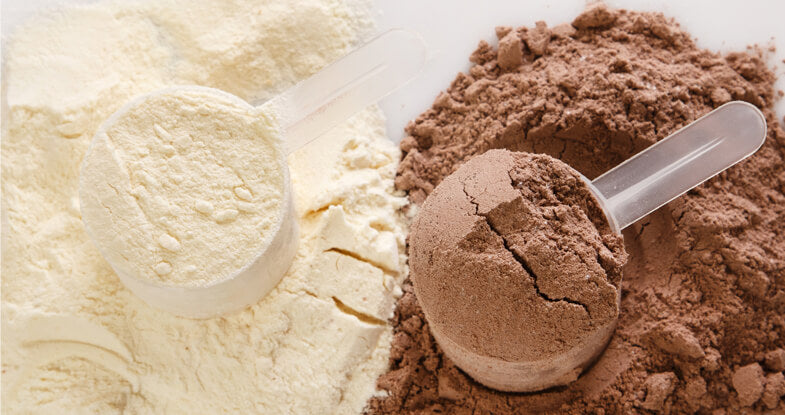
Have you ever wondered how whey protein powder is made? If you use it to boost your workouts or improve your nutrition, knowing where it comes from can make you appreciate it even more.
Making whey protein powder might sound complicated, but it’s actually a fascinating process you can understand step by step. By the end of this article, you’ll see how simple ingredients turn into the powerful supplement you rely on—and maybe even how you could make your own.
Ready to uncover the secrets behind your favorite protein boost? Let’s dive in.

Credit: gorillamind.com
Ingredients Needed
Making whey protein powder at home is simple. Start by gathering the right ingredients.
You’ll need milk as the primary ingredient. Optionally, you can add flavors or sweeteners.
Milk Selection
Milk is the key ingredient for whey protein. Choose the right type for best results.
Whole milk provides more fat, while skim milk offers a leaner protein. Both work well for making whey.
- Whole Milk: Rich in flavor, higher in calories
- Skim Milk: Lower fat, lighter taste
- Organic Milk: Free from added hormones
Optional Additives
Additives can enhance the taste of your whey protein. They are not necessary but can be fun to try.
You might want to include flavors or sweeteners. Natural or artificial options are available.
- Vanilla Extract: Adds a sweet, creamy flavor
- Cocoa Powder: For chocolate lovers
- Honey: Natural sweetener
- Stevia: Zero-calorie sweetener
Credit: www.myprotein.com
Preparing The Milk
Making whey protein powder starts with preparing fresh milk. This step is important to get good quality whey.
Milk must be handled carefully to keep its nutrients and make whey extraction easier.
Heating Process
Heat the milk slowly to a warm temperature. This helps kill bacteria and prepare milk for curdling.
Do not boil the milk. Keep it around 85°C (185°F) for about 30 minutes.
- Use a large pot for even heating
- Stir milk gently to avoid burning
- Check temperature with a food thermometer
Adding Coagulants
Add coagulants to the warm milk to separate curds and whey. This step is key to getting whey protein.
Common coagulants include lemon juice, vinegar, or rennet. They cause milk to curdle and form solid curds.
- Pour coagulant slowly while stirring
- Let the milk sit for 30 to 60 minutes
- Curds will form and whey will separate as a clear liquid
Separating Whey
Whey protein powder starts with separating whey from milk. This process removes the liquid whey from solid parts.
The main goal is to get clear whey liquid. This liquid contains proteins we want to turn into powder.
Curd Formation
Curd forms when milk proteins clump together. This happens by adding acid or enzymes to warm milk.
The curd is solid, and the remaining liquid is whey. This step helps separate whey from milk solids.
- Add acid like lemon juice or vinegar to milk
- Heat milk to about 30-40°C (86-104°F)
- Let the milk sit until curds form
- Strain curds to collect the liquid whey
Whey Extraction Methods
Whey can be separated using different techniques. Each method changes whey’s purity and protein content.
Common methods include filtration and centrifugation. These help remove fats and solids from whey liquid.
- Microfiltration removes fat and bacteria
- Ultrafiltration separates proteins from water
- Centrifugation spins whey fast to separate layers
- Spray drying turns whey liquid into powder
Straining And Filtering
Straining and filtering are important steps in making whey protein powder. These steps help separate the liquid whey from solid parts. This process makes the whey pure and ready for drying into powder.
Filtering removes unwanted particles and improves the texture of the final product. It ensures that the whey protein powder is smooth and free of lumps.
Using Cheesecloth
Cheesecloth is a fine, woven fabric used to strain whey from curds. It acts like a filter to catch solid bits while letting liquid whey pass through.
To use cheesecloth, place it over a large bowl or container. Pour the whey mixture onto the cloth. Then, gather the edges and squeeze gently to remove extra liquid.
- Use several layers of cheesecloth for better filtering
- Allow whey to drip naturally before squeezing
- Rinse the cloth after use to keep it clean
Removing Impurities
Impurities in whey can include fat, small curds, and other solids. Removing these impurities improves protein quality and taste.
Use fine filters or membranes after straining with cheesecloth. These tools trap tiny particles and clear the whey further. This step is key before drying the whey into powder.
- Use fine mesh filters for better clarity
- Repeat filtering if whey looks cloudy
- Keep equipment clean to avoid contamination
Drying The Whey
Drying whey is an important step to make whey protein powder. It removes water from liquid whey. This makes the whey easier to store and use.
There are different ways to dry whey. Two common ways are sun drying and using a dehydrator. Both help turn whey into powder form.
Sun Drying Techniques
Sun drying uses natural heat from the sun to dry whey. Spread the whey thinly on clean trays or mats. Place them under direct sunlight.
Make sure to cover the whey with a thin mesh to keep insects away. Stir the whey often to dry evenly. Sun drying can take several hours or days.
- Use clean, flat trays or mats
- Spread whey in a thin layer
- Cover with mesh to protect from insects
- Stir whey regularly for even drying
- Place trays in direct sunlight
- Bring trays inside at night to avoid moisture
Using A Dehydrator
A dehydrator is an electric device that dries whey fast. It uses warm air to remove moisture. This method is more controlled than sun drying.
Pour the whey onto dehydrator trays. Set the temperature around 130°F to 140°F (54°C to 60°C). Drying takes several hours depending on the amount.
- Use clean dehydrator trays
- Pour whey in a thin layer
- Set temperature between 130°F and 140°F
- Check whey every hour and stir if needed
- Dry until whey is crumbly and dry
Storing Homemade Whey Protein
After making whey protein powder at home, proper storage is key. Good storage keeps it fresh and safe to use.
Storing whey protein the right way stops moisture and bacteria from ruining it. This helps keep its taste and nutrients.
Packaging Tips
Use airtight containers to keep your whey protein dry and fresh. Avoid plastic bags that can let air and moisture in.
Glass jars with tight lids work well. You can also use food-grade plastic containers made for powders.
- Choose containers that seal tightly
- Keep containers clean and dry before use
- Label containers with the date made
- Store in a cool, dry place away from sunlight
Shelf Life Considerations
Homemade whey protein powder lasts less than store-bought versions. It has no preservatives to extend its life.
Use your powder within two weeks for best quality. Watch for changes in smell, color, or texture to know if it spoils.
- Store powder in a dry, cool place
- Keep it away from heat and light
- Check powder for any off smell before use
- Do not use powder if it clumps or changes color
Tips For Enhancing Flavor
Whey protein powder can taste bland or chalky. Adding flavors makes it better to drink.
Simple additions can improve taste without adding too much sugar or calories.
Natural Sweeteners
Natural sweeteners make whey protein powder taste sweet without artificial ingredients.
They add flavor while keeping your shake healthy and low in processed sugar.
- Honey: adds mild sweetness and extra nutrients
- Maple syrup: gives a rich, warm flavor
- Stevia: a calorie-free sweetener from plants
- Agave nectar: a smooth, light sweetener
- Monk fruit extract: sweet with no calories
Flavor Additions
Adding flavors can mask the natural taste of whey protein powder.
You can use spices, extracts, or fruits to improve taste and variety.
- Vanilla extract: classic and smooth flavor
- Cocoa powder: adds chocolate taste without sugar
- Cinnamon: gives warmth and spice
- Frozen berries: add natural sweetness and texture
- Peanut butter: adds creaminess and nutty flavor

Credit: minimonutrition.com
Frequently Asked Questions
What Are The Main Ingredients For Making Whey Protein Powder?
Whey protein powder is made from whey, a byproduct of cheese production. It includes whey concentrate or isolate, and sometimes flavorings or sweeteners for taste.
How Is Whey Protein Separated From Milk?
Whey is separated by curdling milk using enzymes or acid. The liquid whey is then filtered to remove fats and carbs, leaving protein-rich liquid.
What Process Turns Liquid Whey Into Powder?
The liquid whey undergoes filtration and pasteurization. Then it is dried using spray drying or freeze drying to form whey protein powder.
Can I Make Whey Protein Powder At Home?
Making whey protein powder at home is difficult. It requires specialized equipment for filtration and drying to achieve powder form.
Conclusion
Making whey protein powder is a simple process anyone can follow. Start with fresh milk and separate the whey from curds. Then, filter and dry the liquid to get powder form. This powder is rich in protein and easy to use.
You can add it to shakes or recipes for extra nutrition. Understanding this process helps you appreciate the product more. Try making your own whey protein powder at home for freshness. It saves money and ensures you know what you consume.
Give it a shot and enjoy the benefits of homemade whey protein.


