
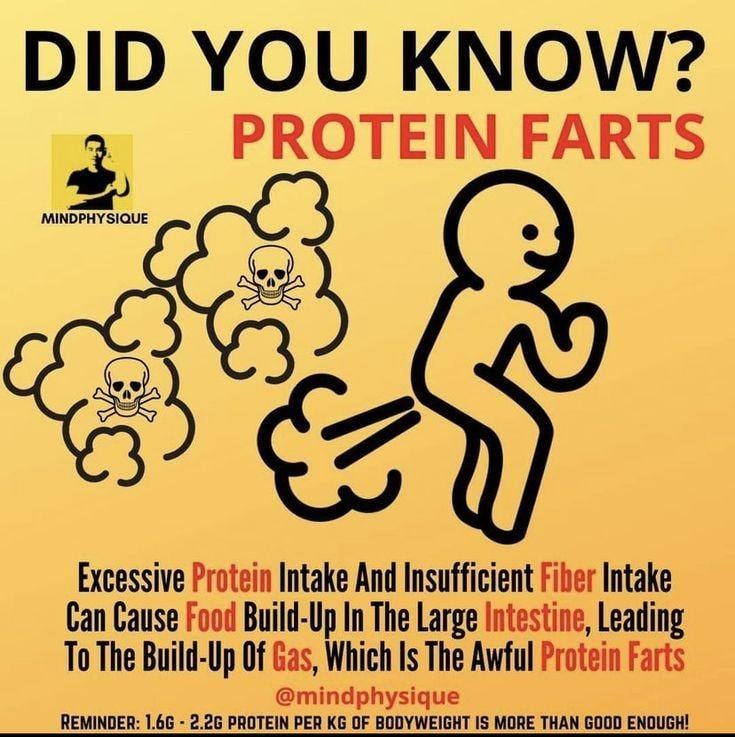
Have you ever wondered if whey protein is the reason behind your sudden gas or bloating? You’re not alone.
Many people who use whey protein notice unexpected digestive issues, and it can be confusing and uncomfortable. But does whey protein really make you fart? Understanding why this happens can help you enjoy your supplements without embarrassment or discomfort. Keep reading to discover the surprising reasons behind this common problem—and how you can fix it.
Why Whey Protein Causes Gas
Many people experience gas after taking whey protein. This can be uncomfortable and embarrassing. Let’s explore why this happens.
Understanding the reasons can help you manage these side effects better. Here are the main causes of gas from whey protein.
Lactose Intolerance And Whey
Whey protein is made from milk. Milk contains lactose, a sugar that some people cannot digest well. This can lead to gas and bloating.
If you are lactose intolerant, your body lacks the enzyme to break down lactose. This results in the production of gas in the intestines.
- Whey protein concentrate has more lactose
- Whey protein isolate has less lactose
- Lactose-free options are available
Digestive Enzymes Role
Digestive enzymes help break down food in the stomach. If there are not enough enzymes, the digestion of whey protein can be incomplete.
This incomplete digestion can cause gas. Some people use enzyme supplements to help with this issue.
- Lactase breaks down lactose
- Protease breaks down proteins
- Enzyme supplements may help reduce gas
Protein Breakdown Process
When you consume protein, your body breaks it down into amino acids. This process can produce gas as a byproduct.
The more protein you consume, the more gas your body might produce. It’s important to adjust your intake based on your body’s response.
- Eat smaller protein portions
- Drink plenty of water
- Monitor your body’s reaction

Credit: www.vivolife.com
Types Of Whey Protein And Gas
Whey protein is a popular supplement for muscle building. Some people notice gas or bloating after taking it.
This gas can depend on the type of whey protein used. Different types affect digestion in different ways.
Concentrate Vs Isolate
Whey concentrate has more fat and lactose than isolate. Lactose can cause gas in some people.
Whey isolate has less lactose because it is more filtered. This makes it easier to digest for many users.
- Concentrate may cause more gas due to lactose content
- Isolate has less lactose and may reduce gas
- People with lactose intolerance should try isolate
Hydrolyzed Whey Benefits
Hydrolyzed whey is broken down into smaller parts. This helps the body absorb it faster.
This fast digestion can reduce gas and bloating. It is gentle on the stomach for many users.
- Hydrolyzed whey digests quickly
- It may cause less gas than concentrate
- Good choice for sensitive stomachs
Other Factors That Increase Gas
Many things can cause gas besides whey protein. Knowing these helps you reduce discomfort.
Gas happens when your body breaks down food. Some foods and habits make this easier or harder.
Diet And Fiber Intake
Eating lots of fiber can cause gas. Fiber feeds bacteria in your gut, which produce gas as they digest it.
High-fiber foods like beans, onions, and broccoli often increase gas. Cutting fiber too fast can also cause problems.
- Soluble fiber ferments and creates gas
- Rapid increase in fiber intake causes bloating
- Some people are more sensitive to certain fibers
Gut Microbiome Influence
Your gut has many bacteria that help digest food. Different bacteria produce different amounts of gas.
If your gut bacteria balance changes, you might get more gas. Some bacteria break down protein better than others.
- More gas-producing bacteria raise gas levels
- Antibiotics can change your gut bacteria
- Probiotics may help balance bacteria and reduce gas
Portion Size Effects
Eating large portions of whey protein or other foods can increase gas. Your digestive system gets overloaded.
Smaller meals help your body digest better and reduce gas production. Overeating makes gas buildup more likely.
- Large meals slow digestion and cause gas
- Small, frequent meals reduce gas risk
- Drink water to help digestion
Tips To Reduce Gas From Whey Protein
Whey protein is a popular supplement for building muscle and staying healthy. Some people feel gassy after using it. This happens because whey has lactose and other ingredients that can cause gas.
You can reduce gas by making smart choices. Here are tips to help you enjoy whey protein without discomfort.
Choosing The Right Whey Type
Whey protein comes in different forms. Some types have less lactose and cause less gas. Whey isolate has less lactose than whey concentrate. It may be easier to digest.
- Whey concentrate contains more lactose
- Whey isolate has less lactose and less gas
- Hydrolyzed whey is pre-digested for easier absorption
Using Lactase Supplements
Some people lack enough lactase, the enzyme that breaks down lactose. Taking lactase supplements can help digest lactose in whey protein. This reduces gas and bloating.
You can buy lactase pills at many stores. Take them before drinking whey protein for best results.
Adjusting Serving Sizes
Large servings of whey protein can cause gas. Your body needs time to digest it. Try smaller servings spread out through the day. This can lower gas and discomfort.
- Start with half the usual amount
- Increase servings slowly over time
- Drink plenty of water with whey protein
Combining With Other Foods
Eating whey protein alone may cause gas. Mix it with other foods that aid digestion. Foods high in fiber or probiotics can help reduce gas.
- Combine whey with fruits like bananas or berries
- Eat yogurt or kefir to add good bacteria
- Avoid foods that are hard to digest with whey
When To See A Doctor
Whey protein can cause gas for some people. Most times, this is not serious.
If you have ongoing or severe problems, you might need medical advice. Knowing when to see a doctor helps keep you healthy.
Persistent Digestive Issues
Some people have long-lasting stomach problems after taking whey protein. This may include constant gas, bloating, or stomach pain.
If these symptoms do not improve or get worse, see a doctor. They can check for other causes and suggest treatment.
- Frequent gas lasting more than a week
- Severe bloating or stomach cramps
- Diarrhea or constipation that stays
Signs Of Allergies
Some people are allergic to whey protein. Allergies need quick medical attention.
Look for signs like rash, itching, or swelling after using whey protein. Trouble breathing is a serious warning.
- Hives or skin rash
- Swelling of face, lips, or throat
- Difficulty breathing or wheezing
- Severe stomach pain or vomiting

Credit: www.aol.com

Credit: www.etsy.com
Frequently Asked Questions
Does Whey Protein Cause Gas Or Bloating?
Whey protein can cause gas or bloating for some people. This happens due to lactose intolerance or sensitivity to dairy. Choosing lactose-free whey or plant-based protein may reduce this issue. Drinking plenty of water and starting with smaller servings also helps minimize discomfort.
How Does Whey Protein Lead To Flatulence?
Whey protein may lead to flatulence because it contains lactose and other fermentable sugars. These sugars ferment in the gut, producing gas. People with lactose intolerance or sensitive digestion are more prone to this side effect. Proper digestion and product choice can reduce gas formation.
Can Lactose Intolerance Make Whey Protein Cause Farting?
Yes, lactose intolerance can make whey protein cause farting. Whey protein concentrates have lactose, which lactose-intolerant people struggle to digest. This undigested lactose ferments in the colon, causing gas and discomfort. Using whey protein isolates or lactose-free alternatives can help prevent this.
What Types Of Whey Protein Minimize Gas?
Whey protein isolates and hydrolysates minimize gas because they contain less lactose. These types are more processed, removing most lactose and fats. They are easier to digest, reducing bloating and flatulence. Choosing these options benefits those sensitive to lactose or dairy products.
Conclusion
Whey protein can cause gas for some people. It depends on your body and digestion. Some ingredients in whey might ferment in your gut. This fermentation can lead to gas and farting. Not everyone will have this problem. Drinking enough water and starting with small amounts helps.
Choosing high-quality whey protein may reduce gas. Listen to your body and adjust your intake. Gas is normal but should not be too bad. Keep track of how your body reacts. Enjoy whey protein without worrying too much.


