
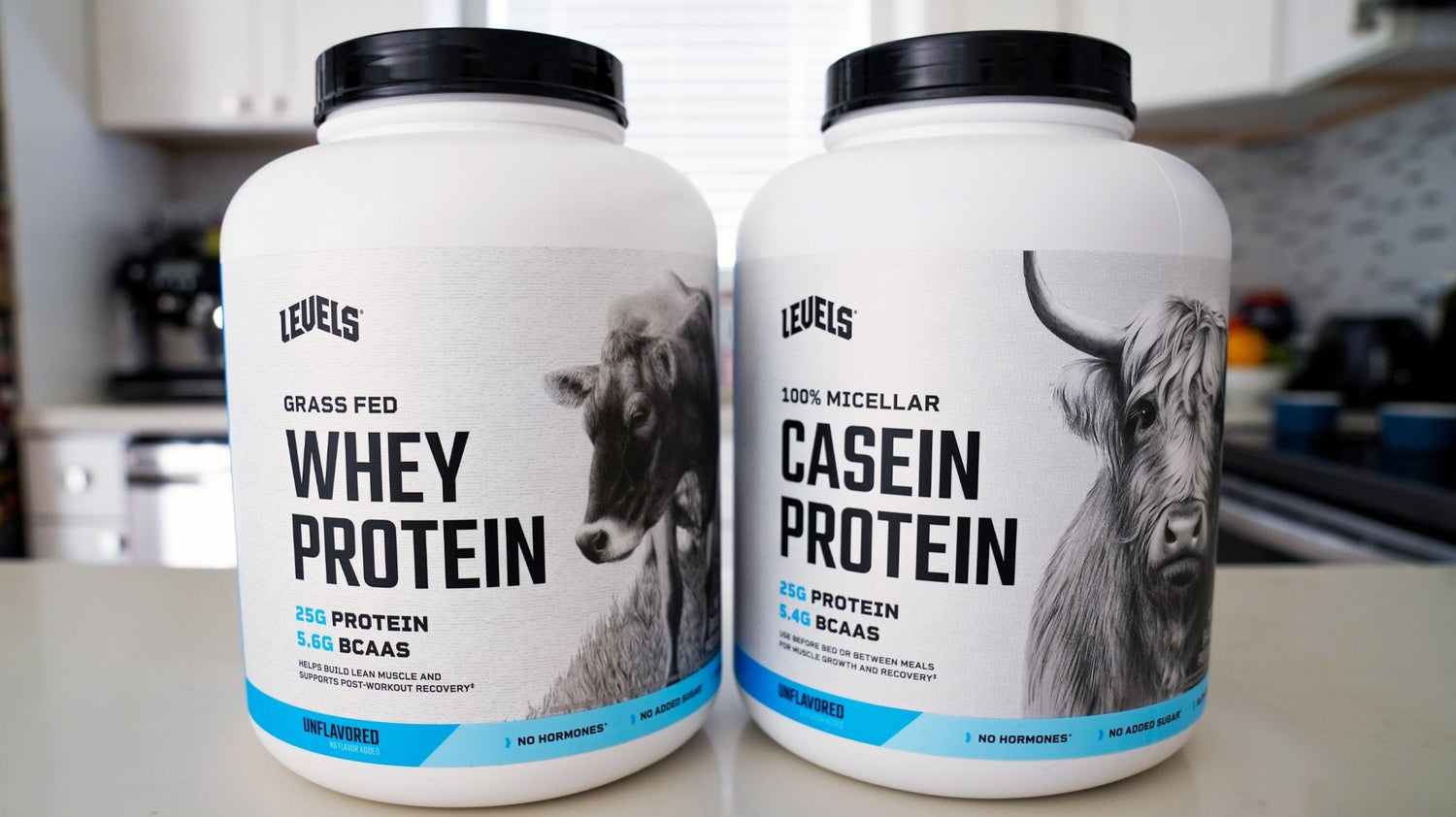
Are you worried that your whey protein shake might be affecting your hormone levels? You’ve probably heard whispers about whey protein increasing estrogen and wondered if it’s true.
Understanding how whey protein impacts your body, especially your hormones, is crucial if you want to stay fit and healthy. You’ll discover the facts about whey protein and estrogen, so you can make informed choices without fear or confusion. Keep reading to clear up the myths and get the truth about whey protein’s effect on your hormones.
Whey Protein Basics
Whey protein is a popular supplement. Many people use it to support their fitness goals. It comes from milk and is a byproduct of cheese making.
People often choose whey protein to help build muscle. It is also used to aid in recovery after exercise.
What Is Whey Protein?
Whey protein is a complete protein. It contains all the essential amino acids needed by the body. These are important for muscle growth and repair.
Whey protein is quickly absorbed by the body. This makes it an ideal choice for post-workout nutrition. Athletes and bodybuilders often rely on it.
Common Uses And Benefits
Whey protein is used to support muscle growth. It can also aid in weight loss and improve athletic performance.
It is known for its ability to boost the immune system. Whey protein also helps in reducing hunger and cravings.
- Helps build and repair muscles
- Aids in weight management
- Improves recovery after workouts
- Supports the immune system
Estrogen And Its Role
Estrogen is a hormone found in both men and women. It plays an important role in many body functions. People often wonder if whey protein affects estrogen levels. To understand this, we first need to learn about estrogen and what it does.
Estrogen helps control how the body grows and develops. It affects many organs and systems. Knowing its role helps us see why changes in estrogen matter.
Functions Of Estrogen In The Body
Estrogen controls growth and development in the body. It helps regulate the reproductive system. It also affects bones, skin, and the heart. Estrogen influences mood and brain function too.
- Supports development of female reproductive organs
- Helps regulate menstrual cycle and fertility
- Maintains healthy bones by preventing bone loss
- Improves skin thickness and elasticity
- Affects brain function and mood regulation
- Helps control cholesterol levels in the blood
Estrogen Levels In Men And Women
Women have higher estrogen levels than men. Estrogen rises during puberty and peaks in adulthood. It drops after menopause. Men have low estrogen but still need it for health.
Estrogen levels vary by age and health. Changes in these levels can affect how the body works. Both low and high estrogen can cause health problems.
- Women: High during reproductive years, low after menopause
- Men: Low but steady levels throughout life
- Estrogen balance is important for bone and heart health
- Hormone changes can affect mood and energy
Myths About Whey Protein And Estrogen
Many people worry that whey protein raises estrogen levels. This idea comes from some common myths and misunderstandings. It is important to know the facts about whey protein and hormones.
This article explains where estrogen concerns come from. It also clears up common wrong ideas about whey protein and estrogen.
Sources Of Estrogen Concerns
Some people think whey protein contains estrogen. They believe it can change hormone balance in the body. This concern comes from how whey is made. Whey comes from milk, which has small natural hormones.
Others worry about added ingredients or contamination. They fear these may increase estrogen or mimic its effects. These ideas spread without strong scientific proof.
- Whey protein is made from cow’s milk, which has tiny hormones
- Hormones in milk are mostly broken down during digestion
- Some fear added chemicals in supplements raise estrogen
- Concerns come from mixing different hormone facts
Common Misconceptions
One common mistake is thinking whey protein acts like estrogen in the body. Whey is a protein, not a hormone. It helps build muscle and repair tissue. It does not change hormone levels directly.
Another myth says whey protein causes estrogen dominance. This means too much estrogen compared to other hormones. No research shows whey protein causes this condition. Many studies find no effect on hormone levels from whey.
- Whey protein is not a hormone or hormone blocker
- It does not increase estrogen production in the body
- Protein helps muscles, not hormone balance
- Scientific studies show no link between whey and high estrogen
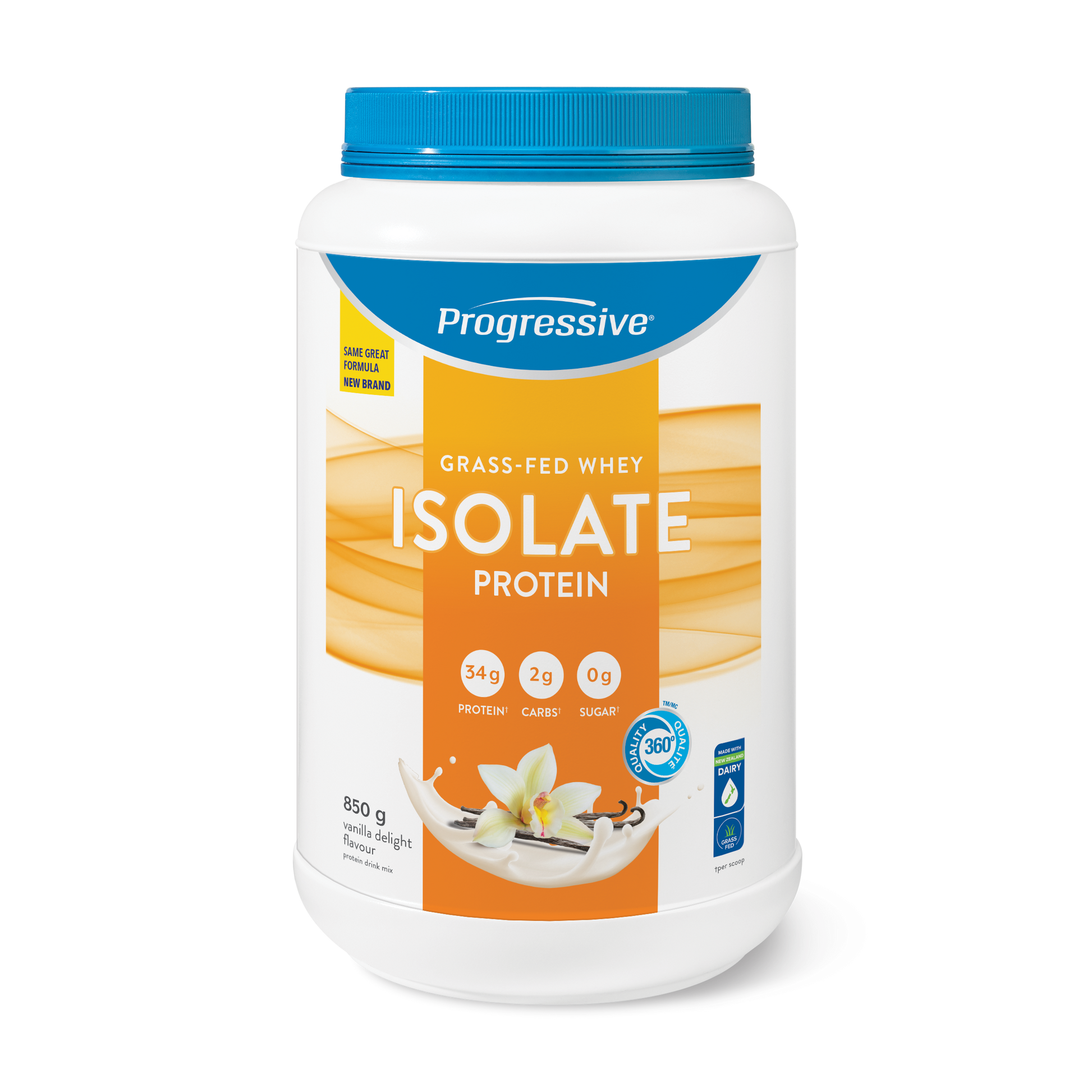
Credit: www.progressivenutritional.com
Scientific Evidence On Whey Protein And Estrogen
Many people ask if whey protein raises estrogen levels. Estrogen is a hormone that affects many body functions. Some worry that whey protein might change hormone balance.
Scientists have studied the effects of whey protein on hormones. The research helps us understand if whey protein impacts estrogen in humans.
Research Findings
Studies show whey protein does not increase estrogen. Most research finds no link between whey protein and higher estrogen levels. Whey protein mainly supports muscle growth and repair.
Some studies tested whey protein with different groups. They looked at hormone changes after whey protein use. These studies did not find significant estrogen changes.
- Whey protein has no strong estrogen-like compounds.
- Animal and human studies show stable estrogen levels.
- Whey supports muscle, not hormone increase.
Impact On Hormone Levels
Whey protein affects hormones like insulin and growth hormone. These help muscle growth but do not raise estrogen. Research shows hormone levels stay balanced with whey protein use.
Some people worry about hormone disruption. Research shows whey protein does not disrupt hormone balance or cause estrogen spikes.
- Whey protein supports healthy hormone function.
- It does not increase estrogen in men or women.
- Hormone levels remain normal with whey use.
Factors Influencing Hormone Balance
Hormones control many body functions. Keeping them balanced is important for health.
Whey protein is popular for muscle growth. Some wonder if it changes estrogen levels.
Diet And Nutrition
Your diet affects hormone levels. Certain foods can raise or lower estrogen.
Whey protein itself does not increase estrogen. But what you eat with it matters.
- Eating many soy products can raise estrogen slightly.
- High-fat diets may affect hormone balance negatively.
- Fruits and vegetables support healthy hormone levels.
- Balanced nutrition helps maintain estrogen in a normal range.
Exercise And Lifestyle
Exercise impacts hormone levels positively. It can lower excess estrogen in the body.
Stress and sleep also influence hormones. Poor habits may cause imbalance.
- Regular exercise helps keep estrogen balanced.
- Stress raises cortisol, which can disturb hormone health.
- Good sleep supports overall hormone production.
- A healthy lifestyle supports stable hormone levels.

Credit: biochemprotein.com
Safe Whey Protein Consumption
Whey protein is popular for building muscle and recovering after exercise. Many wonder if it affects estrogen levels in the body.
Research shows whey protein does not increase estrogen. You can use it safely with the right choices and amounts.
Recommended Dosages
Taking the right amount of whey protein is important. Too much can cause stomach upset or kidney strain.
Most adults benefit from 20 to 30 grams per serving. Aim for one to two servings per day based on your activity level.
- Start with a small dose to check tolerance
- Do not exceed 50 grams daily without medical advice
- Balance protein intake from food and supplements
Choosing Quality Products
Pick whey protein from trusted brands. Low-quality products may contain unwanted additives or contaminants.
Look for products that are tested for purity and have clear ingredient labels. This helps avoid hormone disruptors.
- Choose whey isolate for higher protein purity
- Avoid products with added sugars or fillers
- Check for third-party testing or certifications
Alternatives To Whey Protein
Some people worry if whey protein can raise estrogen levels. If you want to avoid whey, many other protein options exist.
These alternatives can provide good nutrition without concerns about hormones. You can pick from plant-based or other protein sources.
Plant-based Options
Plant-based proteins come from foods like peas, rice, and soy. They often have no hormones and suit many diets.
These options can help build muscle and keep you healthy without adding estrogen.
- Pea protein: High in protein and easy to digest
- Rice protein: Good for sensitive stomachs
- Soy protein: Contains all essential amino acids
- Hemp protein: Rich in fiber and healthy fats
Other Protein Sources
Besides plants, other protein types include eggs, dairy, and meat. These sources provide complete proteins.
They usually do not affect estrogen levels much and support muscle growth well.
- Egg white protein: Low fat and high protein
- Chicken breast: Lean and rich in protein
- Fish: Provides protein plus healthy omega-3 fats
- Cottage cheese: High protein with low lactose
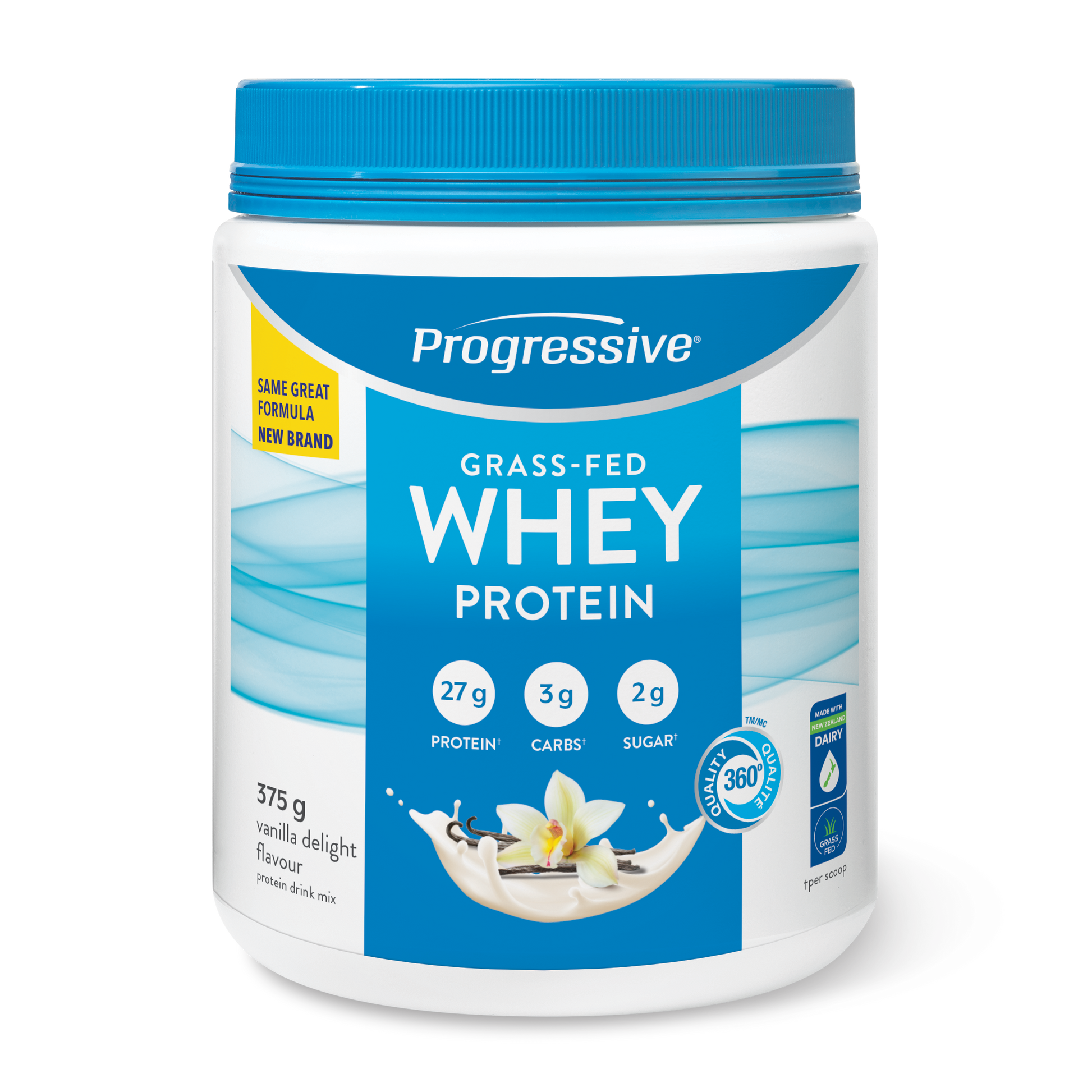
Credit: www.progressivenutritional.com
Frequently Asked Questions
Does Whey Protein Raise Estrogen Levels In Men?
No, whey protein does not raise estrogen levels in men. It is a high-quality protein source that supports muscle growth without affecting hormone balance.
Can Whey Protein Affect Female Estrogen Levels?
Whey protein has no significant effect on female estrogen levels. It provides essential amino acids without altering hormonal balance in women.
Is There Estrogen In Whey Protein Supplements?
Whey protein supplements do not contain estrogen. They are derived from milk proteins and do not include added hormones.
How Does Whey Protein Impact Hormone Balance?
Whey protein supports muscle repair and growth but does not disrupt hormone balance or increase estrogen levels.
Conclusion
Whey protein does not raise estrogen levels in the body. Many studies show no direct link between whey and hormone changes. Most people can use whey safely without hormone worries. Eating a balanced diet and exercising helps maintain healthy hormones.
Always choose quality whey products for best results. Remember, factors like genetics and lifestyle affect estrogen more. Stay informed and listen to your body’s signals. Whey protein remains a good option for muscle growth and recovery.


