
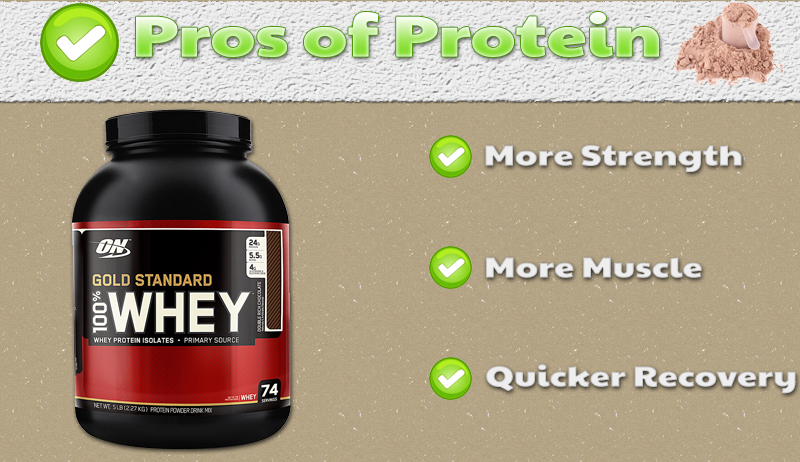
Are you struggling to gain weight despite eating more? You might be wondering if whey protein could be the secret to adding those extra pounds.
Whey protein is often linked to muscle building, but can it actually help you gain weight? If you want to know how whey protein works and whether it fits into your weight gain plan, keep reading. This article will break down the facts, so you can make the best choice for your body and goals.
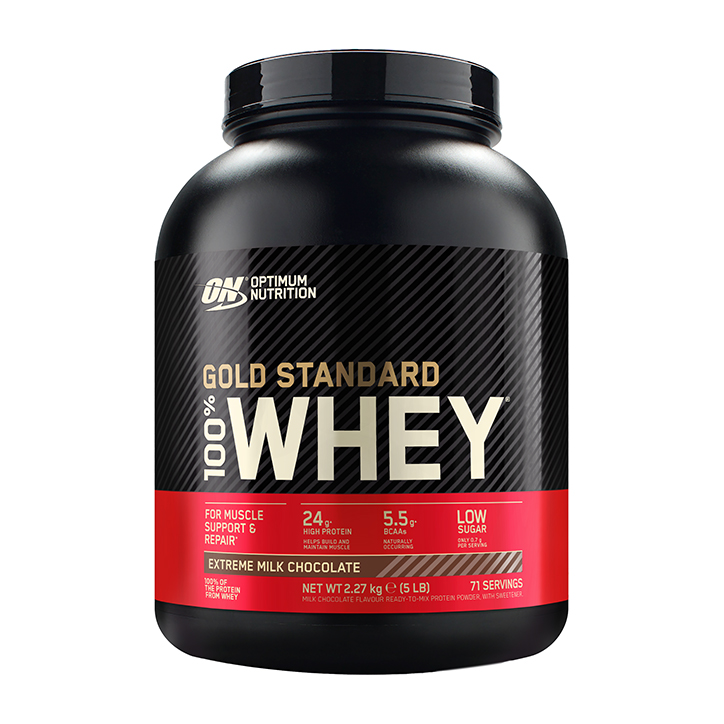
Credit: www.hollandandbarrett.com
Whey Protein Basics
Whey protein is a popular supplement for those looking to gain weight. It is a convenient source of protein, essential for muscle growth and repair.
Whey protein is derived from milk and is easily absorbed by the body. It can be an effective addition to your diet if you aim to gain weight healthily.
What Is Whey Protein?
Whey protein is a byproduct of cheese production. It is the liquid part of milk that separates during this process. Whey is rich in amino acids that are vital for muscle repair.
Whey protein is available in powder form. It can be mixed with water or milk to make a protein shake. It helps increase daily protein intake, supporting muscle gain.
Types Of Whey Protein
There are three main types of whey protein. Each type has different protein content and processing methods.
- Whey Protein Concentrate: Contains some fat and lactose, but less protein.
- Whey Protein Isolate: Has more protein and less fat and lactose.
- Whey Protein Hydrolysate: Predigested for faster absorption.
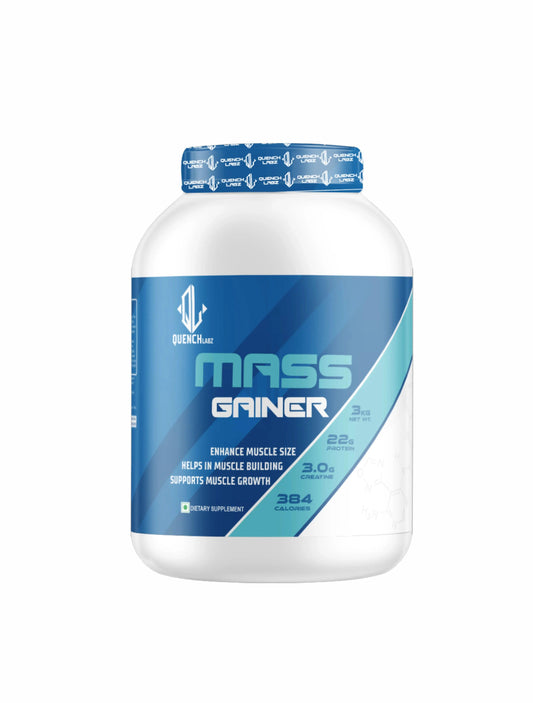
Credit: www.quenchlabz.com
Whey Protein And Muscle Growth
Whey protein is a popular supplement used by many people who want to gain weight. It helps provide the body with extra protein needed for muscle growth.
Muscles need protein to grow bigger and stronger after exercise. Whey protein is easy to digest and contains important amino acids.
Role In Muscle Repair
Exercise causes small damage to muscle fibers. Whey protein helps repair this damage quickly. It gives the body building blocks to fix muscles.
Fast muscle repair reduces soreness and helps muscles recover. This allows for more frequent workouts and better progress.
- Provides amino acids for muscle repair
- Speeds up recovery after exercise
- Reduces muscle soreness
Impact On Muscle Mass
Whey protein supports muscle growth by increasing protein synthesis. This means the body builds new muscle faster.
Regular intake of whey protein, combined with exercise, can lead to bigger and stronger muscles over time.
- Boosts muscle protein synthesis
- Helps increase muscle size
- Supports strength gains
Whey Protein’s Role In Weight Gain
Whey protein is a popular supplement for building muscle. Many people wonder if it helps with weight gain. This depends on how you use it in your diet and exercise plan.
Weight gain happens when you consume more calories than your body burns. Whey protein can support this by adding protein and calories to your meals.
Caloric Surplus And Protein Intake
To gain weight, you need to eat more calories than you burn. Whey protein adds calories and helps increase your total daily intake. It is an easy way to boost calories without eating large meals.
Protein is important for muscle repair and growth. Whey protein provides high-quality protein that your body can use quickly. This helps build muscle when combined with strength training.
- Eating enough calories causes weight gain
- Whey protein adds calories and protein
- Protein supports muscle repair and growth
- Whey is fast digesting and effective
Effect On Lean Body Mass
Whey protein helps increase lean body mass. Lean mass means muscle, not fat. When you eat whey protein with exercise, your muscles grow stronger and bigger.
Gaining lean body mass improves your body shape and strength. It also boosts metabolism, which can help control fat gain during weight gain efforts.
- Whey supports muscle growth
- Increases lean body mass, not fat
- Improves strength and metabolism
- Works best with regular exercise
Scientific Evidence On Weight Gain
Whey protein is a popular supplement used by many people to increase their body weight. It is rich in essential amino acids and helps build muscle. Scientists have studied if whey protein really helps with weight gain.
This article looks at research that tests whey protein’s effects on weight gain. It also compares whey to other protein sources.
Key Studies And Findings
Many studies show whey protein helps increase muscle mass and overall weight. When combined with strength training, whey boosts muscle growth more than no supplement.
One study found that people who took whey protein daily gained more lean body mass over 12 weeks. Another study showed whey helped older adults maintain muscle and weight.
- Whey protein supports muscle repair and growth.
- It increases lean body mass in both young and old.
- Combining whey with exercise yields better weight gain results.
Comparisons With Other Protein Sources
Research compares whey protein to other proteins like casein, soy, and plant proteins. Whey digests quickly and has a high amount of essential amino acids.
Studies show whey often leads to faster muscle recovery and better muscle gain than some other proteins. Casein digests slower, so it is better for long-term protein supply.
- Whey protein has a higher leucine content than most plant proteins.
- It promotes quicker muscle protein synthesis after exercise.
- Plant proteins may require larger amounts to match whey’s effects.
How To Use Whey Protein For Weight Gain
Whey protein can help you gain weight by adding extra calories and protein. It supports muscle growth when combined with the right diet and exercise.
Using whey protein correctly is important for safe and steady weight gain. Learn about the best dosage, timing, and how to combine it with your daily routine.
Optimal Dosage And Timing
For weight gain, aim to take 20 to 30 grams of whey protein per serving. This amount helps your muscles recover and grow after exercise.
Take whey protein within 30 minutes after your workout. This timing helps your body use the protein efficiently for muscle repair.
- 20-30 grams per serving
- 1-2 servings daily
- Best after workouts
- Can also be taken between meals
Combining With Diet And Exercise
Whey protein works best when you eat more calories than you burn. Include healthy carbs and fats in your meals to support weight gain.
Exercise, especially strength training, helps turn the extra protein into muscle. Consistent workouts and enough rest improve your results.
- Eat a calorie surplus with balanced meals
- Include whole grains, fruits, and vegetables
- Do strength training 3-5 times a week
- Rest well to allow muscle growth
Potential Side Effects And Considerations
Whey protein is popular for building muscle and gaining weight. It can help add calories and protein to your diet.
Some people may face side effects or need to consider certain risks before using whey protein.
Digestive Issues
Whey protein can cause stomach discomfort in some people. This happens because it is a dairy product.
Common digestive problems include bloating, gas, and diarrhea. These symptoms may occur if you have trouble digesting lactose.
- Bloating and gas
- Stomach cramps
- Loose stools or diarrhea
- Nausea in some cases
Allergy And Intolerance Risks
People allergic to milk should avoid whey protein. It can cause allergic reactions like rashes or swelling.
Some individuals are lactose intolerant. They lack the enzyme to digest lactose, the sugar in whey protein.
- Skin rash or hives
- Swelling of face or throat
- Difficulty breathing
- Stomach pain or cramps
Alternatives To Whey Protein
Whey protein is popular for building muscle and gaining weight. Some people cannot use whey due to allergies or diet choices. There are many other options to help with weight gain.
These alternatives offer good protein sources. They can fit different diets and preferences. You can find plant-based and whole food options to meet your needs.
Plant-based Proteins
Plant-based proteins come from seeds, beans, and nuts. They are good for people who avoid dairy or animal products. These proteins provide essential amino acids to support muscle growth.
Popular plant-based protein powders include pea, rice, and hemp protein. They mix well with water or milk and add calories for weight gain.
- Pea protein: rich in iron and easy to digest
- Rice protein: hypoallergenic and mild in flavor
- Hemp protein: contains healthy fats and fiber
- Soy protein: complete protein with all essential amino acids
Whole Food Options
Whole foods provide natural protein and nutrients. Eating a variety of whole foods can help with healthy weight gain. These foods also offer vitamins and minerals.
Some whole food sources are easy to add to meals and snacks. They support muscle growth and overall health.
- Eggs: high in protein and healthy fats
- Chicken breast: lean protein for muscle repair
- Greek yogurt: rich in protein and probiotics
- Quinoa: plant-based complete protein and fiber
- Nuts and seeds: provide protein and healthy oils
- Milk: offers protein and calories for weight gain
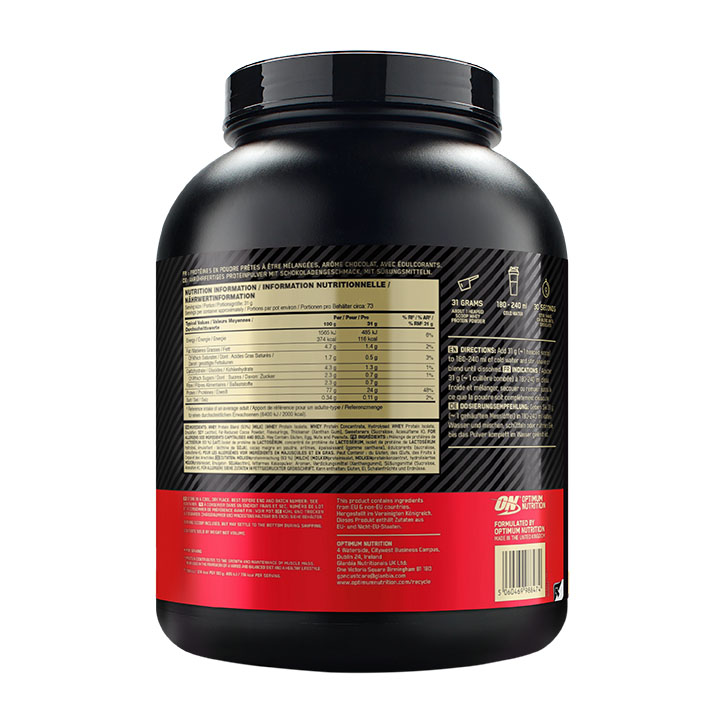
Credit: www.hollandandbarrett.com
Frequently Asked Questions
Does Whey Protein Promote Healthy Weight Gain?
Yes, whey protein supports healthy weight gain by providing essential amino acids. It helps build lean muscle mass when combined with strength training.
How Much Whey Protein Is Needed For Weight Gain?
Consuming 20-30 grams of whey protein post-workout aids muscle recovery and growth, supporting weight gain goals effectively.
Can Whey Protein Alone Cause Weight Gain?
Whey protein alone won’t cause weight gain. It must be part of a calorie surplus diet and consistent exercise routine.
Is Whey Protein Good For Gaining Muscle Mass?
Absolutely, whey protein is rich in BCAAs, which boost muscle synthesis and help increase muscle mass efficiently.
Conclusion
Whey protein can support healthy weight gain by adding extra calories and protein. It helps build muscle when combined with exercise. Eating balanced meals remains important for overall health. Drinking whey protein alone won’t cause weight gain without proper diet and activity.
Choose quality whey products and monitor your progress. Small changes over time create lasting results. Consistency matters more than quick fixes. Keep your goals clear and stay patient. Weight gain happens step by step, with effort and care.


