

Are you worried that your whey protein shake might be causing inflammation in your body? You’re not alone.
Many people wonder if this popular supplement, known for building muscle and aiding recovery, could actually be harming their health. Understanding how whey protein affects inflammation can help you make smarter choices for your diet and well-being. Keep reading to discover the truth behind whey protein and inflammation—so you can fuel your body without fear.
What Is Whey Protein
Whey protein is a popular supplement for fitness enthusiasts. It comes from milk and is used to help build muscle.
When milk is processed to make cheese, whey is the liquid that is left. This liquid is dried into powder form to make whey protein supplements.
Sources And Types
Whey protein is sourced from cow’s milk. There are three main types of whey protein.
- Whey Protein Concentrate (WPC): Contains some fat and lactose.
- Whey Protein Isolate (WPI): Has most fat and lactose removed.
- Whey Protein Hydrolysate (WPH): Pre-digested for quicker absorption.
Nutritional Benefits
Whey protein is rich in essential amino acids. It helps with muscle repair and growth.
It can also support weight loss by increasing satiety. This means you feel full longer after consuming it.
- Promotes muscle growth
- Aids in weight management
- Supports immune function
Inflammation Basics
Inflammation is the body’s way to fight injury or infection. It helps protect and heal damaged tissues.
Sometimes, inflammation lasts too long or happens without a clear cause. This can lead to health problems.
Types Of Inflammation
There are two main types of inflammation: acute and chronic. Acute inflammation is short and helps healing.
Chronic inflammation lasts longer and may cause damage to the body. It can lead to diseases.
- Acute inflammation: short-term, like a cut or infection
- Chronic inflammation: long-term, linked to conditions like arthritis
Common Causes
Inflammation can start from many causes. The body reacts to protect itself from harm.
Some causes come from injury, infection, or ongoing stress on the body.
- Infections from bacteria or viruses
- Physical injury like cuts or bruises
- Exposure to harmful chemicals or toxins
- Chronic diseases like obesity or diabetes
- Autoimmune reactions where the body attacks itself
Whey Protein And Inflammation Link
Whey protein is popular for muscle building and recovery. Some people worry it might cause inflammation in the body.
Understanding if whey protein causes inflammation can help you decide if it fits your diet.
Scientific Studies
Several studies tested how whey protein affects inflammation. Most research shows whey can reduce inflammation in healthy people.
Whey has antioxidants that help fight inflammation. Some studies found it lowers markers like C-reactive protein (CRP).
- Whey protein may reduce inflammation after exercise
- It can support immune function
- Some trials show lower inflammatory markers with whey use
Potential Triggers
Whey protein can cause inflammation in some people. This often happens if they are allergic or sensitive to milk proteins.
Other triggers include additives or sweeteners in whey products. These can irritate the gut and raise inflammation.
- Milk allergy or lactose intolerance can cause inflammation
- Artificial flavors or sweeteners may trigger gut irritation
- High doses might stress the digestive system in some cases

Credit: wildsocietynutrition.com
Allergies And Sensitivities
Whey protein is a popular supplement for building muscle. Some people worry it might cause inflammation.
Inflammation can happen if someone has allergies or sensitivities. This happens often with dairy products like whey.
Lactose Intolerance
Lactose intolerance means the body cannot digest lactose well. Lactose is a sugar found in milk and whey.
People with lactose intolerance may get stomach pain, gas, or bloating after whey protein.
- Whey concentrate has more lactose
- Whey isolate has less lactose
- Symptoms vary by person
Milk Protein Allergy
A milk protein allergy is a reaction to proteins in milk, including whey. It is different from lactose intolerance.
People with this allergy may have swelling, hives, or breathing problems after whey protein.
- Whey protein is a milk protein
- Allergic reactions can be serious
- Consult a doctor if symptoms appear
Whey Protein Benefits For Inflammation
Whey protein is a popular supplement for many people. It helps with muscle growth and overall health.
Some worry if whey protein causes inflammation. This article explains its benefits related to inflammation.
Anti-inflammatory Properties
Whey protein contains bioactive compounds that reduce inflammation. These compounds help lower harmful molecules in the body.
The protein also supports the immune system. It helps the body fight inflammation more effectively and heal faster.
- Rich in cysteine, which boosts antioxidant production
- Helps reduce markers of inflammation like CRP
- Supports immune cells to control inflammation
Muscle Recovery Support
Whey protein helps muscles recover after exercise. It lowers muscle soreness and damage, which can cause inflammation.
Taking whey protein after workouts reduces swelling in muscles. This helps you feel better and recover faster.
- Supplies amino acids to repair muscle tissue
- Decreases muscle inflammation after exercise
- Improves recovery time and reduces soreness
Choosing The Right Whey Protein
Whey protein is popular for building muscle and recovery. Some people worry it might cause inflammation.
Choosing the right type of whey protein can help reduce the risk of inflammation. Quality and ingredients matter a lot.
Isolate Vs Concentrate
Whey isolate has more protein and less fat or lactose than concentrate. It is purer and easier to digest.
Whey concentrate contains more fat and lactose. Some people with sensitivity may feel more inflammation from it.
- Whey isolate: Higher protein, less lactose, less fat
- Whey concentrate: Lower protein, more lactose, more fat
- Isolate is better for sensitive digestion and inflammation
Additives And Quality
Many whey proteins have added sugars, artificial flavors, or preservatives. These can cause inflammation in some people.
Choose whey protein with few or no additives. Look for products with simple ingredients and high-quality standards.
- Avoid artificial sweeteners and colors
- Choose products with minimal ingredients
- Organic or grass-fed whey may reduce inflammation risk
Alternatives To Whey Protein
Some people worry that whey protein may cause inflammation. If you want to avoid it, many other protein options exist. These alternatives can fit different diets and needs.
Choosing the right protein can help you stay healthy and meet your fitness goals. Here are some good options to consider.
Plant-based Options
Plant-based proteins come from fruits, vegetables, and grains. They often have fiber and antioxidants that help reduce inflammation.
Some popular plant protein sources include pea, rice, and hemp protein. These are good for people who avoid dairy or want a vegan option.
- Pea protein is rich in amino acids and easy to digest.
- Rice protein is hypoallergenic and good for sensitive stomachs.
- Hemp protein contains omega-3 fatty acids that fight inflammation.
- Soy protein offers a complete set of essential amino acids.
Other Animal Proteins
Animal proteins other than whey can also provide good nutrition. Some people find these less likely to cause inflammation.
Egg white protein and collagen protein are common alternatives. They are easy to digest and support muscle health.
- Egg white protein has all essential amino acids and is low in fat.
- Collagen protein helps joint and skin health but is not a complete protein.
- Casein protein digests slowly and may reduce muscle breakdown overnight.
- Beef protein isolate is high in protein and low in fat and carbs.

Credit: fullyhealthy.com
Tips To Reduce Inflammation When Using Whey
Whey protein is popular for muscle building and recovery. Some people worry it might cause inflammation.
There are ways to lower inflammation while using whey. These tips can help you stay healthy.
Dietary Considerations
Choose a balanced diet to reduce inflammation. Eating whole foods supports your body’s response.
Include anti-inflammatory foods with your whey protein intake. Avoid processed foods that may increase inflammation.
- Eat fruits and vegetables like berries and leafy greens
- Include healthy fats such as olive oil and nuts
- Limit sugar and refined carbs
- Drink plenty of water throughout the day
Timing And Dosage
Use whey protein in the right amount to avoid stress on your body. Taking too much can cause issues.
Timing your whey intake around workouts may help reduce inflammation. Your body uses protein better this way.
- Take 20 to 30 grams of whey protein per serving
- Consume whey within 30 minutes after exercise
- Do not exceed your daily protein needs
- Space out protein intake during the day
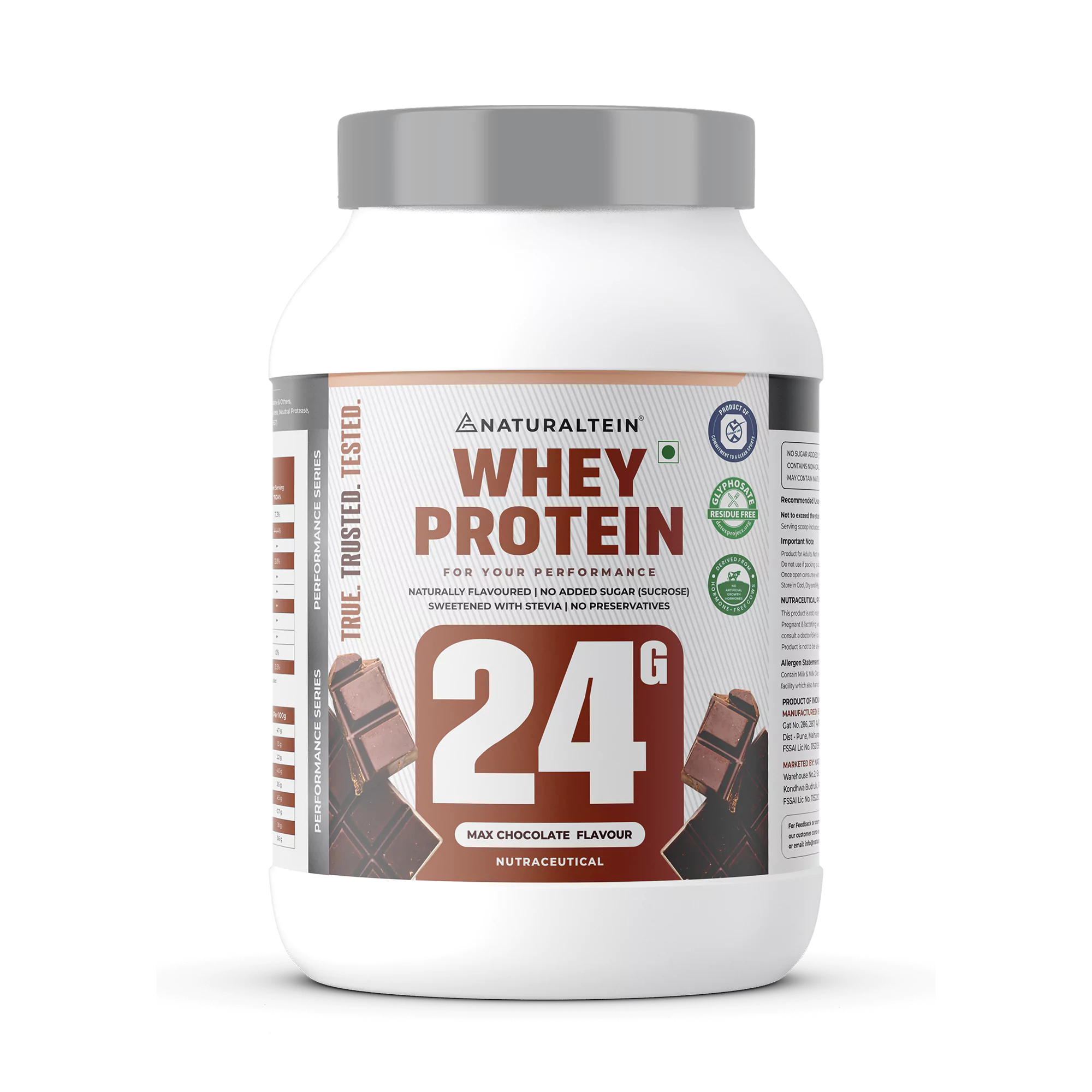
Credit: naturaltein.in
Frequently Asked Questions
Does Whey Protein Increase Inflammation In The Body?
Whey protein generally does not increase inflammation. It contains anti-inflammatory properties that may reduce inflammation in some individuals. However, allergic reactions or intolerance to whey can cause inflammation in sensitive people.
Can Whey Protein Cause Allergic Reactions?
Yes, whey protein can cause allergic reactions in people sensitive to dairy. Symptoms may include inflammation, hives, or digestive issues. Those with milk allergies should avoid whey or consult a healthcare provider.
Is Whey Protein Safe For People With Inflammation?
Whey protein is usually safe for most people with inflammation. It may even help reduce inflammation due to its bioactive peptides. However, individuals with specific allergies should monitor their response carefully.
How Does Whey Protein Affect Gut Health And Inflammation?
Whey protein can promote gut health by supporting beneficial bacteria. Improved gut health often reduces systemic inflammation. Yet, excessive intake or allergies may disrupt gut balance and increase inflammation.
Conclusion
Whey protein does not usually cause inflammation in most people. Some may feel mild discomfort if they have allergies or sensitivities. Choosing high-quality whey can reduce any risk. Balanced diets and proper hydration help your body handle protein well. Listen to your body and adjust intake if needed.
Overall, whey protein can be a safe part of your nutrition plan. Always talk to a healthcare professional if you experience unusual symptoms. Simple steps make whey protein work for you without causing harm.


