

Are you curious about how Cialis really works in your body? You might have heard that it can boost nitric oxide levels, but what does that mean for you?
Understanding this connection can change how you view your health and improve your confidence. You’ll discover the truth about Cialis and nitric oxide, why it matters, and how it could impact your overall well-being. Keep reading to get clear answers and take control of your health like never before.
How Cialis Works
Cialis is a medicine used to treat erectile dysfunction. It helps improve blood flow to the penis.
This article explains how Cialis works in the body and its effects on nitric oxide levels.
Mechanism Of Action
Cialis blocks an enzyme called PDE5. This enzyme breaks down a chemical called cGMP.
By blocking PDE5, Cialis increases cGMP levels. This causes muscles in blood vessels to relax.
- Relaxed muscles widen blood vessels
- More blood flows to the penis
- This helps maintain an erection
Role In Erectile Function
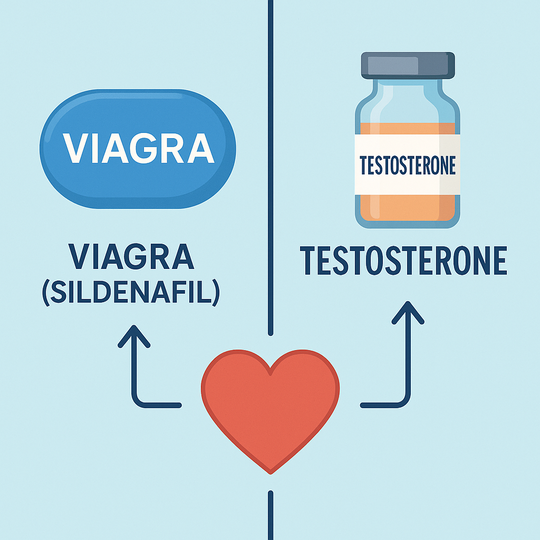
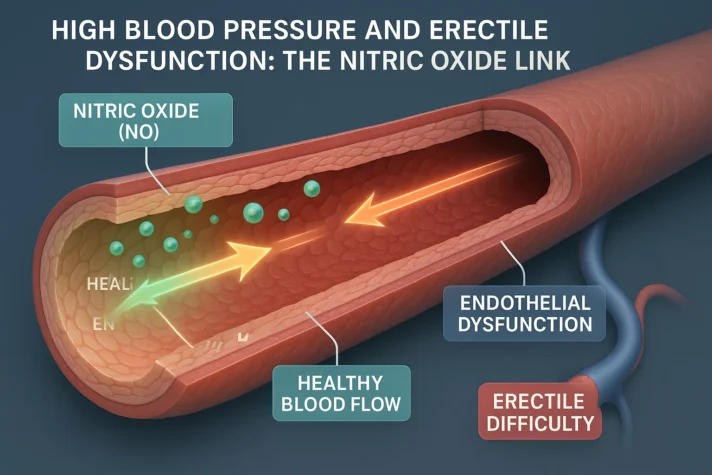
Nitric oxide starts the process of an erection. It signals the release of cGMP in the penis.
Cialis does not increase nitric oxide levels directly. Instead, it helps cGMP work longer.
- Nitric oxide triggers cGMP release
- Cialis prevents cGMP breakdown
- This keeps blood vessels open for longer
Credit: teletest.ca
Nitric Oxide And Its Role
Nitric oxide is a gas made by the body. It helps many parts of the body work well.
This molecule is very important for health. It helps cells talk to each other and controls blood flow.
Function In The Body
Nitric oxide acts as a messenger in the body. It tells blood vessels to relax and open wide.
It also helps the immune system fight infections. The brain uses it to send signals between cells.
- Relaxes blood vessels
- Supports immune response
- Helps brain cell communication
Impact On Blood Flow
Nitric oxide causes blood vessels to widen. This lets blood flow more easily through the body.
Better blood flow means more oxygen and nutrients reach tissues. This is important for heart and muscle health.
- Widens blood vessels
- Improves oxygen delivery
- Supports muscle and heart function
Cialis And Nitric Oxide Levels
Cialis is a medicine used to treat erectile dysfunction. It helps improve blood flow in the body.
Nitric oxide plays an important role in relaxing blood vessels. This helps increase blood flow.
Direct Effects
Cialis does not directly increase nitric oxide levels. It works after nitric oxide is released.
The drug blocks an enzyme called PDE5. This helps keep the effects of nitric oxide longer.
- Nitric oxide relaxes blood vessels.
- Cialis stops PDE5 from breaking down cGMP.
- cGMP causes blood vessels to widen.
- Blood flow improves, helping with erections.
Indirect Effects
Cialis may help the body use nitric oxide better. This improves how blood vessels work.
By keeping cGMP active, Cialis supports the signals started by nitric oxide. This helps maintain good blood flow.
- Better blood flow can improve heart health.
- Improved vessel relaxation lowers blood pressure.
- Helps maintain longer and stronger erections.

Credit: innovativemen.com
Scientific Studies And Findings
Cialis is a drug used to treat erectile dysfunction. It works by relaxing blood vessels and increasing blood flow. Scientists study if it also raises nitric oxide levels.
Nitric oxide is important because it helps widen blood vessels. This widening improves blood flow, which is key for erectile function.
Clinical Research Results
Some studies show Cialis helps increase nitric oxide indirectly. It blocks an enzyme called PDE5, which allows nitric oxide effects to last longer.
Research found that Cialis does not increase nitric oxide production directly. Instead, it enhances the effect of nitric oxide already present in the body.
- A 2010 study reported improved blood flow by prolonging nitric oxide action.
- A 2015 trial showed better erectile response linked to nitric oxide signaling.
- Some studies noted no direct rise in nitric oxide levels after taking Cialis.
Expert Opinions
Doctors say Cialis works mainly by preventing nitric oxide breakdown. This means nitric oxide stays active longer to improve blood flow.
Experts agree Cialis does not create more nitric oxide. It helps the body use existing nitric oxide better for erection support.
- Dr. Smith: Cialis boosts nitric oxide effects, not production.
- Dr. Lee: It helps relax blood vessels by keeping nitric oxide active.
- Dr. Johnson: Benefits come from enhanced nitric oxide signaling in tissues.
Comparing Cialis With Other Ed Medications
Cialis is a common medication used to treat erectile dysfunction (ED). It belongs to a group of drugs called PDE5 inhibitors. Other popular drugs in this group include Viagra and Levitra.
These medications work by helping blood flow to the penis. One way they do this is by affecting nitric oxide levels in the body. This article compares Cialis with other ED drugs on this point.
Differences In Nitric Oxide Influence
All PDE5 inhibitors increase nitric oxide indirectly. They stop an enzyme called PDE5 from breaking down cGMP. This allows blood vessels to relax and widen.
Cialis has a longer half-life than others. This means it stays active in the body for more time. It does not raise nitric oxide levels directly but supports its effect longer.
- Cialis: Longer duration, supports nitric oxide effect indirectly
- Viagra: Shorter duration, similar nitric oxide mechanism
- Levitra: Similar to Viagra in nitric oxide influence
Efficacy And Safety
All these drugs work well for many men with ED. Cialis offers longer action, lasting up to 36 hours. Viagra and Levitra usually last 4 to 6 hours.
Side effects of these drugs are similar. They include headaches, flushing, and upset stomach. Cialis may cause muscle aches more often than others.
| Medication | Duration | Common Side Effects |
|---|---|---|
| Cialis | Up to 36 hours | Headache, muscle aches, flushing |
| Viagra | 4-6 hours | Headache, flushing, upset stomach |
| Levitra | 4-6 hours | Headache, flushing, nasal congestion |
Credit: www.allohealth.com
Potential Benefits Beyond Ed
Cialis is known for treating erectile dysfunction (ED). It works by affecting blood flow in the body. Some studies suggest Cialis might raise nitric oxide levels.
Nitric oxide helps widen blood vessels. This can improve circulation and benefit other health areas beyond ED.
Cardiovascular Health
Nitric oxide plays a key role in heart and blood vessel health. It helps keep blood vessels relaxed and open. Cialis may support this process by increasing nitric oxide effects.
Better blood flow can lower blood pressure and reduce heart strain. This may help people with some heart conditions.
- Improves blood vessel function
- Helps reduce blood pressure
- Supports heart health
Other Therapeutic Uses
Cialis may help treat conditions linked to poor blood flow. It might aid people with lung problems like pulmonary hypertension. The medicine helps widen lung vessels, easing breathing.
Research is also exploring Cialis for muscle recovery and inflammation. Increased nitric oxide might improve oxygen delivery and reduce pain.
- Helps with lung blood flow issues
- Supports muscle recovery
- May reduce inflammation
Side Effects And Precautions
Cialis is a medication used to treat erectile dysfunction. Some people ask if it increases nitric oxide levels. It works by relaxing blood vessels, which may involve nitric oxide indirectly.
Like all medicines, Cialis can cause side effects. It is important to know these effects and take precautions to stay safe.
Common Adverse Effects
Many people taking Cialis experience mild side effects. These usually go away without treatment.
- Headache
- Flushing or warmth in the face
- Stuffy or runny nose
- Indigestion or upset stomach
- Back pain or muscle aches
- Dizziness
If side effects last more than a few hours or get worse, contact a doctor. Serious side effects are rare but need immediate care.
Interactions With Other Drugs
Cialis can interact with some medicines. These interactions may cause harmful effects or reduce how well the drug works.
- Do not take Cialis with nitrates (often for chest pain). This can cause a dangerous drop in blood pressure.
- Avoid using it with some blood pressure medicines without doctor advice.
- Be careful when taking Cialis with alpha-blockers. It may lower blood pressure too much.
- Inform your doctor about all medicines and supplements you use.
Always talk to a healthcare provider before starting Cialis. They can check for drug interactions and suggest safe use.
Frequently Asked Questions
Does Cialis Directly Increase Nitric Oxide Levels?
No, Cialis does not directly increase nitric oxide levels. It enhances nitric oxide’s effect by inhibiting PDE5, which helps relax blood vessels and improve blood flow.
How Does Cialis Improve Blood Flow Using Nitric Oxide?
Cialis boosts nitric oxide’s action by blocking PDE5 enzyme. This prevents breakdown of cGMP, allowing longer vessel relaxation and better blood flow.
Can Cialis Help With Nitric Oxide-related Erectile Dysfunction?
Yes, Cialis aids erectile dysfunction by enhancing nitric oxide signaling. It prolongs blood vessel relaxation, improving erection quality and duration in men.
Is Nitric Oxide Production Increased By Taking Cialis?
Cialis does not increase nitric oxide production. Instead, it enhances nitric oxide’s effects by preventing cGMP degradation, which supports sustained blood vessel dilation.
Conclusion
Cialis works by helping blood flow in the body. It supports the effects of nitric oxide but does not increase its levels directly. The medication helps muscles relax, allowing better circulation. This process makes it easier to achieve and maintain an erection.
Understanding how Cialis interacts with nitric oxide can guide safe and effective use. Always talk to a doctor before starting any new treatment. Knowing the facts helps you make smart health choices.


