
Are you wondering if you can take probiotics and multivitamins together without any problems? You’re not alone.
Many people want to boost their health with supplements but worry about mixing them the wrong way. Understanding how these two work in your body can help you make smarter choices. Keep reading to discover the facts and clear up the confusion so you can feel confident about what you put into your body every day.

Credit: www.lemon8-app.com
Probiotics And Multivitamins Basics
Many people take supplements to stay healthy. Probiotics and multivitamins are common choices.
Understanding what they do helps you use them right. This guide explains their basics.
What Are Probiotics
Probiotics are live bacteria and yeasts. They are good for your digestive system.
These helpful microbes balance the bacteria in your gut. They support digestion and immunity.
What Are Multivitamins
Multivitamins are supplements with many vitamins and minerals. They fill nutrition gaps in your diet.
People take them to support overall health and prevent nutrient deficiencies.
How They Work In The Body
Probiotics add good bacteria to your gut. They help break down food and fight bad germs.
Multivitamins supply nutrients your body needs to work well. Each vitamin has a special role.
- Vitamin C helps your immune system
- Vitamin D supports bone health
- B vitamins give you energy
- Minerals like zinc aid healing
Potential Interactions
Many people take probiotics and multivitamins to improve their health. It is important to know if these supplements work well together.
Some interactions can affect how well your body absorbs and uses these nutrients.
Absorption And Effectiveness
Probiotics are live bacteria that help your gut. Multivitamins have vitamins and minerals your body needs. Some vitamins and minerals can affect probiotics.
For example, minerals like calcium and iron may reduce how well probiotics work. They can block probiotic bacteria from growing.
- Calcium can bind to probiotic bacteria.
- Iron supplements may lower probiotic effectiveness.
- Taking probiotics with food can help absorption.
Possible Side Effects
Taking probiotics and multivitamins together is usually safe. Some people may feel mild stomach upset or gas.
Taking too many vitamins or probiotics at once can cause discomfort. Watch for symptoms like bloating, diarrhea, or nausea.
- Gas and bloating are common with probiotics.
- High doses of vitamins may cause stomach pain.
- Stop supplements if side effects are severe.
Timing And Dosage Considerations
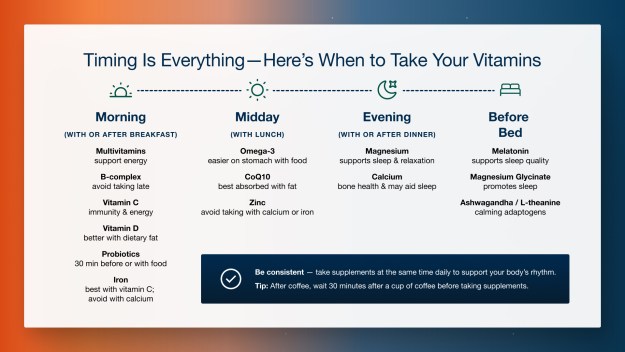
Taking probiotics and multivitamins at different times helps improve absorption. Probiotics work best on an empty stomach.
Multivitamins are often better absorbed with food. Space out your supplements by at least two hours if possible.
- Take probiotics 30 minutes before meals.
- Take multivitamins with or after meals.
- Follow the dosage instructions on the label.
Health Benefits Of Combining Them
Taking probiotics and multivitamins together can support your overall health. Both supplements work in different ways to help your body.
Probiotics add good bacteria to your gut. Multivitamins provide essential nutrients that your body needs every day.
Boosting Immune Function
Probiotics help balance your gut bacteria, which plays a big role in your immune system. Multivitamins supply vitamins like C and D that support immune health.
Taking both together can strengthen your body’s defenses against illness and infection.
- Probiotics improve gut barrier and immune signals
- Vitamin C helps white blood cells fight germs
- Vitamin D enhances immune response
Improving Digestive Health
Probiotics restore healthy bacteria in your digestive system. This helps with digestion and reduces bloating or discomfort.
Multivitamins provide nutrients that aid digestion, like B vitamins and zinc. They help your body break down food better.
- Probiotics support digestion and nutrient absorption
- B vitamins help convert food into energy
- Zinc supports enzyme function in digestion
Supporting Nutrient Balance
Multivitamins fill in gaps when your diet lacks important vitamins and minerals. Probiotics help your body absorb these nutrients more efficiently.
Together, they promote better nutrient balance and overall wellness.
- Multivitamins provide key vitamins and minerals
- Probiotics enhance nutrient absorption in the gut
- Good nutrient levels support energy and health
:max_bytes(150000):strip_icc()/VWH-GettyImages-1494386155-a3ebcec264eb470e8c735e14f1042cc3.jpg)
Credit: www.verywellhealth.com
Who Should Consider Taking Both
Many people wonder if they can take probiotics and multivitamins together. Both supplements support health but work differently.
Some groups of people may benefit from taking both to improve their overall well-being.
People With Nutrient Deficiencies
People who lack certain vitamins or minerals might need multivitamins to fill gaps. Probiotics help balance gut bacteria, which can improve nutrient absorption.
Taking both can support better digestion and nutrient use in the body.
- Those with poor diet or limited food variety
- People with anemia or vitamin D deficiency
- Individuals recovering from illness or surgery
Those With Digestive Issues
Digestive problems can reduce how well the body absorbs vitamins. Probiotics help restore healthy gut bacteria and improve digestion.
Multivitamins provide essential nutrients that might be low due to poor absorption.
- People with irritable bowel syndrome (IBS)
- Those with chronic diarrhea or constipation
- Individuals after antibiotic treatment
Individuals With Specific Health Goals
Some people take probiotics and multivitamins to support their health goals. They may want better immunity, energy, or gut health.
Using both supplements can help meet these goals by providing nutrients and supporting digestion.
- Athletes needing more vitamins and good digestion
- Older adults wanting to boost immune function
- People managing weight or metabolic health
Tips For Safe And Effective Use
Taking probiotics and multivitamins together can support your health. It is important to use them safely and effectively.
This guide helps you choose good supplements, talk to health experts, and watch how your body reacts.
Choosing Quality Supplements
Choose supplements made by trusted brands. Look for products that show clear labels and ingredients.
Check if the supplements have been tested by third-party labs. This helps ensure they are safe and contain what they say.
- Look for seals from independent testers
- Pick supplements with clear expiration dates
- Avoid products with unknown or artificial ingredients
Consulting Healthcare Professionals
Ask your doctor or pharmacist before starting probiotics and multivitamins. They know your health history best.
Tell them about all medicines and supplements you use. This helps avoid bad interactions and side effects.
- Share any allergies or health conditions
- Discuss the right doses for you
- Ask how to take supplements with food or water
Monitoring Your Body’s Response
Watch how your body feels after taking probiotics and multivitamins. Note any changes or side effects.
If you feel upset stomach, headaches, or skin issues, stop using the supplements and talk to a doctor.
- Keep a daily log of symptoms or improvements
- Check for changes in digestion or energy levels
- Report unusual effects to your healthcare provider

Credit: doxlet.com
Frequently Asked Questions
Can I Take Probiotics And Multivitamins Together Daily?
Yes, you can take probiotics and multivitamins together daily. They generally do not interfere with each other’s absorption. Taking them with meals may improve effectiveness and reduce stomach upset. Always follow recommended dosages and consult your healthcare provider for personalized advice.
Do Probiotics Affect Multivitamin Absorption?
Probiotics typically do not affect multivitamin absorption negatively. In fact, healthy gut bacteria can sometimes enhance nutrient absorption. However, timing may matter; taking them at different times could optimize benefits. Consult a healthcare professional if you have concerns about specific nutrient interactions.
What Is The Best Time To Take Probiotics With Multivitamins?
The best time to take probiotics and multivitamins is usually with meals. Food can protect probiotics from stomach acid and improve multivitamin absorption. Some people prefer taking probiotics earlier and multivitamins later, but consistency and personal tolerance matter most.
Are There Any Risks Combining Probiotics And Multivitamins?
Combining probiotics and multivitamins is generally safe for most people. Rarely, some may experience mild digestive discomfort. Allergic reactions or interactions with medications are possible but uncommon. Always check ingredient labels and consult your doctor if you have health conditions or concerns.
Conclusion
Taking probiotics and multivitamins together is usually safe for most people. Both support your health in different ways. Probiotics help your gut, while multivitamins fill nutrient gaps. Still, check with your doctor before starting any supplements. Some ingredients might interact or affect absorption.
Pay attention to timing and dosages for best results. Listen to your body and adjust if needed. A balanced diet also matters a lot. Combining supplements wisely can help you stay healthy and feel good every day.


