
Have you ever wondered if it’s possible to have too many electrolytes in your body? You might think that since electrolytes are essential for your health, more is always better.
But what if having too much could actually harm you? Understanding the balance of electrolytes is key to keeping your body running smoothly. You’ll discover what happens when your electrolyte levels go beyond the safe limit and how to keep them just right for your well-being.
Keep reading—you won’t want to miss these important insights that could affect your health every day.
Credit: runningdirections.com
Electrolytes And Their Role
Electrolytes are minerals in your body that carry an electric charge. They help your body work properly and keep you healthy.
Too many electrolytes can cause problems. It is important to understand what they do and where they come from.
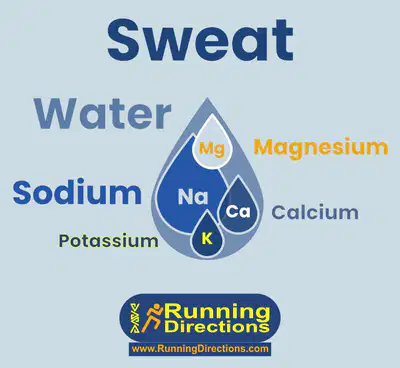
Key Electrolytes In The Body
Your body has several important electrolytes. Each one has a special job to keep you alive and active.
- Sodium (Na+)
- Potassium (K+)
- Calcium (Ca2+)
- Magnesium (Mg2+)
- Chloride (Cl-)
- Bicarbonate (HCO3-)
- Phosphate (PO43-)
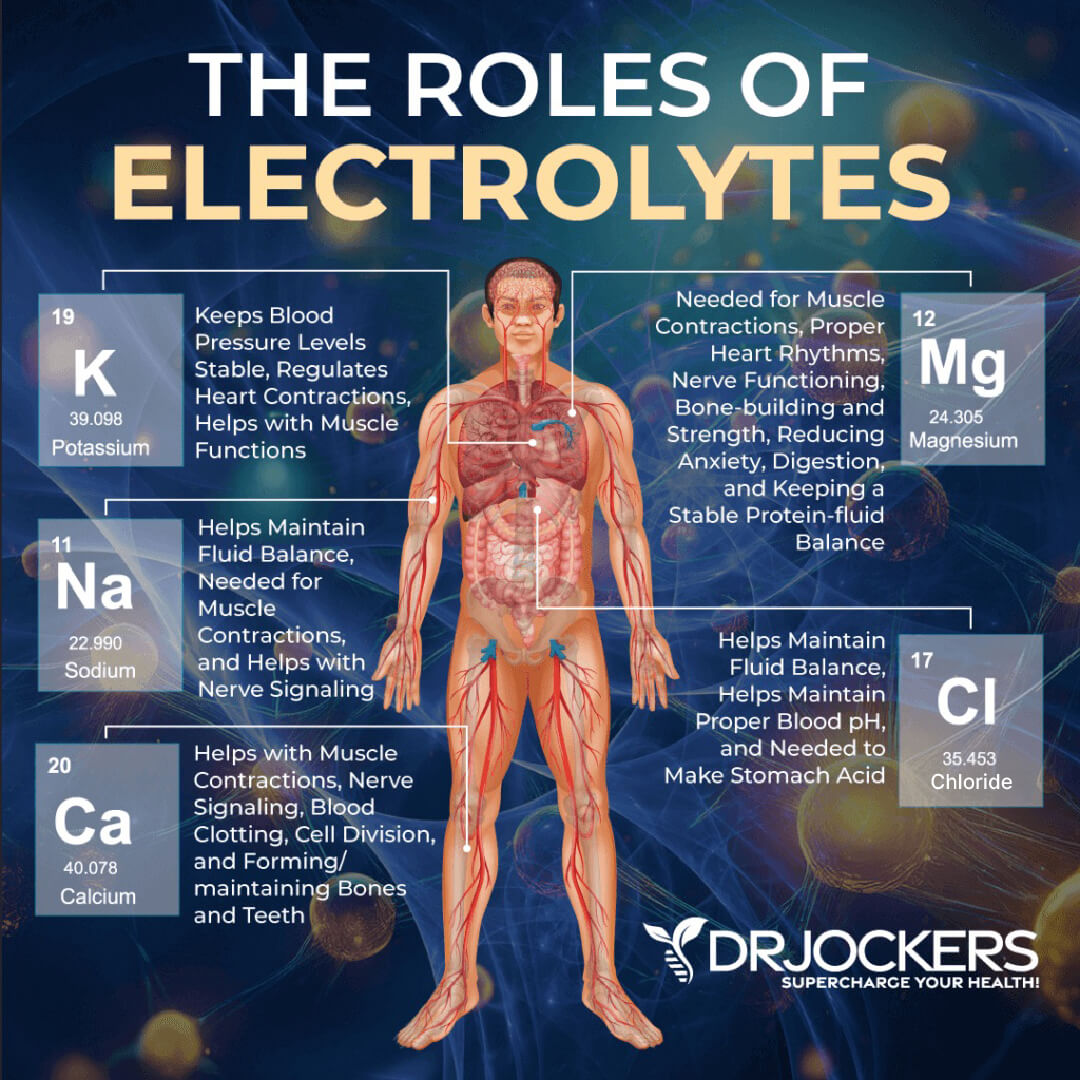
Functions Of Electrolytes
Electrolytes keep your body balanced and working well. They help muscles move and nerves send signals.
They also control water levels and keep your blood pH stable. Without them, your body cannot function properly.
- Regulate muscle contractions
- Transmit nerve signals
- Maintain fluid balance
- Control blood pressure
- Support acid-base balance
Sources Of Electrolytes
You get electrolytes from the food and drinks you consume. Eating a balanced diet helps keep your levels normal.
Some drinks and foods have more electrolytes than others. Knowing which ones contain electrolytes can help you stay healthy.
- Fruits like bananas and oranges
- Vegetables like spinach and potatoes
- Dairy products like milk and cheese
- Salt and salty foods
- Sports drinks and electrolyte supplements
Signs Of Excess Electrolytes
Electrolytes are minerals that help your body work properly. They control nerve and muscle function. Too many electrolytes can cause health problems.
Knowing the signs of excess electrolytes can help you stay healthy. It is important to recognize when your body has too much.
Symptoms Of Electrolyte Imbalance
When electrolytes are too high, your body shows clear symptoms. These symptoms can affect different parts of your body.
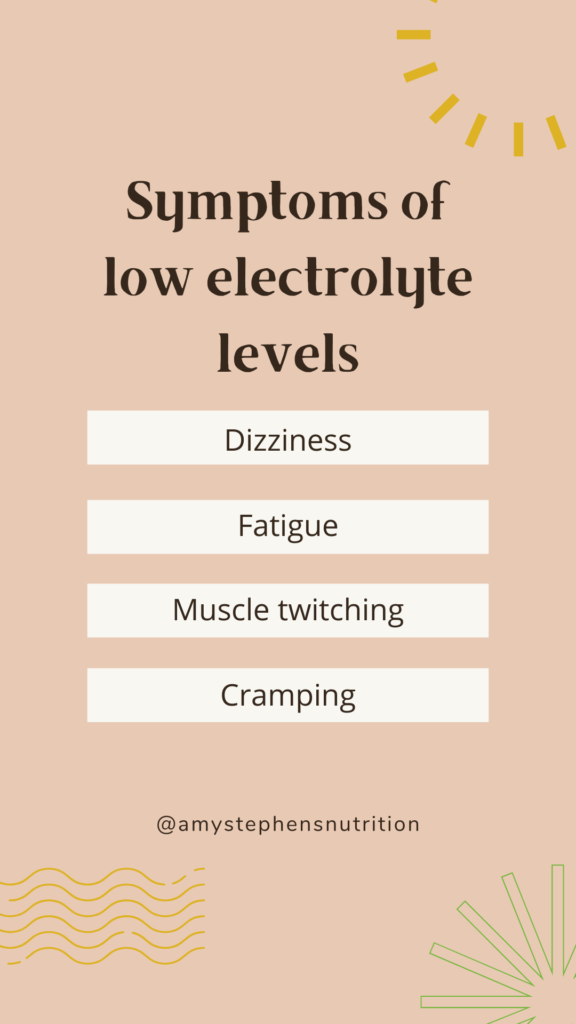
- Muscle weakness or cramps
- Fatigue and tiredness
- Nausea or vomiting
- Irregular heartbeat
- Confusion or dizziness
- Headaches
- Increased thirst
Common Electrolytes In Excess
Some electrolytes are more likely to be too high than others. Knowing which ones can help you understand the problem.
- Sodium: Too much can cause swelling and high blood pressure.
- Potassium: High levels can affect heart function.
- Calcium: Excess may lead to weak muscles and kidney issues.
- Magnesium: Too much can cause low blood pressure and slow heartbeat.
How Excess Electrolytes Affect The Body
High electrolyte levels disrupt how your body works. They interfere with nerves, muscles, and organs.
Too many electrolytes can cause serious problems, including heart and kidney damage. It is important to keep them balanced.
- Heart problems like irregular rhythms
- Muscle spasms or weakness
- Kidney strain or failure
- Brain confusion and dizziness
- Dehydration or swelling
Causes Of Electrolyte Overload
Electrolytes are minerals that help your body work properly. Too many electrolytes can cause problems. This is called electrolyte overload.
Electrolyte overload happens when the balance of minerals like sodium, potassium, or calcium gets too high. Different factors can cause this.
Dietary Factors
Eating too much salt or foods rich in minerals can raise electrolyte levels. Some processed foods have high sodium content. Drinking too many sports drinks can also add extra electrolytes.
- High-salt diets increase sodium levels
- Excessive intake of mineral-rich foods
- Large amounts of sports drinks with electrolytes
Supplements And Medications
Taking supplements with minerals like potassium or calcium can cause overload. Some medications affect how your body keeps electrolytes. These can lead to too much electrolyte in the blood.
- Potassium or calcium supplements
- Diuretics that change electrolyte levels
- Medications for blood pressure or heart issues
Medical Conditions Leading To Excess
Certain health problems can cause electrolyte overload. Kidney disease can reduce the body’s ability to remove extra minerals. Other conditions affect hormone levels that control electrolytes.
- Kidney problems lowering electrolyte removal
- Adrenal gland disorders affecting balance
- Dehydration causing electrolyte concentration
Health Risks Linked To High Electrolytes
Electrolytes are minerals in your body that help with important functions. Too many electrolytes can cause health problems. It is important to know what risks come with high electrolyte levels.
High electrolytes can affect your heart, kidneys, and brain. Learning about these risks helps you stay safe and healthy.
Cardiovascular Complications
Too many electrolytes, especially potassium, can cause heart problems. It may lead to irregular heartbeats or even a heart attack. High sodium can raise blood pressure and strain the heart.
These changes can be dangerous and need medical attention. Keeping electrolyte levels balanced helps your heart work well.
Kidney Damage
The kidneys control electrolyte levels in your body. High electrolytes make the kidneys work harder. Over time, this can cause kidney damage or failure.
People with kidney disease must watch their electrolytes carefully. Too much can worsen their condition and cause serious harm.
Neurological Effects
High electrolytes can affect the brain and nervous system. Symptoms include confusion, headaches, and seizures. These effects happen because nerve signals get disrupted.
It is important to treat high electrolyte levels quickly to prevent lasting brain damage.
Preventing Electrolyte Overload
Electrolytes help your body work well. They control your nerves and muscles. But too many electrolytes can cause problems.
It is important to keep your electrolyte levels balanced. This guide shows how to prevent having too much.
Balancing Electrolyte Intake
Eat foods with the right amount of electrolytes. Don’t take too many supplements unless your doctor says so.
Drink water to help keep electrolytes balanced. Avoid drinks with too much sodium or potassium.
- Choose fresh fruits and vegetables
- Limit processed foods high in salt
- Follow daily recommended electrolyte amounts
Monitoring Electrolyte Levels
Check your electrolyte levels if you feel weak or dizzy. Some medicines can change your electrolyte balance.
Blood tests help doctors see your electrolyte levels. Keep track if you have health issues like kidney problems.
- Watch for symptoms like muscle cramps or confusion
- Have regular check-ups if you take supplements
- Tell your doctor about any new symptoms
When To Seek Medical Advice
Get medical help if you have severe symptoms. These include chest pain, irregular heartbeat, or severe muscle weakness.
Do not wait if you feel very tired or confused. Electrolyte overload can be serious and needs quick care.
- Severe headache or confusion
- Fast or slow heartbeat
- Weakness or numbness in limbs
- Loss of consciousness
Credit: drjockers.com
Treatment Options For Excess Electrolytes
Having too many electrolytes in your body can cause health problems. It is important to treat this condition quickly to avoid serious issues.
Treatment depends on how severe the electrolyte imbalance is. Doctors use different methods to bring levels back to normal safely.
Medical Interventions
Doctors may use medicines or procedures to reduce excess electrolytes. They monitor your blood to guide treatment.
Some treatments include:
- IV fluids to dilute electrolyte concentration
- Medications that help remove excess electrolytes
- Dialysis for severe cases to filter blood
Lifestyle Adjustments
Changing your diet and habits can help control electrolyte levels. Avoid eating too much salt or foods high in potassium.
Other helpful tips include:
- Drink enough water every day
- Limit processed and salty foods
- Follow your doctor’s advice on supplements
- Exercise regularly but avoid extreme dehydration
Emergency Measures
If electrolyte levels become dangerous, immediate care is needed. Symptoms like confusion or irregular heartbeat require fast treatment.
Emergency steps may include:
- Hospital admission for close monitoring
- Rapid IV fluids or medications
- Cardiac monitoring to watch heart rhythm
- Use of dialysis to quickly remove excess electrolytes

Credit: justaddbuoy.com
Frequently Asked Questions
Can You Have Too Much Electrolytes In Your Body?
Yes, consuming too many electrolytes can cause an imbalance. This may lead to symptoms like nausea, muscle weakness, and irregular heartbeat. It’s important to maintain a proper balance for optimal health and avoid excessive intake.
What Are The Risks Of Excess Electrolyte Intake?
Excess electrolytes can cause dehydration, kidney problems, and heart issues. High sodium or potassium levels are especially dangerous. Monitoring intake and consulting a healthcare professional can help prevent these risks.
How To Recognize Signs Of Electrolyte Overdose?
Common signs include dizziness, confusion, muscle cramps, and irregular heartbeat. Severe cases may cause seizures or coma. Early detection and medical attention are crucial for managing overdose symptoms effectively.
Can Electrolyte Supplements Cause Harm If Overused?
Yes, overusing supplements can disrupt your body’s natural balance. This may lead to serious health problems like hypernatremia or hyperkalemia. Always follow recommended dosages and seek medical advice before starting supplements.
Conclusion
Too many electrolytes can cause serious health problems. Balance is key for your body’s proper function. Drinking water alone won’t fix electrolyte issues. Pay attention to your diet and drink choices. Signs like muscle cramps or dizziness need quick action.
Talk to a healthcare provider if unsure about your intake. Staying informed helps you avoid risks and stay healthy. Remember, moderation keeps electrolytes working well for you.


