
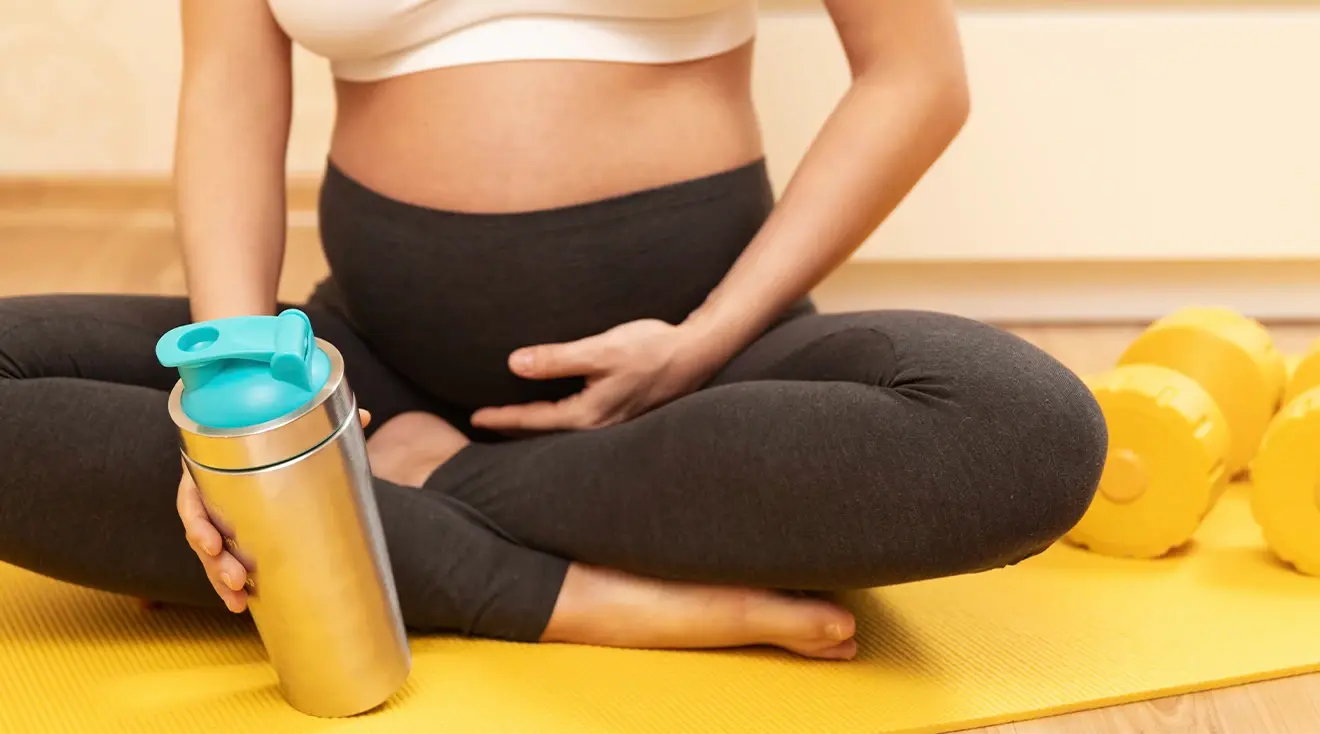
Are you wondering if you can drink whey protein while pregnant? You want to stay healthy and give your baby the best start, but it’s confusing to know what’s safe.
Whey protein is popular for boosting energy and muscle health, but is it the right choice during pregnancy? Keep reading to find out the facts, avoid common mistakes, and learn how to nourish yourself and your baby safely. Your health and your baby’s well-being matter most—and the answers you need are right here.
Whey Protein Basics
Whey protein is a popular supplement among athletes and fitness enthusiasts. It is often used to support muscle growth and recovery.
Many pregnant women wonder if they can safely consume whey protein. Understanding its basics can help make informed decisions.
What Is Whey Protein
Whey protein is derived from milk. It is a byproduct of cheese production. This protein is considered a complete protein.
Complete proteins contain all nine essential amino acids. These are important for the body’s functions.
Types Of Whey Protein
There are three main types of whey protein. Each type has different processing methods and protein content.
- Whey Protein Concentrate: Contains some fat and lactose.
- Whey Protein Isolate: Has higher protein content, less fat, and lactose.
- Whey Protein Hydrolysate: Pre-digested for faster absorption.
Nutritional Profile
Whey protein is rich in essential nutrients. It provides a good source of protein, vitamins, and minerals.
| Nutrient | Amount per 100g |
| Protein | 70-80g |
| Carbohydrates | 5-10g |
| Fats | 1-2g |
Pregnancy Nutritional Needs
Eating the right foods during pregnancy helps both mother and baby stay healthy. Good nutrition supports the baby’s growth and development.
Pregnant women need more energy and nutrients than usual. Meeting these needs helps avoid health problems.
Key Nutrients During Pregnancy
Some nutrients are very important for pregnancy. They help build the baby’s organs, bones, and blood.
- Folic acid helps prevent birth defects in the brain and spine
- Iron supports the increase in blood volume and prevents anemia
- Calcium builds strong bones and teeth for the baby
- Vitamin D aids calcium absorption and bone health
- Protein helps form tissues and muscles in the baby
Protein Requirements
Protein needs increase during pregnancy to support the baby’s growth. It also helps the mother’s body change healthily.
Pregnant women should eat protein from different sources such as meat, eggs, dairy, beans, and nuts.
- Protein builds new cells for the baby
- It helps repair body tissues for the mother
- Aim for about 70 grams of protein daily during pregnancy
Safe Supplement Guidelines
Some women use protein supplements like whey protein during pregnancy. It is important to choose safe options and use them properly.
Always check with a doctor before starting any supplement. The doctor can confirm if the product is safe for the pregnancy.
- Use supplements that are free from harmful additives
- Follow recommended serving sizes on the label
- Avoid supplements with high caffeine or artificial sweeteners
- Focus on balanced meals with natural protein first
Whey Protein And Pregnancy
Many pregnant women look for ways to get enough protein. Whey protein is a popular supplement. It comes from milk and is easy to digest.
This article explains if you can drink whey protein while pregnant. It covers benefits, risks, and common concerns.
Potential Benefits
Protein is important during pregnancy. It helps your baby grow and develop. Whey protein can add to your daily protein needs.
Whey protein may also help maintain your muscle mass. It supports your immune system and can keep you feeling full longer.
- Supports baby’s growth
- Helps maintain mother’s muscle
- Boosts immune system
- Keeps hunger under control
Possible Risks
Some whey protein powders have additives or sweeteners. These may not be safe for pregnant women. Always check labels before use.
Too much protein can cause kidney stress or dehydration. It is best to consume whey protein in moderation and under doctor advice.
- Additives might harm pregnancy
- Excess protein strains kidneys
- Can cause dehydration
- Check with your healthcare provider
Common Concerns
Many women worry about allergies or lactose intolerance. Whey protein usually has low lactose but may still cause issues. Choose isolates if sensitive.
Some ask if whey protein affects breast milk. There is no clear evidence it does. Drink it only in safe amounts and watch for any reactions.
Scientific Research Insights
Pregnant women often wonder if whey protein is safe during pregnancy. Understanding scientific research helps make a good choice.
Whey protein is a popular supplement for extra nutrition. It is important to study its effects on both mother and baby.
Studies On Whey Protein Use
Several studies have tested whey protein use during pregnancy. Research mainly focuses on its safety and benefits.
Some studies show whey protein can help support healthy weight gain in pregnant women. It also provides essential amino acids.
Effects On Mother And Baby
Whey protein may improve the mother’s muscle strength and energy during pregnancy. It also helps meet increased protein needs.
Research has not found harmful effects on babies when mothers consume moderate whey protein. Babies need protein for growth and development.
- Supports mother’s muscle maintenance
- Provides essential amino acids for baby
- Helps meet increased nutritional needs
- No clear evidence of harm to babies
Expert Recommendations
Experts advise pregnant women to consult a doctor before using whey protein. Dosage and individual health matter.
Doctors often recommend natural food sources first. Whey protein supplements can be used if extra protein is needed.
- Talk to your healthcare provider
- Prefer protein from whole foods
- Use supplements only if needed
- Follow recommended daily protein intake
Choosing The Right Whey Protein
Pregnant women may consider whey protein to support their nutrition. Choosing the right type is important for safety and health.
Not all whey proteins are the same. Look closely at quality, ingredients, and source before buying.
Quality Indicators
Good whey protein has clear quality signs. It should be pure, tested, and made in a safe facility.
Check for certifications that show the product meets health standards. These marks mean the protein is safe for pregnant women.
- Look for third-party testing labels
- Choose whey from reputable brands
- Check for clear nutrition facts
- Pick protein with minimal fillers
Additives And Allergens
Some whey proteins contain additives that may not be safe during pregnancy. Avoid products with artificial sweeteners or colors.
Check allergen warnings carefully. Dairy allergies or lactose intolerance can affect your choice of whey protein.
- Avoid artificial sweeteners like sucralose
- Stay away from added colors and flavors
- Check if lactose levels are low or zero
- Be mindful of soy or gluten in blends
Organic And Natural Options
Organic whey protein comes from cows raised without hormones or antibiotics. It often has fewer chemicals and additives.
Natural whey proteins usually have simple ingredients. They can be better for sensitive pregnant women looking for clean nutrition.
- Choose whey labeled as organic certified
- Look for grass-fed dairy sources
- Pick products with no artificial ingredients
- Natural options often taste milder
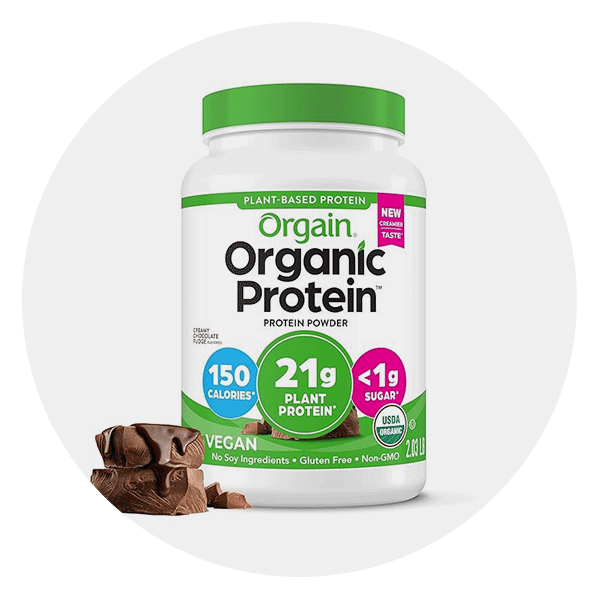
Credit: www.thebump.com
Safe Consumption Tips
Whey protein can help pregnant women meet their increased protein needs. It is important to consume it safely during pregnancy. This guide shares tips for safe use.
Pregnant women should focus on proper amounts, timing, and medical advice. These steps ensure both mother and baby stay healthy.
Recommended Dosages
The amount of whey protein to take during pregnancy depends on individual needs. Most pregnant women need about 70 grams of protein daily.
Whey protein can help reach this goal, but it should not replace whole foods. Keep whey protein intake moderate.
- Limit whey protein to 20-30 grams per serving
- Consume no more than one or two servings daily
- Balance protein sources with vegetables, grains, and dairy
Timing And Frequency
Spread whey protein intake throughout the day to help digestion. Avoid taking large amounts at once.
Consider taking whey protein after meals or as a snack. This supports steady protein absorption and energy levels.
- Take whey protein post-workout to aid muscle repair
- Use whey protein between meals if extra protein is needed
- Avoid consuming whey protein late at night
Consulting Healthcare Providers
Talk with your doctor or dietitian before starting whey protein. They can help tailor your protein needs safely.
Medical advice is important to avoid allergies, intolerances, or excess intake. Keep your healthcare provider informed about all supplements you use.
- Discuss any health conditions before use
- Share your diet and supplement plan with your provider
- Follow professional recommendations for dosage and timing
Alternative Protein Sources
Pregnant women need enough protein for their baby’s growth. Some may wonder if whey protein is safe. It is good to know other protein options too. These alternatives can help meet daily protein needs.
Choosing varied protein sources supports a healthy pregnancy. This guide shows plant-based proteins, whole food options, and balanced diet strategies.
Plant-based Proteins
Plant proteins come from vegetables, beans, nuts, and seeds. They provide good protein without added animal fats. These are often easier to digest during pregnancy.
Examples of plant-based proteins include lentils, chickpeas, tofu, and quinoa. They also offer fiber and vitamins important for mom and baby.
- Lentils are rich in protein and iron
- Chickpeas add protein and fiber
- Tofu is a versatile soy protein
- Quinoa contains all essential amino acids
Whole Food Options
Whole foods give protein along with other nutrients. Eggs, dairy, meat, and fish are good protein sources. Choose fresh, minimally processed foods for better nutrition.
Pregnant women can eat cooked chicken, salmon, or Greek yogurt. These support healthy weight gain and baby development.
- Eggs provide protein and choline
- Salmon offers protein and omega-3 fats
- Chicken is a lean protein source
- Greek yogurt adds protein and calcium
Balanced Diet Strategies
Mix different protein sources for better nutrition. Eating various foods helps meet all essential amino acids. Balance meals with carbs, fats, and vitamins too.
Try combining beans with rice or nuts with whole grains. Small frequent meals with protein help manage hunger and energy.
- Include protein at every meal
- Combine plant proteins to get all amino acids
- Eat colorful fruits and vegetables
- Drink enough water daily
- Limit processed and sugary foods
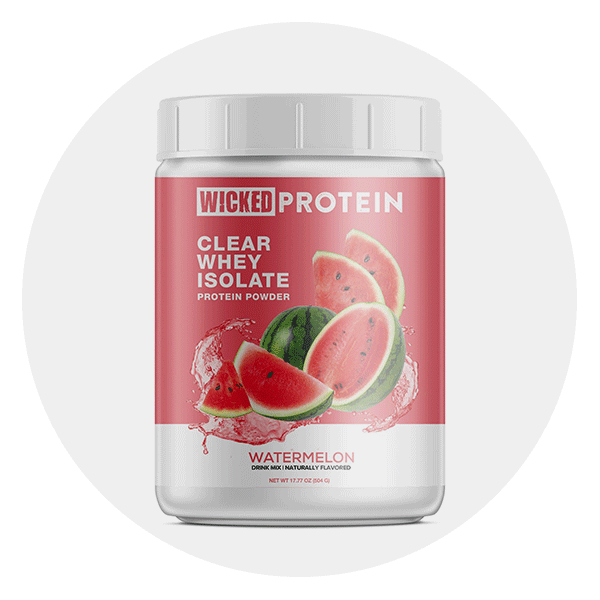
Credit: www.thebump.com

Credit: www.readysetgrownutrition.com
Frequently Asked Questions
Can Pregnant Women Safely Consume Whey Protein?
Yes, pregnant women can consume whey protein safely in moderation. It supports muscle health and provides essential amino acids. However, consult a healthcare provider to ensure it suits your pregnancy needs.
Is Whey Protein Beneficial During Pregnancy?
Whey protein can be beneficial during pregnancy by aiding muscle repair and supporting fetal growth. It provides extra protein but should complement a balanced diet, not replace whole foods.
How Much Whey Protein Is Safe While Pregnant?
Typically, 20-30 grams of whey protein daily is safe during pregnancy. Excessive intake may cause digestive issues. Always follow your doctor’s advice for personalized protein needs.
Can Whey Protein Cause Pregnancy Complications?
Whey protein rarely causes pregnancy complications if consumed in recommended amounts. Avoid products with harmful additives or artificial sweeteners. Discuss any concerns with your healthcare provider.
Conclusion
Whey protein can support pregnancy nutrition but needs care. Speak with your doctor before adding it to your diet. Quality and quantity matter for both mother and baby. Natural food sources remain important for balanced nutrition. Choose trusted whey protein products without harmful additives.
Safe choices help your baby grow strong and healthy. Stay informed and listen to your body’s needs. Your health and your baby’s health come first. Simple steps make a big difference during pregnancy.


