

Are you wondering if whey protein could make you gain weight? You’re not alone.
Many people start using whey protein to build muscle but worry it might add unwanted pounds instead. The truth isn’t as simple as yes or no. Your body, your diet, and how you use whey all play a role. Keep reading to discover how whey protein really affects your weight and what you can do to reach your goals without surprises.

Credit: www.gq.com
What Is Whey Protein?
Whey protein is a popular supplement for those looking to build muscle. It is derived from milk during the cheese-making process.
Whey is quickly absorbed by the body, making it ideal for post-workout recovery. It contains all the essential amino acids your body needs.
Types Of Whey Protein
There are different types of whey protein available. Each type is processed differently, affecting its nutritional profile.
- Whey Protein Concentrate: Contains some fat and lactose. It is about 70-80% protein.
- Whey Protein Isolate: Almost all fat and lactose are removed. It is about 90% protein.
- Whey Protein Hydrolysate: Pre-digested for faster absorption.
Nutritional Profile
Whey protein is rich in essential nutrients. It provides a high amount of protein per serving.
It also contains vitamins and minerals important for overall health. Its amino acid content supports muscle growth and repair.
| Nutrient | Amount per 100g |
| Protein | 70-90g |
| Fat | 1-3g |
| Carbohydrates | 1-5g |
How Whey Protein Affects Body Weight
Whey protein is a popular supplement for many people. Some wonder if it can make them gain weight. The answer depends on how you use it.
Whey protein provides nutrients that can help your body in different ways. Understanding its calorie content and effect on muscle is key.
Calorie Content And Weight Gain
Whey protein contains calories like other foods. If you eat more calories than you burn, you will gain weight. Whey protein adds calories to your diet.
Using whey protein without adjusting your food can lead to extra calorie intake. This extra energy can cause weight gain over time.
- One scoop usually has about 100 to 130 calories
- Calories add up if you take multiple servings
- Extra calories can turn into fat if unused
Muscle Growth And Mass Increase
Whey protein helps build muscle when combined with exercise. Muscle weighs more than fat, which can increase your body weight.
Gaining muscle is healthy weight gain. It improves strength and changes your body shape. Whey protein supports this growth by providing needed protein.
- Protein helps repair and grow muscle
- More muscle means higher metabolism
- Muscle growth can raise your weight on the scale
Whey Protein And Fat Gain
Whey protein is a popular supplement for building muscle. Some people worry it can cause fat gain.
Understanding how whey protein affects weight depends on calories and lifestyle. It does not directly cause fat gain.
Excess Calories And Fat Storage
Eating more calories than your body needs leads to fat storage. Whey protein adds calories like other foods.
If you consume extra whey protein without burning those calories, your body stores the surplus as fat.
- Calories in whey protein count towards your daily total
- Extra calories from any food can cause fat gain
- Balance calories eaten with calories burned to control weight
Role Of Diet And Exercise
Your diet and exercise habits affect how whey protein impacts your weight. Proper balance helps avoid fat gain.
Combining whey protein with regular exercise supports muscle growth and fat loss. Without activity, extra protein may add fat.
- Eat whey protein within your daily calorie needs
- Include strength and cardio exercises in your routine
- Monitor your total food intake for weight control
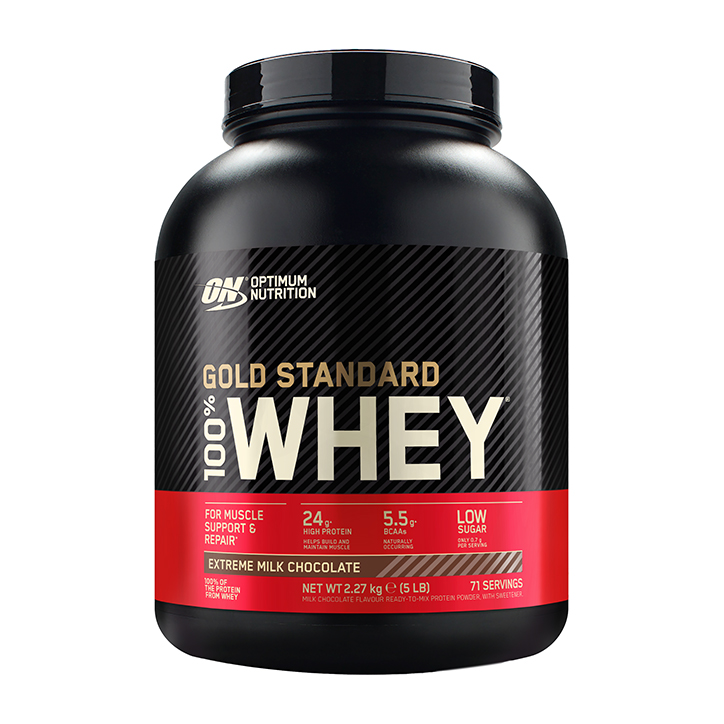
Credit: www.hollandandbarrett.com
When Whey Protein Leads To Weight Gain
Whey protein is a popular supplement used to build muscle and support fitness goals. It contains calories and nutrients that your body uses for energy and repair.
While whey protein helps many people gain muscle, it can also cause weight gain if not used carefully. Understanding when this happens is important for managing your weight.
Overconsumption Risks
Eating too much whey protein adds extra calories to your diet. These extra calories can turn into fat if your body does not use them for energy.
Taking more whey protein than your body needs does not speed up muscle growth. Instead, it can cause unwanted weight gain and stress your kidneys.
- Extra calories from protein can cause fat gain
- Excess protein might strain kidneys over time
- Too much protein can lead to digestive issues
Ignoring Overall Calorie Intake
Whey protein adds calories just like any other food. If you eat more calories than you burn, you will gain weight.
Some people add whey protein shakes on top of their regular meals. This can make total calorie intake too high for their activity level.
- Track all calories, not just protein servings
- Balance protein with other nutrients and activity
- Use whey protein to replace snacks, not add more food
Benefits Of Whey Protein For Weight Management
Whey protein is a popular supplement for people who want to manage their weight. It helps support muscle growth and repair. It also provides important nutrients while keeping calories low.
Using whey protein can help control hunger and improve how your body uses energy. These effects may help with losing or maintaining weight.
Appetite Control
Whey protein helps reduce hunger by making you feel full longer. This can lead to eating less food during the day. It is useful for those who want to avoid overeating.
Protein increases the release of hormones that signal fullness. These hormones help lower cravings and stop snacking between meals.
- Increases feelings of fullness
- Reduces overall calorie intake
- Helps control cravings and snacking
Boosting Metabolism
Whey protein can increase your metabolism by helping build muscle. Muscle burns more calories than fat, even when you rest. This helps your body burn more energy throughout the day.
Eating protein also uses more energy to digest than fats or carbs. This effect is called the thermic effect of food. It means your body burns more calories after eating whey protein.
- Supports muscle growth
- Increases resting calorie burn
- Boosts energy used to digest food
Tips To Use Whey Protein Without Gaining Fat
Whey protein is a popular supplement for building muscle. Some people worry it may cause weight gain.
Using whey protein the right way can help you gain muscle without adding fat. Here are some tips.
Choosing The Right Amount
Taking too much whey protein can add extra calories and lead to fat gain. Use only what your body needs.
Check your daily protein needs based on your weight and activity level. Stick to this amount.
- Average adult needs about 0.8 to 1 gram of protein per kilogram of body weight
- Athletes may need up to 1.5 grams per kilogram
- Do not exceed recommended servings on the whey protein label
Combining With Balanced Diet
Whey protein works best with a balanced diet. Include fruits, vegetables, and whole grains with your protein.
Eating too many calories from other foods can cause fat gain, even if you use whey protein properly.
- Balance protein with healthy fats and carbohydrates
- Limit high sugar and processed foods
- Drink water and avoid sugary drinks

Credit: in.fastandup.com
Frequently Asked Questions
Can Whey Protein Cause Weight Gain?
Whey protein can cause weight gain if consumed in excess. It adds extra calories, which may lead to fat gain. Proper portion control and balanced diet are essential to avoid unwanted weight gain while using whey protein supplements.
How Does Whey Protein Affect Muscle Growth?
Whey protein supports muscle growth by providing essential amino acids. It helps repair and build muscles after workouts. Regular intake, combined with strength training, promotes lean muscle mass and improves overall body composition.
Is Whey Protein Suitable For Weight Loss?
Yes, whey protein can aid weight loss by promoting satiety and preserving muscle mass. It helps control appetite and supports metabolism. Incorporating whey protein in a calorie-controlled diet can enhance fat loss results effectively.
When Is The Best Time To Take Whey Protein?
The best time to take whey protein is within 30 minutes after exercise. This timing optimizes muscle recovery and growth. It can also be consumed as a meal replacement or snack to meet daily protein needs.
Conclusion
Whey protein can help build muscle or add weight, depending on your diet. Eating more calories than you burn causes weight gain, not protein alone. Using whey wisely supports fitness goals without unwanted fat gain. Balance protein intake with exercise and healthy meals.
Watch your portions and choose quality whey products. Your body responds to total food and activity, not just supplements. Keep track of your progress and adjust as needed. Simple habits make a big difference over time. Protein is a tool, not a magic solution.


