
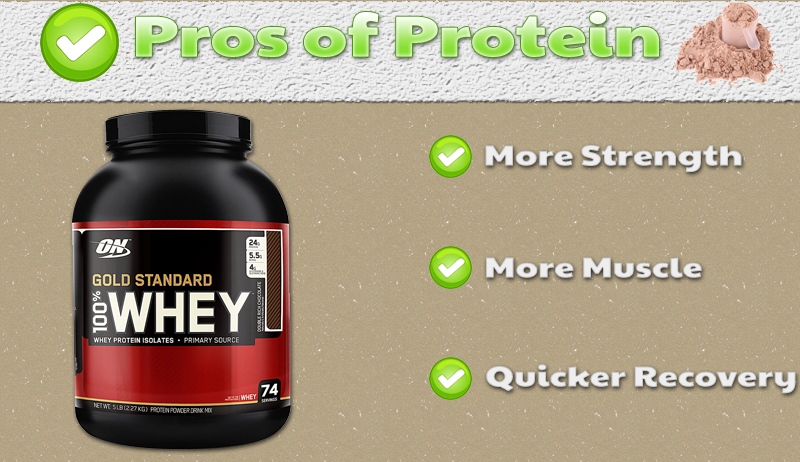
Are you worried that adding whey protein to your diet might make you gain unwanted fat? You’re not alone.
Many people wonder if this popular supplement could be the hidden culprit behind weight gain. But what if the truth isn’t as simple as it seems? Understanding how whey protein really affects your body can help you make smarter choices and reach your health goals faster.
Keep reading, because the answer might surprise you—and it could change the way you think about your nutrition forever.
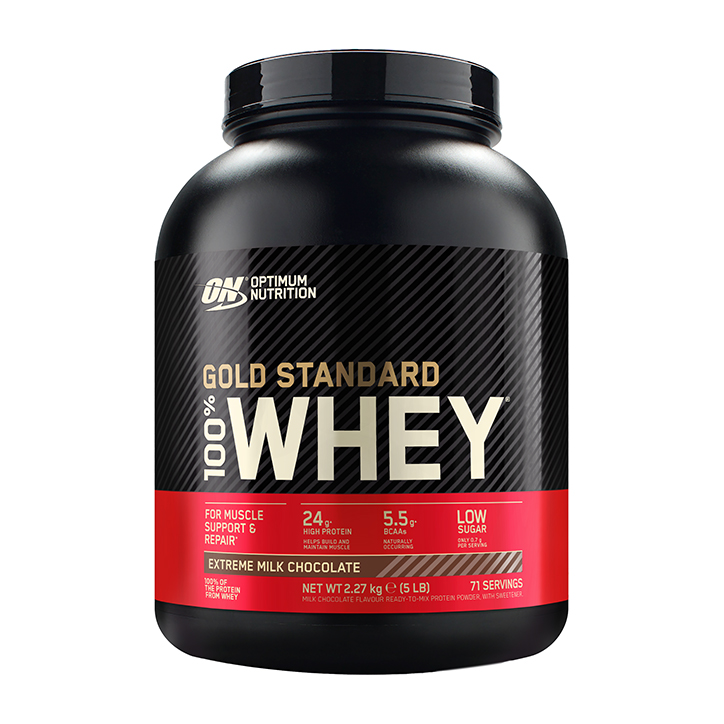
Credit: www.hollandandbarrett.com
How Whey Protein Works
Whey protein is a popular supplement for fitness enthusiasts. It supports muscle growth and repair.
People often wonder if whey protein can make them gain weight. Understanding how it works in the body is important.
Protein’s Role In The Body
Protein is essential for building and repairing tissues. It helps in making enzymes and hormones.
Our body needs protein to maintain muscle mass. It also supports the immune system.
- Builds muscles and tissues
- Supports immune health
- Produces enzymes and hormones
Whey Protein Types
There are different types of whey protein. Each type has its own benefits.
The main types are whey protein concentrate, isolate, and hydrolysate. These vary in protein content and absorption speed.
- Concentrate: Lower protein, more fats and carbs
- Isolate: Higher protein, less fats and carbs
- Hydrolysate: Pre-digested, faster absorption
Absorption And Metabolism
Whey protein is quickly absorbed by the body. This makes it ideal after workouts.
Once absorbed, the body uses it to repair muscles. It does not directly cause weight gain.
- Fast absorption after exercise
- Supports muscle repair
- Does not cause fat gain directly
Whey Protein And Weight Gain
Many people wonder if whey protein can make them gain weight. Whey protein is a popular supplement used to build muscle and improve fitness.
This article explains how whey protein affects your weight and what you need to know about its calories and effects.
Caloric Content Explained
Whey protein contains calories like any food. Each serving usually has about 100 to 130 calories. These calories come from protein, with small amounts of fat and carbs.
If you eat more calories than you burn, you will gain weight. Whey protein adds calories to your diet, so it can cause weight gain if you do not adjust your food intake.
- One scoop has 20 to 25 grams of protein
- Protein provides 4 calories per gram
- Calories depend on brand and serving size
Muscle Vs. Fat Gain
Weight gain from whey protein is mostly muscle, not fat. Protein helps build and repair muscles, especially after exercise.
If you combine whey protein with strength training, you will likely gain muscle mass. Eating extra calories without exercise can lead to fat gain instead.
- Protein supports muscle growth
- Exercise helps turn calories into muscle
- Too many calories without exercise cause fat gain
Common Misconceptions
Some people think whey protein alone makes you fat. This is not true. Whey protein itself does not cause fat gain.
Whey protein is not a magic food that causes weight gain. Weight changes depend on your total calories and activity level.
- Whey protein does not store fat by itself
- Weight gain happens if you eat too many calories
- Exercise and diet control weight better than supplements
Factors Influencing Fat Gain
Many people wonder if whey protein can make them gain fat. The answer depends on several factors. Understanding these can help you manage your weight better.
Fat gain happens when your body stores more energy than it uses. Whey protein alone does not cause fat gain, but how you eat and move matters.
Total Caloric Intake
Calories are the energy your body gets from food and drinks. If you eat more calories than you burn, your body stores the extra energy as fat.
Whey protein adds calories to your diet. Eating too much whey protein can increase your total calorie intake, which may lead to fat gain.
- Track your daily calorie intake
- Balance calories with your energy needs
- Use whey protein within your calorie goals
Exercise And Activity Levels
Exercise helps burn calories and build muscle. Higher activity levels increase the calories your body uses each day.
If you use whey protein but do not exercise enough, your body may store excess calories as fat. Regular activity helps balance your calorie use.
- Include strength training to use whey protein well
- Do daily cardio to burn extra calories
- Stay active to prevent fat gain
Diet Composition
The types of food you eat affect fat gain. A diet high in sugar and fat can lead to fat storage, even if you consume whey protein.
Whey protein supports muscle growth when combined with a balanced diet. Eating whole foods like vegetables, fruits, and grains helps control fat gain.
- Limit sugary and fatty foods
- Eat enough protein to support muscles
- Choose nutrient-rich foods for overall health

Credit: hiddenhungr.com
Benefits Of Whey Protein
Whey protein is a popular supplement for many people. It comes from milk and has many uses.
People often ask if whey protein can make you fat. The answer depends on how you use it.
Muscle Growth And Recovery
Whey protein helps your muscles grow after exercise. It gives your body the building blocks it needs.
It also helps your muscles recover faster. This means less soreness and more strength over time.
Appetite Control
Whey protein can help you feel full longer. This reduces hunger and helps control how much you eat.
Eating whey protein before meals may lower your calorie intake. This supports weight management.
Metabolic Boost
Whey protein can raise your metabolism. Your body burns more calories to digest it than other foods.
This effect helps with fat loss if you keep a balanced diet and exercise regularly.
How To Use Whey Protein Wisely
Whey protein is a popular supplement for building muscle and recovering after workouts. Some people worry it can make them gain fat.
Using whey protein the right way helps you get benefits without unwanted fat gain. Learn how to use it wisely.
Choosing The Right Amount
Taking too much whey protein adds extra calories. These extra calories can lead to fat gain if not burned off.
Most people need about 20 to 30 grams of whey protein per serving. Your total daily protein depends on your body weight and goals.
- Estimate daily protein needs: about 0.8 to 1.2 grams per pound of body weight
- Include protein from food and supplements
- Adjust the whey protein amount to meet but not exceed your needs
Timing Your Intake
Whey protein works best when taken at the right times. It helps muscle repair after exercise.
Use whey protein soon after workouts. Your muscles absorb protein better then. You can also take it as a snack between meals.
- Within 30 minutes after exercise
- Between meals to keep protein intake steady
- Not too late at night to avoid extra calories before sleep
Combining With Balanced Diet
Whey protein is a supplement, not a meal replacement. Eat a balanced diet with fruits, vegetables, and whole grains.
Balance your meals with protein, carbs, and healthy fats. This helps control weight and supports muscle growth.
- Include lean proteins like chicken, fish, or beans
- Choose whole grains like brown rice or oats
- Add healthy fats from nuts, seeds, or avocado
- Eat plenty of vegetables and fruits for vitamins and fiber
Common Myths About Whey Protein
Whey protein is popular among fitness lovers and athletes. Many people have questions about its effects on the body.
Some ideas about whey protein are not true. It is important to know the facts before using it.
Protein Causes Fat Gain
Protein itself does not cause fat gain. Eating more calories than you burn causes weight gain.
Whey protein helps build muscle and keep you full. This can help control your weight better.
Whey Protein Is Only For Bodybuilders
Whey protein is not just for bodybuilders. Many people use it to improve their health and fitness.
It supports muscle repair, helps with recovery, and can be part of a balanced diet for anyone.
Whey Protein Harms Kidneys
Whey protein does not harm healthy kidneys. People with kidney problems should talk to a doctor first.
For most people, normal amounts of whey protein are safe and do not cause kidney damage.

Credit: riptoned.com
Frequently Asked Questions
Can Whey Protein Cause Weight Gain?
Whey protein itself doesn’t cause weight gain. Excess calorie intake, regardless of source, leads to fat gain. Consuming whey protein within your daily calorie needs supports muscle growth without fat increase.
How Does Whey Protein Affect Body Fat?
Whey protein can help reduce body fat when combined with exercise. It boosts metabolism and preserves lean muscle, promoting fat loss. Proper portion control is essential to avoid excess calorie intake.
Is Whey Protein Fattening If Consumed Daily?
Daily whey protein isn’t fattening if calories are controlled. It provides essential amino acids for muscle repair and growth. Overeating, not protein type, causes fat gain.
Does Whey Protein Increase Appetite Or Cravings?
Whey protein may reduce appetite by promoting fullness. It helps control hunger and prevents overeating. This effect supports weight management when used wisely.
Conclusion
Whey protein alone does not cause weight gain. Eating more calories than you burn leads to fat gain. Use whey protein to support your fitness goals. Choose the right amount based on your needs. Combine it with a balanced diet and exercise.
Stay consistent and track your progress. Remember, whey helps build muscle, not fat. Control your overall food intake for best results. Your body changes with what you eat and do. Keep a healthy lifestyle to reach your goals.


