

Have you ever wondered if taking too many electrolytes could upset your stomach? You might be surprised to learn that while electrolytes are essential for your body, too much of them can actually cause diarrhea.
If you’ve experienced sudden digestive issues after boosting your electrolyte intake, understanding why this happens is key. Keep reading to find out how your body reacts to excess electrolytes and what you can do to avoid uncomfortable side effects. This knowledge could save you from unnecessary discomfort and help you maintain the right balance for your health.
Electrolytes And Their Role
Electrolytes are minerals that carry an electric charge. They help your body work well every day.
They balance fluids, support nerves, and help muscles move.
Key Electrolytes In The Body
Your body needs several important electrolytes to stay healthy. Each has a special job.
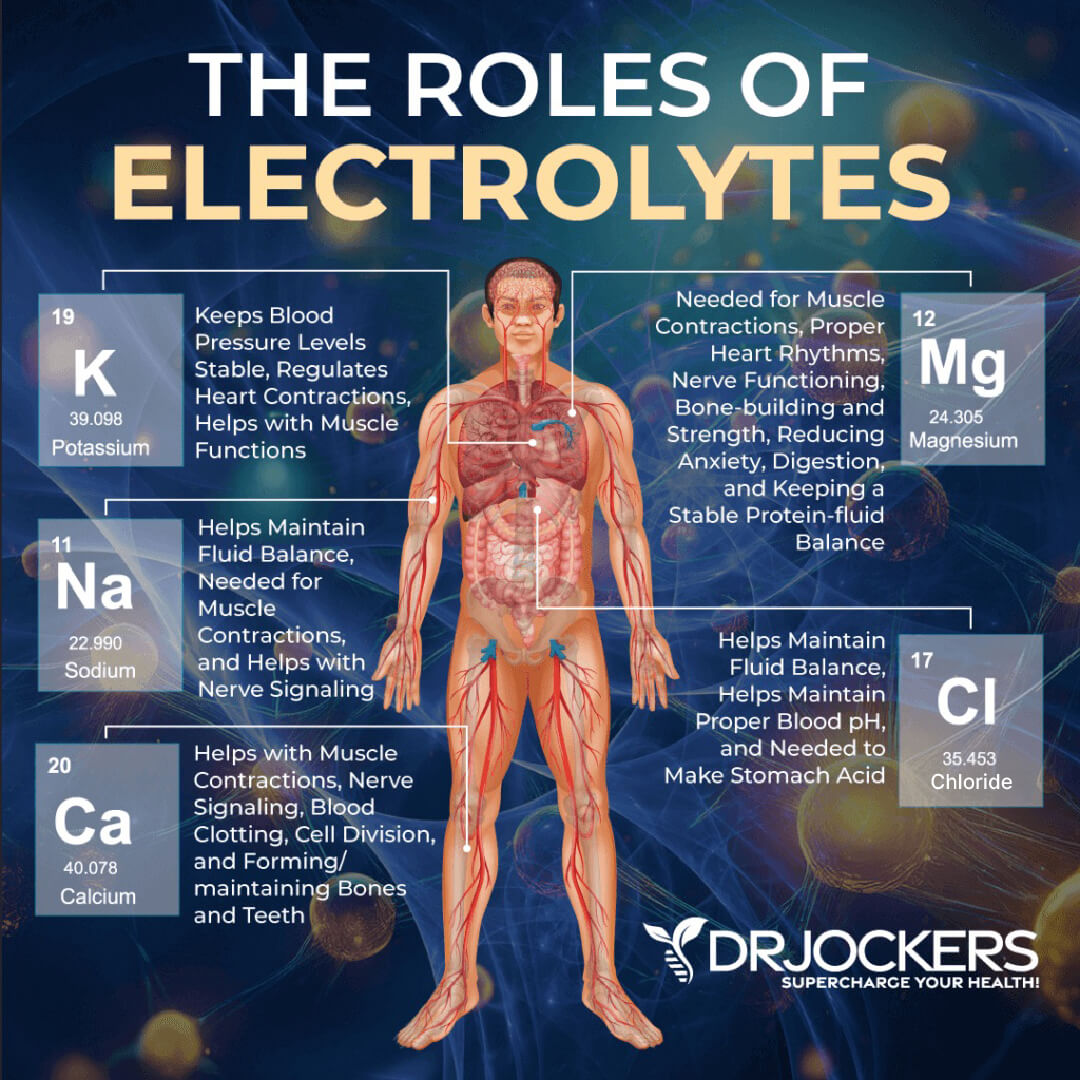
- Sodium:Controls fluid balance and helps nerves send signals.
- Potassium:Helps muscle function and heart rhythm.
- Calcium:Builds strong bones and helps muscles contract.
- Magnesium:Supports muscle and nerve function.
- Chloride:Maintains fluid balance and helps digestion.
- Bicarbonate:Keeps the body’s pH level stable.
How Electrolytes Affect Digestion
Electrolytes help your digestive system work by moving fluids in and out of cells. This keeps digestion smooth.
Too many electrolytes, especially sodium or magnesium, can cause water to rush into the intestines. This may lead to diarrhea.

Credit: www.aol.com
Causes Of Diarrhea
Diarrhea happens when your stool is loose or watery. It can last a short time or be ongoing. Many things cause diarrhea, including infections, foods, and medicines.
Electrolytes help your body work well. But too many electrolytes can upset your stomach and cause diarrhea.
Common Triggers
Several triggers can cause diarrhea. Eating certain foods, infections, or medicines often bring it on. Stress and health conditions also play a role.
- Eating spicy or fatty foods
- Stomach infections from bacteria or viruses
- Side effects of some medicines
- Food allergies or intolerances
- Stress and anxiety
- Chronic illnesses like irritable bowel syndrome
Impact Of Electrolyte Imbalance
Electrolytes balance fluids in your body. Too many electrolytes, especially magnesium or sodium, can cause loose stools. This happens because excess electrolytes pull water into the intestines.
This water pull makes stool watery and leads to diarrhea. Losing too many fluids and electrolytes this way can cause dehydration and weakness.
- High magnesium from supplements or laxatives may cause diarrhea
- Too much sodium can upset digestion
- Electrolyte imbalance affects muscle and nerve function
- Severe imbalance needs medical attention
Link Between Electrolytes And Diarrhea
Electrolytes are minerals like sodium, potassium, and magnesium. They help keep your body balanced and hydrated.
Too many electrolytes can upset your stomach. This can lead to diarrhea, which means loose or watery stools.
Effects Of Excess Electrolytes
When you have too many electrolytes, your body tries to get rid of the extra salts. This can cause your intestines to pull in water.
More water in the intestines makes stools loose and watery. This leads to diarrhea, which may cause dehydration if it lasts long.
- Increased water in intestines
- Loose and watery stools
- Possible dehydration
- Cramping and stomach discomfort
Scientific Findings On Electrolyte Overload
Studies show that too much sodium or magnesium can cause diarrhea. This happens because the body moves water to balance the salt levels.
Research also finds that some electrolyte drinks with high salt levels may cause stomach upset if consumed in large amounts.
- High sodium intake can cause diarrhea
- Magnesium overload often leads to loose stools
- Balanced electrolyte intake prevents digestive issues
- Electrolyte drinks should be consumed in moderation
Symptoms Of Electrolyte-induced Diarrhea
Electrolytes help keep your body balanced. But too much can cause diarrhea. This happens because excess electrolytes affect how your intestines work.
Diarrhea from too many electrolytes can be uncomfortable. It is important to know the signs and when to get help.
Identifying Signs
Look for watery stools that happen often. You might feel stomach cramps or bloating. Sometimes, nausea or vomiting can occur too.
- Frequent loose or watery stools
- Stomach cramps and bloating
- Nausea and vomiting
- Dehydration symptoms like dry mouth or dizziness
These signs show your body is reacting to too many electrolytes. Pay attention if symptoms last for more than a day.
When To Seek Medical Help
See a doctor if diarrhea is very bad or lasts more than two days. Also, get help if you feel very weak or dizzy.
- Severe diarrhea lasting over 48 hours
- Signs of dehydration like fainting or very dry skin
- Blood or mucus in stools
- High fever over 101°F (38.3°C)
- Severe belly pain
Medical help can stop serious problems. It can also check if other issues cause your symptoms.
Managing Electrolyte Intake
Electrolytes are minerals that help your body work well. They control water balance and muscle function.
Too many electrolytes can cause diarrhea. It is important to manage how much you take.
Safe Dosage Guidelines
Follow recommended amounts for each electrolyte to avoid side effects. Do not take large doses at once.
Check labels on supplements and drinks. Stay within daily limits set by health experts.
- Sodium: 1,500 to 2,300 mg per day
- Potassium: 2,500 to 3,000 mg per day
- Magnesium: 310 to 420 mg per day
- Calcium: 1,000 mg per day for most adults
Balancing Electrolytes In Diet
Eat a variety of foods to get balanced electrolytes. Fruits, vegetables, and dairy are good sources.
Drink water and electrolyte drinks carefully. Avoid too many sports drinks with high salt or sugar.
- Include bananas for potassium
- Eat dairy or leafy greens for calcium
- Choose nuts and seeds for magnesium
- Limit processed foods high in sodium
Credit: drjockers.com
Preventing Diarrhea From Electrolytes
Electrolytes are minerals that help your body work well. They keep your muscles and nerves healthy.
Too many electrolytes can upset your stomach. This can cause diarrhea and discomfort.
Dietary Tips
Eat balanced meals to avoid too many electrolytes at once. Avoid taking large amounts of salt or potassium quickly.
Include foods that help your digestion stay calm. Avoid spicy or greasy foods if you feel sensitive.
- Choose fresh fruits and vegetables
- Limit salty snacks and processed foods
- Eat small, frequent meals
- Avoid too many electrolyte supplements
Hydration Strategies
Drink fluids slowly to help your body absorb electrolytes. Do not gulp large amounts of sports drinks or water at once.
Balance water intake with electrolyte drinks if you exercise a lot. Too much water without electrolytes can also cause problems.
- Drink water throughout the day
- Use electrolyte drinks in moderation
- Space out fluids during exercise
- Listen to your body’s thirst signals

Credit: advancedintegratedhealth.com
Frequently Asked Questions
Can Excess Electrolytes Cause Diarrhea?
Yes, consuming too many electrolytes can lead to diarrhea. Electrolytes like sodium, potassium, and magnesium can upset the digestive balance. This may result in loose stools. It’s essential to maintain the right electrolyte balance for your body to function properly.
How Do Electrolytes Affect Digestion?
Electrolytes play a vital role in digestion by maintaining fluid balance. They help regulate muscle contractions and nerve function. An imbalance, whether too high or too low, can disrupt digestive processes. This disruption can lead to symptoms like diarrhea or constipation.
What Are Symptoms Of Electrolyte Imbalance?
Symptoms of electrolyte imbalance include diarrhea, muscle cramps, fatigue, and confusion. An imbalance can affect heart rhythm and nerve function. It’s crucial to monitor electrolyte intake, especially during intense exercise or illness, to prevent these issues.
How Can I Avoid Electrolyte-induced Diarrhea?
To prevent electrolyte-induced diarrhea, maintain a balanced electrolyte intake. Consume drinks and foods with balanced electrolytes. Avoid excessive intake of sports drinks or supplements. Listening to your body’s signals and adjusting intake can help maintain balance.
Conclusion
Too many electrolytes can upset your stomach and cause diarrhea. Balance is key for your body’s health. Drinking water helps keep electrolytes at safe levels. Pay attention to your body’s signals after taking supplements. Eating a varied diet usually provides enough electrolytes.
Talk to a doctor before changing your electrolyte intake. Staying mindful prevents discomfort and supports your well-being. Small changes make a big difference in how you feel.


