
Are you wondering if you can take fish oil with your multivitamin? It’s a common question because both supplements offer great health benefits.
But mixing them without knowing the facts might leave you confused or worried about possible side effects. You’ll discover what happens when you combine fish oil and multivitamins. You’ll learn how to take them safely and get the most out of each.
Keep reading to make sure your daily routine supports your health in the best way possible.
Benefits Of Fish Oil
Fish oil is a popular supplement taken by many people. It contains important nutrients that help keep the body healthy.
One common question is whether fish oil can be taken with a multivitamin. Understanding the benefits of fish oil can help answer this question.
Omega-3 Fatty Acids And Heart Health
Fish oil is rich in omega-3 fatty acids. These fats are good for the heart and blood vessels.
Omega-3 helps lower bad cholesterol and reduce blood pressure. This can lower the risk of heart disease.
- Reduces triglycerides in the blood
- Prevents plaque buildup in arteries
- Helps keep heart rhythm steady
Brain Function And Cognitive Support
Omega-3 fatty acids in fish oil support brain health. They help improve memory and thinking skills.
Taking fish oil may help protect the brain as people get older. It supports focus and mental clarity.
- Supports brain cell communication
- May reduce risk of mental decline
- Helps with mood and stress balance
Inflammation Reduction
Fish oil helps lower inflammation in the body. This can reduce pain and swelling.
Less inflammation supports joint health and can ease symptoms of some conditions.
- Decreases joint stiffness
- Supports immune system balance
- Helps with skin health and healing

Credit: www.getsupp.com
Advantages Of Multivitamins
Many people take multivitamins to fill nutrition gaps in their diet. Multivitamins offer a mix of vitamins and minerals that support overall health.
Taking fish oil with multivitamins is common. Both provide important nutrients that help the body work well.
Essential Vitamins And Minerals
Multivitamins contain many key vitamins and minerals. These nutrients are important for daily body functions.
- Vitamin A helps keep eyes and skin healthy.
- B vitamins support brain function and red blood cells.
- Vitamin C aids in healing and tissue repair.
- Vitamin D helps absorb calcium for strong bones.
- Calcium and magnesium build and protect bones.
- Iron helps carry oxygen in the blood.
Boosting Immune System
Multivitamins support the immune system to fight infections. They provide nutrients that keep immune cells strong.
Vitamins like C, D, and zinc are important for immune defense. These help the body respond to viruses and bacteria.
- Vitamin C protects cells and supports white blood cells.
- Vitamin D regulates immune responses.
- Zinc helps wounds heal and fights germs.
Energy And Metabolism Support
B vitamins in multivitamins help the body turn food into energy. They support metabolism and reduce tiredness.
Minerals like magnesium also help muscles and nerves work well. This boosts overall energy levels.
- Vitamin B1 (thiamine) helps break down carbohydrates.
- Vitamin B2 (riboflavin) supports energy production.
- Vitamin B6 aids in protein metabolism.
- Magnesium supports muscle and nerve function.
Combining Fish Oil And Multivitamins
Many people take fish oil and multivitamins to support their health. Both supplements provide important nutrients.
It is common to wonder if you can take fish oil with multivitamins safely. This guide explains key points about combining them.
Possible Interactions
Fish oil and multivitamins usually do not cause harmful interactions. Both can work well together in most cases.
Some multivitamins contain vitamin E, which can increase bleeding risk with fish oil. Be cautious if you take blood thinners.
- Fish oil has omega-3 fatty acids that thin blood slightly
- Vitamin E in multivitamins also affects blood clotting
- High doses of both may increase bleeding risk
- Check with a doctor if you use blood thinning medicine
Timing And Dosage Considerations
Taking fish oil and multivitamins at the same time is usually fine. Some prefer to split doses for better absorption.
It is best to follow recommended dosage on labels or advice from your doctor. Do not take more than the suggested amount.
- Fish oil: often 1000 mg per day for general use
- Multivitamins: follow label instructions carefully
- Take with meals to reduce stomach upset
- Separate doses if you feel discomfort or as advised
Safety Tips
Always read supplement labels to check ingredients and warnings. Avoid taking too many supplements at once.
Consult your healthcare provider if you have health conditions or take other medicines. They can guide you on safe use.
- Store supplements in a cool, dry place
- Keep track of your daily supplement intake
- Stop taking supplements if you notice side effects
- Inform your doctor about all supplements you use

Credit: www.amazon.in
Who Should Consider Taking Both
Many people wonder if they can take fish oil with a multivitamin. Both supplements offer different benefits. Some individuals may gain more by taking them together.
Fish oil provides omega-3 fatty acids, which support heart and brain health. Multivitamins supply a range of vitamins and minerals. Taking both can help fill nutrition gaps.
People With Nutritional Gaps
Some people do not get enough nutrients from food alone. Diets low in fish or varied fruits and vegetables can cause gaps. Taking fish oil with a multivitamin helps supply missing nutrients.
These supplements can improve overall nutrition. They support bodily functions that rely on vitamins and omega-3 fats.
- Vegetarians or vegans may lack omega-3s
- People with limited diets might miss vitamins
- Older adults often need extra nutrients
Individuals With Specific Health Conditions
Certain health issues may require extra nutrients. Fish oil can reduce inflammation and support heart health. Multivitamins help with immune function and energy.
Those with conditions like high cholesterol or arthritis might benefit from both. These supplements work together to support overall wellness.
- People with heart disease risk
- Those with joint pain or inflammation
- Individuals recovering from illness
Consulting Healthcare Providers
Always talk to a doctor before starting supplements. They can check for possible interactions or risks. Some conditions or medications may need special care.
A healthcare provider can help decide if taking fish oil and multivitamins is right. They guide proper doses and timing for best results.
- Discuss current medications and health conditions
- Ask about safe supplement doses
- Schedule regular check-ups to monitor effects
Potential Side Effects
Taking fish oil with multivitamins may cause some side effects. It is important to know what to expect.
Most side effects are mild and do not last long. Still, some symptoms need medical attention.
Common Mild Reactions
Fish oil and multivitamins can cause mild reactions in some people. These usually go away quickly.
- Fishy aftertaste or bad breath
- Upset stomach or nausea
- Diarrhea or loose stools
- Headache or dizziness
- Mild skin rashes or itching
These mild reactions are common and often improve with time or by taking supplements with food.
When To Seek Medical Advice
Some side effects need a doctor’s help. Contact a healthcare provider if symptoms get worse or do not improve.
- Severe allergic reactions such as swelling or trouble breathing
- Unusual bleeding or bruising
- Chest pain or fast heartbeat
- Severe stomach pain or vomiting
- Yellowing of the skin or eyes
Always tell your doctor about all supplements you take. This helps avoid dangerous interactions.
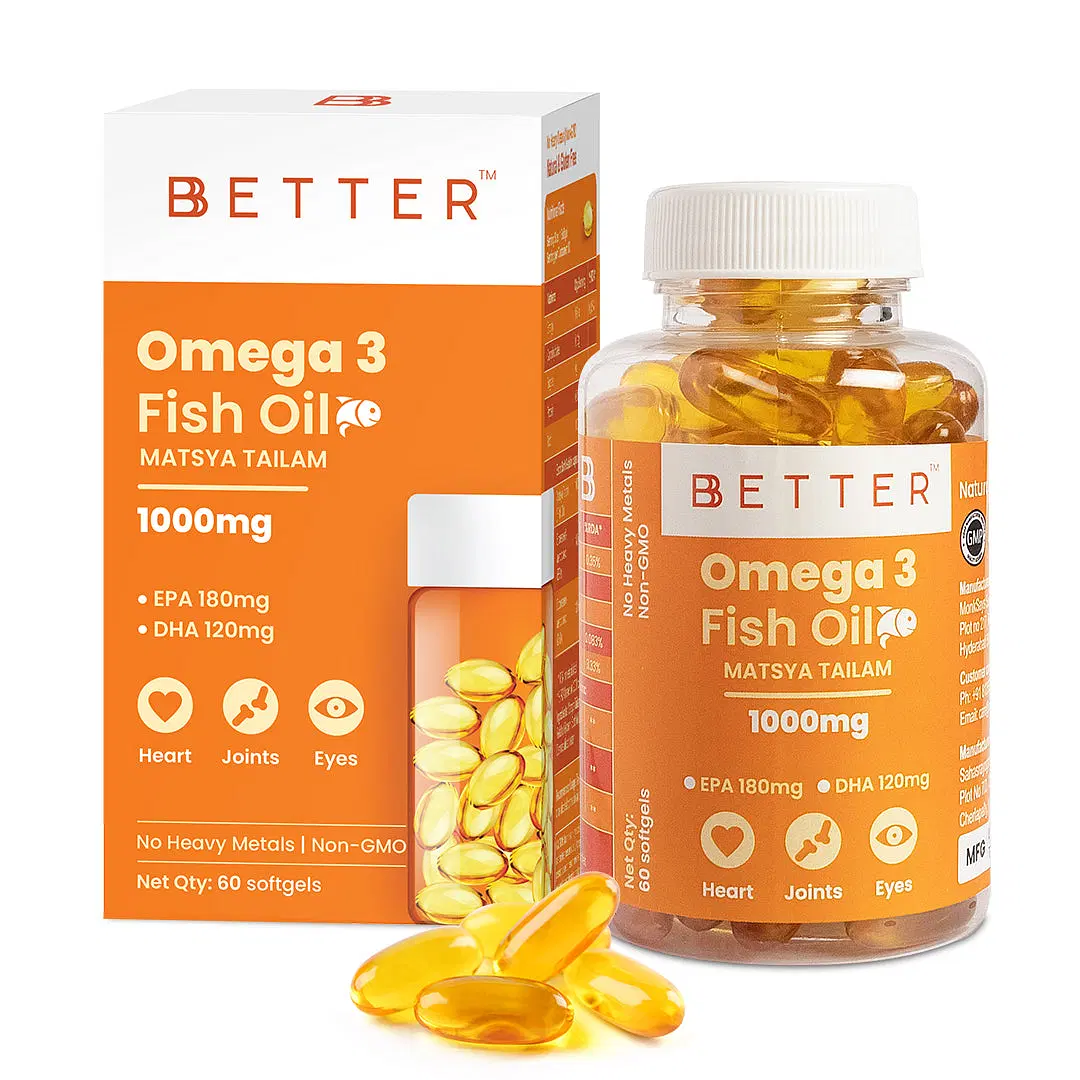
Credit: hyugalife.com
Frequently Asked Questions
Can I Safely Take Fish Oil With A Multivitamin?
Yes, you can safely take fish oil with a multivitamin. They complement each other by providing essential nutrients. Always follow recommended dosages and consult your healthcare provider if you have any health conditions or take other medications.
Does Fish Oil Interfere With Multivitamin Absorption?
Fish oil does not interfere with multivitamin absorption. Both supplements are absorbed differently in the body. Taking them together is generally safe and effective, but separate timing can be considered if advised by a healthcare professional.
What Are The Benefits Of Combining Fish Oil And Multivitamins?
Combining fish oil and multivitamins supports overall health. Fish oil provides omega-3 fatty acids, while multivitamins supply essential vitamins and minerals. Together, they promote heart, brain, and immune health, filling potential dietary gaps.
Should I Take Fish Oil And Multivitamins With Food?
Yes, it is best to take fish oil and multivitamins with food. Food enhances nutrient absorption and reduces the chance of stomach upset. Taking them with a meal ensures maximum benefit and comfort.
Conclusion
Taking fish oil with a multivitamin can support your health well. Both supplements provide important nutrients your body needs daily. Just check the labels to avoid taking too much of one vitamin. Some vitamins can build up if you take too many at once.
Talk with a doctor if you have questions or health conditions. Simple steps keep you safe and healthy. Combining fish oil and multivitamins often works fine. Remember, balance is key for good nutrition and wellness.


