

Are you wondering if dumbbells can really help you build muscle? Maybe you’ve seen people lifting heavy weights at the gym and thought, “Can simple dumbbells give me the same results?” The good news is, yes—they can.
But there’s more to it than just picking up a pair and lifting. You’ll discover how dumbbells can transform your body, why they might be the perfect tool for your workouts, and how to use them effectively to reach your muscle-building goals faster.
Ready to unlock your full strength potential? Keep reading—you don’t want to miss this.
Credit: just12reps.com
Benefits Of Dumbbell Training
Dumbbell training is a simple way to build muscle and strength. It uses weights that you can hold in each hand. This training style helps your body in many ways.
Using dumbbells lets you work on many muscle groups. You can do exercises at home or in the gym. Many people like dumbbells because they fit their busy lives.
Versatility And Range Of Motion
Dumbbells let you move your arms and legs freely. You can do many types of exercises with them. This helps you work muscles in different ways.
The wide range of motion helps your joints stay healthy. You can do presses, curls, and rows with dumbbells. This variety keeps workouts interesting and effective.
- Use dumbbells for chest, back, arms, and legs
- Move joints in natural ways
- Try many exercises with one tool
Improved Muscle Balance
Dumbbells make each side of your body work equally. This helps fix muscle imbalances. Balanced muscles reduce the chance of injury.
When you lift with dumbbells, each arm or leg works alone. This builds equal strength on both sides. You avoid relying on your stronger side.
- Train left and right sides separately
- Prevent one side from becoming stronger
- Improve overall body control and stability
Convenience And Accessibility
Dumbbells are small and easy to store. You can use them at home or take them anywhere. They fit in small spaces and do not need a lot of room.
You do not need expensive machines to train with dumbbells. They are good for beginners and experts. This makes muscle building more accessible for many people.
- Easy to use at home or outside
- No need for a gym membership
- Can be used by people of all skill levels
Muscle Groups Targeted By Dumbbells
Dumbbells are versatile tools for building muscle. They target different muscle groups effectively. Let’s explore how they work for various parts of the body.
From the upper body to the core, dumbbells enhance strength. They are great for both beginners and advanced lifters.
Upper Body Workouts
Dumbbells are excellent for upper body exercises. They strengthen arms, shoulders, and chest.
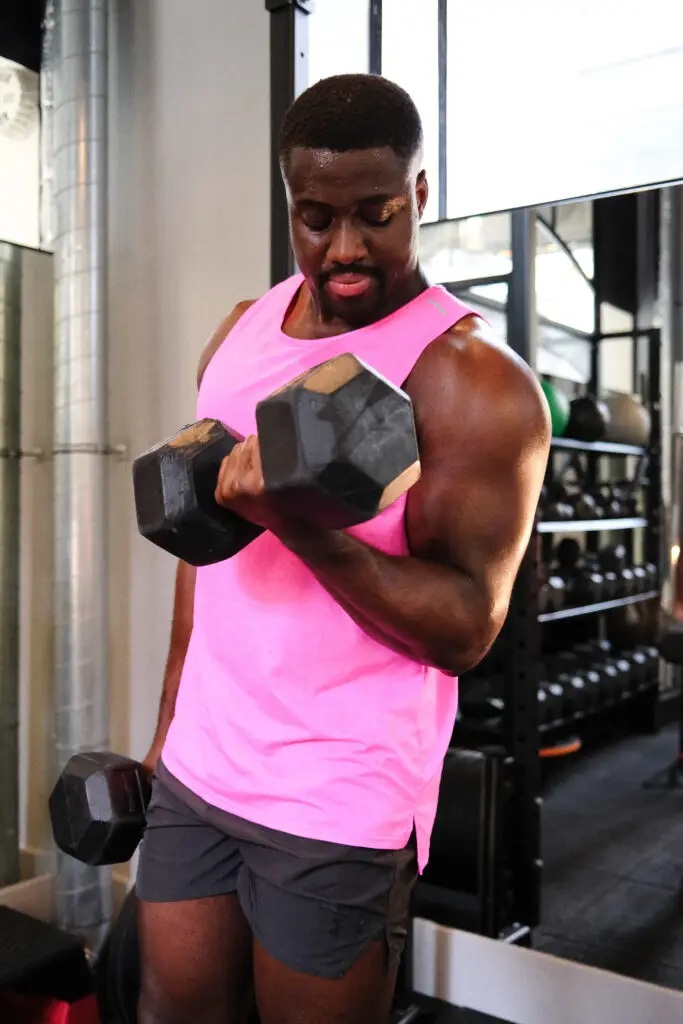
You can perform various moves like bicep curls and shoulder presses. These exercises help in muscle growth and definition.
- Bicep curls target the biceps
- Shoulder presses enhance shoulder strength
- Chest presses develop chest muscles
Lower Body Exercises
Dumbbells are not only for the upper body. They are effective for lower body workouts too.
Exercises like lunges and squats target leg muscles. These moves build strength in the thighs and calves.
- Lunges focus on thighs and glutes
- Squats strengthen the entire lower body
- Calf raises target calf muscles
Core Strengthening Moves
Dumbbells are useful for core workouts. They help in building strong abdominal muscles.
Exercises like Russian twists and dumbbell planks engage the core. These moves improve balance and stability.
- Russian twists work the obliques
- Dumbbell planks build core stability
- Weighted sit-ups enhance abdominal strength
Effective Dumbbell Exercises For Muscle Growth
Dumbbells are great tools to build muscle at home or in the gym. They help work different muscles with many exercise options.
Using dumbbells regularly can improve strength and size in many body parts. Here are good exercises for muscle growth.
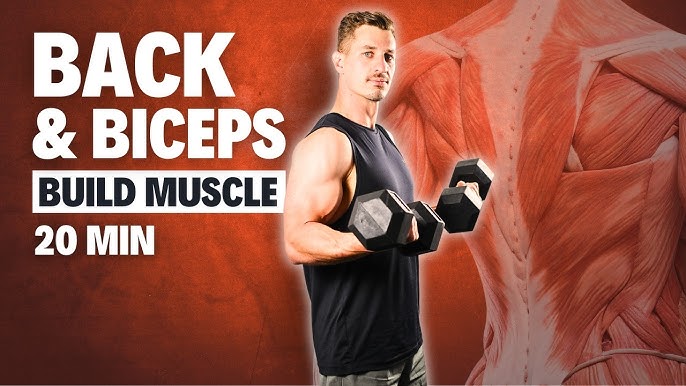
Chest And Back Routines
Dumbbells help target chest and back muscles well. You can do presses and rows to build these areas.
These exercises work the upper body muscles and improve posture.
- Dumbbell Chest Press: Lie on a bench and press dumbbells up.
- Dumbbell Flyes: Open arms wide and bring dumbbells together above chest.
- One-Arm Dumbbell Row: Pull dumbbell up while bending over.
- Renegade Rows: Row dumbbells while in a plank position.
Shoulders And Arms
Dumbbells help build strong shoulders and arms. Use pressing and curling movements to grow these muscles.
These exercises focus on shoulders, biceps, and triceps for better arm strength.
- Dumbbell Shoulder Press: Press dumbbells overhead while seated or standing.
- Lateral Raises: Lift dumbbells to the side to work shoulder muscles.
- Bicep Curls: Curl dumbbells up to build arm strength.
- Tricep Kickbacks: Extend dumbbells backward to target triceps.
Legs And Glutes
Dumbbell exercises can strengthen legs and glutes effectively. Squats and lunges are great for this.
These moves increase muscle size and improve balance and power.
- Dumbbell Squats: Hold dumbbells and squat down to work legs and glutes.
- Walking Lunges: Step forward with dumbbells to target legs and hips.
- Deadlifts: Use dumbbells to lift weight and strengthen hamstrings and glutes.
- Glute Bridges: Hold dumbbells on hips while lifting hips off the ground.
Credit: www.youtube.com
Progressive Overload With Dumbbells
Progressive overload is key to building muscle. It means gradually making your workouts harder.
Dumbbells are great tools for progressive overload. You can change weight, reps, and rest.
Increasing Weight
Adding more weight challenges your muscles. It forces them to grow stronger over time.
Start with a weight you can lift well. Slowly increase it as you get stronger.
- Raise dumbbell weight in small steps
- Use weights that allow 8-12 reps
- Don’t sacrifice form for heavier weights
Adjusting Reps And Sets
You can build muscle by changing how many reps and sets you do. This keeps your muscles guessing.
Try increasing reps or sets before adding weight. This helps build endurance and strength.
- Do 3-5 sets per exercise
- Aim for 8-15 reps per set
- Increase reps gradually over time
Varying Tempo And Rest Periods
Changing how fast you lift weights can grow muscles differently. Slow down for more tension.
Shorten rest time to increase workout intensity. This pushes your muscles harder.
- Try lifting slowly on the way down
- Pause for a second at the hardest part
- Rest 30-90 seconds between sets
Tips For Maximizing Dumbbell Workouts
Dumbbells are great tools to build muscle at home or in the gym. Using them right helps you see better results.
These tips focus on how to get the most from your dumbbell exercises safely and effectively.
Proper Form And Technique
Good form prevents injury and targets muscles correctly. Always control your movements and avoid swinging weights.
Start with lighter dumbbells to learn the right way. Keep your core tight and move smoothly throughout each exercise.
- Keep wrists straight and aligned with your forearms
- Use full range of motion without locking joints
- Focus on slow, steady lifts and lowers
- Breathe out when lifting and breathe in when lowering
Balancing Volume And Intensity
Volume means how many sets and reps you do. Intensity is how heavy the dumbbells are. Find a good balance for muscle growth.
Use moderate weights that challenge muscles by the last few reps. Increase reps or weight gradually to keep improving.
- Aim for 3 to 4 sets per exercise
- Do 8 to 12 reps for muscle building
- Rest 30 to 60 seconds between sets
- Increase dumbbell weight when reps feel too easy
Incorporating Rest And Recovery
Muscles grow during rest, not while you work out. Give yourself time to recover between sessions using dumbbells.
Rest helps avoid injuries and keeps your strength rising. Sleep well and eat protein to support muscle repair.
- Rest 48 hours before training the same muscle group again
- Get 7 to 9 hours of sleep each night
- Eat balanced meals with protein and healthy fats
- Use light stretching or walking on rest days
Common Mistakes To Avoid
Dumbbells are a great tool to build muscle. Many people make mistakes that slow progress or cause injury. Avoiding these errors helps you get better results.
Focus on proper form and smart choices. This guide covers common mistakes and how to fix them.
Using Too Light Weights
Using weights that are too light can stop muscle growth. Your muscles need enough challenge to get stronger.
Lift weights that feel hard but still let you keep good form. Increase weight as you get stronger.
- Light weights cause less muscle stress
- No enough resistance means no muscle gain
- Gradually increase weight for progress
Neglecting Full Range Of Motion
Not moving through the full range of motion limits muscle work. Partial moves do not fully activate muscles.
Use controlled movements and stretch muscles fully. This helps build strength and flexibility.
- Full motion improves muscle activation
- Partial reps reduce exercise effectiveness
- Control speed for better muscle work
Ignoring Muscle Imbalances
Muscle imbalances happen when one side is stronger than the other. This can cause pain and poor posture.
Work both sides equally. Use dumbbells to train each arm or leg separately and fix imbalances.
- Train each side with equal effort
- Start with weaker side first
- Use dumbbells for balanced muscle work
Combining Dumbbells With Other Training Methods
Dumbbells are great tools for building muscle. Using them with other training styles can improve your results.
Combining different exercises helps target muscles in new ways. This keeps workouts fresh and effective.
Bodyweight Exercises
Bodyweight exercises use your own weight as resistance. They help build strength and improve balance.
Adding dumbbells to bodyweight moves increases muscle challenge. For example, hold dumbbells during squats or lunges.
- Push-ups with dumbbells for better grip
- Dumbbell lunges for added weight
- Planks holding a dumbbell for core strength
Barbell Training
Barbell training lets you lift heavier weights. It builds mass and power in big muscle groups.
Use dumbbells to work smaller muscles or fix strength gaps. This supports barbell lifts and reduces injury risk.
- Barbell squats for legs and hips
- Dumbbell curls for arm muscles
- Barbell bench press for chest
- Dumbbell flyes to stretch chest muscles
Cardio And Flexibility
Cardio improves heart health and burns fat. Flexibility training keeps muscles long and joints healthy.
Mix dumbbells with cardio and stretching to balance muscle growth. It helps your body move well and stay strong.
- Dumbbell swings for cardio and strength
- Stretching after dumbbell workouts
- Light dumbbell moves during warm-up
Credit: www.youtube.com
Frequently Asked Questions
Can Dumbbells Effectively Build Muscle Mass?
Yes, dumbbells can effectively build muscle mass. They offer versatile resistance training, targeting various muscle groups. Using progressive overload with dumbbells promotes muscle growth and strength gains.
How Often Should I Use Dumbbells To Build Muscle?
For muscle growth, use dumbbells 3 to 4 times per week. Allow rest days between sessions for recovery. Consistency and proper nutrition are key to effective muscle building.
Are Dumbbells Better Than Machines For Muscle Building?
Dumbbells provide a greater range of motion and engage stabilizer muscles. This leads to improved muscle balance and coordination. Machines limit movement, focusing on isolated muscles, but dumbbells offer more functional strength benefits.
What Are The Best Dumbbell Exercises For Muscle Growth?
Effective dumbbell exercises include curls, presses, rows, and squats. These compound and isolation movements target major muscle groups. Combining them in a routine maximizes muscle building results.
Conclusion
Dumbbells can help you build muscle effectively at home or the gym. They allow you to work many muscles with simple moves. Using different weights and exercises keeps your muscles growing. Consistency matters most; regular workouts bring better results. You don’t need fancy machines to get stronger.
Just stay patient and focus on proper form. Small steps add up to big changes over time. So grab your dumbbells and start building strength today.


