

Have you ever wondered if drinking lots of water could actually help your liver work better? Your liver plays a huge role in keeping your body healthy, filtering toxins and supporting digestion.
But can something as simple as water make a real difference? If you want to discover how staying hydrated might protect your liver and boost its performance, keep reading. You’ll learn surprising facts that could change the way you think about your daily water intake—and your health.
Credit: illinoisrecoverycenter.com
How The Liver Works
The liver is a large organ in your body. It helps clean your blood and store energy.
It works to remove harmful substances and keep your body healthy. Drinking water may affect how well it works.
Liver’s Role In Detoxification
The liver filters toxins from your blood. It breaks down harmful chemicals into safer forms.
The liver also processes drugs and alcohol. It changes them so your body can get rid of them.
- Removes waste products from blood
- Breaks down toxins into less harmful substances
- Helps the body get rid of drugs and alcohol
Importance Of Hydration For Liver Functions
Water helps the liver work better. It supports the liver in flushing out toxins.
Staying hydrated keeps blood flowing well. This helps the liver filter and process substances.
- Water aids in toxin removal
- Good hydration supports liver enzyme function
- Prevents dehydration, which stresses the liver
Water And Liver Health
Water is important for the body to work well. It helps many organs, including the liver.
The liver cleans the blood and removes harmful substances. Drinking water can support this process.
Effects Of Drinking Water On Liver Cells
Liver cells need water to stay healthy and work properly. Water helps keep these cells hydrated.
When liver cells have enough water, they can repair themselves and fight damage better.
Water’s Impact On Toxin Removal
The liver removes toxins from the body by filtering the blood. Water helps this process by making blood flow easier.
Drinking water helps flush out toxins through urine. This reduces the liver’s workload.
- Water improves blood circulation to the liver
- It helps the liver filter waste faster
- Water supports toxin removal through urine
Myths About Water And Liver Detox
Many people believe drinking lots of water cleans the liver. They think water flushes out toxins fast. This idea is very common but not fully true.
The liver is a strong organ that works to remove waste. Water helps the body but does not directly detox the liver. Let’s look at some myths and facts.
Common Misconceptions
Some people think water alone can detox the liver. They believe more water means a cleaner liver. Others say water stops liver diseases.
These ideas are not true. The liver cleans blood using enzymes, not just water. Drinking extra water does not speed up this process.
- Water does not remove liver toxins by itself
- The liver uses chemicals, not just fluids, to detoxify
- Drinking too much water may cause health problems
- Liver health depends on diet, exercise, and avoiding harmful substances
Scientific Evidence Against Overhydration Claims
Studies show that drinking normal amounts of water supports liver health. But drinking excessive water does not improve liver detox. It can cause water imbalance.
Overhydration may lead to low sodium levels. This condition is dangerous and can harm the body. The liver does not work faster with extra water.
- Normal hydration supports liver and kidney function
- Excess water can cause hyponatremia, a low sodium disorder
- No research shows high water intake improves liver detox
- Healthy liver needs balanced fluids and good nutrition
Signs Of A Healthy Liver
Drinking lots of water can support your liver’s health. The liver works hard to clean your blood and remove toxins. Knowing the signs of a healthy liver helps you keep track of its condition.
A healthy liver shows certain physical signs. Lab tests can also help check how well your liver works. These signs give clues about your liver’s health.
Physical Indicators
Your skin and eyes can show if your liver is healthy. Clear skin and bright eyes are good signs. You should not feel pain or swelling in the upper right belly area.
Good digestion and regular bowel movements also show liver health. Energy levels matter too. If you feel energetic and not tired often, your liver is likely working well.
- Clear skin without yellow tint
- White part of eyes is bright, not yellow
- No pain or swelling in upper right abdomen
- Normal digestion and regular bowel movements
- Good energy levels throughout the day
Lab Tests That Reflect Liver Function
Doctors use blood tests to check liver health. These tests measure enzymes and proteins made by the liver. High or low levels can mean the liver is not working well.
Common liver function tests include ALT, AST, and bilirubin. These tests show how well the liver cleans your blood and makes important substances.
| Test Name | What It Measures | What It Shows |
|---|---|---|
| ALT (Alanine Aminotransferase) | Enzyme level in blood | High levels may mean liver damage |
| AST (Aspartate Aminotransferase) | Enzyme level in blood | High levels suggest liver or muscle issues |
| Bilirubin | Waste product from red blood cells | High levels cause yellow skin and eyes |
| Albumin | Protein made by liver | Low levels can mean poor liver function |
Other Ways To Support Liver Health
Drinking plenty of water helps your liver work well. Your liver cleans harmful substances from your body.
Besides water, you can take other steps to keep your liver healthy and strong.
Diet And Nutrition Tips
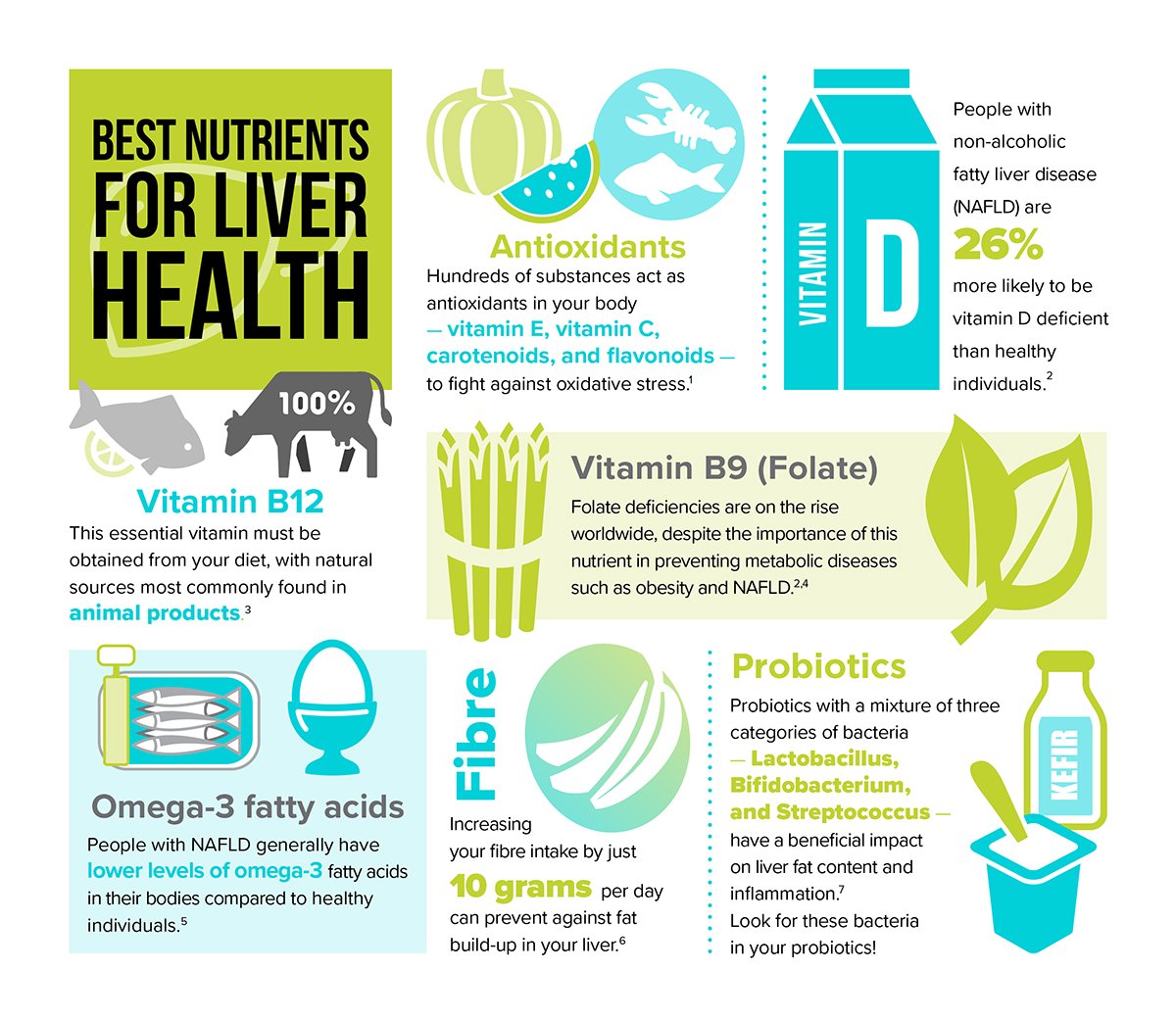
Eating the right foods helps your liver stay healthy. Choose foods that reduce fat and inflammation in the liver.
Limit foods high in sugar and unhealthy fats. These can cause liver problems over time.
- Eat plenty of fruits and vegetables for vitamins and antioxidants
- Choose whole grains like brown rice and oats
- Include lean proteins such as fish, chicken, and beans
- Use healthy fats from nuts, seeds, and olive oil
- Cut back on processed foods and fried meals
Lifestyle Changes For Liver Care
Your daily habits affect your liver health. Avoid harmful habits that can damage the liver.
Stay active and maintain a healthy weight to reduce liver stress. Avoid alcohol or drink very little.
- Exercise regularly, at least 30 minutes most days
- Keep a healthy body weight to prevent fatty liver disease
- Limit or avoid alcohol to protect liver cells
- Do not smoke because it adds toxins to your body
- Get vaccinated for hepatitis A and B if possible
Credit: www.julienutrition.com
When To See A Doctor
Drinking water helps your liver work better. But water alone can’t fix liver problems. Sometimes, you need to see a doctor for proper care.
Knowing when to get medical help is important. Early care can stop liver damage from getting worse.
Symptoms Indicating Liver Problems
Your liver is vital for health. Watch for signs that may show liver issues. These symptoms need medical attention quickly.
- Yellow skin or eyes (jaundice)
- Swelling in your belly or legs
- Dark urine or pale stool color
- Feeling very tired or weak
- Unexplained weight loss
- Itchy skin or rashes
- Nausea, vomiting, or loss of appetite
These signs can mean liver damage or disease. Do not ignore them or delay seeing a doctor.
Importance Of Medical Evaluation
A doctor can find out if your liver is healthy. They use tests and exams to check liver function.
Early diagnosis helps treat liver problems better. It can prevent serious health issues and improve your life quality.
- Blood tests to check liver enzymes
- Imaging scans like ultrasound or CT
- Liver biopsy if needed
- Advice on diet and lifestyle changes
- Prescription medicines if required
Credit: www.edgewoodhealthnetwork.com
Frequently Asked Questions
Does Drinking Water Detoxify The Liver?
Drinking water supports liver function by aiding in the removal of toxins. While water itself doesn’t detoxify, it helps the liver process waste more efficiently. Staying hydrated ensures optimal liver performance and overall health.
How Much Water Should I Drink Daily For Liver Health?
For optimal liver health, aim to drink 8-10 glasses of water daily. Adequate hydration supports liver functions and helps in flushing out toxins. Adjust your intake based on activity level, climate, and individual needs.
Can Water Consumption Improve Liver Function?
Consistent water intake can enhance liver function by aiding in toxin removal. Water supports metabolic processes and helps maintain liver health. Staying hydrated ensures that the liver operates effectively and efficiently.
Is Water Better Than Detox Drinks For Liver Health?
Water is essential for liver health and detoxification. Detox drinks may offer added benefits but aren’t substitutes for water. Consistent hydration with water supports liver function more reliably than occasional detox drinks.
Conclusion
Drinking enough water helps your liver work better every day. Water supports flushing out toxins and keeps your liver healthy. Staying hydrated also improves digestion and reduces strain on the liver. Small changes in water intake can make a big difference.
Remember, water alone does not fix all liver problems. A healthy diet and lifestyle matter too. Keep water as part of your daily health routine. Your liver will thank you for it. Simple steps lead to better liver health. Easy to do, easy to feel good.


