
When you’re feeling sick, your body needs extra care to bounce back quickly. You might have heard that electrolytes can help, but are they really good for you when you’re under the weather?
Understanding how electrolytes work and why they matter during illness can make a big difference in your recovery. Keep reading to discover how these tiny minerals could be your secret weapon to feeling better faster.

Credit: www.bonappetit.com
Role Of Electrolytes In The Body
Electrolytes are minerals that carry an electric charge. They help the body work properly, especially when sick.
They support many functions like hydration, nerve signals, and muscle control. Keeping electrolytes balanced is important for health.
Essential Electrolytes To Know
The main electrolytes in the body include sodium, potassium, calcium, magnesium, chloride, and phosphate. Each has a special role.
- Sodium:Controls fluid levels and blood pressure.
- Potassium:Helps muscles and nerves work.
- Calcium:Builds strong bones and helps muscles move.
- Magnesium:Supports muscle and nerve function.
- Chloride:Maintains fluid balance and stomach acid.
- Phosphate:Builds bones and helps energy storage.
How Electrolytes Maintain Balance
Electrolytes keep the body’s fluids in balance. This helps cells get the right nutrients and removes waste.
They send signals that control heartbeat, muscle contractions, and brain function. Losing electrolytes can cause problems.
- Electrolytes regulate water in and out of cells.
- They maintain the acid-base balance in the blood.
- They help muscles contract and relax properly.
- They ensure nerves send signals correctly.
- When sick, vomiting or diarrhea can cause electrolyte loss.
Electrolytes And Illness
Electrolytes are minerals that help the body work properly. They control fluid balance, muscle function, and nerve signals.
When you are sick, your electrolyte levels can change. This can affect how you feel and slow down your recovery.
Common Electrolyte Imbalances During Sickness
Illnesses like vomiting, diarrhea, or fever can cause you to lose electrolytes. This loss can lead to imbalances in sodium, potassium, calcium, and magnesium.
Low or high levels of these electrolytes can cause problems in your body. It is important to replace them to stay healthy.
- Sodium imbalance can cause dehydration or swelling.
- Potassium imbalance affects heart and muscle function.
- Calcium imbalance may cause muscle cramps or weakness.
- Magnesium imbalance can lead to fatigue and irregular heartbeat.
Symptoms Linked To Electrolyte Loss
When electrolytes drop too low, you may notice symptoms. These signs show your body needs electrolyte balance.
Symptoms vary based on which electrolyte is low or high. Watching for these signs can help you get care fast.
- Muscle cramps or spasms
- Weakness or tiredness
- Irregular heartbeat or palpitations
- Dizziness or lightheadedness
- Confusion or headache
- Thirst and dry mouth
Benefits Of Electrolytes In Recovery
Electrolytes are minerals that help the body work well. They are important when you feel sick. They help your body recover faster and feel better.
Drinking fluids with electrolytes can support your health during illness. They help keep your body balanced and strong.
Hydration And Fluid Replacement
When you are sick, you can lose fluids through sweat, vomiting, or diarrhea. Electrolytes help your body keep the right amount of water.
They help fluids move into your cells and keep you hydrated. This stops dehydration and helps your body work better.
- Electrolytes include sodium, potassium, and magnesium
- They balance water inside and outside cells
- Good hydration helps your body heal faster
Supporting Immune Function
Electrolytes play a role in helping your immune system fight sickness. They support the cells that protect your body from germs.
Maintaining a good balance of electrolytes helps your immune cells work well. This can lead to quicker recovery and less discomfort.
- Potassium helps keep immune cells active
- Calcium supports cell signaling in immune response
- Magnesium aids in reducing inflammation
Reducing Fatigue And Muscle Cramps
Feeling tired and having muscle cramps are common when sick. Electrolytes help your muscles work properly and reduce cramps.
They also help reduce tiredness by supporting nerve and muscle function. This helps you feel stronger during recovery.
- Sodium and potassium help muscles contract and relax
- Magnesium prevents muscle cramps and spasms
- Balanced electrolytes support energy levels

Credit: www.frizzlife.com
Best Electrolyte Sources When Sick
Electrolytes help keep your body balanced and working well. They are especially important when you are sick.
When you are sick, you can lose electrolytes through sweat, vomit, or diarrhea. Eating and drinking the right things helps replace them.
Natural Foods Rich In Electrolytes
Many natural foods have important electrolytes like potassium, sodium, and magnesium. These foods support your recovery.
- Bananas provide potassium, which helps muscle function.
- Spinach contains magnesium and potassium.
- Avocados are rich in potassium and magnesium.
- Sweet potatoes offer potassium and sodium.
- Yogurt supplies calcium and potassium.
- Coconut water naturally has potassium and sodium.
Eating these foods can keep electrolyte levels steady and help your body heal.
Electrolyte Drinks And Supplements
Electrolyte drinks and supplements give a quick way to restore minerals lost during illness. They are easy to use when appetite is low.
- Oral rehydration solutions have balanced sodium and potassium.
- Sports drinks replace electrolytes but may contain sugar.
- Electrolyte powders mix with water for fast hydration.
- Tablets can dissolve in water for a convenient drink.
Choose drinks or supplements with low sugar and balanced electrolytes for the best effects.
When To Use Electrolyte Supplements
Electrolyte supplements help balance minerals in your body. They are useful during illness when you lose fluids.
Sickness like fever, vomiting, or diarrhea can cause dehydration. Electrolytes help keep your body working well.
Signs You Need Extra Electrolytes
You may need extra electrolytes if you feel weak or dizzy. These signs show your body lacks important minerals.
- Muscle cramps or spasms
- Dry mouth or excessive thirst
- Lightheadedness or fainting
- Fast or irregular heartbeat
- Confusion or irritability
- Frequent vomiting or diarrhea
Check for these signs especially when sick. Electrolyte loss happens fast with fluid loss.
Safety And Dosage Tips
Use electrolyte supplements as directed on the package. Do not take more than recommended.
Too many electrolytes can cause health problems. People with kidney issues should ask a doctor first.
- Drink plenty of water along with supplements
- Avoid mixing different electrolyte products
- Stop use if you feel worse or have side effects
- Use supplements mainly during illness or heavy sweating
- Consult a healthcare provider if unsure
Electrolytes And Specific Illnesses
Electrolytes are minerals that help your body work properly. They control fluid balance, muscle function, and nerve signals.
When you are sick, your body may lose electrolytes. It is important to understand how they affect different illnesses.
Electrolyte Needs During Flu
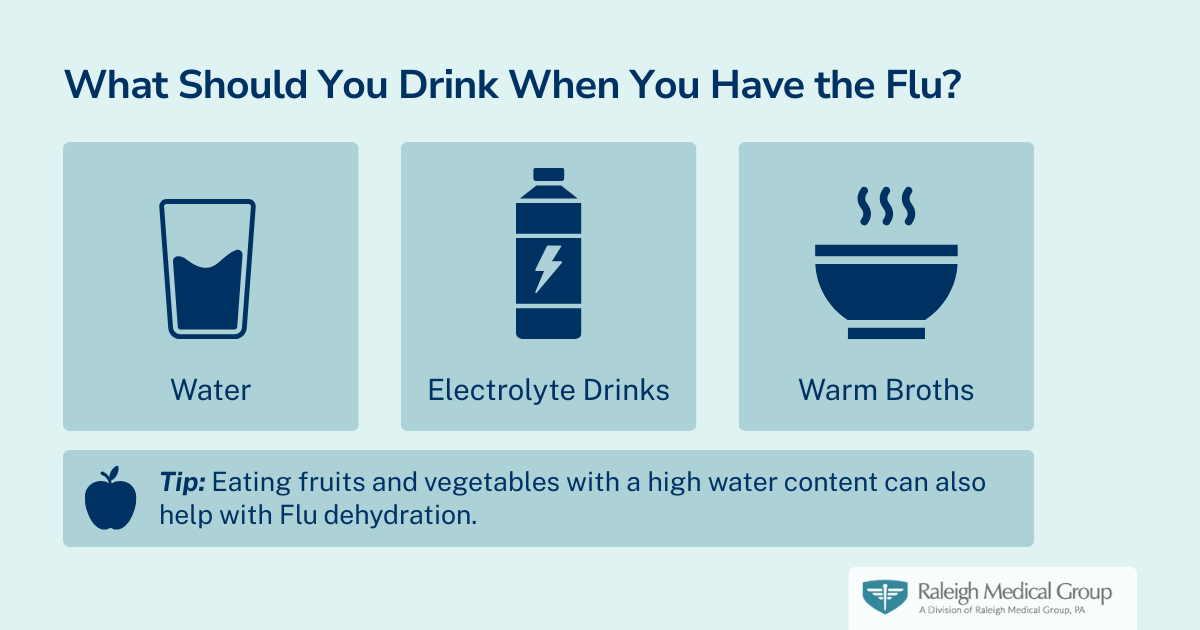
The flu often causes fever, sweating, and sometimes vomiting. These symptoms can lead to loss of electrolytes and fluids.
Replacing electrolytes helps prevent dehydration and supports recovery. Drinks with sodium and potassium are useful during flu.
- Sodium helps keep fluid balance stable
- Potassium supports muscle and nerve function
- Chloride aids digestion and fluid balance
Managing Electrolytes With Gastrointestinal Issues
Gastrointestinal problems like diarrhea and vomiting cause quick loss of electrolytes. This can make you feel weak and tired.
Electrolyte replacement is important to avoid severe dehydration. Oral rehydration solutions or electrolyte drinks help restore balance.
- Replace sodium and potassium lost through fluids
- Drink small amounts often to stay hydrated
- Avoid drinks high in sugar or caffeine
Electrolytes In Fever And Dehydration
Fever increases body temperature and sweating. This causes fluid and electrolyte loss, raising the risk of dehydration.
Electrolytes help maintain blood pressure and muscle function during dehydration. Drinking fluids with electrolytes supports faster recovery.
- Drink water with added sodium and potassium
- Eat foods rich in minerals like bananas and spinach
- Rest and avoid excessive heat to reduce fluid loss

Credit: medium.com
Frequently Asked Questions
Are Electrolytes Essential When You Are Sick?
Electrolytes help maintain fluid balance and support nerve and muscle function. When sick, they replace lost minerals due to vomiting or diarrhea. Drinking electrolyte-rich fluids prevents dehydration and speeds recovery.
Can Electrolytes Reduce Sickness Symptoms?
Yes, electrolytes can ease symptoms like fatigue and muscle cramps. They restore vital minerals lost during illness. Proper electrolyte balance supports overall body function and helps you feel better faster.
Which Electrolytes Are Important When Sick?
Sodium, potassium, calcium, and magnesium are key electrolytes during illness. They regulate hydration, muscle contractions, and nerve signals. Replenishing these minerals is crucial to avoid complications and maintain energy.
How Can I Get Electrolytes When Sick?
You can get electrolytes from sports drinks, oral rehydration solutions, or natural sources like coconut water. Eating fruits and vegetables also helps. Staying hydrated with electrolyte fluids supports recovery.
Conclusion
Electrolytes help keep your body balanced and hydrated when sick. They replace lost minerals from sweating, vomiting, or diarrhea. Drinking fluids with electrolytes can ease fatigue and muscle cramps. Choose drinks low in sugar for better absorption. Remember, electrolytes support recovery but do not replace medical care.
Rest and eat simple foods to help your body heal. Staying hydrated with electrolytes can make you feel better faster. Small steps count during illness. Take care and listen to your body’s needs.


