

Have you noticed unexplained weight gain despite your efforts to eat well and stay active? Your liver might be playing a bigger role than you realize.
When your liver isn’t working properly, it can affect how your body processes fat and stores energy. This can make shedding pounds much harder, and even cause unwanted weight to pile on. If you’ve been wondering, “Can a bad liver cause weight gain?
” you’re about to discover the surprising connection and what you can do about it. Keep reading to learn how your liver health could be the key to managing your weight.

Credit: www.youtube.com
Liver’s Role In Metabolism
The liver is a vital organ that helps control how your body uses energy. It changes the food you eat into fuel your body can use.
If the liver does not work well, it can affect your weight. The liver’s role in metabolism is important for keeping a healthy weight.
How The Liver Processes Nutrients
The liver takes nutrients from digested food and turns them into energy or stores them for later. It breaks down proteins, fats, and carbohydrates.
It also helps keep blood sugar levels steady by storing extra glucose as glycogen. When your body needs energy, the liver releases glucose into the blood.
Impact On Fat Storage And Breakdown
The liver controls fat by making, storing, and breaking down fat molecules. It helps balance how much fat the body keeps or uses.
If the liver is damaged, fat may build up inside it. This can cause weight gain and other health problems.
- The liver produces bile to help digest fats.
- It breaks down fat for energy.
- It stores some fat for later use.
- It removes excess fat from the bloodstream.
Signs Of Liver Dysfunction
The liver is a vital organ that helps the body process nutrients and remove toxins. When the liver does not work well, it can affect your health in many ways.
One question many people ask is if a bad liver can cause weight gain. Understanding the signs of liver problems can help you notice when your body is in trouble.
Common Symptoms To Watch For
Liver dysfunction can cause many symptoms. These signs often appear before serious illness develops. Watching for these symptoms can help you get medical help early.
- Yellowing of the skin or eyes (jaundice)
- Abdominal pain or swelling
- Chronic fatigue or weakness
- Dark urine or pale stool
- Itchy skin
- Nausea or loss of appetite
- Swelling in the legs or ankles
These signs may show liver stress or damage. Do not ignore them, as liver health is key to overall wellness.
When Weight Gain Is A Red Flag
Weight gain can happen for many reasons. But if your liver is not working well, it can cause fluid buildup and fat storage, leading to weight gain.
Weight gain linked to liver problems often comes with swelling or bloating. It is a sign that your liver is struggling to process toxins or fats properly.
- Sudden or unexplained weight gain
- Swelling in the belly (ascites)
- Feeling bloated after eating
- Weight gain with fatigue and weakness
- Increased waist size without a change in diet
If you notice these signs with weight gain, see a doctor for liver tests. Early treatment can prevent serious damage.
Link Between Liver Health And Weight Gain
The liver plays a big role in how the body stores and uses fat. If the liver is not healthy, it can lead to weight gain. Problems in the liver may slow down the body’s ability to burn fat.
Keeping the liver healthy helps control weight. When the liver is damaged, fat can build up in the body more easily. This can cause extra weight and other health issues.
Fatty Liver Disease And Obesity
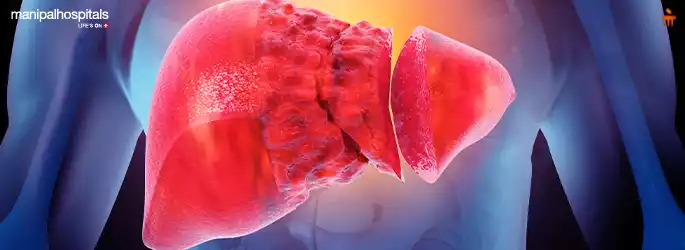
Fatty liver disease happens when fat builds up in the liver. This can stop the liver from working well. People with fatty liver disease often gain weight.
Obesity is a main cause of fatty liver disease. Extra body fat makes the liver store more fat. This can cause inflammation and damage to liver cells.
- Fatty liver disease slows fat burning
- Obesity increases fat in the liver
- Fat build-up harms liver function
- Damage can lead to more weight gain
Hormonal Imbalances Caused By Liver Issues
The liver helps balance hormones in the body. When the liver is sick, it can cause hormone problems. These issues can make the body store more fat.
Hormones like insulin and cortisol can be affected by liver health. Imbalance in these hormones can lead to weight gain and difficulty losing weight.
- Liver problems disrupt hormone balance
- Insulin resistance can develop
- Cortisol levels may rise
- Hormone changes increase fat storage
Credit: www.manipalhospitals.com
Factors That Worsen Liver-related Weight Gain
A bad liver can cause weight gain by slowing down metabolism and storing fat. Some factors make this worse and increase weight gain.
Understanding these factors helps manage liver health and control weight better.
Diet And Lifestyle Choices
Poor diet and inactive lifestyle can harm the liver. Eating too much sugar and fat makes the liver store more fat.
Not exercising slows down metabolism and adds to weight gain. Smoking and stress also hurt liver health.
- High sugar foods increase fat in the liver
- Eating many processed foods harms liver function
- Lack of physical activity reduces fat burning
- Smoking adds toxins that damage the liver
- Stress causes hormonal changes that affect liver
Alcohol And Medication Effects
Alcohol is toxic to the liver. Drinking too much causes fat buildup and liver damage, which leads to weight gain.
Certain medicines can also harm the liver. Some drugs slow liver processes or cause fat to store in the liver.
- Heavy alcohol use increases fat and liver inflammation
- Some painkillers and antibiotics can damage liver cells
- Medications may slow metabolism and cause weight gain
- Always use medicines under doctor supervision
Steps To Protect Your Liver And Manage Weight
Your liver plays a key role in your body’s health. A bad liver can cause weight gain and other problems.
Protecting your liver helps control your weight and keeps your body working well.
Dietary Changes For Liver Health
Eating the right foods helps your liver stay healthy. Avoid fatty and sugary foods that stress your liver.
Focus on foods that reduce liver fat and support liver repair.
- Eat plenty of fruits and vegetables
- Choose whole grains like brown rice and oats
- Include lean proteins such as chicken and fish
- Limit alcohol and sugary drinks
- Use healthy fats like olive oil and nuts
Exercise And Lifestyle Modifications
Regular exercise helps burn fat and improves liver function. It also helps control your weight.
Small lifestyle changes can protect your liver and improve your overall health.
- Exercise at least 30 minutes most days
- Include walking, swimming, or cycling
- Maintain a healthy weight
- Avoid smoking and limit alcohol use
- Get enough sleep every night
Medical Treatments And When To Seek Help
Sometimes diet and exercise are not enough. Medical help can protect your liver and manage weight.
See a doctor if you have symptoms like belly pain, jaundice, or sudden weight gain.
- Doctors may do blood tests or scans
- Medications can treat liver diseases
- Follow medical advice carefully
- Early treatment helps avoid serious problems
Credit: m.economictimes.com
Frequently Asked Questions
Can Liver Disease Lead To Weight Gain?
Yes, liver disease can lead to weight gain. A malfunctioning liver can cause fluid retention and fat accumulation. This might result in visible weight gain. Addressing liver health through medical guidance is crucial to manage these symptoms effectively.
How Does Liver Function Affect Metabolism?
The liver plays a key role in metabolism. It processes nutrients and detoxifies harmful substances. When the liver is impaired, metabolism slows down. This can lead to weight gain and energy imbalances. Maintaining liver health is essential for optimal metabolic function.
Can Fatty Liver Disease Cause Weight Increase?
Yes, fatty liver disease can contribute to weight gain. Excess fat in liver cells disrupts normal function. This can cause fluid retention and fat build-up. Managing fatty liver disease through diet and lifestyle changes is important to prevent weight-related complications.
Does Liver Inflammation Cause Bloating And Weight Gain?
Liver inflammation can cause bloating and weight gain. Inflammation affects liver function, leading to fluid retention and swelling. This may result in bloating and weight increase. Seeking medical advice for liver inflammation is essential for proper management and symptom relief.
Conclusion
A bad liver can lead to weight gain in many ways. It affects how your body stores and uses fat. Toxins build up and slow down metabolism. This makes it harder to lose extra pounds. Eating healthy and staying active helps support liver health.
Regular check-ups catch liver issues early. Taking care of your liver means better overall health. Keep your liver strong to manage your weight well. Small changes make a big difference over time. Your body will thank you.


