

Your liver works hard every day to keep your body clean and full of energy. But are you giving it the care it truly needs?
If you want to feel better, have more energy, and protect your health for the long run, making your liver healthier is key. You’ll discover simple, practical steps that can make a big difference. Ready to unlock the secrets to a stronger, happier liver?
Keep reading—you won’t want to miss what’s ahead.
Signs Of A Healthy Liver
The liver is a vital organ that helps clean the blood and process nutrients. It works hard to keep the body healthy.
Knowing the signs of a healthy liver can help you take care of it better. These signs show the liver is working well.
Physical Symptoms
A healthy liver does not cause pain or discomfort. You feel good with normal energy and no swelling.
Clear skin and bright eyes are often signs that your liver is healthy. The body does not show yellowing or itching.
- Good energy levels throughout the day
- No swelling in belly or legs
- Clear skin without yellow tint
- Bright, white eyes without yellowing
- Normal digestion and no nausea
Blood Test Indicators
Doctors check liver health with blood tests. These tests measure enzymes and proteins made by the liver.
Normal levels of these markers mean the liver is working well. Changes may show liver damage or disease early.
| Test | Healthy Range | What It Shows |
|---|---|---|
| ALT (Alanine Aminotransferase) | 7-56 units per liter | Low levels mean healthy liver cells |
| AST (Aspartate Aminotransferase) | 10-40 units per liter | Normal levels suggest no liver damage |
| Albumin | 3.5-5.0 grams per deciliter | Shows liver’s protein-making ability |
| Bilirubin | 0.1-1.2 milligrams per deciliter | Low levels mean good liver waste processing |
Foods That Boost Liver Health
Your liver helps remove toxins and stores energy. Eating the right foods supports its work.
Some foods contain nutrients that protect and improve liver function. Focus on fresh, natural choices.
Leafy Greens And Vegetables
Leafy greens like spinach and kale are rich in fiber and antioxidants. They help flush out toxins from the liver.
Vegetables such as broccoli and Brussels sprouts boost liver enzymes. These enzymes help break down harmful substances.
- Spinach
- Kale
- Broccoli
- Brussels sprouts
- Arugula
- Cabbage
Fruits Rich In Antioxidants
Fruits with antioxidants protect liver cells from damage. They reduce inflammation and support healing.
Berries like blueberries and strawberries contain high antioxidant levels. Citrus fruits add vitamin C, which helps the liver.
- Blueberries
- Strawberries
- Oranges
- Grapefruits
- Apples
- Cherries
Healthy Fats And Proteins
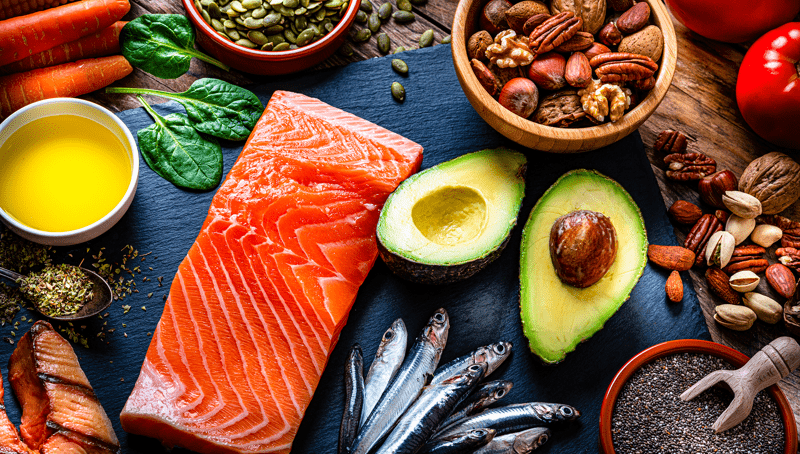
Healthy fats support liver cell repair and reduce fat buildup. Choose sources like nuts, seeds, and fish.
Lean proteins help the liver make enzymes. Good choices include chicken, fish, and legumes.
- Avocados
- Olive oil
- Walnuts
- Salmon
- Chicken breast
- Lentils
Habits To Avoid For Liver Wellness
Keeping your liver healthy is important for overall body wellness. Avoiding certain habits can help your liver work better.
This guide covers key habits to avoid for better liver health. Learn how to protect your liver every day.
Limiting Alcohol Intake
Drinking too much alcohol harms the liver. It can cause swelling and scarring over time.
Try to keep alcohol consumption low or avoid it completely. This helps your liver stay strong.
- Limit drinks to one or two per day
- Choose alcohol-free days each week
- Avoid binge drinking
Reducing Processed Foods
Processed foods often contain unhealthy fats and added sugar. These can stress your liver.
Eating fewer processed foods supports liver health and overall well-being.
- Avoid fast food and packaged snacks
- Choose fresh fruits and vegetables
- Cook meals at home with whole ingredients
Avoiding Toxins And Chemicals
Toxins from cleaning products, pesticides, and smoke can damage your liver. Be careful around these substances.
Use natural or safe products and keep your home well ventilated.
- Wear gloves when using chemicals
- Choose organic produce when possible
- Keep away from cigarette smoke
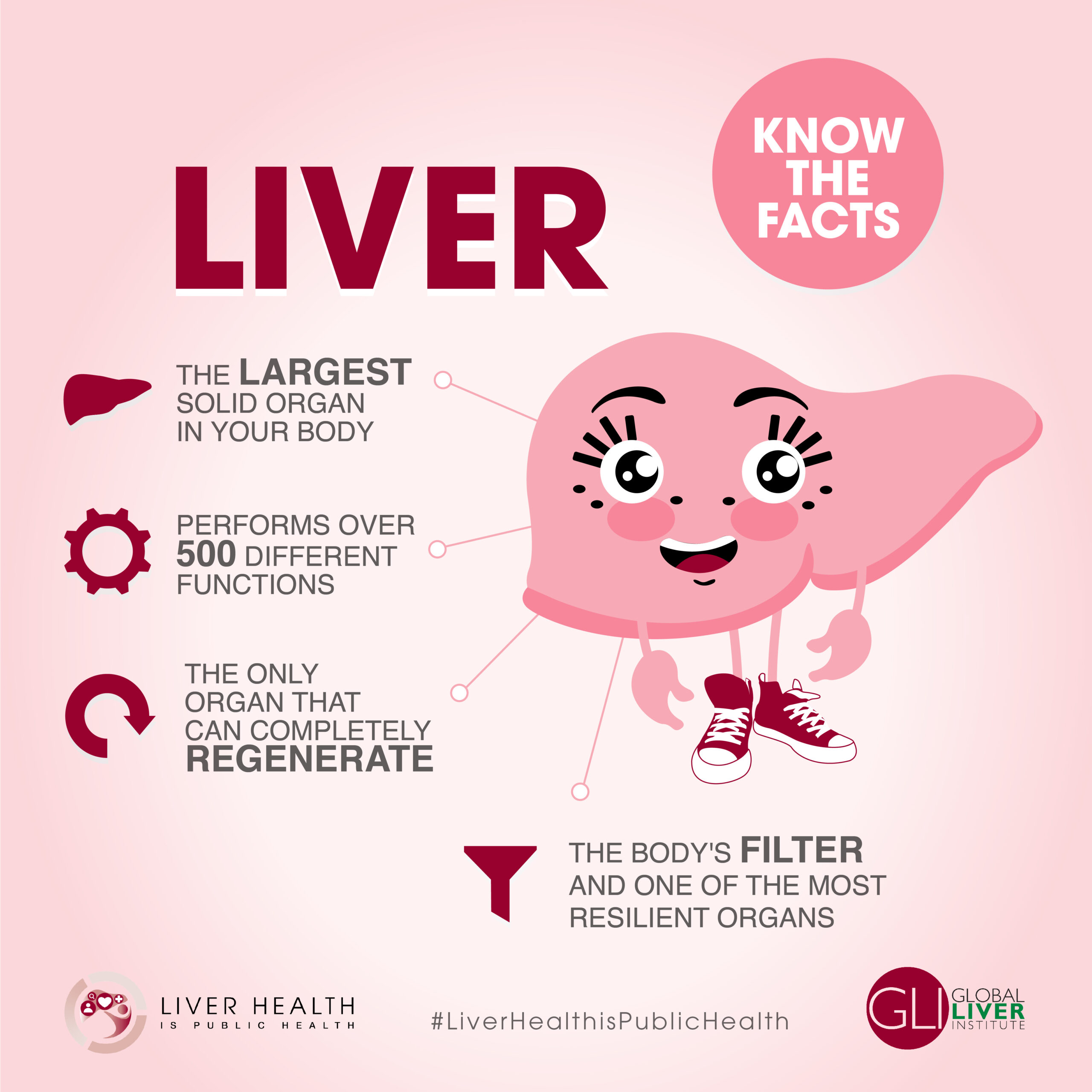
Credit: globalliver.org
Daily Lifestyle Changes
Keeping your liver healthy is important for overall wellness. Simple daily changes can improve liver function.
Small habits added to your routine help protect your liver from damage and keep it working well.
Regular Exercise
Exercise helps your liver by reducing fat buildup inside it. This lowers the risk of liver diseases.
Try to get at least 30 minutes of moderate exercise daily. Activities like walking, cycling, or swimming work well.
- Improves blood flow to the liver
- Helps control body weight
- Reduces liver fat
Staying Hydrated
Water helps your liver flush out toxins. Drink enough water every day to support this process.
Aim for at least 8 cups of water daily. You can also drink herbal teas or other non-sugary fluids.
- Keeps liver cells healthy
- Supports digestion and nutrient absorption
- Helps remove waste from the body
Maintaining A Healthy Weight
Being overweight can harm your liver. It may cause fat buildup and increase liver disease risk.
Eat balanced meals and avoid too many calories. Losing even a small amount of weight helps your liver.
- Reduces fat in the liver
- Improves liver function
- Helps prevent liver problems
Natural Remedies And Supplements
Keeping your liver healthy is important for your overall well-being. The liver helps clean your blood and digest food.
You can support your liver using natural remedies and supplements. These options help improve liver function and protect it from damage.
Herbal Teas
Herbal teas are gentle on the liver and can help detoxify the body. They contain natural ingredients that support liver health.
Some herbal teas help reduce inflammation and improve liver function. Drinking these teas regularly can support your liver naturally.
- Milk thistle tea protects liver cells
- Dandelion root tea helps remove toxins
- Green tea contains antioxidants that support liver
- Turmeric tea reduces liver inflammation
Vitamins And Minerals
Certain vitamins and minerals help keep the liver strong. They support liver repair and prevent damage from harmful substances.
Eating foods rich in these nutrients or taking supplements can improve liver health over time.
- Vitamin C helps protect liver cells from damage
- Vitamin E acts as an antioxidant for the liver
- Zinc supports liver enzyme functions
- Selenium helps reduce liver inflammation
Detoxifying Agents
Detoxifying agents help remove toxins from the liver. They support the liver’s natural cleaning process.
Using natural detoxifiers can protect the liver from harmful chemicals and improve its function.
- Choline supports fat metabolism in the liver
- Alpha-lipoic acid helps regenerate liver cells
- Glutathione is a powerful antioxidant for detox
- Artichoke extract promotes bile flow to aid digestion
Credit: health.clevelandclinic.org
When To See A Doctor
Your liver helps clean your blood and store energy. Sometimes, it can get sick. Knowing when to see a doctor helps keep your liver healthy.
Doctors can check your liver with tests. Early visits can stop problems from getting worse.
Warning Signs
Look for signs that your liver may be in trouble. These signs mean you should visit a doctor soon.
- Yellow skin or eyes (jaundice)
- Dark urine or pale stool
- Swelling in your belly or legs
- Feeling very tired or weak
- Unexplained weight loss
- Itchy skin without rash
- Abdominal pain or discomfort
Do not wait if you have these signs. Early care helps protect your liver.
Routine Checkups
Regular health checkups help find liver problems early. Your doctor can test your liver even if you feel fine.
Blood tests, like liver function tests, show how your liver is working. Your doctor may also use ultrasound or other scans.
- Get liver tests if you drink alcohol often
- Check liver health if you have diabetes or obesity
- Test if you take medicines that affect the liver
- Screen if you have a family history of liver disease

Credit: www.everydayhealth.com
Frequently Asked Questions
What Foods Improve Liver Health?
Eating a diet rich in fruits, vegetables, and whole grains supports liver health. Incorporate foods like leafy greens, berries, and nuts. Lean proteins like fish and chicken are beneficial. Avoid processed foods and excess sugar. These dietary choices help maintain liver function and reduce inflammation.
How Does Exercise Benefit The Liver?
Regular exercise enhances liver function and reduces fat accumulation. Aim for at least 150 minutes of moderate exercise weekly. Activities like walking, cycling, or swimming can improve liver health. Exercise also aids weight management, reducing the risk of liver-related diseases.
Can Alcohol Harm My Liver?
Excessive alcohol consumption damages liver cells and leads to liver disease. It can cause conditions like fatty liver, hepatitis, or cirrhosis. Limiting alcohol intake or avoiding it altogether is crucial for liver health. Moderation is key to preventing liver damage.
Are Supplements Effective For Liver Health?
Some supplements may support liver health, but consult a healthcare professional before use. Milk thistle and turmeric have shown potential benefits. However, supplements should not replace a healthy diet and lifestyle. Relying solely on supplements may not address underlying liver issues.
Conclusion
Taking care of your liver is key to good health. Eat fresh fruits and vegetables every day. Drink plenty of water to help flush toxins out. Avoid too much alcohol and fatty foods. Exercise regularly to keep your body strong.
Sleep well to help your liver repair itself. Small changes can make a big difference over time. Stay consistent, and your liver will thank you. A healthy liver supports your whole body’s wellness. Keep these tips in mind for a healthier life.


