

Have you ever wondered how long your liver takes to repair itself after damage? Your liver is one of the most hardworking organs in your body, filtering toxins and helping you stay healthy.
But when it gets hurt, you might be curious about how quickly it can bounce back. Understanding this process is key to making better choices for your health and recovery. Keep reading, and you’ll discover the surprising facts about liver repair and what you can do to support your body’s natural healing.
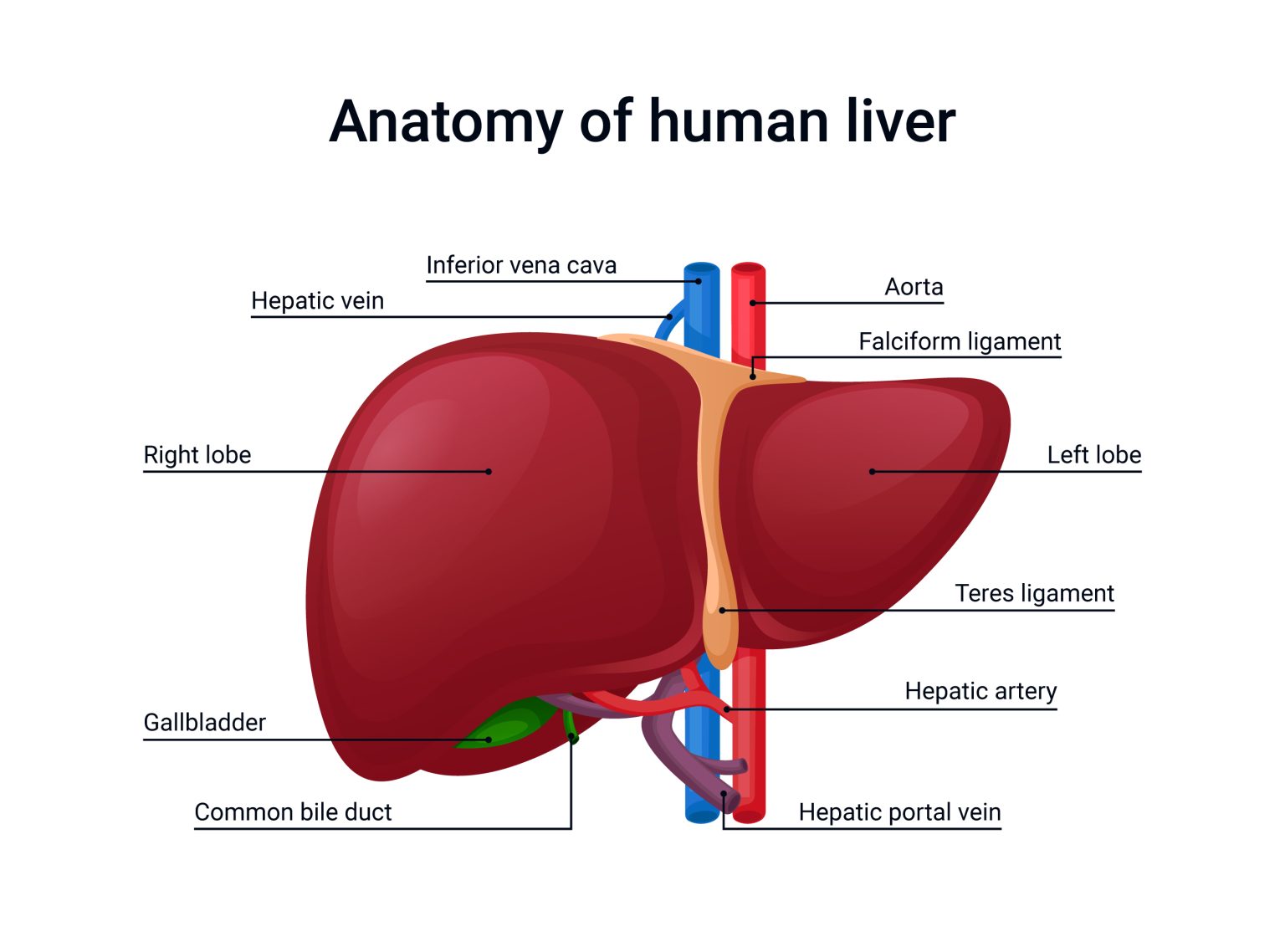
Credit: www.surgeon.co.nz
Liver Repair Basics
The liver is a strong organ that can fix itself after damage. It cleans blood, stores energy, and helps digest food.
Liver repair time depends on many things. This guide explains how the liver heals and what affects the repair.
Liver Regeneration Process
The liver can grow new cells to replace damaged ones. This process is called regeneration. It helps the liver work well again.
After injury, liver cells start to divide and multiply. This can restore liver size and function in a few weeks or months.
- Liver cells detect damage and begin to grow
- New cells replace the injured or dead cells
- Blood vessels and tissue structures also repair
- The liver regains normal shape and function
Factors Influencing Repair Time
The speed of liver repair changes based on several factors. These affect how well and how fast the liver heals.
Important factors include the type of damage, age, diet, and overall health. Drinking alcohol or having diseases can slow healing.
- Type and size of liver injury
- Age of the person
- Nutrition and hydration levels
- Presence of liver diseases like hepatitis
- Alcohol use and smoking habits
- Medications affecting liver function

Credit: refinerecovery.com
Common Liver Injuries
The liver is a strong organ that can heal itself from damage. Different injuries affect how long it takes to repair.
Some common liver injuries include damage from alcohol, fatty liver disease, and viral hepatitis. Each one changes the liver in different ways.
Alcohol-related Damage
Drinking too much alcohol can hurt the liver. It causes inflammation and scars over time. This condition is called alcoholic liver disease.
The liver can start to heal in a few weeks if alcohol use stops. But severe damage takes months or years to repair. Some scars may never go away.
- Early damage may heal in weeks after quitting alcohol
- More serious injury needs months to years for repair
- Advanced scarring can be permanent
Fatty Liver Disease
Fatty liver disease happens when fat builds up in the liver cells. It can cause inflammation and damage if untreated. This disease is common in people with obesity or diabetes.
Removing the cause, like losing weight or controlling blood sugar, helps the liver heal. Mild cases may improve in weeks. Severe cases take longer and may cause lasting harm.
- Fat buildup can harm liver cells
- Healthy lifestyle helps liver repair
- Healing time ranges from weeks to months
- Advanced damage may cause permanent scars
Viral Hepatitis Effects
Viral hepatitis is an infection that causes liver inflammation. Types include hepatitis A, B, and C. Each type affects the liver differently.
Some hepatitis infections clear in a few weeks. Chronic hepatitis B and C can cause long-term damage. Treatment helps control the virus and supports liver healing.
- Hepatitis A usually heals within weeks
- Hepatitis B and C may cause chronic damage
- Treatment aids liver repair and stops damage
- Without treatment, damage can become permanent
Timeline For Liver Healing
The liver is a strong organ that can heal itself. The time it takes to repair depends on the injury type and your health.
Understanding the timeline helps you care for your liver better and avoid more damage.
Short-term Recovery
In the first few days, the liver starts fixing small injuries. It clears toxins and reduces inflammation.
Many people feel better after a week if they avoid alcohol and eat healthy foods.
- 1 to 7 days: Liver cells begin repair
- Reduced swelling and toxin levels
- Improved energy and digestion
- Avoid alcohol and fatty foods
Long-term Healing
Long-term healing can take weeks to months. The liver regrows new cells and restores full function.
Regular check-ups and a healthy lifestyle support this process and prevent permanent damage.
- Weeks to months: New liver cells form
- Scars may shrink or stay depending on damage
- Maintain a balanced diet and exercise
- Avoid harmful substances like alcohol
Lifestyle Changes To Boost Repair
The liver is a strong organ that can heal itself. The time it takes to repair depends on damage and care.
Changing your lifestyle helps the liver heal faster. Simple habits can support liver repair.
Diet And Nutrition
Eating healthy foods helps the liver work well. Avoid fatty and sugary foods that harm the liver.
Choose foods rich in vitamins and antioxidants. These help reduce liver damage and support healing.
- Fresh fruits and vegetables
- Whole grains like oats and brown rice
- Lean proteins such as chicken and fish
- Healthy fats from nuts and olive oil
- Plenty of water to stay hydrated
Exercise And Physical Activity
Regular exercise improves blood flow and reduces fat in the liver. It also helps control weight.
Try to move your body every day. Even walking or light workouts can help the liver heal.
- Walk at least 30 minutes daily
- Do light stretching or yoga
- Include strength exercises twice a week
- Avoid long sitting periods
Avoiding Toxins
Toxins make liver repair slower. Avoid chemicals, alcohol, and harmful drugs to protect your liver.
Stay away from smoking and limit exposure to pollution. These can cause more liver damage.
- Do not drink alcohol
- Avoid smoking cigarettes
- Limit use of painkillers and medicines
- Stay away from strong chemicals and fumes
Medical Treatments And Support
The liver can heal itself over time, but the process varies by damage type. Medical treatments help speed up liver repair and prevent more harm.
Support from doctors and proper medicine is important for liver health. Treatment focuses on reducing damage and aiding liver recovery.
Medications That Aid Repair
Some medicines help the liver fix itself by reducing inflammation and protecting liver cells. Doctors choose medicines based on the liver condition.
These medications do not cure liver disease but support healing and prevent worsening. Patients must follow the prescribed dose and schedule.
- Antiviral drugs for hepatitis infections
- Medications to reduce liver inflammation
- Drugs that control symptoms like itching or swelling
- Supplements to support liver function, as advised by doctors
When To Seek Medical Help
Seek medical help if you notice signs of liver problems. Early treatment can prevent serious damage and improve recovery time.
Contact a healthcare provider if symptoms like jaundice, pain, or swelling occur. Regular check-ups help monitor liver health and repair progress.
- Yellowing of skin or eyes (jaundice)
- Unexplained abdominal pain or swelling
- Chronic fatigue or weakness
- Unusual bruising or bleeding
- Dark urine or pale stools
Signs Of Liver Recovery
The liver can heal itself over time after injury or illness. Knowing the signs of recovery helps you track progress. These signs show that the liver is getting stronger and working better.
Doctors use tests and symptoms to check if the liver is healing. You can also notice changes in your body that mean the liver is improving.
Improved Blood Tests
Blood tests show how well your liver works. When the liver repairs, some blood markers get better. This means less damage and more normal function.
Common blood tests include liver enzymes and bilirubin. Lower enzyme levels often mean the liver cells are healing. Bilirubin levels drop as the liver clears waste better.
- Lower alanine aminotransferase (ALT) levels
- Lower aspartate aminotransferase (AST) levels
- Reduced bilirubin levels
- Normal albumin levels
- Improved clotting factors
Symptom Relief
When the liver heals, many symptoms get better. You may feel less tired and have more energy. Pain or swelling in the belly can go down too.
Other signs include clearer skin and less itching. Your appetite might return, and digestion can improve. These changes show the liver is doing its job well again.
- Less fatigue and weakness
- Reduced abdominal pain or swelling
- Clearer skin and fewer rashes
- Less itching
- Better appetite and digestion
Credit: www.ckbhospital.com
Frequently Asked Questions
How Long Does Liver Healing Take?
The liver’s healing time varies based on damage severity. It typically ranges from a few weeks to several months. A healthy diet, avoiding alcohol, and regular check-ups can aid recovery. It’s crucial to consult with a healthcare professional for personalized advice.
Can The Liver Regenerate Quickly?
Yes, the liver has a remarkable ability to regenerate. However, the speed depends on the damage extent and lifestyle factors. Maintaining a healthy lifestyle, avoiding alcohol, and eating a balanced diet can support faster regeneration. Always consult with a healthcare provider for guidance.
What Affects Liver Repair Speed?
Several factors influence liver repair speed. These include alcohol consumption, diet, exercise, and underlying health conditions. A healthy lifestyle can promote faster recovery. It’s essential to follow medical advice and make necessary lifestyle changes for optimal liver health.
Is Liver Repair Possible After Heavy Drinking?
Yes, the liver can repair after heavy drinking, but it requires time and lifestyle changes. Abstaining from alcohol, eating a nutritious diet, and exercising can aid recovery. It’s important to seek medical advice for tailored guidance and support during the recovery process.
Conclusion
The liver can heal itself, but it takes time. Healing speed depends on damage and lifestyle. Eating healthy foods helps the liver repair faster. Avoiding alcohol and toxins supports liver health. Rest and regular check-ups are important too. Small changes lead to better liver recovery.
Keep patience and take care of your body. Your liver works hard to keep you well.


