

Are you trying to lose weight but not sure if protein shakes can help? You’ve probably seen them everywhere—at the gym, in stores, and on social media.
But do protein shakes really support your weight loss goals, or are they just another fad? Understanding how they work and whether they fit into your plan can make a big difference. Keep reading to discover the truth about protein shakes and how they might help you shed those extra pounds faster and smarter.
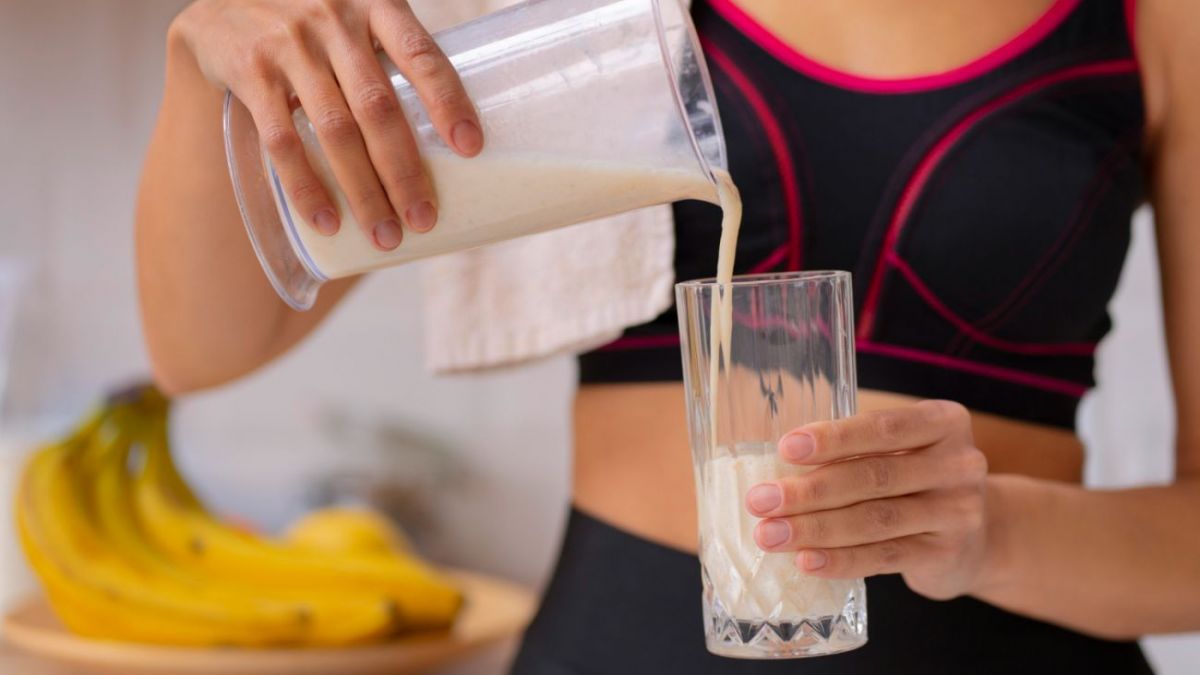
Credit: newsukraine.rbc.ua
How Protein Shakes Affect Weight
Protein shakes are popular for many people who want to lose weight. They provide a quick source of protein without many calories.
Understanding how protein shakes affect your body can help you use them well for fat loss.
Role Of Protein In Fat Loss
Protein helps build and repair muscles. More muscle means your body burns more calories even when resting.
Eating enough protein can stop your body from losing muscle during weight loss. This keeps your metabolism steady.
Impact On Metabolism
Protein needs more energy to digest than fats or carbs. This is called the thermic effect of food.
Drinking protein shakes can increase the calories your body burns each day by raising this effect.
- Protein increases calorie burning during digestion
- Boosts metabolism slightly after meals
- Supports fat loss by using more energy
Effect On Appetite And Cravings
Protein shakes make you feel full for longer. This helps reduce hunger between meals.
By lowering cravings, protein shakes can help you eat less and avoid unhealthy snacks.
- Increases feelings of fullness
- Reduces the desire to snack
- Helps control calorie intake
:max_bytes(150000):strip_icc()/Health-GettyImages-2044849531-dd5077c481f745eaa95ff94a70f92870.jpg)
Credit: www.health.com
Types Of Protein Shakes
Protein shakes come in different types to suit various needs. They can help with weight loss by keeping you full and supporting muscle health.
Choosing the right protein shake depends on your diet and preferences. Here are the common types of protein shakes.
Whey Protein
Whey protein is made from milk during cheese production. It is fast-digesting and rich in essential amino acids.
This type supports muscle repair and helps you feel full longer. It is popular for weight loss and fitness goals.
Plant-based Proteins
Plant-based proteins come from sources like peas, rice, and hemp. They are good for people who avoid dairy.
These proteins often include fiber, which helps with digestion and fullness. They can be a good choice for weight loss.
- Pea protein: rich in iron and easy to digest
- Rice protein: hypoallergenic and gentle on the stomach
- Hemp protein: contains healthy fats and fiber
Casein And Other Variants
Casein is another milk-based protein that digests slowly. It provides a steady release of amino acids over time.
Other variants include egg white protein and collagen protein. Each type offers unique benefits for weight management.
- Casein: good for nighttime use and muscle recovery
- Egg white protein: low in fat and carbs
- Collagen protein: supports skin and joint health
Benefits Of Protein Shakes For Weight Loss
Protein shakes are popular for people trying to lose weight. They offer a simple way to add protein to your diet.
Protein helps your body burn fat and keep muscles strong. Drinking protein shakes can support weight loss goals.
Convenient Meal Replacement
Protein shakes can replace a meal when you are busy. They are quick to make and easy to carry.
This convenience helps you avoid unhealthy snacks or fast food. A protein shake gives needed nutrients fast.
Muscle Preservation During Dieting
Eating enough protein keeps your muscles while you lose fat. Muscle loss can slow down your metabolism.
Protein shakes provide high-quality protein to support muscle health during calorie cuts. This helps keep your body strong.
Boosting Satiety Levels
Protein shakes can make you feel full longer. This reduces hunger and helps control calorie intake.
- Protein slows digestion, keeping you satisfied
- Less hunger means fewer snacks between meals
- Helps maintain steady energy levels throughout the day
Potential Downsides And Risks
Protein shakes can help with weight loss by reducing hunger and boosting metabolism. Still, they are not perfect for everyone.
It is important to know some possible downsides and risks before adding protein shakes to your diet.
Excess Calorie Consumption
Protein shakes sometimes contain many calories. Drinking them without adjusting your food intake can cause weight gain.
People may think protein shakes replace meals, but they can add extra calories instead.
- Check the calorie label before drinking
- Use shakes to replace a meal, not add calories
- Track total daily calorie intake carefully
Digestive Issues
Some protein shakes can cause stomach problems. This is common if you drink them too fast or in large amounts.
Lactose intolerance or allergies to ingredients in shakes can cause gas, bloating, or diarrhea.
- Start with small amounts to see how your body reacts
- Choose lactose-free or plant-based protein if needed
- Drink plenty of water to help digestion
Quality And Additives Concerns
Not all protein shakes have good ingredients. Some contain added sugars, artificial flavors, and fillers.
Low-quality protein powders may lack important nutrients and add unhealthy substances to your diet.
- Read labels carefully before buying
- Choose products with few additives and natural ingredients
- Look for trusted brands with good reviews
How To Use Protein Shakes Effectively
Protein shakes can help with weight loss if used the right way. They supply the body with protein to keep muscles strong.
Using protein shakes well means knowing when and how much to drink. You also need to combine them with good food and exercise.
Timing And Portion Control
Drink protein shakes at times that support your weight loss goals. Avoid drinking too many or very large portions.
Having a shake after exercise helps muscles recover. A small shake between meals can reduce hunger and prevent overeating.
- Limit shakes to 1-2 servings a day
- Use 20-30 grams of protein per shake
- Drink shakes after workouts or between meals
Combining With Balanced Diet
Protein shakes should not replace all meals. Eat a variety of healthy foods with vegetables, fruits, and whole grains.
Balanced meals give your body vitamins and fiber that shakes lack. This helps you feel full and stay healthy.
- Include lean proteins like chicken or beans
- Add plenty of vegetables and fruits
- Choose whole grains over refined carbs
- Use shakes to supplement, not replace meals
Incorporating Exercise
Exercise burns calories and builds muscle, helping weight loss. Protein shakes support muscle repair after workouts.
Combine strength training and cardio for best results. Drinking a protein shake after exercise helps your body recover faster.
- Do strength training 2-3 times a week
- Include cardio exercises like walking or cycling
- Have a protein shake within 30 minutes after workouts
Comparing Protein Shakes With Other Weight Loss Methods
Protein shakes are popular for weight loss because they are quick and easy. People often wonder how they compare to other ways of losing weight.
This article looks at protein shakes alongside whole food proteins, low-carb and keto diets, and intermittent fasting.
Whole Food Proteins
Whole food proteins come from natural sources like meat, beans, and eggs. They provide vitamins and minerals that shakes may lack.
Eating whole foods can keep you full longer because they have fiber and healthy fats. This helps control hunger and reduces snacking.
- Whole foods provide more nutrients
- They help with fullness and satisfaction
- Require more time to prepare than shakes
Low-carb And Keto Diets
Low-carb and keto diets lower carbohydrate intake to burn fat for energy. Many people lose weight fast on these diets.
Protein shakes can fit into these diets if they are low in carbs. They offer a quick protein source without adding many carbs.
- Low-carb diets focus on fats and proteins
- Keto diet requires very low carb intake
- Protein shakes must be low-carb to fit these plans
Intermittent Fasting
Intermittent fasting limits eating to certain hours of the day. It helps reduce calorie intake without strict food rules.
Protein shakes can break a fast and provide nutrition quickly. They are useful for meals after fasting periods.
- Fasting controls when you eat, not what you eat
- Protein shakes offer fast nutrition after fasting
- Helps maintain muscle during calorie reduction
Common Myths About Protein Shakes
Protein shakes are popular among people trying to lose weight. Many myths surround their use and effects. It is important to understand the truth about protein shakes.
This article clears up some common myths about protein shakes and weight loss. Knowing facts helps make better choices for your health.
Protein Shakes Cause Weight Gain
Some people think protein shakes always lead to weight gain. This is not true. Weight gain happens when you eat more calories than you burn.
Protein shakes can help control hunger and reduce overall calorie intake. They do not cause weight gain if used correctly.
- Protein shakes add calories like any food
- Excess calories from shakes can cause weight gain
- Using shakes as meal replacements can help control calories
Only For Bodybuilders
Many think protein shakes are only for bodybuilders. This is a myth. Anyone who needs more protein can use them.
Protein shakes help athletes, busy people, and those losing weight. They provide a quick and easy protein source.
- Bodybuilders use them for muscle growth
- People on weight loss plans use them to feel full
- Vegetarians and vegans use plant-based protein shakes
Protein Shakes Replace All Meals
Some believe protein shakes can replace all meals. This is not healthy. Meals provide important nutrients that shakes may lack.
Using protein shakes for one or two meals is fine. But whole foods with vegetables, fruits, and grains are necessary.
- Shakes lack fiber found in whole foods
- Meals provide vitamins and minerals not in shakes
- Balanced diet supports long-term health

Credit: www.exalt.co.uk
Frequently Asked Questions
Are Protein Shakes Effective For Weight Loss?
Protein shakes can support weight loss by reducing appetite and boosting metabolism. They help preserve muscle during calorie cuts. Choosing low-calorie, low-sugar shakes enhances results. Combining shakes with a balanced diet and exercise is essential for effective weight loss.
How Many Protein Shakes Should I Drink Daily?
Typically, 1 to 2 protein shakes per day are enough. Excessive intake can add unwanted calories. Use shakes as meal replacements or post-workout supplements. Adjust intake based on your daily protein needs and weight loss goals.
Can Protein Shakes Replace Meals For Weight Loss?
Yes, protein shakes can replace meals temporarily to reduce calorie intake. Ensure the shake is nutrient-rich to avoid nutrient deficiencies. Use meal replacements wisely and not long-term without professional advice.
Are Protein Shakes Better Than Snacks For Weight Loss?
Protein shakes are often better than high-calorie snacks. They keep you fuller longer and reduce cravings. Choose shakes with low sugar and balanced macros for optimal weight loss benefits.
Conclusion
Protein shakes can support weight loss when used wisely. They help control hunger and provide needed nutrients. Choosing shakes with low sugar and balanced protein is key. Pair shakes with healthy meals and regular exercise. Remember, no single product works alone for weight loss.
Stay consistent and patient with your plan. Small changes lead to lasting results. Protein shakes are one helpful tool, not a quick fix. Keep your goals clear and stay focused every day.


