
Are you wondering if it’s safe to take probiotics while you’re on antibiotics? You’re not alone.
Many people ask this question because antibiotics can disrupt the natural balance of bacteria in your gut. But can probiotics help restore that balance, or could they interfere with your treatment? Understanding how these two work together is key to keeping your digestive health strong.
Keep reading to find out what you need to know before combining probiotics with antibiotics—and how to do it safely for the best results.

Credit: www.thenutritionsciencepodcast.com
How Antibiotics Affect Gut Health
Antibiotics kill bacteria that cause infections. They do not only kill bad bacteria but also good bacteria.
This can change the balance of bacteria in your gut. A healthy gut needs many types of good bacteria.
Impact On Gut Bacteria
Antibiotics reduce the number of good bacteria in your gut. This can make your gut less healthy and weaker.
Some good bacteria help digest food and fight germs. Losing them may cause problems with digestion and immunity.
- Antibiotics kill both harmful and helpful bacteria
- Good bacteria help break down food and fight illness
- Loss of good bacteria can cause gut imbalance
Common Side Effects
When good bacteria die, you may get side effects. These include upset stomach, diarrhea, and gas.
These side effects happen because your gut bacteria are not working well. The balance needs time to return.
- Stomach pain or cramps
- Loose stools or diarrhea
- Bloating and gas
- Feeling tired or weak
Role Of Probiotics During Antibiotic Treatment
Antibiotics kill harmful bacteria that cause infections. They can also kill good bacteria in the gut.
Probiotics are live bacteria that help keep the gut healthy. Taking probiotics during antibiotics can support gut health.
Restoring Gut Balance
Antibiotics can reduce the number of good bacteria in the intestines. This change can upset the natural balance of microbes.
Probiotics help bring back the good bacteria. They can improve digestion and strengthen the gut’s defense.
- Probiotics add helpful bacteria to the gut
- They support the growth of natural gut microbes
- They help keep bad bacteria from taking over
Reducing Antibiotic Side Effects
Antibiotics often cause side effects like diarrhea and stomach upset. These happen because of changes in the gut bacteria.
Probiotics can lower the chance of these problems. They help keep the gut healthy and reduce discomfort.
- Probiotics reduce diarrhea risk during antibiotics
- They ease bloating and stomach cramps
- They support faster gut recovery after treatment
Timing Your Probiotic Intake
Taking probiotics while using antibiotics can help keep your gut healthy. The timing of your probiotic matters to get the best effect.
Antibiotics kill bad bacteria but can also reduce good bacteria. Probiotics add good bacteria back to your system.
When To Take Probiotics
Take probiotics at a different time than your antibiotic. This helps keep probiotics safe from the antibiotic’s effects.
Try to take probiotics 2 to 3 hours after your antibiotic dose. This gap helps probiotics survive and work well.
- Take antibiotic first at the scheduled time
- Wait 2 to 3 hours before taking probiotics
- Keep a regular schedule for both
Duration Of Use
Use probiotics during the entire antibiotic course. Continue probiotics for a few weeks after finishing antibiotics.
This helps restore your gut bacteria to a healthy balance after antibiotics reduce them.
- Start probiotics when you begin antibiotics
- Keep taking probiotics during treatment
- Continue probiotics for 2 to 4 weeks after antibiotics

Credit: biokplus.ca
Choosing The Right Probiotic
Taking probiotics with antibiotics can help keep your gut healthy. Not all probiotics work the same way. You need to pick the right one.
Choosing the right probiotic means looking at the type, quality, and amount. This helps you get the best support during antibiotic use.
Strain Selection
Different probiotic strains have different effects. Some strains survive antibiotics better than others. Pick strains proven to help with antibiotic side effects.
- Lactobacillus rhamnosus GG:Helps prevent diarrhea caused by antibiotics.
- Saccharomyces boulardii:A yeast that does not get killed by antibiotics.
- Bifidobacterium lactis:Supports digestion and gut balance.
Quality And Dosage
Choose probiotics with strong quality controls. Look for products tested for safety and potency. The right dose helps the probiotic work well.
Most studies use doses from 5 billion to 20 billion CFUs daily. CFU means colony-forming units, or live bacteria count. Higher doses do not always work better.
- Check expiration date to ensure live bacteria.
- Choose probiotics with at least 5 billion CFUs per dose.
- Follow the product’s instructions for best results.
- Store probiotics as directed, often in a cool place.
Potential Risks And Considerations
Taking probiotics with antibiotics is common. People want to keep their gut healthy during antibiotic use.
There are some risks and things to think about before combining them. It is important to know what could happen.
Interactions With Antibiotics
Antibiotics kill bacteria, including good ones in probiotics. This may lower the probiotic’s effects.
Some antibiotics can destroy the strains in probiotics. This means probiotics might not work well.
- Antibiotics can reduce probiotic bacteria numbers
- Timing matters; taking probiotics too close to antibiotics may reduce benefits
- Not all probiotics survive antibiotic treatment
Who Should Avoid Probiotics
Probiotics are safe for many people, but some should avoid them. This includes people with weak immune systems.
People with serious health issues or those in hospitals need to be careful. Probiotics might cause infections in rare cases.
- People with weakened immune systems
- Those with severe illnesses or organ failure
- Patients using central venous catheters
- People with allergies to probiotic ingredients
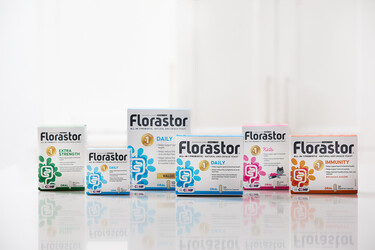
Credit: www.florastor.ca
Tips For Maximizing Benefits
Taking probiotics while on antibiotics can help keep your gut healthy. Using them the right way makes them work better.
Here are some tips on diet, lifestyle, and how to use probiotics consistently for the best results.
Diet And Lifestyle
Eating healthy foods supports the good bacteria in your gut. Avoid too much sugar and processed foods because they feed harmful bacteria.
Include fiber-rich foods like fruits, vegetables, and whole grains. These help probiotics grow and stay strong.
- Eat yogurt, kefir, or fermented foods for extra probiotics
- Drink plenty of water to keep your digestion smooth
- Limit alcohol and caffeine as they can upset your gut
- Exercise regularly to improve digestion and immune health
Consistency In Use
Taking probiotics at the same time every day helps keep good bacteria steady in your gut. This is important during and after antibiotic treatment.
Follow the instructions on your probiotic package carefully. Some need to be taken with food, others on an empty stomach.
- Take probiotics daily, even after finishing antibiotics
- Space probiotics and antibiotics by at least 2 hours
- Keep using probiotics for a few weeks to restore gut health
- Store probiotics properly to keep them alive and effective
Frequently Asked Questions
Can I Take Probiotics And Antibiotics Together Safely?
Yes, you can take probiotics with antibiotics. Probiotics help restore gut bacteria affected by antibiotics. However, take probiotics a few hours apart from antibiotics to avoid interference.
When Should I Take Probiotics While On Antibiotics?
It is best to take probiotics 2-3 hours after your antibiotic dose. This timing helps probiotics survive and reach your gut effectively.
Do Probiotics Reduce Antibiotic Side Effects?
Probiotics can reduce antibiotic side effects like diarrhea. They help maintain healthy gut bacteria balance during antibiotic treatment, improving digestion and immunity.
Which Probiotics Are Best During Antibiotic Use?
Look for probiotics with strains like Lactobacillus and Bifidobacterium. These strains are proven to support gut health during antibiotics.
Conclusion
Taking probiotics during antibiotic treatment can help protect your gut health. Antibiotics kill both bad and good bacteria. Probiotics add good bacteria back into your system. Timing matters—take probiotics a few hours after antibiotics. This practice may reduce side effects like diarrhea.
Always talk to your doctor before starting probiotics. They can guide you on the right type and dose. Supporting your gut during antibiotics helps you feel better faster. Simple steps can make a big difference in your recovery.


