

Are you taking multivitamins but unsure when is the best time to swallow them? Should you pop them before your meal or wait until after eating?
The timing can actually make a big difference in how well your body absorbs these nutrients. If you want to get the most out of your multivitamins and boost your health, keep reading. This article will clear up the confusion and give you simple, practical advice you can start using today.
Don’t miss out on unlocking the full benefits of your supplements!
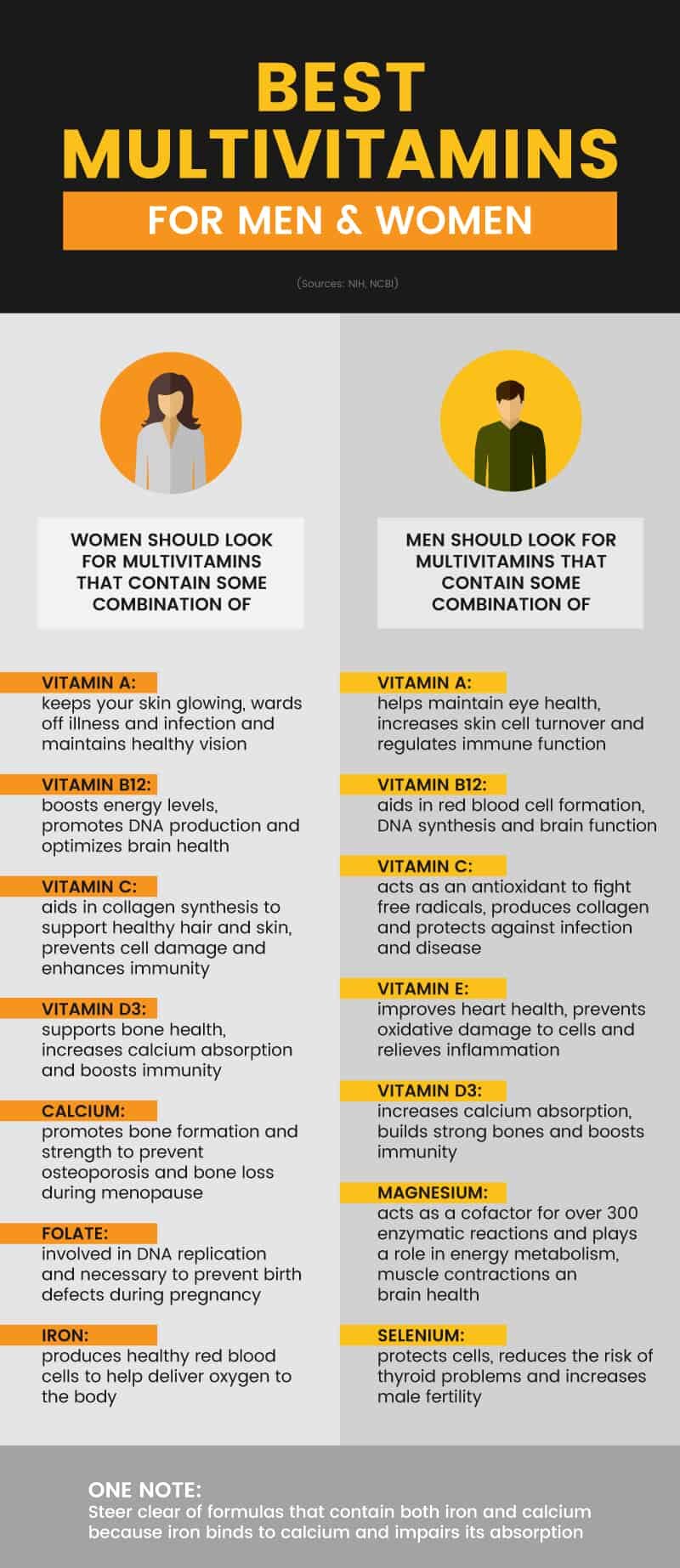
Credit: draxe.com
Timing And Multivitamin Absorption
Taking multivitamins at the right time can help your body absorb nutrients better. Some vitamins need food to work well.
Understanding when to take your multivitamins helps you get the most benefit from them.
How Meal Timing Affects Nutrient Uptake
Eating before taking multivitamins usually helps your body absorb the nutrients. Food slows down digestion, which helps vitamins enter your system.
Taking vitamins on an empty stomach can cause discomfort or reduce absorption, especially for some minerals.
- Take multivitamins with a meal for better absorption.
- Morning or evening meals both work well.
- Avoid taking vitamins on an empty stomach to prevent nausea.
Fat-soluble Vs Water-soluble Vitamins
Vitamins are either fat-soluble or water-soluble. Fat-soluble vitamins need dietary fat to be absorbed properly.
Water-soluble vitamins dissolve in water and absorb easily, even without food.
- Fat-soluble vitamins:A, D, E, K – take with meals containing fat.
- Water-soluble vitamins:B-complex, C – can be taken with or without food.
Benefits Of Taking Multivitamins Before Eating
Taking multivitamins before eating is a common question for many people. Some believe it helps the body absorb vitamins better.
This article explains the benefits of taking multivitamins before meals. It also looks at some possible drawbacks.
Potential Advantages
Taking multivitamins before eating can help some vitamins absorb faster. Vitamins like B and C are water-soluble and work well on an empty stomach.
Some people find it easier to remember taking vitamins before meals. It can also reduce the chance of forgetting to take them later.
- Faster absorption of water-soluble vitamins
- Better vitamin uptake without food interference
- Easy to build a vitamin routine before meals
- May increase energy levels earlier in the day
Possible Drawbacks
Taking multivitamins on an empty stomach may cause stomach upset in some people. This can lead to nausea or discomfort.
Fat-soluble vitamins like A, D, E, and K need fat to absorb well. Taking them before eating might reduce their effectiveness.
- Stomach discomfort or nausea for sensitive people
- Lower absorption of fat-soluble vitamins without food
- Some vitamins may cause mild side effects
Benefits Of Taking Multivitamins After Eating
Taking multivitamins after a meal can help your body use the nutrients better. Food helps your body absorb vitamins and minerals more efficiently.
It also lowers the chance of feeling sick or upset in your stomach. Many people find it easier to take vitamins after eating.
Improved Absorption
Food helps your body absorb fat-soluble vitamins like A, D, E, and K. These vitamins need fat to dissolve and enter your bloodstream.
Taking vitamins with a meal that has some fat improves how much your body can use. Some minerals also absorb better with food.
- Fat-soluble vitamins need dietary fat to absorb well
- Food slows digestion, helping vitamins absorb slowly
- Some minerals need stomach acid, which food increases
Reduced Stomach Discomfort
Taking vitamins on an empty stomach can cause nausea or upset stomach. Food acts as a buffer and protects your stomach lining.
Eating before taking multivitamins lowers the chance of feeling sick. This makes it easier to take your vitamins every day.
- Food reduces acid irritation caused by some vitamins
- Less chance of nausea or stomach cramps
- Better tolerance helps keep a daily vitamin routine

Credit: www.news18.com
Factors Influencing Optimal Timing
Taking multivitamins at the right time helps your body absorb nutrients better. Timing depends on many factors.
Understanding these factors can guide you to take multivitamins before or after eating for best results.
Type Of Multivitamin
Different multivitamins contain various nutrients. Some need food to increase absorption.
Fat-soluble vitamins like A, D, E, and K absorb better with meals that have fat.
- Water-soluble vitamins (B, C) can be taken on an empty stomach
- Iron supplements work best with food to reduce stomach upset
- Some minerals may need food to avoid nausea
Individual Health Conditions
Your health status affects when to take multivitamins. Some conditions cause stomach sensitivity.
People with acid reflux or ulcers might find vitamins irritating without food.
- Those with digestive issues should take vitamins after meals
- Some health conditions require specific timing advised by doctors
- Medications can interact with vitamins, affecting timing
Diet Composition
Your daily diet impacts vitamin absorption and timing. Meals high in fat improve some vitamin absorption.
Light or low-fat meals might reduce absorption of fat-soluble vitamins.
- Take fat-soluble vitamins with meals containing healthy fats
- Taking vitamins with a balanced meal helps reduce stomach discomfort
- Empty stomach may work for water-soluble vitamins if no nausea occurs
Tips For Maximizing Multivitamin Effectiveness
Taking multivitamins can help fill nutrient gaps in your diet. To get the most from them, how and when you take them matters.
Some simple tips can improve how your body absorbs and uses the vitamins. These tips focus on timing, interactions, and hydration.
Consistency In Timing
Taking your multivitamin at the same time each day helps your body get used to it. This routine can improve absorption and make it easier to remember.
Many experts suggest taking multivitamins with a meal. Food helps your body absorb fat-soluble vitamins better.
- Pick a meal you eat daily, like breakfast or dinner
- Stick to the same time every day for best results
- Taking vitamins with food can reduce stomach upset
Avoiding Interactions
Some vitamins and minerals can interact with medicines or other supplements. These interactions can lower how well your multivitamin works.
Talk to your doctor if you take prescription drugs. They can help you find the best time to take your multivitamin.
- Avoid taking multivitamins with certain antibiotics
- Iron supplements can reduce absorption of some medicines
- Separate multivitamins and calcium supplements by a few hours
Hydration And Supplement Intake
Drinking water when you take your multivitamin helps it move through your stomach. This can help your body absorb the nutrients better.
Use a full glass of water to swallow your vitamins. Avoid caffeine or alcohol at the same time, as they can reduce absorption.
- Drink at least 8 ounces of water with your multivitamin
- Stay hydrated throughout the day for better nutrient use
- Avoid taking vitamins with coffee or soda
Credit: www.hollandandbarrett.com
Frequently Asked Questions
Should I Take Multivitamins Before Or After Meals?
Taking multivitamins after meals is generally better. Food helps improve vitamin absorption and reduces stomach upset. Fat-soluble vitamins like A, D, E, and K absorb best with dietary fat. Taking vitamins on an empty stomach may cause nausea or reduce effectiveness.
Can Multivitamins Upset My Stomach If Taken On Empty?
Yes, multivitamins can cause stomach discomfort if taken without food. Some vitamins and minerals irritate the stomach lining. Eating before taking supplements helps protect your stomach and enhances nutrient absorption. If you experience nausea, try taking multivitamins with a meal.
Does Food Affect Multivitamin Absorption?
Yes, food significantly impacts multivitamin absorption. Fat-soluble vitamins need dietary fat to absorb efficiently. Some minerals absorb better with food, while others may compete with certain foods. Taking multivitamins with a balanced meal maximizes their benefits and minimizes side effects.
Is It Okay To Take Multivitamins Anytime During The Day?
While some vitamins can be taken anytime, consistency matters most. Taking multivitamins with meals, especially breakfast or lunch, improves absorption and reduces stomach upset. Avoid taking them late at night if they contain energy-boosting ingredients like B vitamins.
Conclusion
Taking multivitamins with food helps your body absorb nutrients better. Some vitamins can upset your stomach if taken alone. Eating first can reduce this discomfort. Your meal type matters too—fat-soluble vitamins need some fat to work well. Water-soluble ones can be taken anytime, but food still helps.
Listen to your body and follow the label instructions. Consistency matters more than timing. Small changes can improve how your body uses vitamins. Stay healthy by choosing the best way for you.


