

Are you wondering if you can take a multivitamin while fasting without breaking your fast? It’s a common question that can leave you confused, especially when you want to stay healthy and get the most out of your fasting routine.
The truth is, what you take during fasting can impact your results more than you think. You’ll discover the facts about multivitamins and fasting, so you can make smart choices that support your goals. Keep reading to find out what works best for your body and your fast.

Credit: hunterandgatherfoods.com
Multivitamins And Fasting
Many people wonder if they can take multivitamins while fasting. Fasting means not eating for a set time. Some worry vitamins might break the fast.
It is important to know how multivitamins work during fasting. This helps keep your fast effective and safe.
How Multivitamins Interact With Fasting
Multivitamins usually contain vitamins and minerals. Some need food to absorb well. Taking them on an empty stomach can cause discomfort.
Most multivitamins have little or no calories. This means they do not break a fast in most cases. But some vitamins come with fillers or sugars.
- Water-soluble vitamins like B and C do not break a fast.
- Fat-soluble vitamins A, D, E, and K may need food for best absorption.
- Multivitamins with added sugars or calories can break a fast.
- Taking vitamins on an empty stomach might cause nausea.
Common Concerns About Taking Vitamins While Fasting
People worry about vitamin effects during fasting. Some think vitamins stop fat burning or cause insulin spikes. Most vitamins have little effect on insulin.
Some ask if vitamins cause stomach pain when fasting. It can happen if vitamins irritate the stomach lining. Taking vitamins with water helps reduce this risk.
- Vitamins usually do not break a fast if they have no calories.
- Stomach upset is common if vitamins are taken without food.
- Check labels for added sugars or fillers in vitamins.
- Talk to a doctor before starting vitamins during fasting.
Types Of Fasting Methods
Fasting means not eating food for a set time. People fast for health or weight reasons.
There are many ways to fast. Each way affects your body and vitamins differently.
Intermittent Fasting Variations
Intermittent fasting means you eat during certain hours and fast the rest of the day.
Common types include fasting for 16 hours and eating in an 8-hour window. Some fast 24 hours once or twice a week.
- 16/8 method: fast 16 hours, eat 8 hours
- 5:2 method: eat normally 5 days, limit calories 2 days
- Eat-Stop-Eat: fast 24 hours once or twice weekly
Taking a multivitamin during these fasting windows usually does not break the fast. Vitamins do not have calories or sugar.
Some vitamins may upset your stomach if taken without food. It is best to take multivitamins during eating periods.
Extended Fasting And Nutrient Intake
Extended fasting lasts more than 24 hours. It can go up to several days or longer.
During long fasts, nutrient intake is very important. The body needs vitamins to stay healthy.
- Multivitamins can help prevent vitamin deficiencies.
- Choose water-soluble vitamins to avoid build-up in the body.
- Fat-soluble vitamins should be taken carefully because they need fat to absorb.
Some people take electrolytes and minerals to keep balance. Always consult a doctor before long fasts.
Timing Your Multivitamin
Taking multivitamins during fasting needs care. The right time helps your body absorb nutrients well.
Choosing when to take your multivitamin can avoid stomach issues and keep your fast intact.
Best Times To Take Multivitamins During Fasting
Taking multivitamins before or after your eating window works best. This helps your body use the vitamins properly.
Some vitamins need food to absorb well. Taking them with meals improves their effect.
- Take multivitamins right after you break your fast
- Use your first meal to help absorb fat-soluble vitamins
- Avoid taking vitamins on an empty stomach for better absorption
Avoiding Digestive Discomfort
Multivitamins can upset your stomach if taken while fasting. This can cause nausea or cramps.
Taking vitamins with food lowers this risk. It protects your stomach lining and aids digestion.
- Drink plenty of water with your multivitamin
- Take vitamins during or after a meal, not on an empty stomach
- If you feel discomfort, try splitting the dose into smaller amounts
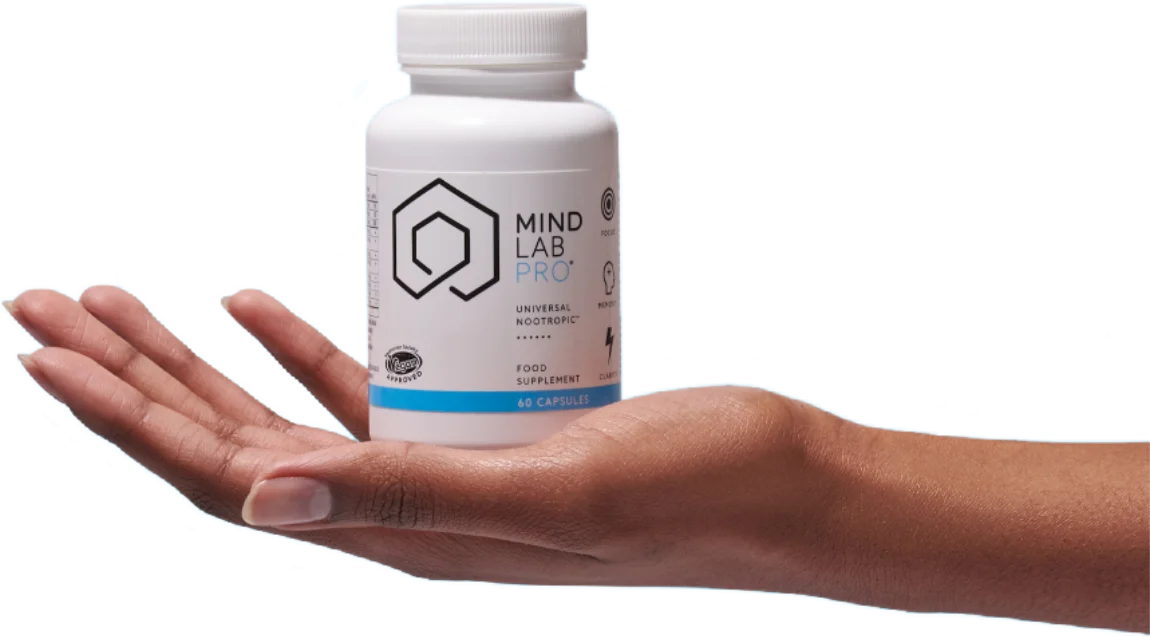
Credit: www.performancelab.com
Choosing The Right Multivitamin
Taking a multivitamin during fasting can help keep your body healthy. It is important to pick the right one to avoid breaking your fast.
Not all multivitamins work well with fasting. Some contain ingredients that may stop your fast or cause discomfort.
Key Nutrients To Look For
Choose multivitamins with nutrients that support your health while fasting. Vitamins and minerals that help energy and immunity are good choices.
- Vitamin B complex to help with energy
- Vitamin C to support the immune system
- Vitamin D for bone health
- Magnesium for muscle and nerve function
- Zinc to help with healing and immunity
Avoiding Additives That Break Fast
Some multivitamins have additives that can break your fast. Avoid sugars, fillers, and oils that add calories.
- Sugar or sweeteners
- Oils or fats
- Artificial flavors or colors
- Gelatin capsules with calories
- Fillers like starch or maltodextrin
Look for multivitamins labeled as “fasting-friendly” or without added calories. This helps keep your fast intact.
Potential Side Effects
Taking a multivitamin while fasting may cause some side effects. These effects depend on your body and the type of vitamins you take.
Understanding these side effects helps you stay safe and comfortable during fasting.
Common Reactions When Combining Multivitamins And Fasting
Some people feel nausea or stomach upset after taking vitamins on an empty stomach. This happens because some vitamins need food to reduce irritation.
Other common reactions include headaches, dizziness, or mild stomach pain. These usually occur if the vitamins cause your stomach acid to increase.
- Nausea and upset stomach
- Headache or dizziness
- Stomach cramps or pain
- Unusual taste in the mouth
How To Minimize Discomfort
Taking vitamins with a small amount of water helps reduce stomach irritation. Avoid swallowing them with acidic drinks like orange juice.
Try taking your multivitamin during your eating window instead of when fasting. This can lower the chance of side effects.
- Take vitamins with plain water
- Use the eating period to take supplements
- Start with a lower dose if new to fasting
- Choose multivitamins made for sensitive stomachs

Credit: www.youtube.com
Consulting Healthcare Providers
Taking a multivitamin while fasting can affect your body in different ways. It is important to talk with a healthcare provider before starting any supplement during fasting.
Your doctor or nutritionist can guide you on whether a multivitamin is safe and useful for your specific health needs and fasting plan.
When To Seek Medical Advice
Seek medical advice if you have health conditions or take other medications. Some vitamins may interact with your medicines or affect your health during fasting.
Also, ask a healthcare provider if you feel weak, dizzy, or have unusual symptoms while fasting and taking supplements.
- Chronic illnesses like diabetes or heart disease
- Taking prescription or over-the-counter drugs
- Experiencing side effects from supplements
- Pregnancy or breastfeeding
Personalizing Supplement Plans
Healthcare providers help create supplement plans that fit your fasting style and health goals. They consider your diet, lifestyle, and any deficiencies.
Personalized plans ensure you get the right vitamins without breaking your fast or harming your health.
- Check your vitamin levels with blood tests
- Adjust multivitamin doses based on your needs
- Choose supplements that do not upset your stomach
- Plan the best time to take vitamins during fasting
Frequently Asked Questions
Can I Take Multivitamins During Intermittent Fasting?
Yes, you can take multivitamins while intermittent fasting. They usually don’t contain calories, so they won’t break your fast. However, avoid gummies or supplements with added sugars or fillers that may affect fasting.
Will Multivitamins Break My Fast?
Most multivitamins won’t break your fast if taken without calories. Avoid vitamins with added sugars or oils that provide calories. Always check the label to ensure it supports your fasting goals.
When Is The Best Time To Take Multivitamins While Fasting?
The best time is during your eating window to maximize absorption. Some vitamins require food for better absorption and to avoid stomach upset. Taking them with meals supports nutrient uptake and digestive comfort.
Are Multivitamins Necessary During Fasting?
Multivitamins can help fill nutritional gaps during fasting. Fasting limits food intake, which may reduce some nutrient consumption. Supplements ensure you get essential vitamins and minerals for overall health.
Conclusion
Taking a multivitamin while fasting can be safe for many people. Some vitamins do not break your fast, especially if taken without food. Others might cause stomach discomfort if taken on an empty stomach. Always check the label and follow directions.
Drinking water helps when you take vitamins during fasting. Talk to your doctor if you have health concerns. Your body needs nutrients, but timing matters. Balance and care make fasting and vitamins work well together. Choose what fits your health and fasting plan best.


