

Have you ever wondered if there’s such a thing as too many electrolytes in your body? You might think that since electrolytes are essential for your health, more is always better.
But what if too much could actually cause problems? Understanding how electrolytes work and when they become too much can help you avoid unexpected health issues. Keep reading to discover the surprising truth about electrolytes and learn how to keep the balance just right for your body.
Credit: www.amystephensnutrition.com
Electrolytes And Their Role
Electrolytes are minerals in your body that carry an electric charge. They help your body work properly.
These minerals control many important functions, like muscle movement and keeping your body hydrated.
Common Types Of Electrolytes
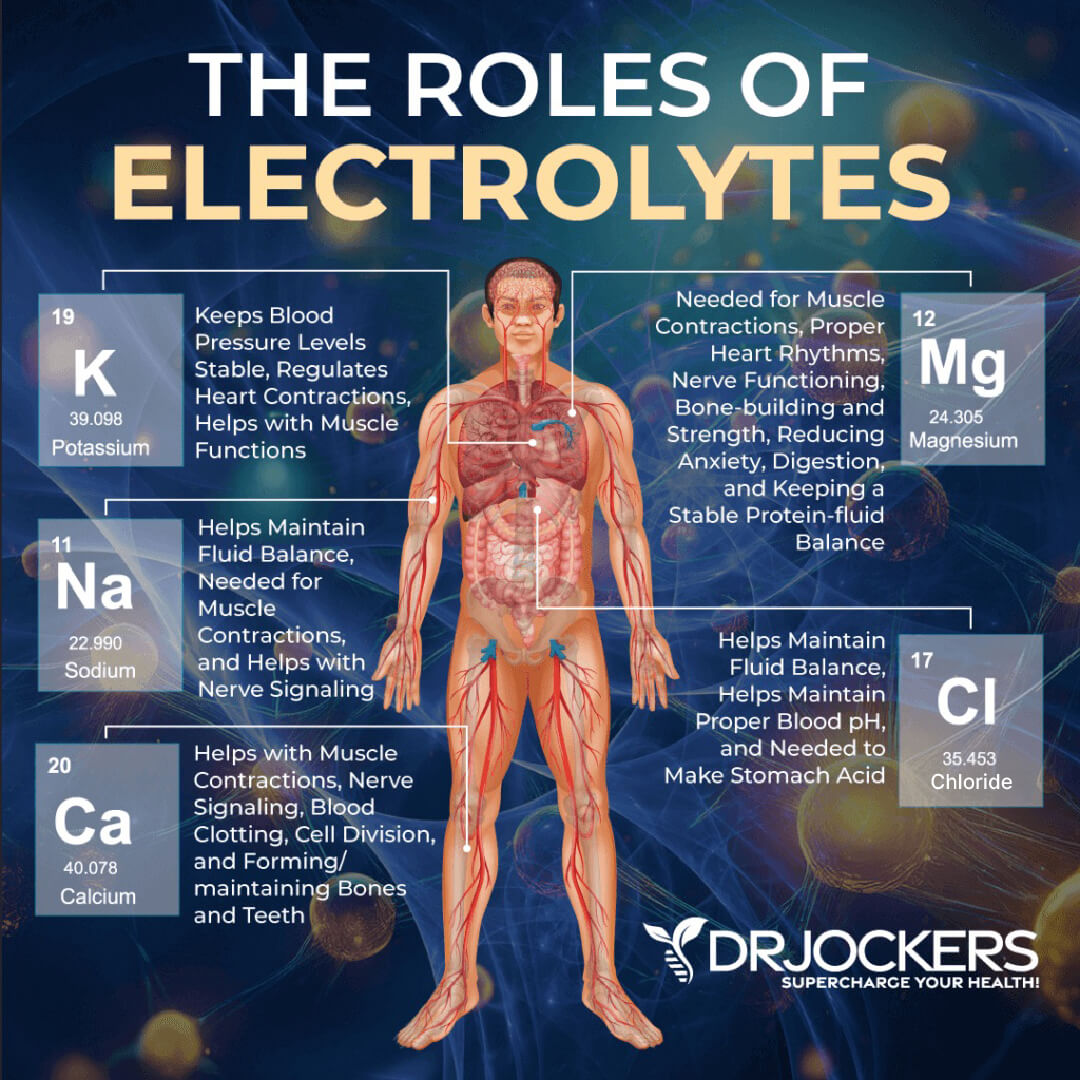
There are several main types of electrolytes your body needs every day. Each one has a special job.
- Sodium:Helps keep water balance and supports nerve signals.
- Potassium:Controls muscle contractions and heart function.
- Calcium:Builds strong bones and helps muscles work.
- Magnesium:Supports muscle and nerve function.
- Chloride:Maintains fluid balance and helps digestion.
How Electrolytes Affect The Body
Electrolytes control how your body uses water and energy. They also send signals between cells.
Too much or too little of these minerals can cause problems. Your muscles may cramp or your heart can beat oddly.
- They keep your muscles moving smoothly.
- They help balance fluids inside and outside your cells.
- They support brain and nerve functions.
- They regulate blood pressure and heart rhythm.
Signs Of Excess Electrolytes
Electrolytes are minerals that help your body work well. Too many electrolytes can cause health problems. It is important to know the signs of having too much.
Excess electrolytes can affect your heart, muscles, and brain. Watch for symptoms that show your levels are too high.
Symptoms To Watch For
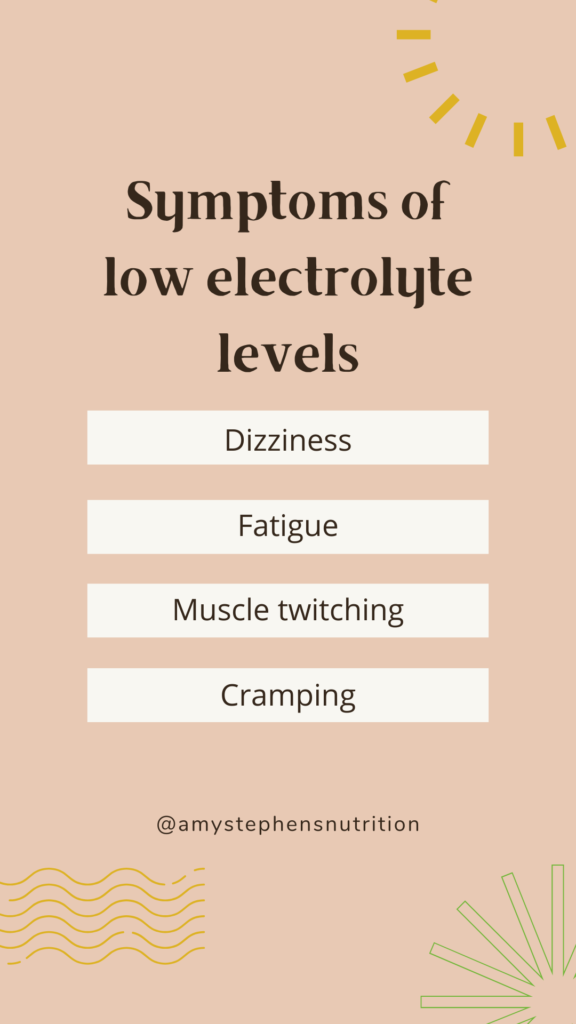
Having too many electrolytes often causes clear symptoms. These signs can include feeling weak or dizzy. Muscle cramps or twitching may also happen.
- Confusion or difficulty thinking clearly
- Irregular heartbeat or palpitations
- Muscle weakness or spasms
- Nausea and vomiting
- Headaches
- Excessive thirst or dry mouth
These symptoms mean your body is not balanced. They can get worse if you ignore them. Check your symptoms carefully.
When To Seek Medical Advice
Seek medical help if symptoms become severe or last long. High electrolyte levels can cause serious problems.
- Severe muscle weakness or paralysis
- Chest pain or very fast heartbeat
- Fainting or passing out
- Severe headache or confusion
- Persistent vomiting or diarrhea
Doctors can test your electrolyte levels with a simple blood test. Treatment may include fluids or medications to balance your minerals.
Health Risks Of Electrolyte Imbalance
Electrolytes help your body work properly. They control nerve signals, muscle function, and hydration.
Too much or too little electrolytes can cause serious health problems. Balancing them is important for well-being.
Effects Of Too Much Sodium
Too much sodium can raise blood pressure. It makes your heart work harder and can cause damage.
High sodium levels may lead to swelling and water retention. This can make you feel bloated and uncomfortable.
- Increased risk of heart disease
- Swelling in hands and feet
- Kidney strain and damage
- Headaches and dizziness
Dangers Of Excess Potassium
High potassium levels can change how your heart beats. This can cause irregular heart rhythms.
Too much potassium may cause muscle weakness or numbness. It can be dangerous if not treated quickly.
- Irregular heartbeat or palpitations
- Muscle fatigue and weakness
- Risk of heart attack
- Nausea and breathing problems
Calcium And Magnesium Overload
Extra calcium can cause kidney stones and affect how muscles work. It may lead to confusion or tiredness.
Too much magnesium can cause low blood pressure and slow heart rate. It might also cause nausea and weakness.
- Kidney stones from calcium buildup
- Muscle cramps or spasms
- Low blood pressure with excess magnesium
- Drowsiness and confusion
Causes Of Electrolyte Excess
Electrolytes are minerals that help your body work well. Too much of these minerals can cause health problems. It is important to know what causes electrolyte excess.
Electrolyte levels can rise due to what you eat or certain health issues. Understanding these causes helps prevent problems.
Diet And Supplement Overuse
Eating too many salty or mineral-rich foods can raise electrolyte levels. Taking supplements without advice can also cause excess electrolytes.
Some people take extra potassium, sodium, or magnesium supplements. Overuse of these can lead to too much electrolyte in the body.
- High salt intake from processed foods
- Excess potassium from supplements or salt substitutes
- Too much magnesium from supplements
- Using electrolyte drinks too often
Medical Conditions That Increase Levels
Some health problems make your body keep too many electrolytes. These conditions can affect how your kidneys or hormones work.
Diseases like kidney failure or adrenal gland problems often cause high electrolyte levels. It is important to treat these conditions to balance electrolytes.
- Kidney disease or failure
- Adrenal gland disorders like Addison’s disease
- Dehydration causing electrolyte imbalance
- Certain medications affecting electrolyte levels
Managing Electrolyte Levels Safely
Electrolytes are minerals that help your body work well. They keep your muscles, nerves, and heart healthy.
It is possible to have too many electrolytes. Too much can cause problems. Learn how to keep them balanced safely.
Balanced Diet Tips
A balanced diet helps keep electrolyte levels right. Eat foods with natural minerals like sodium, potassium, and magnesium.
Drink enough water to help your body balance electrolytes. Avoid eating too much salty or processed food.
- Eat fruits like bananas and oranges
- Include vegetables such as spinach and potatoes
- Choose whole grains and nuts for magnesium
- Limit salty snacks and fast food
- Drink water regularly throughout the day
When To Use Supplements
Supplements can help if your diet lacks minerals. Use them only if a doctor says you need them.
Do not take extra electrolytes if you feel fine. Too many supplements can cause high levels and harm your health.
- Use supplements after checking with a doctor
- Follow the recommended dose on the label
- Avoid mixing several electrolyte products
- Stop taking supplements if you feel dizzy or weak
Monitoring Electrolyte Status
Keep track of your electrolyte levels if you have health issues. Regular blood tests can show if levels are too high or low.
Watch for signs like muscle cramps, confusion, or irregular heartbeat. These may mean your electrolytes are off balance.
- Visit your doctor for blood tests when needed
- Note any unusual symptoms and report them
- Keep a food and drink diary to check intake
- Adjust diet or supplements based on medical advice

Credit: www.osmosis.org
Credit: drjockers.com
Frequently Asked Questions
Can You Have Too Many Electrolytes In Your Body?
Yes, excessive electrolytes can disrupt your body’s balance. It may cause symptoms like nausea, confusion, or irregular heartbeat. Maintaining the right electrolyte levels is crucial for health.
What Are The Symptoms Of Electrolyte Overdose?
Symptoms include muscle weakness, irregular heartbeat, confusion, nausea, and dizziness. Severe cases may lead to seizures or coma. Immediate medical attention is necessary if these signs appear.
How Can I Prevent Electrolyte Imbalance?
Stay hydrated and consume electrolytes in moderation. Avoid excessive supplements unless prescribed. A balanced diet typically provides adequate electrolytes for most people.
Which Electrolytes Cause Toxicity When In Excess?
Sodium, potassium, calcium, and magnesium can be toxic in high amounts. Each affects the body differently but all can cause serious health issues if imbalanced.
Conclusion
Too many electrolytes can cause health problems. Balance is key for your body’s needs. Drinking water helps keep electrolyte levels steady. Eating a variety of foods supports this balance. Listen to your body’s signals and adjust intake. Avoid excessive supplements without medical advice.
Staying informed helps you stay healthy and safe. Electrolytes are important, but not in excess. Take care to maintain the right amount daily.


