

Are you wondering how many electrolytes you should have each day to stay healthy and energized? Electrolytes play a key role in keeping your body balanced, helping muscles work, and maintaining proper hydration.
But too much or too little can affect how you feel and perform. You’ll discover the right amount of electrolytes your body needs daily and simple ways to get them. Keep reading to unlock the secret to better health and more energy every day.
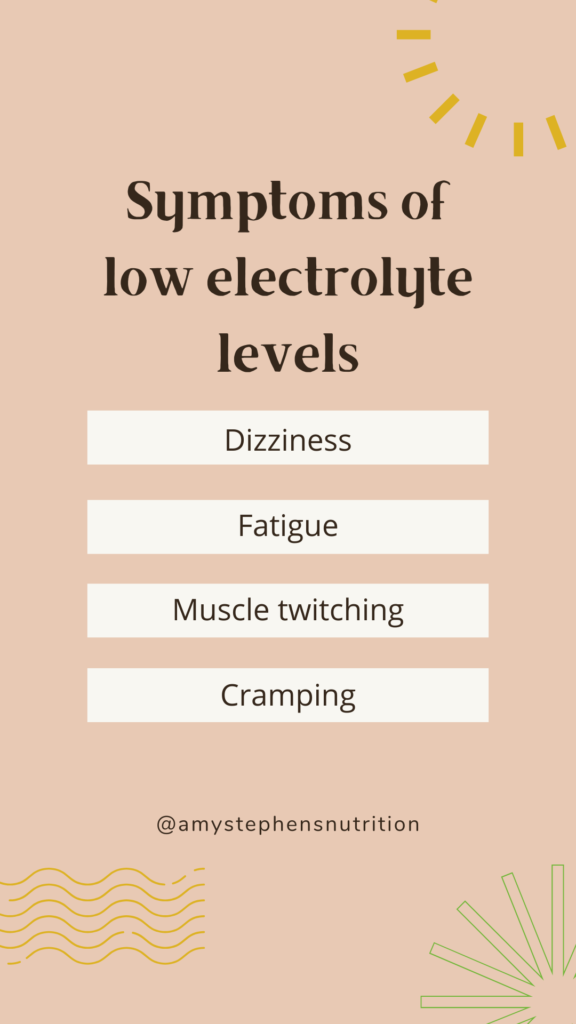
Credit: www.amystephensnutrition.com
Role Of Electrolytes In The Body
Electrolytes are minerals that carry an electric charge. They help your body work properly every day.
These minerals control many important functions like nerve signals and fluid balance.
Key Electrolytes And Their Functions
There are several key electrolytes in the body. Each one has a special role to keep you healthy.
- Sodium:Controls blood pressure and fluid balance.
- Potassium:Helps muscles work and keeps the heart steady.
- Calcium:Builds strong bones and helps muscles contract.
- Magnesium:Supports muscle and nerve functions.
- Chloride:Maintains fluid balance and helps digestion.
Impact On Hydration And Muscle Function
Electrolytes keep your body hydrated by balancing fluids inside and outside cells. This balance is key for good health.
They also help muscles contract and relax. Without enough electrolytes, muscles can cramp or feel weak.
- Electrolytes control water flow in the body.
- They send electrical signals to muscles.
- Imbalance can cause dehydration and muscle cramps.
- Proper intake supports energy and muscle strength.

Credit: www.menshealth.com
Daily Electrolyte Requirements
Electrolytes are minerals that help your body work well. They keep your nerves, muscles, and hydration in balance.
You get electrolytes from food and drinks. Knowing how many you need daily helps you stay healthy.
Recommended Intake For Adults
Adults need different amounts of electrolytes each day. The main electrolytes are sodium, potassium, calcium, and magnesium.
- Sodium: About 1,500 mg per day
- Potassium: Around 2,500 to 3,000 mg per day
- Calcium: 1,000 mg per day
- Magnesium: 310 to 420 mg per day
These amounts support healthy muscle function and fluid balance in the body.
Variations By Age And Gender
Electrolyte needs change with age and gender. Growing children and pregnant women need different amounts.
| Group | Sodium (mg) | Potassium (mg) | Calcium (mg) | Magnesium (mg) |
|---|---|---|---|---|
| Children (4-8 years) | 1,200 | 2,300 | 1,000 | 130 |
| Teen Boys (14-18 years) | 1,500 | 3,000 | 1,300 | 410 |
| Teen Girls (14-18 years) | 1,500 | 2,300 | 1,300 | 360 |
| Adult Men | 1,500 | 3,400 | 1,000 | 420 |
| Adult Women | 1,500 | 2,600 | 1,000 | 320 |
| Pregnant Women | 1,500 | 2,900 | 1,000 | 360 |
These values help guide your daily food and drink choices to meet your body’s needs.
Factors Influencing Electrolyte Needs
Electrolytes are minerals that help your body work properly. They balance fluids and support nerve and muscle function. The amount you need changes based on several things.
Knowing what affects your electrolyte needs can help you stay healthy. Different factors like your activity, environment, and health can change how much you need each day.
Physical Activity Levels
Exercise makes you sweat, which causes you to lose electrolytes. The more active you are, the more electrolytes you need to replace.
People who do intense workouts or sports may need higher amounts of sodium, potassium, and magnesium. Drinking water alone is not enough to restore electrolytes.
- Light activity requires normal daily electrolyte intake
- Moderate exercise increases electrolyte loss
- Heavy or long exercise greatly raises electrolyte needs
Climate And Environmental Conditions
Hot and humid weather causes more sweating. This leads to faster loss of electrolytes. Cold weather usually lowers electrolyte loss but can increase needs if you exercise outside.
Living in high altitudes may change your electrolyte balance. Your body adjusts to the environment by altering fluid and mineral levels.
- Hot climates increase electrolyte loss through sweat
- Humid conditions worsen sweating effects
- High altitudes may require electrolyte adjustments
- Cold environments usually lower daily electrolyte needs
Health Conditions And Medications
Certain illnesses affect how your body uses electrolytes. Kidney problems, diarrhea, or vomiting can cause imbalances. Some medications also change electrolyte levels.
Doctors may recommend electrolyte supplements or special diets based on your health. It is important to follow medical advice to avoid problems.
- Kidney disease can reduce electrolyte balance
- Gastrointestinal issues cause electrolyte loss
- Diuretics increase the need for potassium and magnesium
- Consult a doctor if you have a health condition
Sources Of Electrolytes In Diet
Electrolytes are minerals that carry electric charges. They help keep your body fluids balanced. You get electrolytes from foods and drinks you consume every day.
Eating the right foods and drinks helps maintain healthy electrolyte levels. This supports muscle function, hydration, and nerve signals.
Electrolyte-rich Foods
Many foods naturally contain electrolytes like sodium, potassium, calcium, and magnesium. Including these foods in your diet helps keep your electrolyte levels steady.
- Bananas – high in potassium
- Spinach and kale – rich in magnesium and calcium
- Avocados – provide potassium and magnesium
- Yogurt – good source of calcium and potassium
- Tomatoes – contain potassium and sodium
- Nuts and seeds – offer magnesium
- Milk – contains calcium and potassium
- Oranges – provide potassium
- Salt – main source of sodium
Eating a variety of fruits, vegetables, dairy, and nuts covers many electrolyte needs naturally.
Electrolyte Supplements And Drinks
Sometimes food alone is not enough to replace lost electrolytes. Supplements and drinks can help, especially after exercise or illness.
Electrolyte drinks contain minerals like sodium, potassium, and magnesium. Supplements come in tablets, powders, or capsules.
- Sports drinks – contain balanced electrolytes and fluids
- Electrolyte powders – mix with water for quick hydration
- Tablet supplements – easy to carry and consume
- Coconut water – natural drink with potassium and sodium
Choose electrolyte supplements or drinks based on your needs and activity level. Drinking enough water with them helps absorption.
Signs Of Electrolyte Imbalance
Electrolytes are minerals that help your body work properly. They keep your muscles, nerves, and organs healthy. Too many or too few electrolytes can cause problems.
Recognizing the signs of electrolyte imbalance is important. It helps you know when to seek help or adjust your diet.
Symptoms Of Deficiency
Electrolyte deficiency happens when your body loses too many minerals. This can cause weak muscles and tiredness. You might also feel dizzy or confused.
- Muscle cramps or spasms
- Fatigue and weakness
- Headaches or dizziness
- Confusion or irritability
- Irregular heartbeat
- Nausea or vomiting
Low potassium, calcium, or sodium are common causes of these symptoms. Drinking water with electrolytes can help balance levels.
Symptoms Of Excess
Too many electrolytes can also cause health issues. High levels may lead to swelling and high blood pressure. You may feel weak or have trouble breathing.
- Swelling in hands, feet, or face
- High blood pressure
- Muscle weakness
- Confusion or headache
- Irregular heartbeat
- Shortness of breath
Excess sodium or potassium are often responsible. Avoid salty foods and drinks with added electrolytes if symptoms appear.

Credit: www.wired.com
Tips For Maintaining Electrolyte Balance
Electrolytes help your body work properly. They keep your muscles, nerves, and organs healthy.
It is important to keep the right balance of electrolytes daily. This helps avoid cramps and fatigue.
Hydration Strategies
Water is key to keeping your electrolytes balanced. Drink enough fluids throughout the day.
In hot weather or during exercise, you lose more electrolytes through sweat. Replace them by drinking fluids with electrolytes.
- Drink water regularly, not just when you feel thirsty
- Use sports drinks with electrolytes during long exercise
- Eat fruits and vegetables that contain water and minerals
Balanced Diet Approaches
A healthy diet helps you get enough electrolytes like sodium, potassium, calcium, and magnesium.
Include a variety of foods to cover all important minerals your body needs for balance.
- Eat bananas, oranges, and avocados for potassium
- Include dairy or leafy greens for calcium
- Choose nuts and seeds for magnesium
- Use salt moderately to get sodium
Frequently Asked Questions
How Many Electrolytes Do I Need Daily?
Adults typically need around 2,000-3,000 mg of sodium, 2,500 mg of potassium, and 300-400 mg of magnesium daily. These amounts vary by age, activity, and health status. Balanced intake supports hydration, nerve function, and muscle health.
What Foods Are Rich In Electrolytes?
Foods like bananas, spinach, yogurt, nuts, and avocados are rich in key electrolytes. They provide potassium, magnesium, calcium, and sodium naturally. Including these foods helps maintain electrolyte balance and supports overall body function.
Can I Drink Too Many Electrolytes?
Yes, consuming excessive electrolytes can cause imbalances and health issues like high blood pressure or kidney problems. It’s important to consume electrolytes according to your body’s needs, especially during intense exercise or illness.
How Do Electrolytes Affect Hydration?
Electrolytes help retain water in the body and regulate fluid balance. They are essential for proper hydration, especially during exercise or hot weather. Without enough electrolytes, dehydration and muscle cramps can occur.
Conclusion
Electrolytes keep your body balanced and working well. You need different amounts depending on your age and activity. Drinking water and eating healthy foods helps maintain good levels. Too little or too much can cause problems. Pay attention to how you feel each day.
Stay mindful of your body’s needs for best health. Small changes make a big difference over time. Keep electrolytes in check to feel your best every day.


