
Are you getting the most out of the minerals in your diet? Understanding mineral bioavailability is key to unlocking the true benefits of the nutrients you consume.
But what exactly is mineral bioavailability, and which facts about it should you trust? This article will clear up the confusion and give you simple, clear answers. By the end, you’ll know how to make your minerals work harder for your health.
Keep reading to discover the truths that can transform your nutrition and well-being.
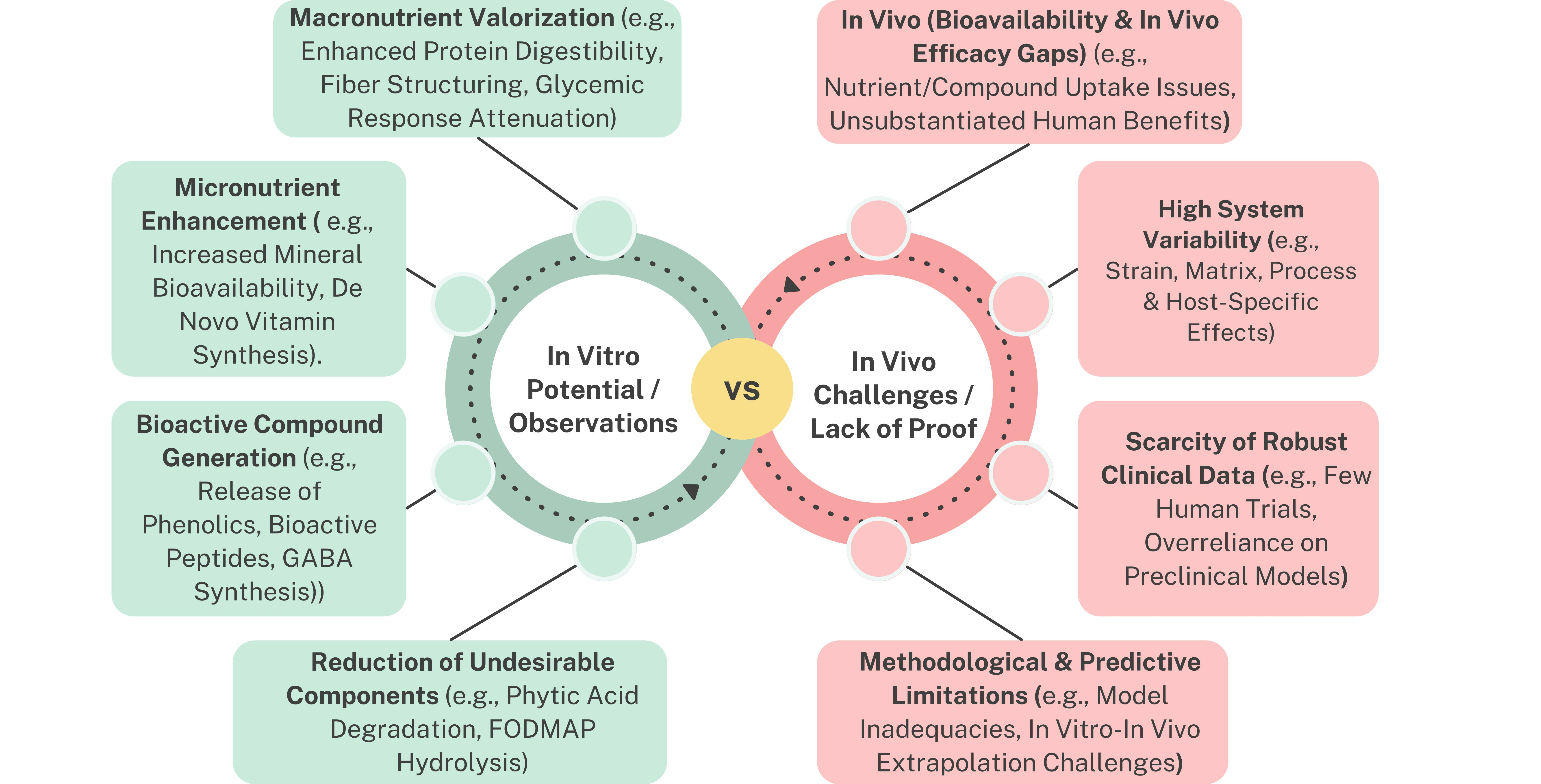
Credit: www.mdpi.com
Factors Affecting Mineral Absorption
Mineral bioavailability means how well your body absorbs minerals. Different factors change how much mineral your body takes in.
Understanding these factors helps improve mineral intake and overall health.
Dietary Components Impacting Uptake
Certain foods help or block mineral absorption. Some compounds bind minerals and stop absorption.
For example, phytates in grains lower mineral uptake. Vitamin C helps absorb iron better.
- Phytates reduce zinc and iron absorption
- Calcium can block iron absorption if eaten together
- Vitamin C boosts iron absorption
- Oxalates in spinach decrease calcium uptake
Role Of Mineral Form And Solubility
Minerals come in different forms. Some forms dissolve well in the body. These forms absorb easier.
For example, heme iron from meat absorbs better than non-heme iron from plants. Mineral salts usually absorb better than oxides.
- Heme iron has higher absorption rates
- Mineral salts dissolve better than oxides
- Soluble minerals absorb more easily
- Insoluble forms pass through the gut
Influence Of Age And Health Status
Age affects how well minerals are absorbed. Young children and older adults may absorb minerals less well.
Health issues like gut diseases can lower mineral uptake. Proper digestion is needed for good absorption.
- Infants absorb calcium and iron well for growth
- Older adults may absorb less calcium
- Digestive disorders reduce mineral absorption
- Good gut health supports mineral uptake
Common Minerals And Their Bioavailability
Minerals are important nutrients our body needs to work well. Bioavailability means how well our body can absorb and use these minerals.
Different minerals have different levels of bioavailability. Some minerals are easy to absorb, while others face challenges during absorption.
Calcium Absorption Challenges
Calcium is vital for strong bones and teeth. The body absorbs calcium better from some foods than others.
Factors like high fiber or oxalates in food can block calcium absorption. Age and vitamin D levels also affect how much calcium is absorbed.
- High fiber reduces calcium absorption
- Oxalates in spinach lower calcium uptake
- Vitamin D helps increase calcium absorption
- Older adults absorb calcium less efficiently
Iron Bioavailability Variations
Iron is needed to carry oxygen in the blood. There are two types: heme and non-heme iron.
Heme iron from meat is absorbed better than non-heme iron from plants. Vitamin C helps the body absorb non-heme iron better.
- Heme iron has higher absorption rates
- Non-heme iron absorption is lower
- Vitamin C improves non-heme iron absorption
- Phytates in grains reduce iron absorption
Zinc And Its Absorptive Efficiency
Zinc supports the immune system and wound healing. Its absorption depends on the food source.
Animal-based zinc is absorbed better than plant-based zinc. Phytates in plants can lower zinc absorption.
- Zinc from meat is absorbed well
- Plant foods contain phytates that block zinc
- Processing foods can increase zinc absorption
Enhancers Of Mineral Bioavailability
Mineral bioavailability means how well minerals are absorbed by the body. Many factors affect this process. Some foods and substances help improve mineral absorption.
Understanding these enhancers can help you get more minerals from your diet. This is important for good health and strong bones.
Vitamin C And Iron Interaction
Vitamin C helps the body absorb iron better. It changes iron into a form that is easier to absorb. This is especially true for non-heme iron found in plants.
Eating foods rich in vitamin C with iron-rich foods can increase iron absorption. This helps prevent iron deficiency and anemia.
- Vitamin C converts iron to a more absorbable form
- It helps absorb plant-based iron better
- Combining vitamin C and iron-rich foods improves iron uptake
Effect Of Organic Acids
Organic acids like citric acid and lactic acid boost mineral absorption. They bind with minerals and keep them soluble in the intestines. This prevents minerals from forming unwanted compounds that the body cannot absorb.
Foods containing organic acids help the body take in more minerals like calcium, magnesium, and iron.
- Citric acid enhances calcium and magnesium absorption
- Lactic acid helps improve iron uptake
- Organic acids keep minerals soluble and easy to absorb
Fermentation And Mineral Uptake
Fermentation breaks down substances that block mineral absorption. It reduces compounds like phytates that bind minerals and stop their uptake.
Fermented foods improve mineral bioavailability by increasing minerals like zinc, iron, and calcium. This makes the minerals more useful for the body.
- Fermentation lowers phytate levels in food
- This process frees minerals for better absorption
- Fermented foods help increase zinc, iron, and calcium uptake
Credit: ancientandbrave.com
Inhibitors Of Mineral Absorption
Mineral bioavailability means how well our body can absorb minerals from food. Some substances can stop minerals from being absorbed properly. These are called inhibitors of mineral absorption.
Knowing about these inhibitors helps us understand why some foods may not give all the minerals they contain. This guide explains three main inhibitors.
Phytates And Mineral Binding
Phytates are found in grains, seeds, and legumes. They bind to minerals like iron, zinc, and calcium. This binding makes minerals harder to absorb in the intestines.
Phytates form strong complexes with minerals. This stops the minerals from being used by the body.
- Phytates reduce iron absorption
- They block zinc uptake
- Calcium absorption is also lowered
Oxalates’ Role In Limiting Uptake
Oxalates appear in foods like spinach, rhubarb, and beet greens. They bind mainly with calcium. This binding forms calcium oxalate, which the body cannot absorb.
Because of oxalates, eating high-oxalate foods can lower calcium absorption. This may affect bone health if calcium intake is low.
- Oxalates reduce calcium absorption
- They can affect magnesium uptake
- High oxalate foods include spinach and rhubarb
Polyphenols And Their Impact
Polyphenols are in tea, coffee, wine, and some fruits. They can reduce mineral absorption by binding to iron and other minerals. This lowers the amount of minerals the body gets.
Polyphenols mainly affect non-heme iron from plant sources. Drinking tea or coffee with meals may reduce iron absorption.
- Polyphenols lower iron absorption
- They are found in tea and coffee
- They mainly affect plant-based iron
Strategies To Improve Mineral Bioavailability
Mineral bioavailability means how well your body absorbs minerals from food. Some minerals are hard to absorb because of other substances in food.
Using certain strategies can help your body get more minerals. These ways improve mineral absorption and use in your body.
Food Processing Techniques
Food processing can change minerals and make them easier to absorb. Some techniques reduce substances that block mineral absorption.
For example, soaking, fermenting, and cooking can lower phytic acid and tannins. These substances often bind minerals and reduce absorption.
- Soaking grains and beans reduces phytic acid
- Fermentation breaks down mineral blockers
- Cooking softens food and improves mineral release
- Milling removes fiber that binds minerals
Dietary Diversification
Eating different types of foods helps improve mineral intake and absorption. Some foods contain enhancers that boost mineral use.
Combining foods rich in vitamin C with iron-rich foods increases iron absorption. Also, eating animal proteins helps absorb zinc and calcium better.
- Include fruits rich in vitamin C with meals
- Eat animal protein with plant-based minerals
- Use a variety of food sources for minerals
- Avoid excessive tea or coffee during meals
Supplementation Approaches
Supplements provide minerals in forms that are easy for the body to absorb. They help when diet alone is not enough.
Using mineral supplements with proper doses can fix deficiencies. Choosing the right mineral form is important for better absorption.
- Use supplements with high bioavailability forms
- Follow recommended doses to avoid overload
- Take supplements with meals to improve absorption
- Consult a health provider before starting supplements

Credit: www.agproud.com
Frequently Asked Questions
What Factors Affect Mineral Bioavailability In Food?
Mineral bioavailability depends on factors like food composition, mineral form, and digestive health. Some compounds inhibit absorption, while others enhance it.
How Does Mineral Bioavailability Impact Nutrient Absorption?
Higher bioavailability means minerals are absorbed efficiently, supporting vital body functions. Poor bioavailability can lead to deficiencies despite adequate intake.
Which Minerals Have The Highest Bioavailability?
Minerals like calcium, iron, and zinc vary in bioavailability. Their absorption depends on dietary sources and presence of enhancers or inhibitors.
Can Cooking Methods Influence Mineral Bioavailability?
Yes, cooking can increase or decrease mineral bioavailability. Some methods reduce inhibitors, while others may cause mineral loss.
Conclusion
Mineral bioavailability affects how well your body absorbs nutrients. Many factors influence this process, such as food type and digestion. Knowing these helps you choose better foods for health. Not all minerals absorb the same way or at the same rate.
Eating balanced meals improves mineral absorption naturally. Simple changes in diet can make a big difference. Stay aware of what impacts mineral uptake daily. This knowledge supports stronger bones, better energy, and overall wellness. Keep learning and applying what works best for your body.


