

Are you wondering if taking all your vitamins at once is the best way to boost your health? It might seem easier to pop every pill in one go, but is that really the smartest choice for your body?
The truth could surprise you. How and when you take your vitamins can affect how well they work and how your body absorbs them. Keep reading to discover simple tips that can help you get the most from your supplements—and avoid common mistakes that could be holding you back.
Your health deserves this little extra attention.
Credit: www.naturemade.com
Timing And Absorption
Taking vitamins at the right time helps your body absorb them better. Some vitamins work best with food, while others absorb well on an empty stomach.
Knowing when to take your vitamins can improve how much your body uses. This guide explains timing and absorption for common vitamins.
How Timing Affects Vitamin Absorption
Your body absorbs vitamins differently depending on the time you take them. Some vitamins need food to help break them down. Others can be taken alone for better absorption.
Taking all vitamins at once may reduce their benefits. Certain vitamins can compete for absorption if taken together. Spacing them out can help your body use them well.
Vitamins That Require Food
Fat-soluble vitamins need fat to absorb properly. These include vitamins A, D, E, and K. Taking them with a meal that contains fat improves absorption.
Some water-soluble vitamins also do better with food to avoid stomach upset. Eating first helps your body process these vitamins more comfortably.
- Vitamin A
- Vitamin D
- Vitamin E
- Vitamin K
- Vitamin C (to reduce stomach discomfort)
- Vitamin B-complex (for better tolerance)
Vitamins Best Taken On An Empty Stomach
Some vitamins absorb best without food. Taking them on an empty stomach helps your body use them faster and better.
Water-soluble vitamins like B12 and vitamin C often absorb well without food. Avoid taking these with heavy meals to get the full benefit.
- Vitamin B12
- Vitamin C (if no stomach issues)
- Iron supplements (better on empty stomach but may cause discomfort)

Credit: www.naturemade.com
Interactions Between Vitamins
Taking vitamins together can affect how your body absorbs them. Some vitamins help each other, while others can compete.
Knowing these interactions helps you get the most from your vitamins. It can also prevent problems from bad combinations.
Vitamins That Compete For Absorption
Some vitamins and minerals use the same pathways to enter your body. Taking them all at once can reduce how much you absorb.
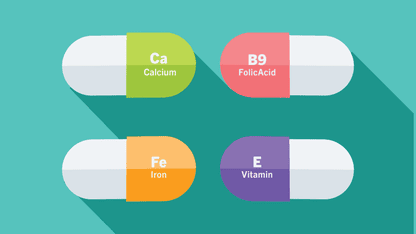
For example, calcium and iron often compete. If taken together, your body may absorb less of both minerals.
- Calcium and iron compete for absorption
- Zinc can lower copper absorption
- Magnesium may interfere with calcium
Enhancing Absorption With Pairings
Some vitamins help your body absorb others better. Taking these pairs together can improve their benefits.
Vitamin D helps your body absorb calcium. Vitamin C increases iron absorption from plant foods.
- Vitamin D and calcium work well together
- Vitamin C helps absorb iron
- Fat helps absorb vitamins A, D, E, and K
Avoiding Negative Interactions
Some vitamin combinations can cause problems or reduce absorption. It is best to avoid taking these at the same time.
Separate iron and calcium supplements by a few hours to avoid competition. Avoid taking large doses of some vitamins together.
- Take iron and calcium supplements hours apart
- Limit high doses of zinc and copper together
- Avoid taking multiple minerals at once without guidance
Daily Routine And Convenience
Many people wonder if they should take all their vitamins at the same time. This question is important for daily routine and convenience. Taking vitamins at once can save time and keep habits simple.
On the other hand, some vitamins work better when taken with food or spread out through the day. Finding a balance helps make sure your body absorbs them well.
Balancing Vitamins With Meals
Some vitamins need food to work best. Fat-soluble vitamins like A, D, E, and K absorb well with fats. Taking them with a meal helps your body use them properly.
Water-soluble vitamins like C and B vitamins do not need food. You can take these on an empty stomach. This balance lets you decide when to take each vitamin.
- Take fat-soluble vitamins with meals containing fat
- Take water-soluble vitamins anytime, even without food
- Avoid taking some vitamins with coffee or tea
Splitting Doses Throughout The Day
Some vitamins work better if you split the dose. This means taking smaller amounts at different times. It helps keep steady levels in your body.
For example, vitamin C is water-soluble and leaves the body quickly. Taking it twice a day can keep up its benefits. Splitting doses may also reduce stomach upset.
- Divide large doses into two or three smaller doses
- Take doses with or without meals based on vitamin type
- Check your vitamin label for specific instructions
Using Reminders To Stay Consistent
It is easy to forget vitamins when you have a busy day. Using reminders can help you stay consistent. Consistency is key for vitamins to work well.
You can use alarms, phone apps, or notes. These tools help you take vitamins on time. Setting reminders makes taking vitamins part of your daily routine.
- Set alarms on your phone or watch
- Use apps designed for medication reminders
- Place vitamins where you will see them often
Credit: www.wellmark.com
Potential Side Effects
Taking all your vitamins at the same time may cause some side effects. Vitamins can interact with each other or with your body differently.
It is important to know what side effects might happen when you take multiple vitamins at once. This helps you stay safe and healthy.
Common Side Effects Of Taking Multiple Vitamins
Taking many vitamins together can cause stomach upset. Some people may feel nausea, cramps, or diarrhea.
Other common effects include headaches, dizziness, and fatigue. These happen because vitamins can affect your body in different ways.
- Stomach pain or upset
- Nausea or vomiting
- Diarrhea or constipation
- Headaches
- Dizziness
- Feeling tired or weak
Signs Of Overconsumption
Taking too many vitamins can cause serious problems. Signs of too much vitamin intake include unusual symptoms that need attention.
Look for these signs if you think you took too many vitamins at once. Early detection can prevent harm to your body.
- Skin rashes or itching
- Unusual bleeding or bruising
- Muscle weakness or pain
- Vision changes or blurred sight
- Rapid heartbeat or chest pain
- Confusion or mood changes
When To Seek Medical Advice
Call a doctor if you feel very sick after taking vitamins. Some side effects need medical help right away.
Do not wait if you have trouble breathing, chest pain, or severe stomach pain. These could be signs of a serious reaction.
- Severe allergic reactions like swelling or rash
- Difficulty breathing or swallowing
- Chest pain or fast heartbeat
- Severe stomach pain or vomiting
- Loss of consciousness or confusion
Expert Recommendations
Many people wonder if they should take all their vitamins at once. Experts say the answer depends on the type of vitamins and your body’s needs.
Taking vitamins the right way helps your body absorb them better. It also avoids possible side effects or interactions.
Personalizing Vitamin Schedules
Each person has different health needs and routines. Personalizing your vitamin schedule can improve benefits and reduce risks.
Some vitamins work best with food, while others should be taken on an empty stomach. Your daily activities also affect timing.
- Fat-soluble vitamins (A, D, E, K) need food with fat to absorb well.
- Water-soluble vitamins (B-complex, C) can be taken without food.
- Some vitamins may cause stomach upset if taken alone.
Consulting Healthcare Professionals
Doctors and dietitians can guide you on the best vitamin schedule. They consider your health, diet, and medications.
Professional advice helps avoid vitamin overdose and harmful interactions. They may suggest blood tests to check your vitamin levels.
- Share your full list of supplements and medicines.
- Ask about the best time to take each vitamin.
- Discuss any side effects or allergies.
Choosing Quality Supplements
Not all vitamin supplements have the same quality. Choose reputable brands to ensure safety and effectiveness.
Look for products tested by third parties. Check labels for clear ingredient lists and expiration dates.
- Check for certifications like USP or NSF.
- Avoid supplements with unknown fillers or additives.
- Store vitamins as directed to keep them fresh.
Frequently Asked Questions
Should I Take All Vitamins At Once Daily?
Taking all vitamins at once may reduce absorption of some nutrients. Spreading them out improves effectiveness and lowers stomach discomfort risks.
Can Vitamins Interact If Taken Together?
Yes, some vitamins and minerals compete for absorption. For example, calcium can interfere with iron uptake. Timing matters for better absorption.
When Is The Best Time To Take Vitamins?
Fat-soluble vitamins absorb best with meals containing fat. Water-soluble vitamins can be taken anytime but often work well with meals.
Is It Harmful To Take Multiple Vitamins Simultaneously?
Taking many vitamins together is usually safe if doses are within recommended limits. Excess intake may cause side effects or toxicity.
Conclusion
Taking all vitamins at once is not always best. Some vitamins work better with food, others on an empty stomach. Mixing certain vitamins can reduce their effect. Spreading them out helps your body absorb nutrients well. Talk to your doctor or a nutrition expert for advice.
Remember, balance and timing matter for the best results. Your health depends on how and when you take vitamins. Make smart choices for your daily vitamin routine.


