
Are you taking your multivitamins the right way? You might think popping a pill anytime is enough, but when you take your vitamins can make a big difference.
Taking multivitamins with food isn’t just a simple step—it can affect how well your body absorbs important nutrients. If you want to get the most out of your supplements and support your health better, keep reading. This article will help you understand why timing matters and how to make your multivitamins work harder for you.

Credit: www.amazon.com
Benefits Of Taking Multivitamins
Multivitamins contain many vitamins and minerals that support your health. Taking them can help fill gaps in your diet.
It is important to take multivitamins with food to improve how your body absorbs these nutrients. Food helps reduce stomach upset too.
Boosting Nutrient Intake
Multivitamins add essential nutrients that your meals may lack. They help ensure you get enough vitamins and minerals daily.
Taking multivitamins with food helps your body absorb fat-soluble vitamins like A, D, E, and K better. Food increases nutrient absorption.
- Fills dietary gaps
- Improves nutrient absorption
- Supports overall health
Supporting Immune Health
Multivitamins contain vitamins such as C and D that support the immune system. Minerals like zinc also help fight infections.
Taking them with food helps avoid stomach discomfort. Food also helps your body use these immune-boosting nutrients more effectively.
- Strengthens immune defenses
- Helps reduce illness risk
- Supports recovery
Enhancing Energy Levels
Vitamins B6, B12, and iron in multivitamins help convert food into energy. They reduce tiredness and support your daily activities.
Taking multivitamins with food improves iron absorption and reduces nausea. Food provides a steady release of energy throughout the day.
- Improves energy production
- Reduces fatigue
- Supports physical activity
How Food Affects Multivitamin Absorption
Taking multivitamins with food can change how your body absorbs the vitamins and minerals. Food helps break down these nutrients so your body can use them better.
Some vitamins need certain types of food to work well. Eating the right foods with your multivitamin can improve how much your body gets from the pill.
Role Of Fats In Vitamin Absorption
Some vitamins need fat to be absorbed properly. These are called fat-soluble vitamins. They include vitamins A, D, E, and K.
Eating fats with your multivitamin helps these vitamins dissolve and enter your bloodstream. Without fat, your body may not absorb them well.
- Take multivitamins with meals that contain healthy fats
- Good fats include avocado, nuts, and olive oil
- Fat-free meals may lower absorption of fat-soluble vitamins
Impact Of Food On Mineral Uptake
Minerals like iron, calcium, and zinc can be affected by the food you eat. Some foods help mineral absorption, while others block it.
For example, vitamin C helps your body absorb iron better. On the other hand, foods with high fiber or calcium can reduce iron absorption.
- Eat vitamin C-rich foods with iron supplements
- Avoid drinking milk or calcium-rich foods with iron pills
- Limit high-fiber foods around mineral supplements
Timing And Digestion Factors
When you take your multivitamin affects how well your body absorbs it. Taking vitamins on an empty stomach can cause stomach upset.
Eating a small meal before or with your multivitamin helps digestion. It also allows your body to absorb nutrients steadily over time.
- Take multivitamins with breakfast or lunch for best results
- Avoid taking vitamins late at night on an empty stomach
- Drink plenty of water to help digestion
Types Of Multivitamins And Food Pairing
Taking multivitamins with food can help your body absorb nutrients better. Different vitamins and minerals work best with certain types of food.
Knowing which foods to eat with your vitamins can improve their effectiveness and reduce stomach discomfort.
Fat-soluble Vitamins
Fat-soluble vitamins include A, D, E, and K. Your body needs fat to absorb these vitamins properly.
Taking these vitamins with meals that contain healthy fats helps your body use them well.
- Eat fat-soluble vitamins with avocado, nuts, or olive oil
- Mealtime with butter or cheese also helps absorption
- Avoid taking these vitamins on an empty stomach
Water-soluble Vitamins
Water-soluble vitamins include vitamin C and all B vitamins. These dissolve easily in water and do not need fat to absorb.
You can take these vitamins with or without food, but food may reduce stomach upset.
- Take with a glass of water and a small meal or snack
- Fruits and vegetables pair well with these vitamins
- Do not store excess water-soluble vitamins; your body uses what it needs
Mineral Supplements
Minerals like iron, calcium, and magnesium are common in supplements. Food can affect how well your body absorbs these minerals.
Some minerals absorb better with food, while others may need an empty stomach or specific foods.
| Mineral | Best Food Pairing | Notes |
|---|---|---|
| Iron | Vitamin C-rich foods (oranges, tomatoes) | Avoid with dairy or coffee |
| Calcium | Dairy products, leafy greens | Take separately from iron |
| Magnesium | Nuts, whole grains | Can be taken with or without food |

Credit: www.amazon.com
Potential Side Effects Without Food
Taking multivitamins on an empty stomach can cause some unwanted side effects. Food helps protect your stomach and aids vitamin absorption.
Without food, your body might react poorly to certain vitamins and minerals in the supplement.
Nausea And Stomach Upset
Multivitamins can irritate the stomach lining if taken without food. This may cause nausea or stomach pain.
Some people feel queasy or even vomit when they take vitamins on an empty stomach.
- Vitamins like iron and zinc often cause stomach discomfort.
- Fat-soluble vitamins may upset the stomach if not taken with fats from food.
- Taking vitamins with meals reduces the chance of nausea.
Reduced Effectiveness
Food helps your body absorb vitamins better. Without food, some vitamins may not work as well.
For example, vitamin D and vitamin A need fat to dissolve and enter your bloodstream.
- Taking fat-soluble vitamins alone may lower their absorption.
- Some minerals compete for absorption when taken without food.
- Eating meals with vitamins ensures better use by your body.
Interactions With Medications
Multivitamins taken without food may interact differently with some medicines. Food can reduce these effects.
Certain vitamins and minerals can change how drugs work if your stomach is empty.
- Iron supplements may affect absorption of antibiotics.
- Calcium can reduce the effect of some heart medicines.
- Taking vitamins with food lowers risk of drug interference.
Tips For Taking Multivitamins With Food
Taking multivitamins with food helps your body absorb nutrients better. It can also lower stomach upset caused by vitamins.
Knowing what foods to eat and avoid can make your vitamin routine more effective. Simple habits improve how well vitamins work.
Best Meal Choices
Choose meals with healthy fats and protein to help your body absorb vitamins. Fat-soluble vitamins like A, D, E, and K need some fat to work well.
Meals with vegetables, eggs, nuts, or avocado are good options. Avoid very low-fat meals when taking your vitamins.
- Eggs and spinach
- Avocado toast with whole grain bread
- Chicken salad with olive oil dressing
- Yogurt with nuts and berries
Avoiding Certain Food Combinations
Some foods can block vitamin absorption or cause stomach issues. Avoid taking vitamins with high-fiber meals or coffee.
Calcium-rich foods may reduce iron absorption. Take iron supplements separately from dairy products.
- Do not take vitamins with coffee or tea
- Avoid high-fiber meals at vitamin time
- Separate iron supplements from milk or cheese
- Limit alcohol when taking vitamins
Consistent Routine Practices
Take your multivitamins at the same time every day. Consistency helps your body get used to the vitamins.
Choose a meal or snack you eat daily. This habit makes it easier to remember your vitamins.
- Pick a regular mealtime for vitamins
- Set reminders on your phone
- Keep vitamins near your food area
- Track your intake in a journal or app
When To Avoid Taking Multivitamins With Food
Many people take multivitamins with meals to help digestion. Food can help the body absorb certain vitamins better. Still, some cases need avoiding food with multivitamins.
Knowing when not to take vitamins with food helps you get the right benefits. It also stops possible side effects or reduced absorption.
Specific Medical Conditions
Some medical conditions make it unsafe or less effective to take multivitamins with food. For example, stomach problems may need vitamins on an empty stomach. Food might slow absorption or cause discomfort.
- Iron supplements may cause nausea with food for some people.
- People with acid reflux might need vitamins without meals.
- Some vitamin forms absorb better without food if digestion is slow.
Doctor’s Recommendations
Doctors may advise not taking multivitamins with food based on your health. They look at your medicines and conditions. Always follow their instructions carefully.
Ignoring doctor advice can cause vitamin buildup or reduce effects. Your doctor might want you to take vitamins on an empty stomach for better results.
- Some medicines need vitamins taken separately from meals.
- High doses of vitamins may need special timing.
- Doctors may adjust timing to avoid side effects.
Special Supplement Formulations
Some multivitamins are made to be taken without food. These may have ingredients that absorb better on an empty stomach. Others may cause less stomach upset if taken alone.
- Water-soluble vitamins like vitamin C often absorb well without food.
- Fat-soluble vitamins usually need food, but some formulas differ.
- Some supplements use coatings to reduce stomach irritation without food.
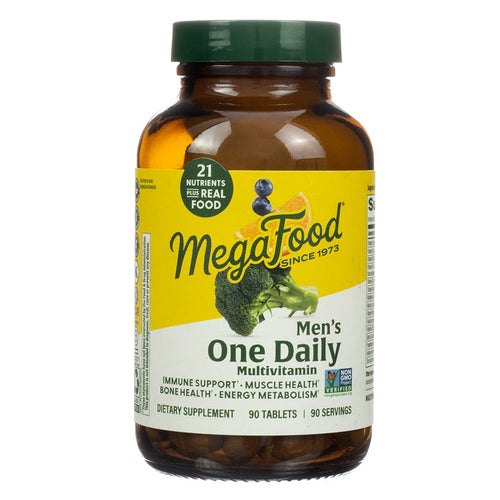
Credit: findyourhealthyplace.com
Frequently Asked Questions
Should I Take Multivitamins With Food Or On An Empty Stomach?
Taking multivitamins with food helps improve nutrient absorption and reduces stomach upset. Fat-soluble vitamins need dietary fat for better absorption. Taking them on an empty stomach may cause nausea or indigestion for some people.
What Foods Enhance Multivitamin Absorption Best?
Healthy fats like avocado, nuts, and olive oil improve absorption of fat-soluble vitamins A, D, E, and K. Pairing multivitamins with balanced meals containing protein and carbohydrates also supports better nutrient uptake.
Can Taking Multivitamins Without Food Cause Side Effects?
Yes, taking multivitamins without food can cause nausea, stomach cramps, or indigestion. Food acts as a buffer and helps prevent these common side effects. It’s generally recommended to take vitamins with meals for comfort.
Does Timing Of Multivitamin Intake Affect Effectiveness?
Yes, timing matters. Taking multivitamins with breakfast or lunch ensures better absorption and consistent routine. Avoid taking them late at night to prevent sleep disturbances, especially if they contain B vitamins or caffeine.
Conclusion
Taking multivitamins with food helps your body absorb nutrients better. Food reduces the chance of stomach upset. Vitamins like A, D, E, and K dissolve well with fat from meals. Eating first also slows vitamin release, giving your body more time to use them.
Remember to follow the instructions on your supplement label. Talk to a doctor if unsure about timing or dosage. Small habits can improve your health over time. Taking vitamins with food is a simple step worth trying.


