
Are you wondering if it’s okay for you to take a men’s multivitamin? Maybe you grabbed one by mistake or heard it might work just as well.
But is that really true? Your body has unique needs, and taking the wrong vitamins could mean missing out on important benefits—or worse, causing harm. Keep reading to discover what happens when women take men’s multivitamins, and find out how to choose the right supplement for your health.
Your wellness matters, so let’s get it right.
Differences In Multivitamin Formulas
Men’s and women’s multivitamins have different nutrient blends. These blends meet their unique health needs. Taking the right formula helps support overall wellness.
Choosing a multivitamin made for your gender ensures you get the correct nutrients. Some vitamins and minerals are added or reduced based on common health requirements.
Key Nutrients In Men’s Multivitamins
Men’s multivitamins often include nutrients that support muscle health and energy. They usually contain more zinc and vitamin D. These help with testosterone and immune support.
Other important nutrients are B vitamins. They help convert food into energy. Men’s formulas may also have higher doses of magnesium for muscle and nerve function.
- Zinc for immune and hormone health
- Vitamin D for bone strength
- B vitamins for energy production
- Magnesium for muscles and nerves
Nutrient Needs Unique To Women
Women need more iron because of monthly blood loss. Calcium and vitamin D are also important to keep bones strong. Women’s multivitamins often have these in higher amounts.
Folate is another key nutrient for women. It helps during pregnancy and supports cell growth. Women’s formulas may include extra folic acid for this reason.
- Iron for blood health
- Calcium and vitamin D for bones
- Folate for cell growth and pregnancy
Potential Benefits For Women
Many women wonder if they can take men’s multivitamins safely. Men’s vitamins often have different amounts of nutrients than women’s formulas. Women may get some benefits from these vitamins in certain cases.
Men’s multivitamins usually contain more vitamin D, zinc, and B vitamins. These nutrients can support energy, immune health, and muscle function. Women might find these helpful depending on their health needs.
When Men’s Vitamins Might Work
Women may consider men’s vitamins if they have higher nutrient needs. For example, athletes or active women might need extra B vitamins for energy. Some men’s vitamins also have more vitamin D, which helps bone health.
If a woman is not pregnant or breastfeeding, she might safely use a men’s formula for a short time. It is important to check the nutrient amounts and avoid too much of any vitamin.
Situations Favoring Men’s Formulas
Men’s multivitamins can suit women in specific situations. Women with low iron levels may prefer men’s vitamins because these usually have less iron. Excess iron can cause problems for women who do not need it.
Women who want more vitamin D or zinc for immune support may find men’s vitamins useful. Also, women who want to support muscle health might benefit from the extra nutrients found in men’s formulas.
- Low iron needs favor men’s vitamins
- Higher vitamin D supports bone and immune health
- Extra B vitamins help with energy and muscle function
- Active women may require more nutrients found in men’s formulas
Risks And Considerations
Women sometimes take men’s multivitamins by mistake or choice. These vitamins have different nutrients and amounts. It is important to know the risks before using them.
Men’s multivitamins may not match women’s health needs. Taking the wrong vitamins can cause problems in the body.
Excess Nutrient Intake Concerns
Men’s multivitamins often have higher levels of some vitamins and minerals. Women taking these might get too much of certain nutrients. Too much intake can harm the body.
Excess nutrients can cause side effects like stomach pain, headaches, or more serious health issues. It is important to avoid taking more than the daily limit.
- Too much iron can cause nausea and organ damage
- High vitamin A can lead to dizziness and liver problems
- Extra zinc may cause nausea and weaken the immune system
- Excess calcium can lead to kidney stones
Impact On Hormonal Balance
Men’s multivitamins may contain ingredients that affect hormones. Women’s hormone levels are different and sensitive. Taking men’s vitamins can disturb this balance.
Hormonal imbalance can cause mood swings, weight changes, and other health problems. Women should be careful with supplements that are not made for them.

Credit: shifaanutrition.com
Comparing Dosage Differences
Men’s and women’s multivitamins often have different dosages. These differences fit the unique health needs of each gender. Women may not need as much of some nutrients as men do.
Taking the wrong dosage can lead to too much or too little of certain vitamins. This can affect your health. It is important to understand these differences before using a men’s multivitamin if you are a woman.
Iron Content Variations
Iron is a key mineral that often differs between men’s and women’s multivitamins. Women usually need more iron due to menstruation. Men’s multivitamins often have less iron.
Women taking men’s multivitamins may not get enough iron. This could lead to iron deficiency. Women should check the iron amount carefully before using men’s formulas.
- Women’s multivitamins: higher iron content
- Men’s multivitamins: lower iron content
- Iron needs vary by age and health status
Vitamin And Mineral Levels
Besides iron, other vitamins and minerals also differ in dosage between men’s and women’s multivitamins. For example, vitamin D, calcium, and magnesium amounts may vary.
Women often need more calcium and vitamin D for bone health. Men’s multivitamins may have lower levels of these nutrients. Taking men’s multivitamins could leave women with less than their needed amounts.
| Vitamin/Mineral | Women’s Multivitamin | Men’s Multivitamin |
|---|---|---|
| Calcium | Higher | Lower |
| Vitamin D | Higher | Lower |
| Magnesium | Higher | Lower |
| Zinc | Lower | Higher |
Expert Opinions And Research
Many women wonder if they can take men’s multivitamins safely. This topic draws interest from health experts and researchers. Understanding their views helps women make smart choices about supplements.
Men’s and women’s multivitamins often have different nutrient amounts. Experts study if these differences matter for women who take men’s formulas.
Health Professionals’ Views
Doctors and dietitians say women can take men’s multivitamins but with care. Men’s vitamins usually have more zinc and vitamin E. Too much of these can cause problems for women.
Health professionals recommend checking the nutrient amounts first. Women should avoid taking excess iron unless advised by a doctor. Women who are pregnant or breastfeeding need special nutrients not always found in men’s vitamins.
- Men’s vitamins may have higher zinc and vitamin E levels.
- Too much iron can be harmful for women who do not need it.
- Pregnant women need folic acid and other nutrients.
- Consult a healthcare provider before switching supplements.
Scientific Findings
Research shows nutrient needs differ between men and women. Women need more iron during their childbearing years. Men’s multivitamins tend to have less iron or none at all.
Studies find that taking men’s multivitamins may not provide enough iron for women. Some research warns about the risk of consuming too much zinc or vitamin A from men’s formulas.
- Women need more iron than men during menstruation.
- Men’s multivitamins may lack adequate iron for women.
- High zinc intake can interfere with copper absorption.
- Vitamin A levels in men’s vitamins may exceed women’s needs.

Credit: ultimatenutrition.com
Choosing The Right Multivitamin
Many women wonder if they can take a men’s multivitamin. Choosing the right multivitamin is important for health and safety.
This guide helps women decide if a men’s multivitamin suits them and how to pick the best option.
Factors To Consider
Men’s and women’s multivitamins have different nutrient amounts. Women need more iron and calcium than men.
Check the vitamin label to see if it fits your age, health, and diet. Avoid too much of one nutrient.
- Iron content: Women usually need more
- Calcium and vitamin D for bone health
- Vitamin A and C levels for immunity
- Daily nutrient values based on age
- Any allergies or sensitivities
Customizing Supplements For Women
Women can customize supplements by adding or skipping certain vitamins. Talk to a doctor before changing doses.
Some women may need extra iron during pregnancy or more calcium after menopause. Adjust based on personal needs.
- Add iron supplements if your multivitamin lacks enough
- Include vitamin B12 for energy, especially if vegan
- Use calcium and vitamin D for bone strength
- Consider folic acid if planning pregnancy
Alternatives To Men’s Multivitamins
Men’s multivitamins have nutrients made for men’s needs. Women can take them, but better options exist. Women have different nutrient needs than men.
Choosing the right vitamins helps women get what their bodies require. Some vitamins are made just for women. Other options come from whole foods and diets.
Women-specific Multivitamins
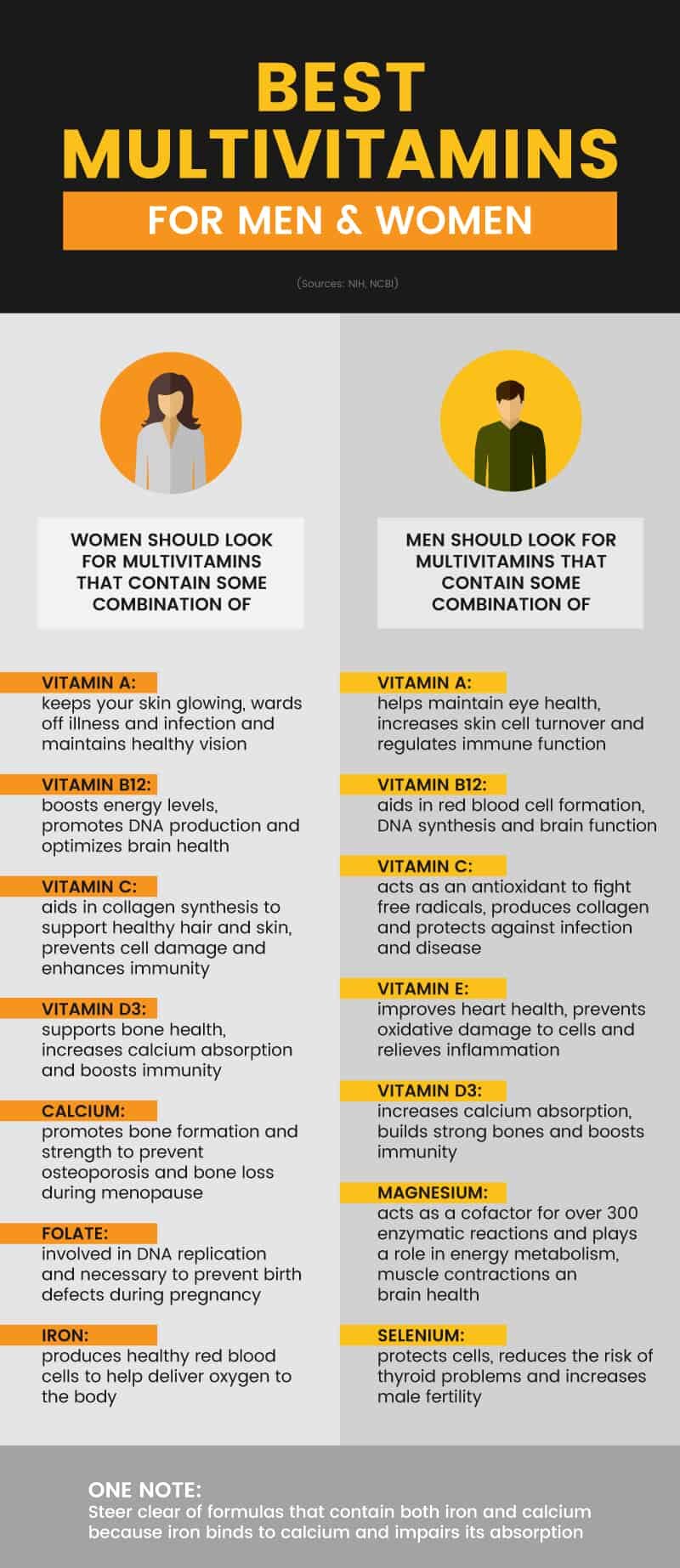
Women-specific multivitamins have nutrients for women’s health. They often include more iron, calcium, and folic acid. These nutrients support menstruation, bones, and pregnancy.
These multivitamins also consider hormone balance and skin health. They provide vitamins and minerals in amounts suited for women. Taking men’s multivitamins might miss these needs.
- Higher iron levels for menstruating women
- Extra calcium and vitamin D for bone strength
- Folic acid to support pregnancy
- Added vitamin E and biotin for skin and hair
Whole Food And Diet-based Options
Eating a balanced diet is a natural way to get vitamins and minerals. Whole foods have nutrients in forms the body can easily use. Women can focus on foods rich in needed vitamins.
Foods like leafy greens, fruits, nuts, and lean meats help meet vitamin needs. Some women choose supplements made from whole foods. These can be gentler and more natural than synthetic pills.
- Leafy greens for iron and folate
- Citrus fruits for vitamin C
- Nuts and seeds for vitamin E and healthy fats
- Dairy or fortified plant milk for calcium and vitamin D
- Lean meats and beans for protein and B vitamins
Credit: draxe.com
Frequently Asked Questions
Can Women Safely Take Men’s Multivitamins?
Women can take men’s multivitamins, but it’s not ideal. Men’s formulas often lack key nutrients women need. Women should choose multivitamins tailored to their specific health requirements for better nutrient balance and effectiveness.
What Nutrients Differ In Men’s Vs. Women’s Multivitamins?
Men’s multivitamins usually have more zinc and vitamin E. Women’s formulas include more iron, calcium, and folic acid. These differences reflect gender-specific health needs, making it important to select the right multivitamin for your gender.
Will Men’s Multivitamins Cause Side Effects In Women?
Men’s multivitamins may cause side effects for women, such as iron deficiency or hormonal imbalance. Women should avoid excess nutrients that men’s formulas contain. Always consult a healthcare provider before switching multivitamin types.
Are Men’s Multivitamins Less Effective For Women?
Men’s multivitamins may be less effective for women due to nutrient imbalances. Women need formulas supporting bone health and reproductive functions. Choosing a gender-specific multivitamin ensures optimal nutrient absorption and health benefits.
Conclusion
Women can take men’s multivitamins, but it’s not always ideal. Men’s formulas often have more iron and vitamin A than women need. This can cause unwanted side effects over time. Choosing a multivitamin made for women is usually safer. It matches their specific health needs better.
Always check the label and talk to a doctor before starting any supplement. Your body deserves the right nutrients to stay healthy and strong.


