

Have you ever wondered if it’s safe to take a multivitamin on an empty stomach? You might be rushing through your morning routine, popping a pill before breakfast, thinking it’s just a quick step to better health.
But what if that simple habit is affecting how well your vitamins work—or even how your stomach feels? Knowing the right way to take your multivitamin can make a big difference in how your body absorbs the nutrients and how you feel throughout the day.
Keep reading to discover the surprising facts about multivitamins and empty stomachs—this could change your daily routine for the better.
How Multivitamins Work
Multivitamins are supplements that provide many vitamins and minerals. They fill gaps in your diet to keep your body healthy.
Your body uses these nutrients to support various functions like energy, immunity, and bone health.
Absorption Of Nutrients
Your body absorbs vitamins and minerals mainly in the small intestine. Some vitamins need fat to absorb well.
Fat-soluble vitamins like A, D, E, and K absorb better with food. Water-soluble vitamins like C and B absorb easily with or without food.
- Fat-soluble vitamins need dietary fat
- Water-soluble vitamins absorb in water
- Minerals absorb depending on other foods eaten
Effect Of An Empty Stomach
Taking multivitamins on an empty stomach can cause stomach upset. Some vitamins irritate the stomach lining.
Without food, your body may not absorb fat-soluble vitamins well. This lowers their effectiveness.
Timing And Consistency
It is important to take multivitamins regularly at the same time. This helps maintain steady nutrient levels in the body.
Taking them with a meal improves absorption and reduces stomach discomfort.
- Choose a meal with some fat for best absorption
- Drink water to help swallow the pill
- Be consistent for better results

Credit: clichemag.com
Effects On An Empty Stomach
Taking a multivitamin on an empty stomach can affect how your body reacts. Some vitamins may cause discomfort without food.
It is important to understand these effects before deciding when to take your multivitamin.
Possible Side Effects
Some people feel nausea or stomach pain when taking multivitamins without food. This happens because vitamins can irritate the stomach lining.
Other side effects include dizziness or a mild headache. These symptoms may occur if the vitamins upset your digestive system.
- Nausea or upset stomach
- Stomach cramps
- Dizziness or headache
- Heartburn or acid reflux
Absorption Rates
Some vitamins absorb better with food. Fat-soluble vitamins like A, D, E, and K need dietary fat to work well.
Water-soluble vitamins, such as B and C, may absorb fine on an empty stomach. Still, food can help reduce stomach irritation.
- Fat-soluble vitamins require fat for better absorption
- Water-soluble vitamins absorb well but may cause stomach upset
- Taking vitamins with food can improve absorption and comfort
Best Time To Take Multivitamins
Taking multivitamins at the right time can help your body absorb them better. Some vitamins need food to work well. Others do not.
Choosing when to take your multivitamin depends on your daily routine and your body’s needs.
Morning Vs Evening
Many people take multivitamins in the morning. This can give your body nutrients for the day. It fits well with breakfast.
Taking vitamins in the evening is possible. Some find it easier to remember then. But some vitamins may cause mild energy, making sleep hard.
- Morning intake suits most daily routines
- Evening intake can work if mornings are busy
- Watch for vitamins that may affect sleep
With Or Without Food
Multivitamins often work best with food. Food helps your body absorb vitamins like A, D, E, and K. These are fat-soluble vitamins.
Taking vitamins on an empty stomach can cause upset or nausea. Water alone may not help absorb fat-soluble vitamins well.
- Take multivitamins with a meal for better absorption
- Avoid taking on an empty stomach to reduce stomach upset
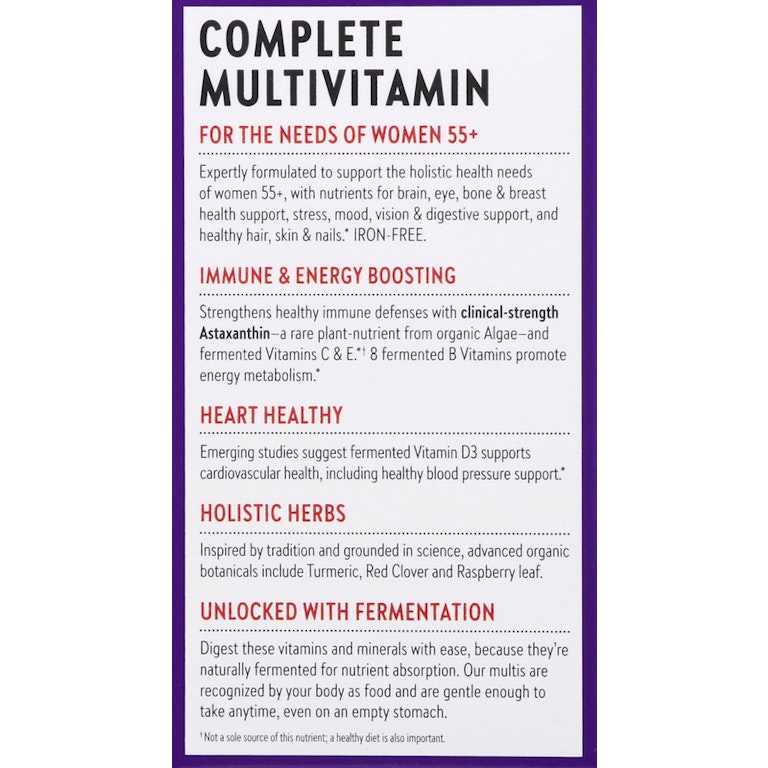
- If you must take on an empty stomach, choose water-soluble vitamins
Credit: www.gianteagle.com
Types Of Multivitamins And Stomach Sensitivity
Taking a multivitamin can help fill nutrition gaps in your diet. Some people wonder if they can take these vitamins on an empty stomach.
Understanding the types of vitamins and your stomach’s sensitivity can guide you. This can help avoid discomfort and improve vitamin absorption.
Water-soluble Vs Fat-soluble Vitamins
Vitamins come in two main types: water-soluble and fat-soluble. Water-soluble vitamins include vitamin C and all B vitamins.
These vitamins dissolve in water and pass easily through your stomach. You can usually take them on an empty stomach without problems.
- Water-soluble vitamins are not stored in the body.
- Your body uses what it needs and removes the rest in urine.
- They often need to be taken daily for best results.
- Fat-soluble vitamins include A, D, E, and K.
- These vitamins need fat to be absorbed properly.
- Taking fat-soluble vitamins without food may reduce absorption.
Formulations For Sensitive Stomachs
Some multivitamins can upset your stomach if taken on an empty stomach. This is common with minerals like iron and calcium.
Look for formulations made for sensitive stomachs. These often have gentler ingredients or delayed-release coatings.
- Chewable or gummy vitamins may be easier to digest.
- Slow-release tablets reduce stomach irritation.
- Some vitamins use lower doses of minerals to reduce discomfort.
- Taking vitamins with a small meal or snack can help.
Tips To Minimize Discomfort
Taking a multivitamin on an empty stomach can cause nausea or stomach upset. Some vitamins are harsh when taken alone.
There are ways to reduce discomfort and help your body absorb vitamins better. Choosing the right multivitamin and following good eating habits matter.
Choosing The Right Multivitamin
Pick a multivitamin made for sensitive stomachs. Some formulas have lower doses or gentler ingredients.
Avoid multivitamins with high iron content if you feel sick after taking them. Iron often causes stomach pain.
- Look for “gentle on stomach” labels
- Choose multivitamins without added iron if not needed
- Consider chewable or gummy vitamins
- Try liquid vitamins for easier digestion
Eating Habits To Follow
Eat a small snack before taking your multivitamin. Food helps protect your stomach lining.
Pick foods that are easy to digest and low in fat. This helps vitamins absorb without causing upset.
- Try crackers, toast, or a small banana
- Drink a full glass of water with your vitamin
- Avoid taking vitamins with coffee or acidic drinks
- Take vitamins at the same time daily to build a routine
When To Consult A Healthcare Provider
Taking a multivitamin on an empty stomach may cause discomfort for some people. It is important to know when you should talk to a healthcare provider about your vitamin use.
Your health provider can help you decide the best way to take vitamins safely. They will also check if multivitamins fit your health needs.
If You Experience Stomach Pain Or Nausea
Some people feel stomach pain or nausea after taking vitamins without food. This could mean your body needs vitamins with meals.
Talk to a healthcare provider if you often feel sick after taking multivitamins. They can suggest ways to reduce discomfort.
If You Are Taking Other Medications
Multivitamins can interact with some medicines. These interactions may change how well your medicines work.
Consult your healthcare provider if you take prescription or over-the-counter drugs. They can check for any risks with your vitamins.
If You Have A Medical Condition
Certain health problems need special care when taking vitamins. Conditions like kidney disease or iron disorders require guidance.
Ask your healthcare provider before starting multivitamins if you have chronic illness. They will help you avoid side effects.
If You Are Pregnant Or Breastfeeding
Pregnancy and breastfeeding increase your need for some vitamins. But not all supplements are safe during this time.
Always check with your healthcare provider before taking multivitamins while pregnant or nursing. They will recommend the right vitamins for you.
If You Are Unsure About Dosage
Taking too much of certain vitamins can cause harm. It is easy to take more than the recommended dose by mistake.
Consult a healthcare provider if you are unsure how much vitamin to take. They can guide you on safe amounts.
Credit: www.performancelab.com
Frequently Asked Questions
Can I Take Multivitamins On An Empty Stomach?
Taking multivitamins on an empty stomach may cause nausea or discomfort. Fat-soluble vitamins absorb better with food. It’s best to take multivitamins with a meal to improve absorption and reduce stomach upset.
Why Should Multivitamins Be Taken With Food?
Multivitamins contain fat-soluble vitamins A, D, E, and K. These vitamins need dietary fat for better absorption. Food also helps prevent stomach irritation. Taking multivitamins with meals maximizes nutrient uptake and minimizes side effects.
What Happens If I Take Multivitamins Without Eating?
Taking multivitamins without food may cause nausea, cramps, or indigestion. Absorption of some nutrients might decrease without dietary fat. This can reduce the supplement’s effectiveness. It’s safer and more effective to consume multivitamins with meals.
Are All Multivitamins Safe On An Empty Stomach?
Not all multivitamins are safe on an empty stomach. Some formulations contain iron or minerals that irritate the stomach lining. Always check the label and consult a healthcare provider for personalized advice.
Conclusion
Taking a multivitamin on an empty stomach can cause discomfort. Many vitamins absorb better with food. Eating a small meal helps your body use nutrients well. Some vitamins may upset your stomach alone. Choose the best time to take your supplement.
Pay attention to how your body feels. Talk to a doctor if unsure about timing. Staying consistent helps you get the most benefit. Simple habits make taking vitamins easier and safer.


