

Are you wondering how long it takes for multivitamins to actually start working in your body? You’re not alone.
When you take that daily pill, you want to feel the boost – more energy, better focus, and overall health improvements – as soon as possible. But how quickly can you expect to see real changes? Understanding the timeline can help you stay motivated and know what to watch for.
Keep reading, and you’ll discover what factors influence how fast multivitamins work and when you can expect to notice the benefits for yourself.

Credit: purolabs.com
Multivitamins And Their Role
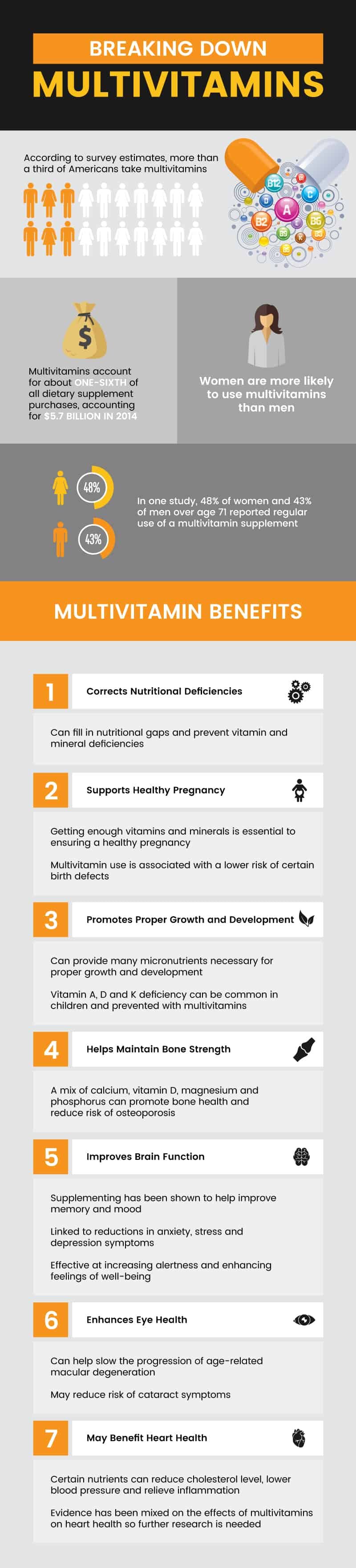
Multivitamins are supplements that provide vitamins and minerals. They help fill gaps in a person’s diet.
People often take multivitamins to support overall health and well-being. These supplements can improve nutrient intake.
What Multivitamins Contain
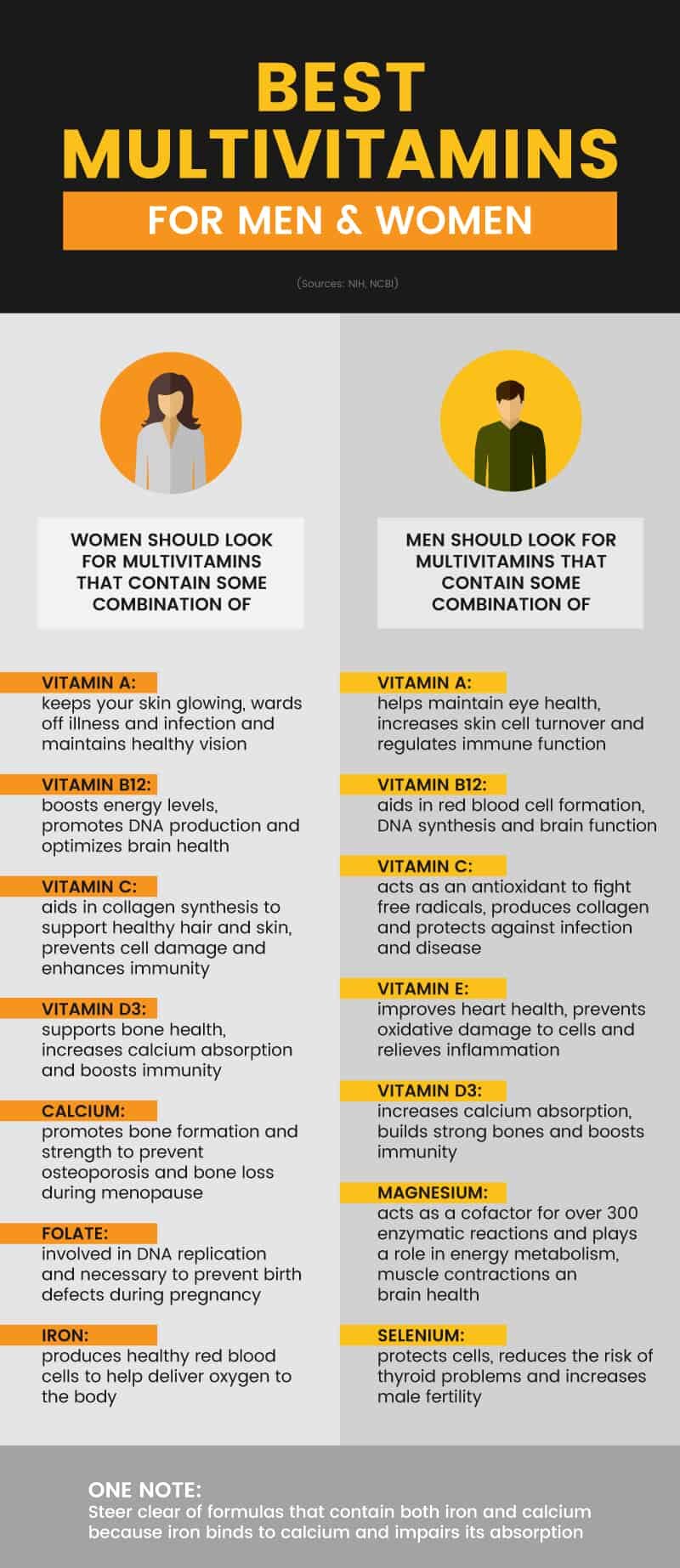
Multivitamins contain a mix of essential vitamins and minerals. These nutrients support different body functions.
- Vitamin A helps maintain healthy skin and eyes.
- B vitamins support energy and brain health.
- Vitamin C boosts the immune system.
- Vitamin D helps bones absorb calcium.
- Vitamin E acts as an antioxidant.
- Minerals like calcium, iron, and zinc aid many body processes.
Why People Take Multivitamins
People take multivitamins to ensure they get enough nutrients daily. Some diets or lifestyles may lack certain vitamins.
Multivitamins can support health during stress, illness, or aging. They help maintain energy and immune strength.
- Fill nutrient gaps in diet
- Support energy and metabolism
- Boost immune system
- Promote healthy skin and bones
- Help with recovery and stress
Credit: draxe.com
Factors Affecting Absorption
Multivitamins take time to show effects because the body needs to absorb the nutrients first. Absorption depends on many factors.
Understanding these factors helps explain why some people feel benefits faster than others.
Individual Health Conditions
Health conditions can change how well your body absorbs vitamins. Some diseases lower nutrient absorption in the gut.
For example, conditions like celiac disease or Crohn’s disease reduce nutrient uptake. This slows the effect of multivitamins.
- Digestive disorders can block vitamin absorption
- Liver or kidney problems affect vitamin processing
- Age-related changes may reduce nutrient uptake
Diet And Nutrient Interactions
Your diet affects how vitamins are absorbed. Some foods help absorption, while others block it.
For instance, vitamin D helps absorb calcium. But caffeine and alcohol can lower nutrient uptake.
- Fat helps absorb fat-soluble vitamins like A, D, E, and K
- Calcium can interfere with iron absorption
- High fiber may reduce absorption of some minerals
Timing And Dosage
The time you take multivitamins matters. Taking them with food often improves absorption.
Dosage also affects how fast vitamins work. Taking too much can cause waste or stomach upset.
- Take multivitamins with a meal for better absorption
- Spread doses if the amount is high
- Follow the recommended dose on the label
Timeline For Multivitamin Effects
Taking multivitamins can support your health in different ways over time. It is useful to know when you might notice changes.
This timeline explains what to expect shortly after taking multivitamins and after longer use.
Immediate Effects
Some effects of multivitamins happen soon after you take them. Your body starts absorbing vitamins and minerals right away.
You might feel a small energy boost or better mood within hours. These effects come from vitamins like B-complex and vitamin C.
Short-term Benefits
After a few days to weeks, multivitamins can improve your immune system and reduce tiredness. This happens as your body uses the nutrients.
Skin, hair, and nails may look healthier. You might also notice better focus and less stress.
- Stronger immune response
- Less fatigue and tiredness
- Improved skin and hair health
- Better mental clarity
Long-term Impact
Using multivitamins for months helps prevent nutrient deficiencies and supports overall health. It can lower risks of some chronic diseases.
Bone strength, heart health, and eye function may improve with long-term use. Results depend on your diet and lifestyle too.
- Prevention of vitamin deficiencies
- Support for bone and heart health
- Reduced risk of some illnesses
- Better eye and brain function
Credit: draxe.com
Signs Multivitamins Are Working
Many people wonder how long multivitamins take to show results. The answer varies by person and vitamin type.
Some signs can indicate that multivitamins are starting to work in your body. Watch for these changes.
Improved Energy Levels
Multivitamins can help fill nutrient gaps that cause tiredness. You may feel more awake and active.
Vitamins like B12 and iron support energy production. Their effects often appear after a few weeks.
- Less fatigue during the day
- Better focus and concentration
- More stamina for daily tasks
Better Immune Support
Multivitamins with vitamin C, D, and zinc help strengthen your immune system. You may get sick less often.
Your body uses these nutrients to fight infections. You might notice fewer colds or faster recovery times.
- Reduced frequency of colds
- Shorter illness duration
- Less severe symptoms when sick
Enhanced Skin And Hair Health
Multivitamins often contain vitamins A, E, and biotin. These support skin glow and stronger hair.
With regular use, you may see fewer dry patches, less hair breakage, and healthier nails.
- Smoother and clearer skin
- Less hair fall and breakage
- Stronger and shinier nails
When To Adjust Your Routine
Multivitamins can take time to show effects in your body. Knowing when to change your routine helps you get the best results.
Pay attention to your body’s signals. Adjustments may be needed if results are slow or side effects appear.
Lack Of Expected Results
Some people expect fast changes after starting multivitamins. But it often takes weeks to notice benefits.
If you see no improvement after a month, it might be time to review your vitamin choice or dose.
- Check if you take the right multivitamin for your needs
- Ensure you follow the recommended daily dose
- Consider lifestyle factors like diet and sleep
- Give your body time, usually 4 to 6 weeks
Possible Side Effects
Multivitamins can cause side effects in some people. Watch for stomach pain, nausea, or headaches.
If side effects happen, you may need to change your routine or stop taking the vitamin.
- Take vitamins with food to reduce stomach upset
- Lower the dose if side effects are mild
- Stop use if side effects are severe or last long
Consulting Healthcare Professionals
Health experts can help you decide if your vitamin routine needs change. They check your health and diet.
Talk to a doctor if you have health conditions or take other medicines. They can suggest the best vitamins for you.
- Discuss any lack of improvement with your doctor
- Report side effects to a healthcare professional
- Ask for blood tests to check vitamin levels
- Follow expert advice on supplements and diet
Frequently Asked Questions
How Long Until Multivitamins Show Effects?
Multivitamins typically take 2 to 4 weeks to show noticeable effects. Consistent daily intake is essential for best results. Individual responses may vary based on diet and health status.
Can Multivitamins Improve Energy Quickly?
Multivitamins can boost energy within days if you have nutrient deficiencies. However, for most, energy improvements appear gradually over weeks with regular use.
Do Multivitamins Work Immediately After Taking?
No, multivitamins don’t work immediately. They support nutrient levels over time, requiring consistent intake to impact health and well-being effectively.
How Does Diet Affect Multivitamin Effectiveness?
A balanced diet enhances multivitamin benefits by providing complementary nutrients. Poor diet may delay or reduce multivitamin effectiveness and overall health improvement.
Conclusion
Multivitamins usually take a few weeks to show effects. Your body needs time to absorb the nutrients. Consistency matters—take them daily for best results. Effects can differ based on diet and health. Remember, vitamins support your health but do not replace food.
Stay patient and keep a balanced diet alongside supplements. Always talk to a doctor if unsure about vitamins. Small steps lead to better health over time.


