
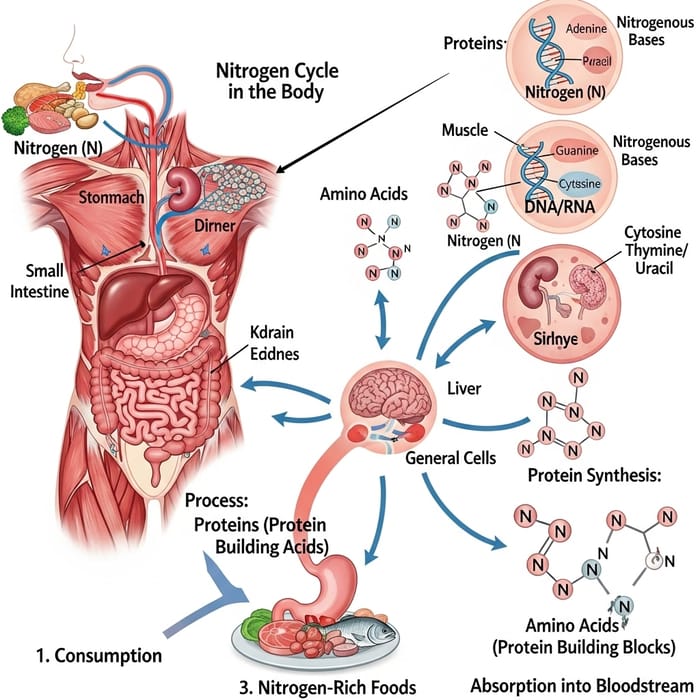
Have you ever wondered what nitrogen does for your body? You might not realize it, but nitrogen plays a vital role in keeping you healthy every day.
From building proteins to helping your cells work properly, nitrogen is quietly supporting your body in ways you don’t see. Keep reading to discover how this invisible element affects your health and why it matters to you. Understanding this could change the way you think about your own body.
Role Of Nitrogen In The Body
Nitrogen is a key element found in many parts of the body. It is essential for building molecules that keep us alive.
Our body uses nitrogen to make proteins, DNA, RNA, and other important compounds. Without nitrogen, cells could not function properly.
Nitrogen In Proteins And Amino Acids
Proteins are made of smaller units called amino acids. Nitrogen is part of every amino acid.
These amino acids link together using nitrogen to form proteins. Proteins help build muscles, skin, and enzymes.
- Nitrogen is in the amino group of amino acids
- Proteins need nitrogen to maintain their structure
- Body breaks down protein to recycle nitrogen
Nitrogen’s Part In Dna And Rna
DNA and RNA carry genetic information in cells. They contain nitrogen bases that form the code for life.
These nitrogen bases include adenine, thymine, cytosine, guanine, and uracil. They help cells copy and use genetic information.
- Nitrogen bases pair up to form DNA strands
- RNA uses nitrogen bases to build proteins
- Nitrogen is crucial for genetic material stability
Nitrogen And Cellular Functions
Cells use nitrogen in many ways besides proteins and DNA. Nitrogen helps make energy and other key molecules.
It is part of molecules like ATP, which provide energy for cell work. Nitrogen also helps form vitamins and enzymes needed for health.
- Nitrogen is part of energy molecules like ATP
- It helps make enzymes that speed up reactions
- Nitrogen supports cell growth and repair

Credit: onlinelibrary.wiley.com
Nitrogen And Muscle Health
Nitrogen is an important part of the body. It helps build and maintain muscles.
Our muscles need nitrogen to grow stronger and repair after use.
Building Muscle With Nitrogen
Muscle tissue contains protein, which is made of nitrogen. Your body uses nitrogen to make new proteins.
Eating enough protein gives your body nitrogen to build muscle. Without nitrogen, muscles cannot grow well.
- Nitrogen helps create new muscle fibers
- Protein intake supplies nitrogen for muscle growth
- Exercise increases the need for nitrogen in muscles
Nitrogen Balance And Muscle Repair
Nitrogen balance means the amount of nitrogen taken in equals the amount lost. Positive balance helps muscles grow.
After exercise, your body repairs muscles using nitrogen. This keeps muscles healthy and strong.
- Positive nitrogen balance supports muscle repair
- Negative balance can cause muscle loss
- Protein helps maintain a positive nitrogen balance
Nitrogen And Metabolism
Nitrogen is an essential element in the human body. It plays a key part in many metabolic activities. Without nitrogen, the body cannot build important molecules.
This element helps the body create proteins and other compounds. These compounds support energy use and growth.
Nitrogen’s Role In Energy Production
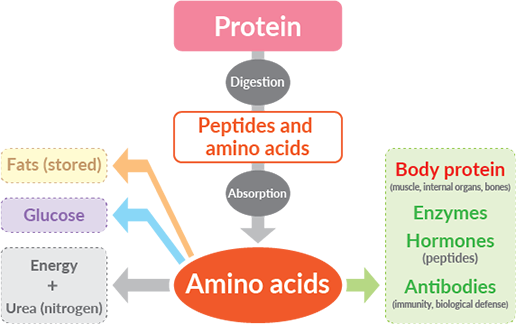
Nitrogen is part of amino acids, the building blocks of protein. Proteins help the body produce energy by supporting cells.
Cells use nitrogen to make ATP, the main energy molecule. ATP powers many body functions like movement and repair.
Impact On Metabolic Processes
Nitrogen helps create enzymes that speed up metabolism. These enzymes break down food into usable energy.
It also helps build DNA and RNA, which control how cells work. Proper nitrogen levels keep metabolism running smoothly.
- Supports protein synthesis
- Helps form enzymes
- Aids DNA and RNA production
- Maintains healthy metabolism
Credit: medium.com
Nitrogen In Detoxification
Nitrogen is a key element in the body. It helps remove harmful waste from cells. This process is called detoxification.
Detoxification keeps the body healthy. Nitrogen plays an important role in this natural cleaning system.
Nitrogen And Waste Removal
Nitrogen helps the body get rid of waste products. The body breaks down proteins and creates nitrogen waste. This waste must leave the body safely.
The main form of nitrogen waste is called urea. The kidneys filter urea from the blood. Then, the body removes it through urine.
- Proteins contain nitrogen
- Broken-down protein creates nitrogen waste
- Urea carries nitrogen waste out of the body
- Kidneys filter urea from the blood
Supporting Liver Function
The liver uses nitrogen to help remove toxins. It changes nitrogen waste into urea. This process is called the urea cycle.
By making urea, the liver prevents harmful nitrogen from building up. This supports overall liver health and body detox.
- Liver converts nitrogen waste to urea
- Urea is less harmful and easier to remove
- Urea travels to kidneys for excretion
- Healthy liver improves detoxification process
Sources Of Nitrogen For The Body
Nitrogen is an important element for the human body. It helps build proteins and other vital molecules.
The body gets nitrogen from different sources. These sources help maintain healthy cells and tissues.
Dietary Proteins
Proteins in the food provide the main source of nitrogen. When we eat protein, our body breaks it down into amino acids.
These amino acids contain nitrogen atoms. The body uses them to make new proteins and repair tissues.
- Meat, fish, and poultry are rich in protein.
- Dairy products like milk and cheese contain nitrogen.
- Plant foods such as beans, nuts, and seeds also provide proteins.
Nitrogen Fixation And Gut Bacteria
Certain bacteria in the gut help fix nitrogen from the environment. These bacteria convert nitrogen into forms the body can use.
This natural process supports the nitrogen balance in the body. It works alongside dietary nitrogen to keep the body healthy.
- Gut bacteria break down nitrogen compounds in food.
- They help convert nitrogen into amino acids and other molecules.
- This process supports digestion and nutrient absorption.
Credit: kids.frontiersin.org
Effects Of Nitrogen Imbalance
Nitrogen is a key element in the human body. It helps build proteins and DNA. When nitrogen levels are not balanced, the body can face health problems.
Both too little and too much nitrogen can cause issues. Understanding these effects can help maintain good health.
Consequences Of Nitrogen Deficiency
Nitrogen deficiency means the body does not have enough nitrogen to build proteins. This can weaken muscles and slow growth.
People with nitrogen deficiency may feel tired and weak. Their immune system may also become less effective.
- Muscle loss and weakness
- Slow wound healing
- Weakened immune response
- Delayed growth in children
Risks Of Excess Nitrogen
Too much nitrogen in the body often comes from high protein intake. This can strain the kidneys and liver.
Excess nitrogen can increase waste products in the blood. This may lead to nausea, confusion, and other health issues.
- Kidney damage risk
- Increased blood waste levels
- Digestive problems
- Possible confusion or headache
Frequently Asked Questions
What Role Does Nitrogen Play In The Human Body?
Nitrogen is essential for building amino acids and proteins. These proteins support muscle growth, tissue repair, and enzyme production, crucial for overall health and bodily functions.
How Does Nitrogen Affect Muscle Growth And Recovery?
Nitrogen helps synthesize proteins, vital for muscle repair and growth. A positive nitrogen balance means the body builds more muscle than it breaks down.
Can Nitrogen Levels Impact Overall Health?
Yes, maintaining proper nitrogen balance is critical. It supports cell function, tissue repair, and metabolic processes, directly influencing your health and energy levels.
Is Nitrogen Important For Enzyme And Hormone Production?
Absolutely. Nitrogen is a key component in amino acids, which form enzymes and hormones that regulate bodily functions and maintain homeostasis.
Conclusion
Nitrogen plays a key role in keeping your body healthy. It helps build proteins that repair tissues and support muscles. Your cells need nitrogen to grow and work well. Without enough nitrogen, your body cannot make important molecules. Remember, nitrogen is all around you, in the air and food.
Understanding its role helps you appreciate how your body stays strong. Keep a balanced diet to support nitrogen’s work inside you. Simple steps can help your body use nitrogen better. Your health depends on many things, and nitrogen is one of them.


