

Have you ever wondered what keeps your blood flowing smoothly or how your muscles get the oxygen they need during exercise? The answer lies in a small but powerful molecule called nitric oxide.
This natural compound plays a crucial role in your body’s health, affecting everything from your heart to your brain. Understanding what nitric oxide does can help you unlock better energy, improved circulation, and even enhanced mental clarity. Keep reading to discover how this tiny molecule impacts your body in big ways—and why it matters to you every day.

Credit: www.researchgate.net
Role In Blood Circulation
Nitric oxide is a gas produced by the body. It plays a key role in blood circulation.
This molecule helps blood vessels relax. This makes it easier for blood to flow.
Vasodilation Effects
Nitric oxide causes vasodilation. This means it widens the blood vessels.
When vessels widen, blood flows more freely. This reduces resistance in the circulatory system.
- Relaxes smooth muscles in vessel walls
- Increases vessel diameter
- Improves blood flow to tissues
Impact On Blood Pressure
By widening blood vessels, nitric oxide lowers blood pressure. It reduces the force blood puts on artery walls.
Lower blood pressure helps prevent heart problems. It also supports healthy organ function.
- Decreases vascular resistance
- Supports heart pumping efficiency
- Helps maintain stable blood pressure
Enhancing Oxygen Delivery
Nitric oxide improves oxygen delivery to cells. It does this by increasing blood flow to tissues.
More oxygen helps cells work well. This supports energy production and healing.
- Boosts oxygen supply in muscles
- Supports tissue repair
- Improves overall cell function
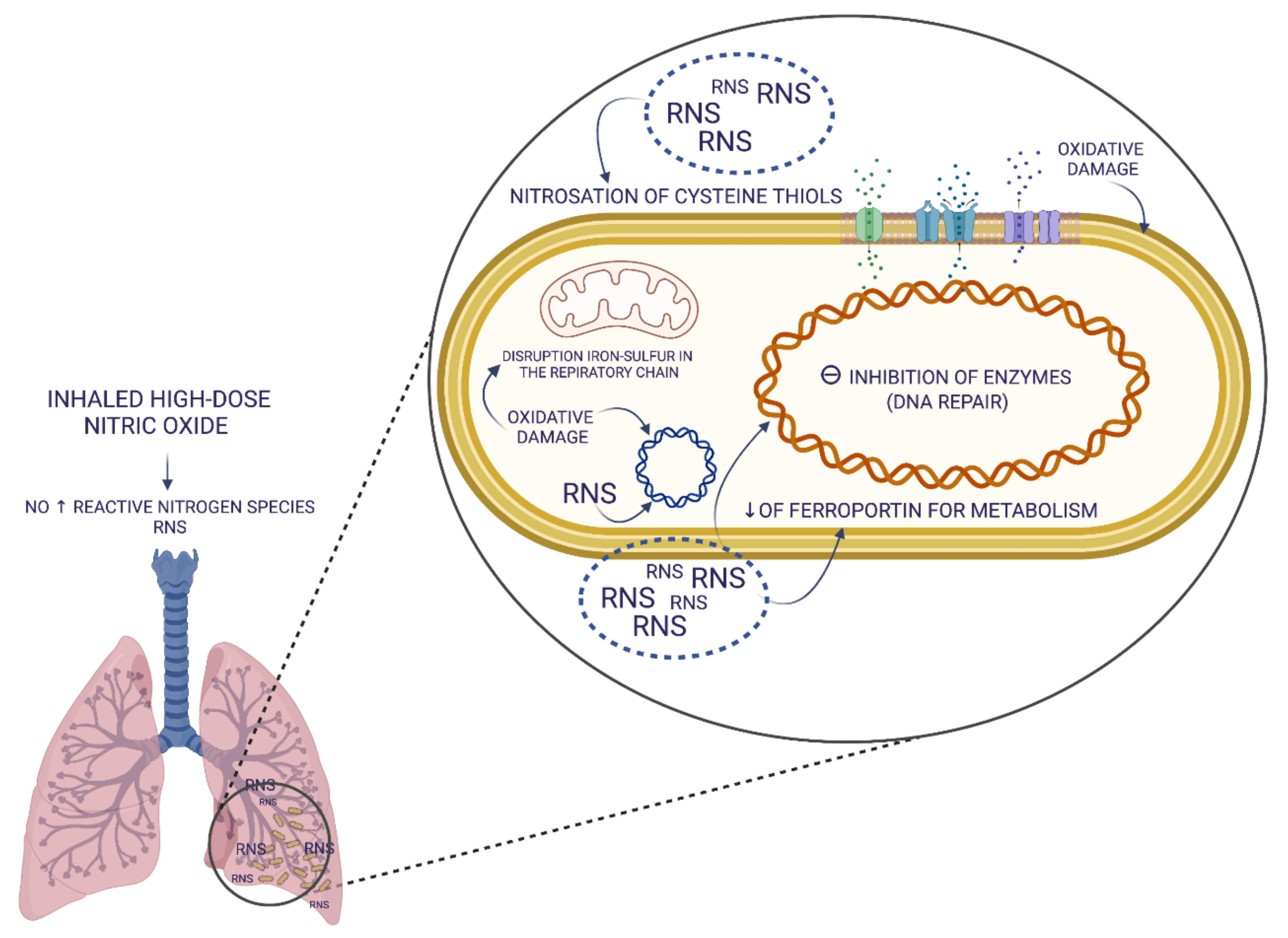
Credit: www.mdpi.com
Influence On Immune System
Nitric oxide is a small molecule that helps the immune system fight infections. It plays many roles in protecting the body from harm.
This molecule is made by immune cells and helps control how they respond to threats. It also works to keep the body balanced.
Pathogen Defense
Nitric oxide helps kill bacteria, viruses, and other germs. It is produced by cells called macrophages to attack invaders.
The molecule damages the DNA and proteins of harmful microbes. This stops the germs from growing and spreading.
- Produced by immune cells during infection
- Kills bacteria and viruses directly
- Prevents germs from multiplying
Inflammation Regulation
Nitric oxide controls inflammation, which is the body’s response to injury or infection. It helps keep inflammation from getting too strong.
By managing inflammation, nitric oxide protects healthy tissues. It stops damage caused by too much immune activity.
- Limits excessive immune response
- Protects healthy cells from damage
- Helps resolve inflammation after threat ends
Function In Nervous System
Nitric oxide is a gas made by the body. It helps many parts of the nervous system work well. It acts as a messenger between nerve cells.
This gas helps control how nerves send signals. It also helps protect brain cells and supports brain functions.
Neurotransmission
Nitric oxide helps nerves communicate with each other. It carries signals from one nerve to another. This process is called neurotransmission.
Unlike other messengers, nitric oxide moves freely between cells. It helps nerves send fast and clear messages. This improves how the nervous system works.
Memory And Learning
Nitric oxide plays a key role in memory and learning. It helps strengthen connections between brain cells. This makes it easier to remember and learn new things.
By improving communication in the brain, nitric oxide supports brain plasticity. This is the brain’s ability to change and grow with experience.
Effect On Muscle Performance
Nitric oxide is a molecule that helps muscles work better. It plays a key role in muscle performance during exercise.
This molecule helps improve blood flow, which delivers oxygen and nutrients to muscles.
Exercise Endurance
Nitric oxide helps muscles use oxygen more efficiently. This allows people to exercise longer without feeling tired.
It also improves blood flow to muscles, so they get the energy they need during workouts.
- Increases oxygen delivery to muscles
- Improves energy use in muscle cells
- Reduces muscle fatigue during exercise
Muscle Recovery
Nitric oxide helps muscles recover faster after exercise. It supports blood flow that brings nutrients for repair.
It also helps reduce muscle soreness by lowering inflammation and clearing waste products from muscles.
- Boosts nutrient delivery to muscles
- Reduces muscle soreness and inflammation
- Supports faster repair of muscle fibers
Role In Cellular Communication
Nitric oxide is a small molecule made by the body. It helps cells talk to each other in many ways.
This communication controls how cells work and respond to changes inside the body.
Signal Transduction
Nitric oxide acts as a messenger in signal transduction. It carries signals between cells quickly.
It helps activate enzymes and proteins inside cells. This starts important processes that keep cells healthy.
- Triggers relaxation of blood vessels
- Controls nerve communication
- Regulates immune response
Cell Growth And Repair
Nitric oxide helps cells grow and heal after injury. It sends signals that tell cells to divide and fix damage.
This role is important for tissue repair and maintaining healthy organs. It supports the body’s natural healing process.
- Promotes new blood vessel formation
- Encourages skin healing
- Supports nerve regeneration

Credit: onlinelibrary.wiley.com
Impact On Heart Health
Nitric oxide is a gas produced naturally in the body. It helps blood vessels relax and widen. This makes it easier for blood to flow.
This effect of nitric oxide plays an important role in keeping the heart healthy. It supports many processes that protect the cardiovascular system.
Cardiovascular Protection
Nitric oxide helps protect the heart by keeping blood vessels flexible. Flexible vessels reduce the pressure on the heart.
It also prevents platelets from sticking together. This lowers the chance of blood clots forming, which can block arteries.
- Relaxes blood vessels to improve blood flow
- Prevents artery stiffness and damage
- Stops harmful clot formation in blood vessels
Reducing Risk Of Heart Disease
Nitric oxide lowers blood pressure by widening arteries. Lower blood pressure reduces the risk of heart attacks and strokes.
It also controls inflammation in blood vessels. This helps stop the build-up of plaque that can cause heart disease.
- Helps keep blood pressure in a healthy range
- Reduces inflammation in the arteries
- Prevents plaque build-up in blood vessels
Nitric Oxide And Aging
Nitric oxide is a gas made in the body. It helps many processes that keep us healthy.
As we age, nitric oxide levels often drop. This change affects how our bodies work.
Cellular Senescence
Cellular senescence means cells stop dividing and working well. This happens more as we get older.
Nitric oxide helps reduce cell damage. It can slow down the start of senescence in some cells.
- It supports cell repair and renewal
- It lowers inflammation that speeds aging
- It helps keep blood vessels healthy
Promoting Longevity
Nitric oxide plays a key role in keeping the body strong for longer. It helps blood flow and immune health.
Higher nitric oxide levels link to better heart health and slower aging signs.
- Improves circulation to organs and muscles
- Supports the immune system to fight illness
- Helps regulate blood pressure
Sources And Production
Nitric oxide is a gas that the human body makes naturally. It helps many body functions work well.
The body produces nitric oxide in two main ways: inside the body and from food we eat.
Endogenous Synthesis
The body creates nitric oxide inside cells using a process called endogenous synthesis. Special enzymes called nitric oxide synthases (NOS) help make it.
These enzymes use an amino acid named L-arginine and oxygen to produce nitric oxide. This process happens in many tissues like blood vessels and nerves.
- Nitric oxide helps widen blood vessels.
- It improves blood flow and lowers blood pressure.
- It acts as a signal in the nervous system.
- It supports immune defense by killing harmful bacteria.
Dietary Influences
Some foods help the body make more nitric oxide. These foods contain nitrates and amino acids.
Vegetables like beets, spinach, and lettuce are rich in nitrates. The body converts these nitrates into nitric oxide.
- Beets
- Spinach
- Lettuce
- Celery
- Radishes
Eating these foods can support healthy blood flow and heart function by increasing nitric oxide levels.
Potential Therapeutic Uses
Nitric oxide is a gas made naturally by the body. It helps many processes in cells and tissues.
Scientists study how nitric oxide can help treat diseases and improve healing.
Treatment Of Hypertension
Nitric oxide helps relax blood vessels. This makes blood flow easier and lowers blood pressure.
Doctors use nitric oxide to help patients with high blood pressure manage their condition.
- It widens arteries and veins.
- Reduces strain on the heart.
- Improves oxygen delivery in the body.
Wound Healing Applications
Nitric oxide helps the body heal wounds faster. It fights infection and helps new tissue grow.
Researchers use nitric oxide in creams and gels to improve skin healing after injuries.
- Promotes blood flow to the wound.
- Kills bacteria and reduces infection.
- Supports the growth of new skin cells.
Frequently Asked Questions
What Is Nitric Oxide’s Role In The Human Body?
Nitric oxide acts as a signaling molecule that relaxes blood vessels. It improves blood flow and regulates blood pressure. It also supports immune response and nerve communication, playing a vital role in cardiovascular and overall health.
How Does Nitric Oxide Affect Blood Circulation?
Nitric oxide dilates blood vessels, enhancing blood flow and oxygen delivery. This process lowers blood pressure and improves cardiovascular function, supporting heart health and physical performance.
Can Nitric Oxide Boost Exercise Performance Naturally?
Yes, nitric oxide increases blood flow to muscles during exercise. This enhances oxygen and nutrient delivery, improving endurance, strength, and recovery for better workout results.
Does Nitric Oxide Support Immune System Function?
Nitric oxide helps immune cells destroy bacteria and viruses. It acts as a defense mechanism by regulating inflammation and supporting the body’s immune response to infections.
Conclusion
Nitric oxide plays many important roles in the body. It helps improve blood flow and supports the heart. It also helps the brain work better and aids the immune system. Without enough nitric oxide, the body may struggle to stay healthy.
Simple lifestyle choices can help keep nitric oxide levels balanced. Understanding its function helps you appreciate how your body works. Nitric oxide truly supports many key processes every day.


